

 Newsletter
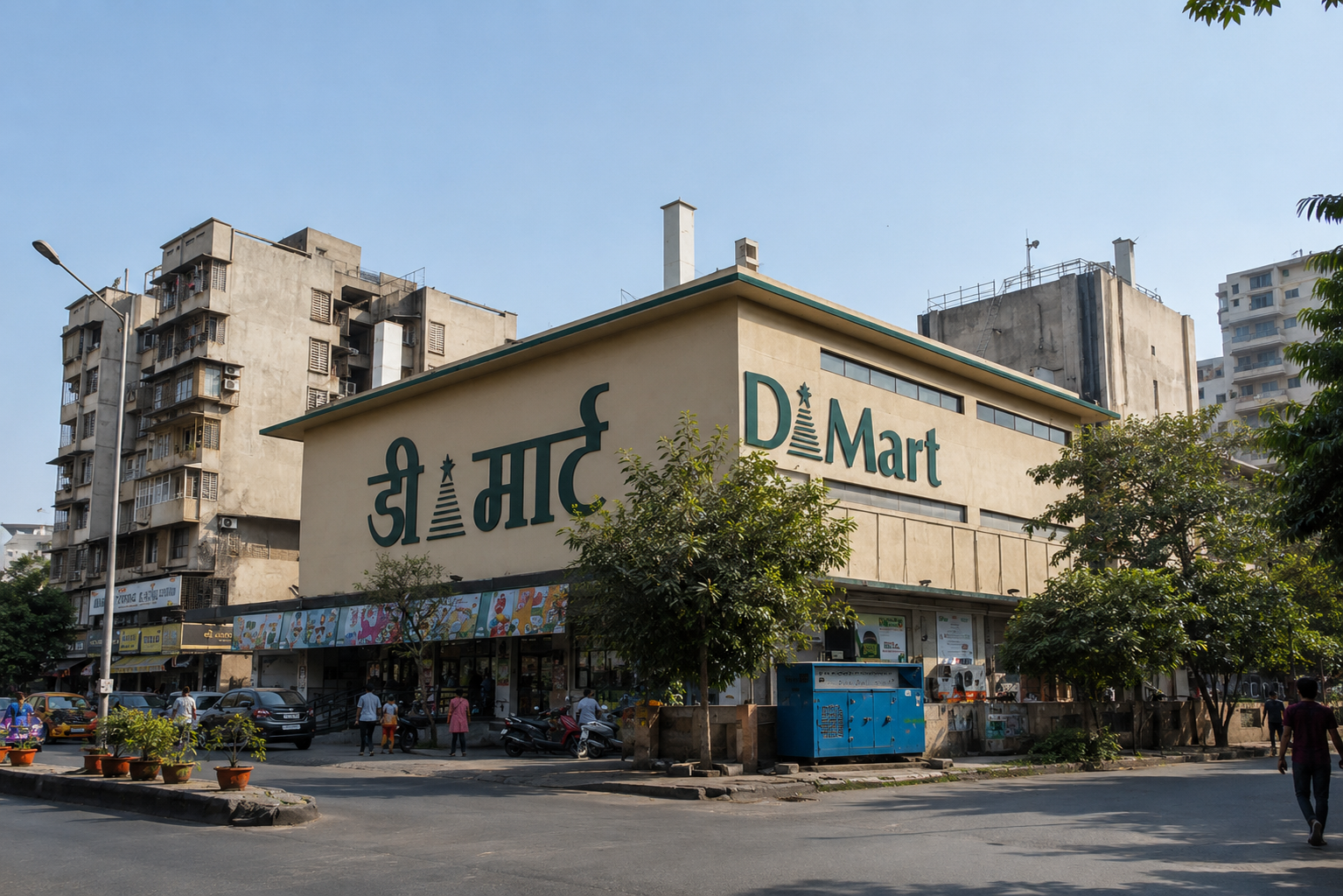
DMart's parent company, Avenue Supermarts, reported a steady set of numbers, largely in line with what the street was expecting.
By the numbers:
Net profit: up 11.3% YoY at ₹860.6 cr vs ₹773 cr
Revenue: up 14.9% YoY at ₹18,794 cr vs ₹16,359 cr
EBITDA: up 15.4% YoY at ₹1,499 cr vs ₹1,299 cr
Margin: at 7.97% vs 7.94% (YoY)
What’s going on: even though sales kept growing, profits didn't get much of a boost. That's because expenses are rising too. Higher employee costs, finance costs and other operating expenses continued to eat into profitability.
D-mart stores that have been open for more than two years grew just 5.5% this quarter, down from 7.1% a year ago. That's important because older stores usually generate the bulk of DMart's profits.
The slowdown is even more visible in big cities. According to the company, mature stores in large metro markets, which earn much higher revenue per square foot, saw almost no growth during the quarter. On the other hand, stores in smaller cities continued to perform well.
The online strategy: the company has shut DMart Ready in seven cities and is now focusing only on larger towns, reducing its presence to 11 cities.
Shopping habits in India's metros are changing rapidly. More people are choosing Blinkit, Zepto and Swiggy Instamart for groceries and daily essentials instead of making a trip to the supermarket.
DMart still wins on low prices. But when groceries arrive at your doorstep in 10 minutes, convenience often beats discounts. That shift is beginning to show up in its numbers.
Despite the challenges, DMart continues to expand. The retailer opened three new stores during the quarter, taking its total store count to 503 across India.