

 Newsletter
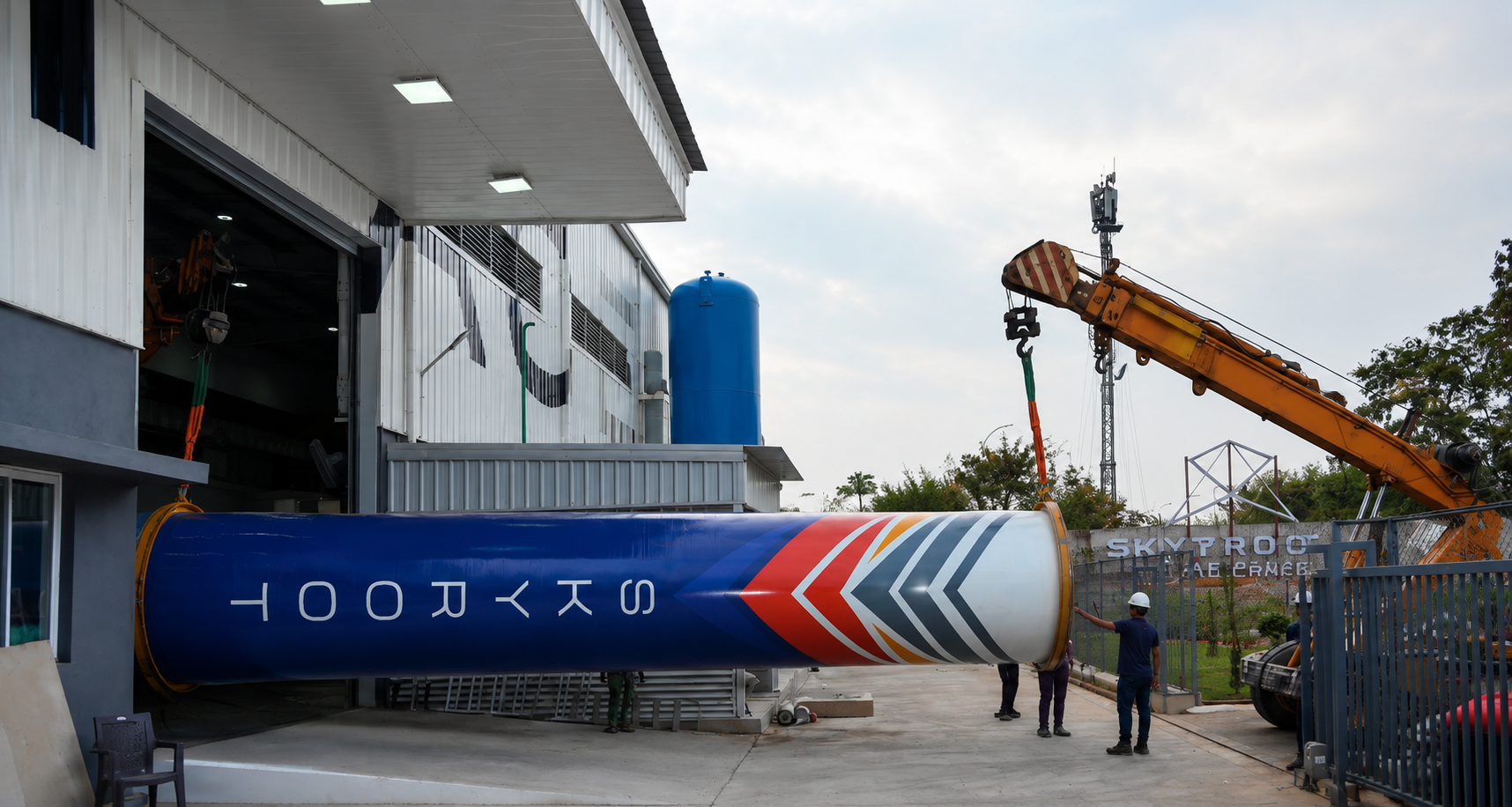
India's private space race is about to reach a new milestone. On July 18 at 11:30 am, Hyderabad-based Skyroot Aerospace will attempt to launch Vikram-1, the country's first privately built orbital rocket, as part of Mission Aagaman.
Why is this a big deal: while ISRO has launched rockets for decades, Vikram-1 will be the first orbital-class rocket designed, built and launched by an Indian private company from Indian soil.
So, what is Vikram-1?
Think of it as a delivery vehicle for space. The rocket is designed to carry small satellites weighing up to 350 kg into low-Earth orbit for commercial customers. On its maiden flight, it will attempt to place its payload into a 450-km orbit.
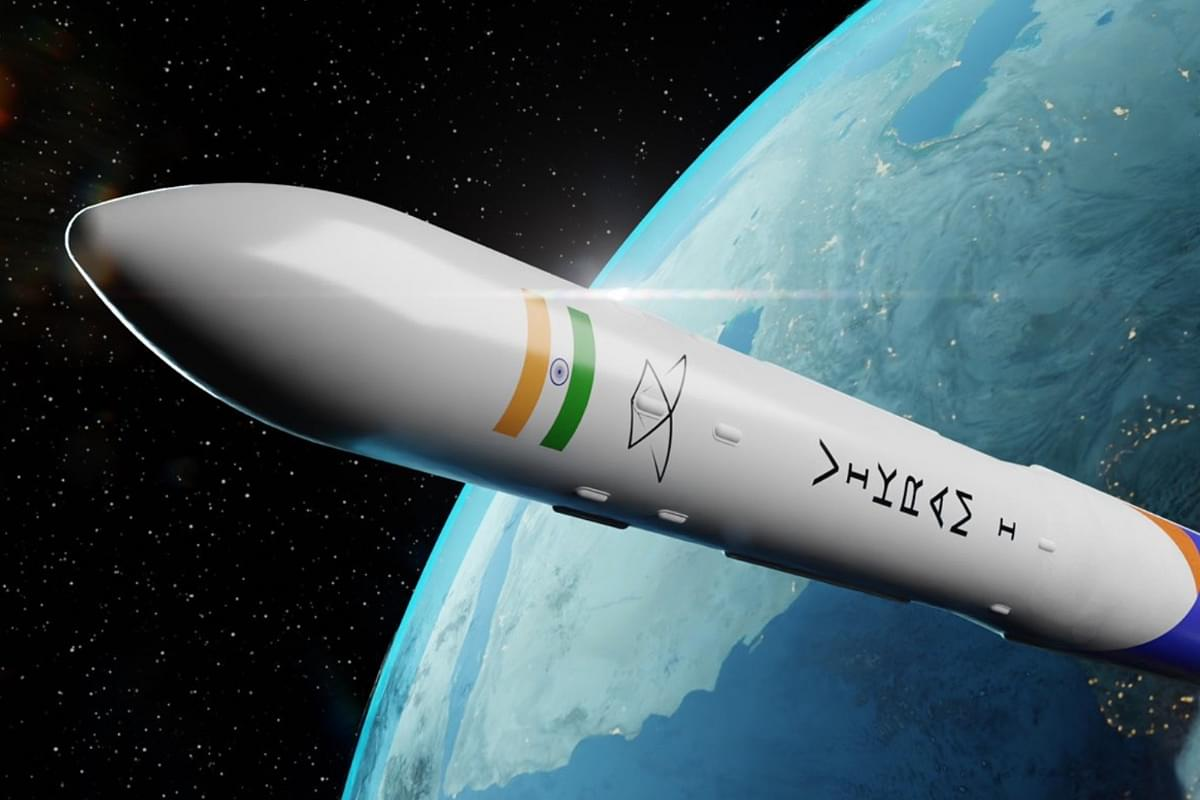
This isn't Skyroot's first milestone.
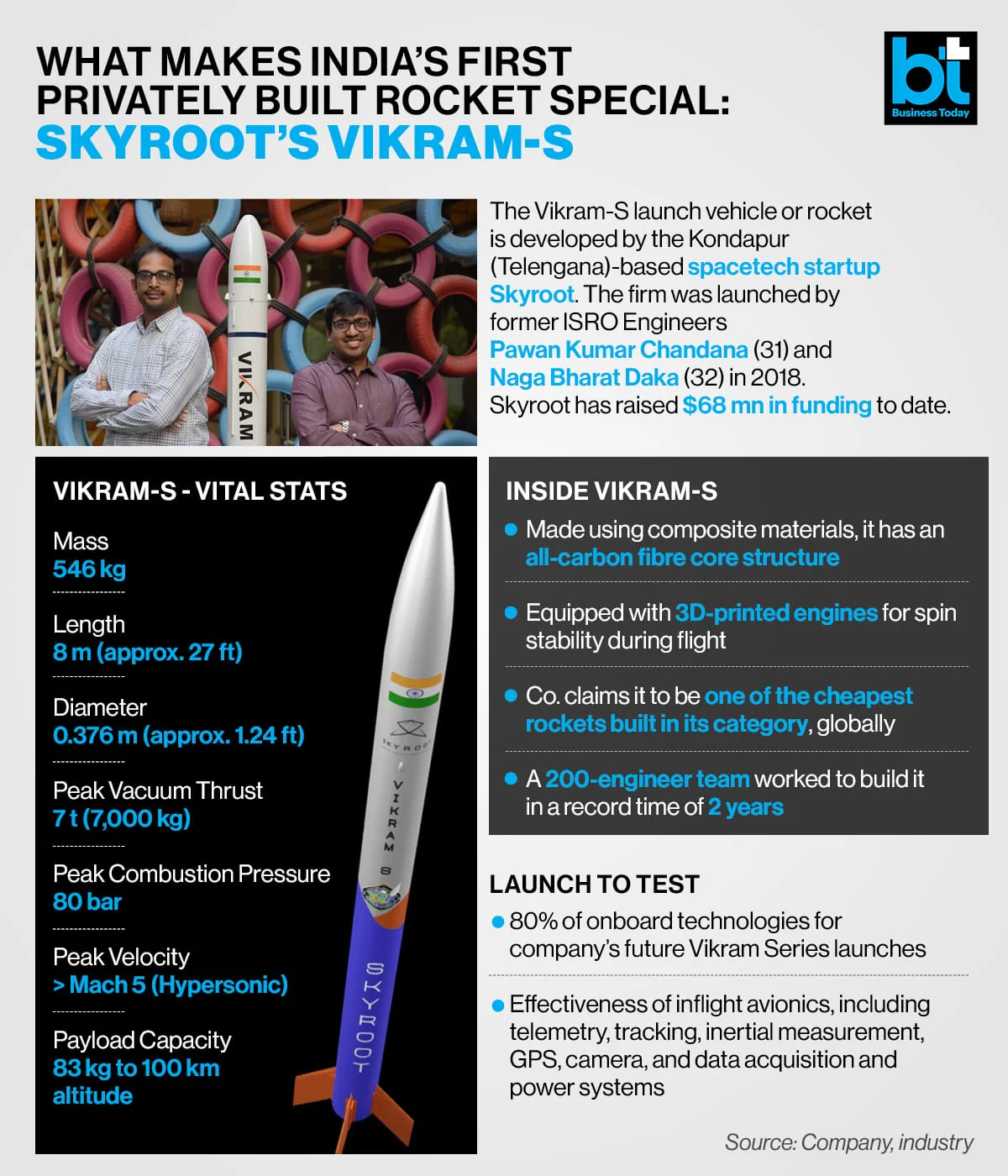
Back in 2022, the company made history with Vikram-S, India's first privately developed rocket to reach space. But that was a suborbital mission. Vikram-1 is a much bigger challenge because it aims to reach orbit, where satellites can stay in space and operate for years.
The big picture: the global space economy is expected to grow to $1.8 trillion by 2035, fuelled by rising demand for satellite internet, navigation, communications, Earth observation and defence services.
But there's another challenge.
Space is getting crowded. According to the European Space Agency (ESA), more than 40,000 objects are currently being tracked in orbit.
On top of that, an estimated 1.2 million pieces of space debris larger than one centimetre are too small to track but large enough to damage satellites and spacecraft.
As more countries and private companies race to launch satellites, getting to space is becoming easier, but keeping it safe is becoming much harder.
For India, Mission Aagaman is more than just another rocket launch. It's a sign that the country's private space industry is ready to take on a much bigger role in the global space race.