

 Newsletter
Konnichiwa & Namaste!
India and Japan have signed a new Maritime Security Cooperation agreement to deepen their defence partnership. The two countries will share information, support each other’s warships and explore building defence equipment together.
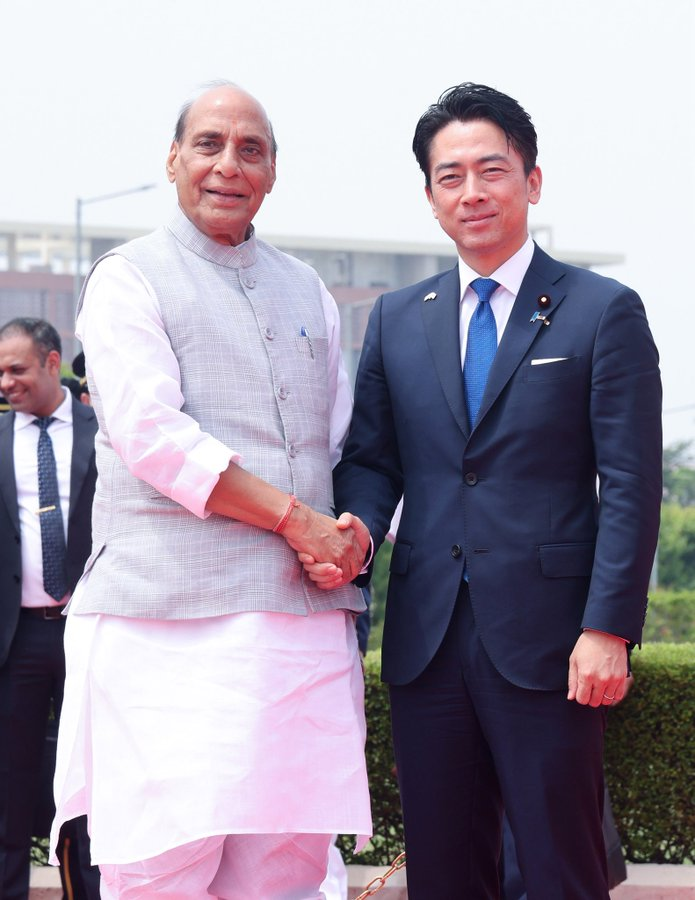
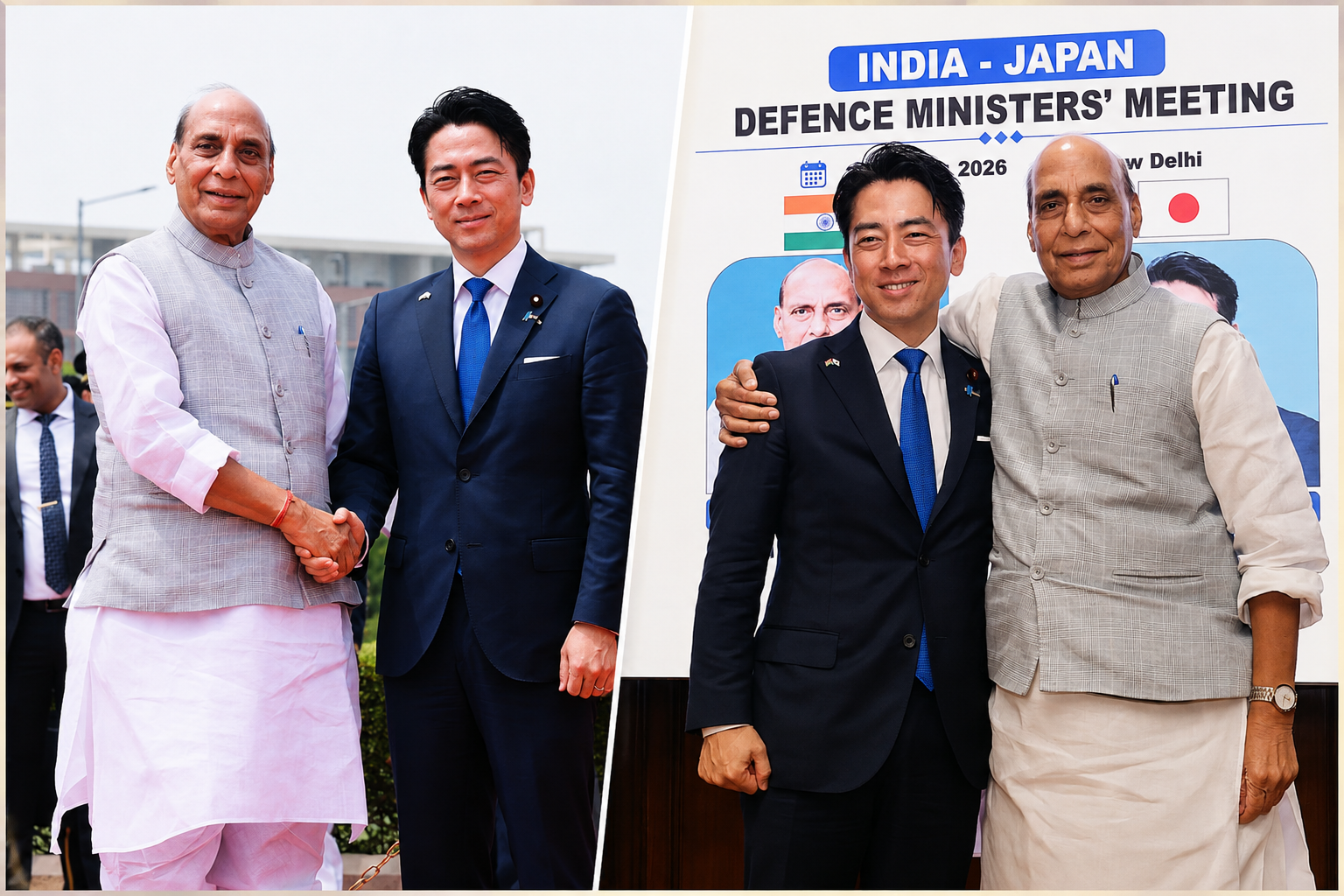
What’s cookin’: Defence Minister Rajnath Singh met his Japanese counterpart Shinjiro Koizumi in New Delhi on Thursday, and the sea was clearly at the centre of the conversation.
Under the new arrangement, the Indian Navy and Japan Maritime Self-Defense Force will work more closely on keeping track of ships and activity at sea, search-and-rescue missions and disaster relief.
Think of it as the two navies getting better at watching the same neighbourhood and helping each other when something goes wrong.
And that neighbourhood matters. A huge amount of the energy, raw materials and goods used by India and Japan travels through shipping routes across the Indian and Pacific Oceans. The two countries said they oppose attempts to disrupt freedom of navigation or change the status quo through force or coercion.
It goes beyond watching the seas: Indian and Japanese warships could increasingly use each other's ports and get logistical support when operating away from home.
The countries also want to make it easier for their ships to be maintained and repaired in each other's facilities. That's particularly interesting for India. Rather than Japanese vessels always heading home for repairs, some of that work could eventually come to Indian shipyards under Make in India.
Manufacturing opportunity: the two countries will explore jointly developing naval ships and designs. Japan brings advanced shipbuilding technology and India brings its growing manufacturing capacity.
More military exercises incoming: India and Japan already conduct exercises including Dharma Guardian and JAIMEX. Now they want those drills to become more complicated and realistic, including the use of unmanned systems and even exercises organised at short notice.
Japanese fighter aircraft are expected to participate in Veer Guardian 26 in India for the first time. The countries also want their special forces to work together more frequently.
India's DRDO and Japan's ATLA will deepen cooperation on advanced defence technologies, while the countries plan to convene a Defence Industry Forum connecting their defence ecosystems.
One project already provides a glimpse of where this could go: UNICORN, Japan's ship-mounted integrated communications antenna system. Both sides highlighted it as an important example of their growing defence-equipment partnership and want to move towards its early implementation.