

 Newsletter
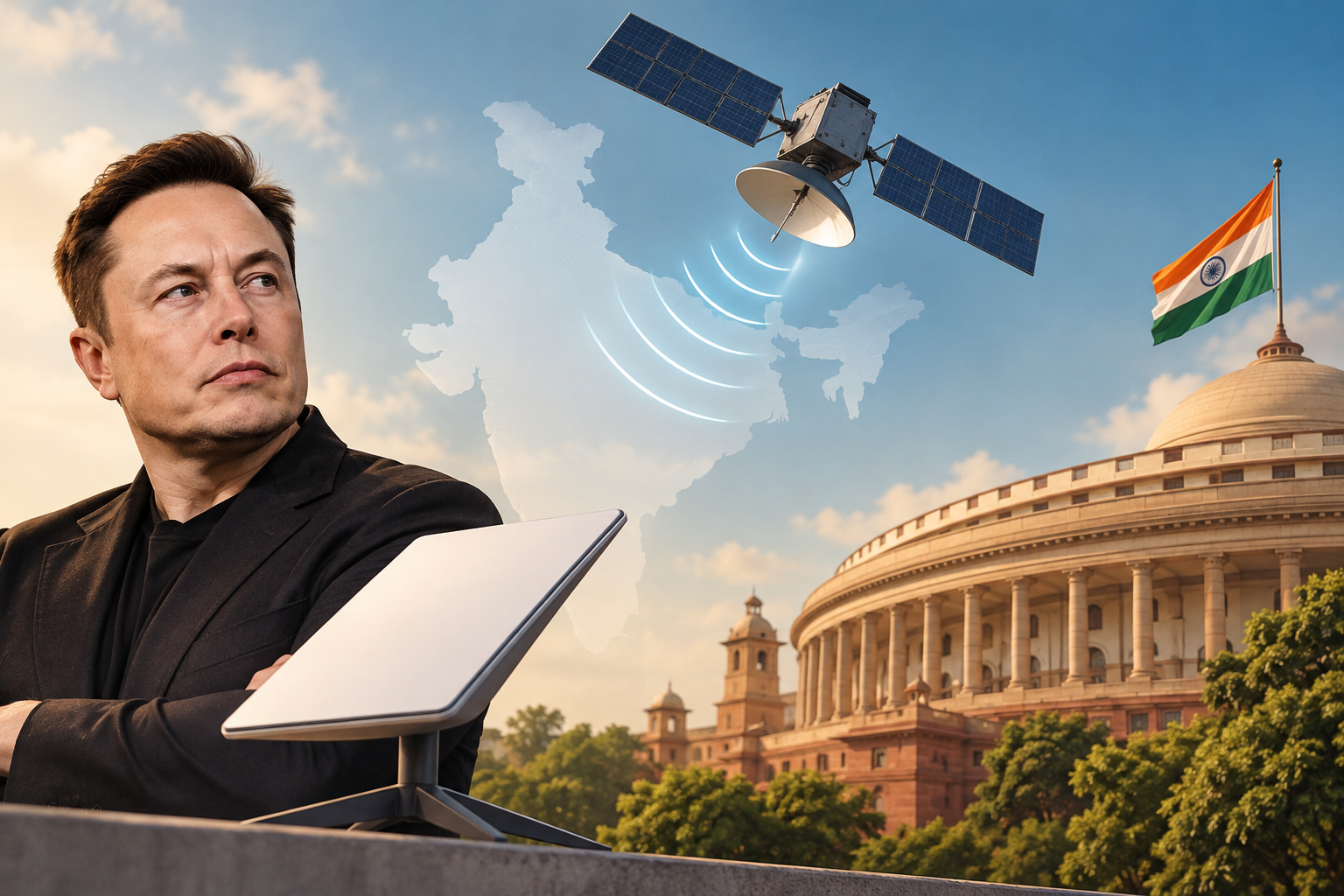
India has rejected Elon Musk's allegations that powerful business groups are blocking Starlink's entry into the country to protect their own businesses.
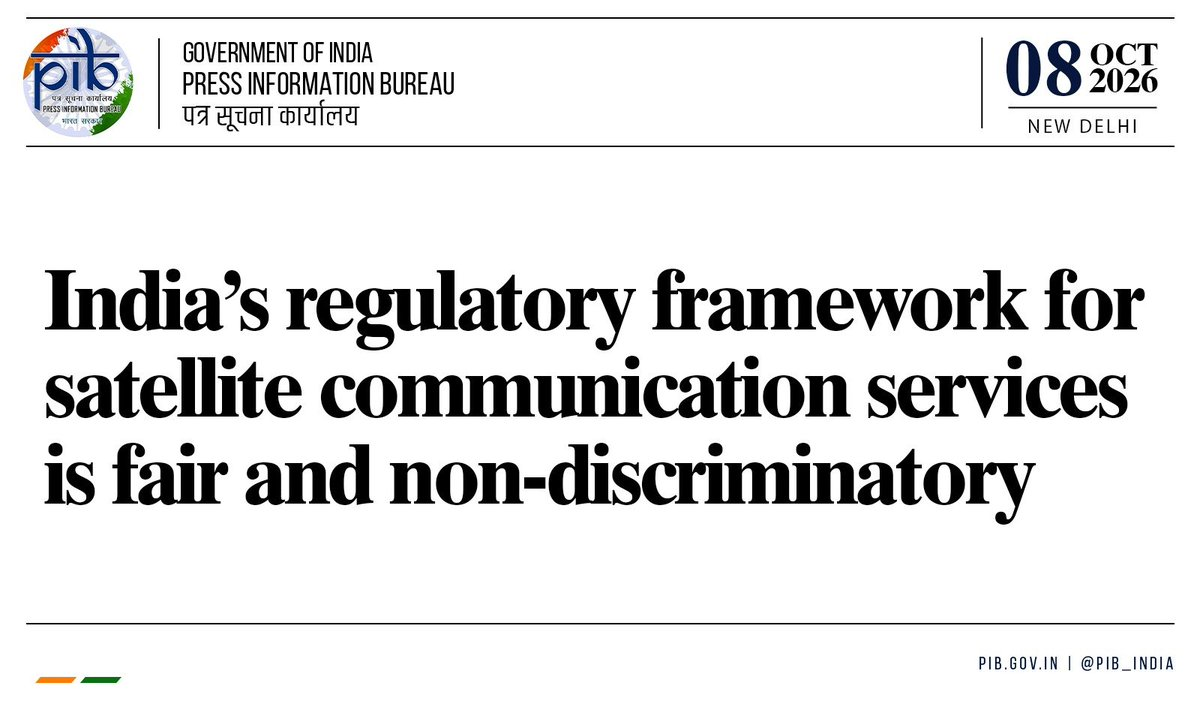
As per the Ministry of Communications, India follows a fair and equal approval process for all satellite internet companies, including Starlink.
The clarification came after Musk posted on X, alleging that certain powerful businesspeople were preventing Starlink from entering India to maintain their control over the market.
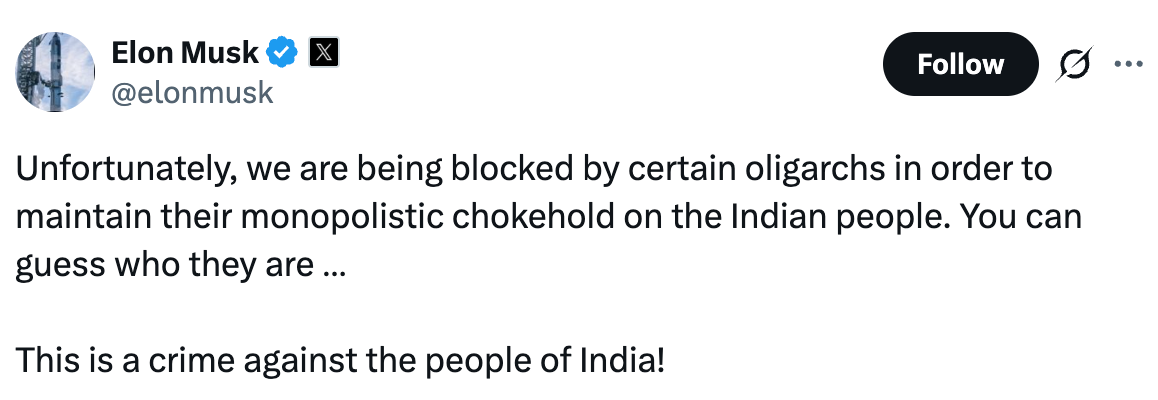
He claimed that these businesses were trying to protect their existing dominance at the expense of Indian consumers. However, Musk did not name any companies or individuals.
So, what does India have to say?
The government says Starlink isn't being treated differently from its competitors.
India has already granted satellite communication licences to three companies:
- Starlink, owned by Musk's SpaceX
- Eutelsat OneWeb, backed by Bharti
- Jio Satellite Communications, part of Reliance's Jio Platforms
Jeff Bezos-backed Amazon Leo is also seeking approval to operate in India.
But here's the catch: getting a licence doesn't mean a company can immediately start offering internet services.
Before launching, each company must prove that its technology meets India's security requirements, particularly when it comes to protecting users and their data.
Once these checks are completed, companies can move to the next stage of getting permission to use the radio frequencies needed to deliver satellite internet.
The ministry says all three licensed companies are currently at broadly the same stage of this process.
Then why is Musk unhappy?
Starlink received its satellite communication licence more than a year ago, but it is still waiting for the remaining approvals to begin commercial operations.
Musk believes powerful existing players are standing in the company's way, although the government has rejected that allegation.
A little background: Starlink provides internet through satellites orbiting Earth, rather than relying entirely on mobile towers or underground cables.
This could be particularly useful in India's remote villages, mountains and other areas where regular broadband connections are difficult to provide.
That's also why the Indian market is attractive to companies such as Starlink, OneWeb and Amazon Leo.
Meanwhile, Starlink says it's ready
Interestingly, Musk's comments came just hours after a senior SpaceX executive said Starlink had already made significant preparations to enter India.
Speaking at India Mobile Congress 2026, Starlink executive Lauren Dreyer said the company had built infrastructure specifically to meet India's regulatory and security requirements.
That includes 20 ground gateway sites with hundreds of antennas, which help connect Starlink's satellites to internet networks on the ground.
The company also says it has put systems in place to keep Indian users' data within the country.


