

 Newsletter
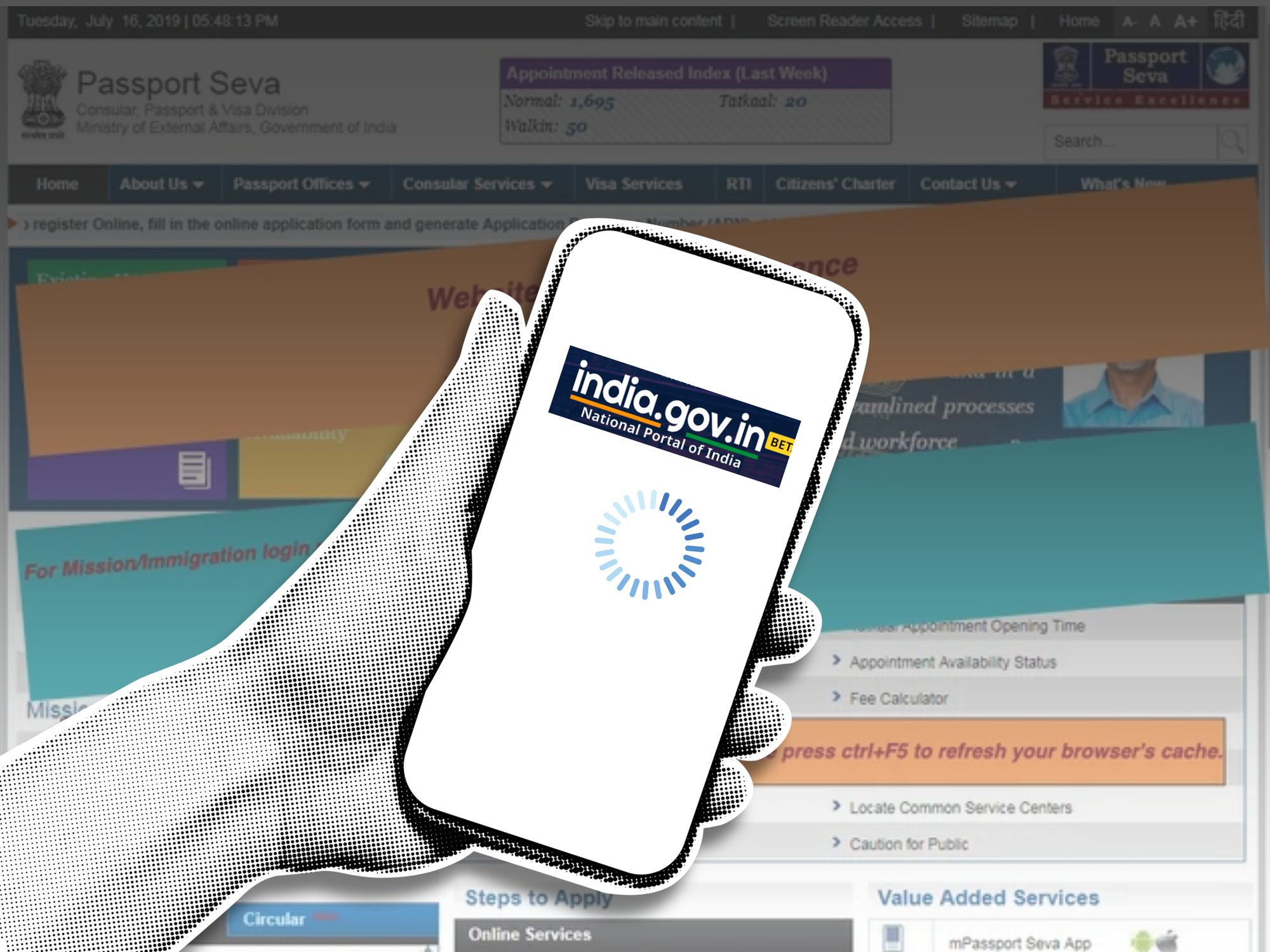
You can order food in 10 minutes, transfer money instantly using UPI and verify your identity in seconds with Aadhaar.
But try renewing a licence, downloading a government certificate or applying for a permit online, and you're suddenly transported back to the early 2000s.
The contrast is hard to ignore. India has built some of the world's most successful digital public infrastructure, yet many government websites still struggle with basic usability.
The irony is that the technology isn't the problem.
In 2026, the government has continued expanding Digital India with a stronger focus on improving user experience. The National e-Governance Division (NeGD) has been working with ministries and states to introduce common design standards, simplify interfaces and make digital services easier for citizens to use.
That shift is long overdue.
India's digital backbone is already world-class. Aadhaar has enrolled over 144 crore residents and processes billions of authentication requests every year. DigiLocker now serves more than 62 crore users, while UMANG has expanded from just 166 services in 2017 to over 2,500 government services today. Yet many public websites continue to feel outdated.
The reason is surprisingly simple.
Most government portals are built independently by different ministries, departments and state governments. Each has its own budget, technology partner and priorities. Instead of one consistent experience, citizens end up navigating thousands of websites that all work differently.
Many were also designed to digitise paperwork, not redesign the citizen experience. That's why confusing layouts, broken links, endless PDF forms and inconsistent interfaces remain so common. Ironically, India's biggest digital successes followed a completely different approach.
UPI, Aadhaar and DigiLocker weren't built as standalone websites. They were created as common digital infrastructure with strong technical leadership, shared standards and a clear focus on solving a specific problem at scale.
That's what made them simple enough for millions of people to use every day.
The encouraging part is that this gap is finally being acknowledged. New initiatives are increasingly focused on citizen-first design, common UX standards and integrating services instead of creating yet another portal.
Digital transformation isn't complete just because a service moves online. It succeeds only when citizens can complete a task quickly, without hunting for the right website, battling confusing interfaces or wondering if the page will load at all.
That's likely to be the next big challenge, and opportunity for Digital India.


