

 Newsletter
India-Indonesia deal, plot-twists for Samsung, and Swiggy comes home.
🗓️ Morning, folks! ☀️

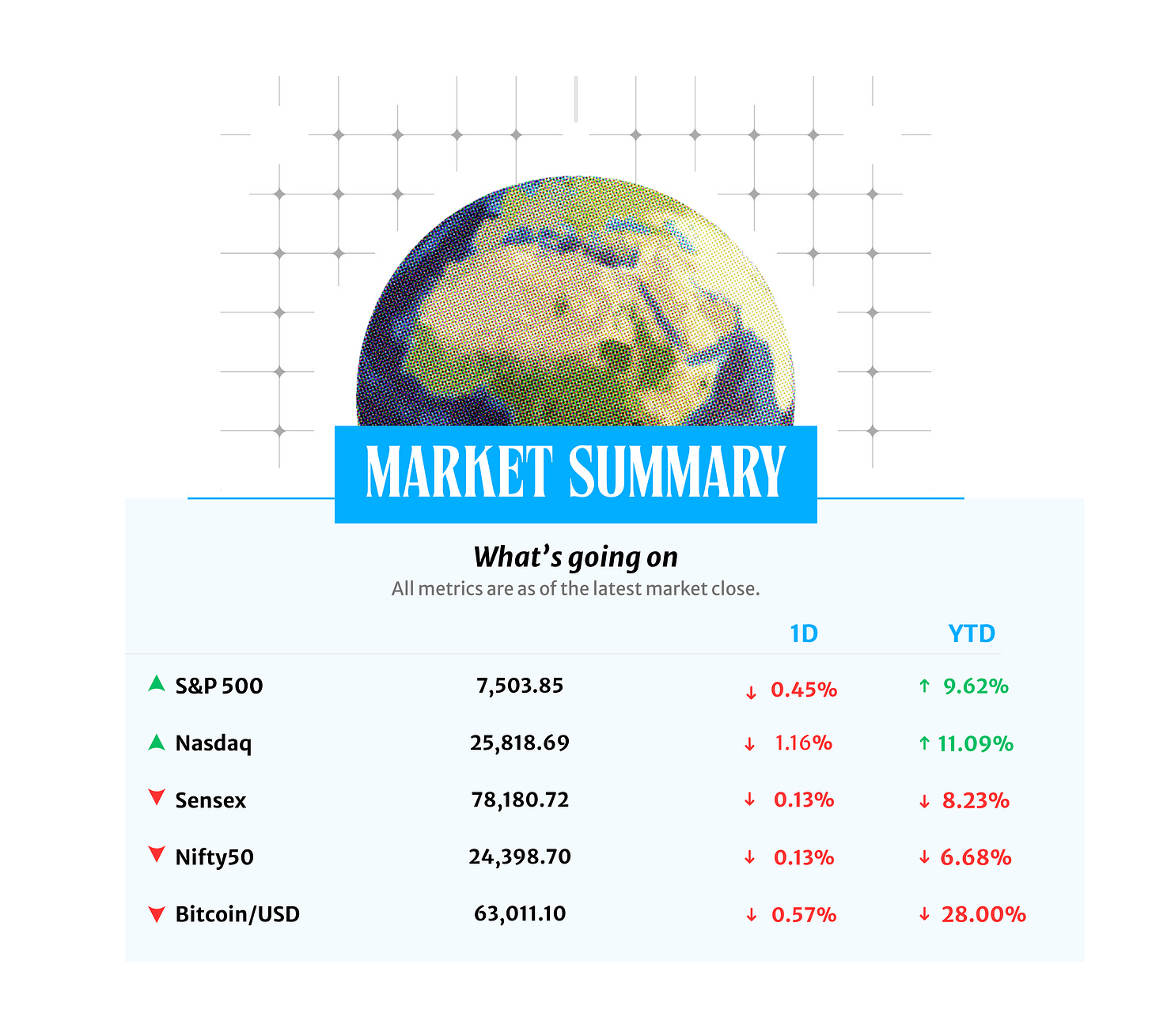
Markets snapped their four-day winning streak as Nifty and Sensex ended lower after a volatile trading session. The Nifty IT index gained 2.4%, led by Infosys, TCS, and Tech Mahindra.
Realty and Metal fell more than 1%. Pharma, Energy, Infra and Media were down by about 0.7%.
There was also some profit booking in midcap stocks, along with some selling pressure from defence.
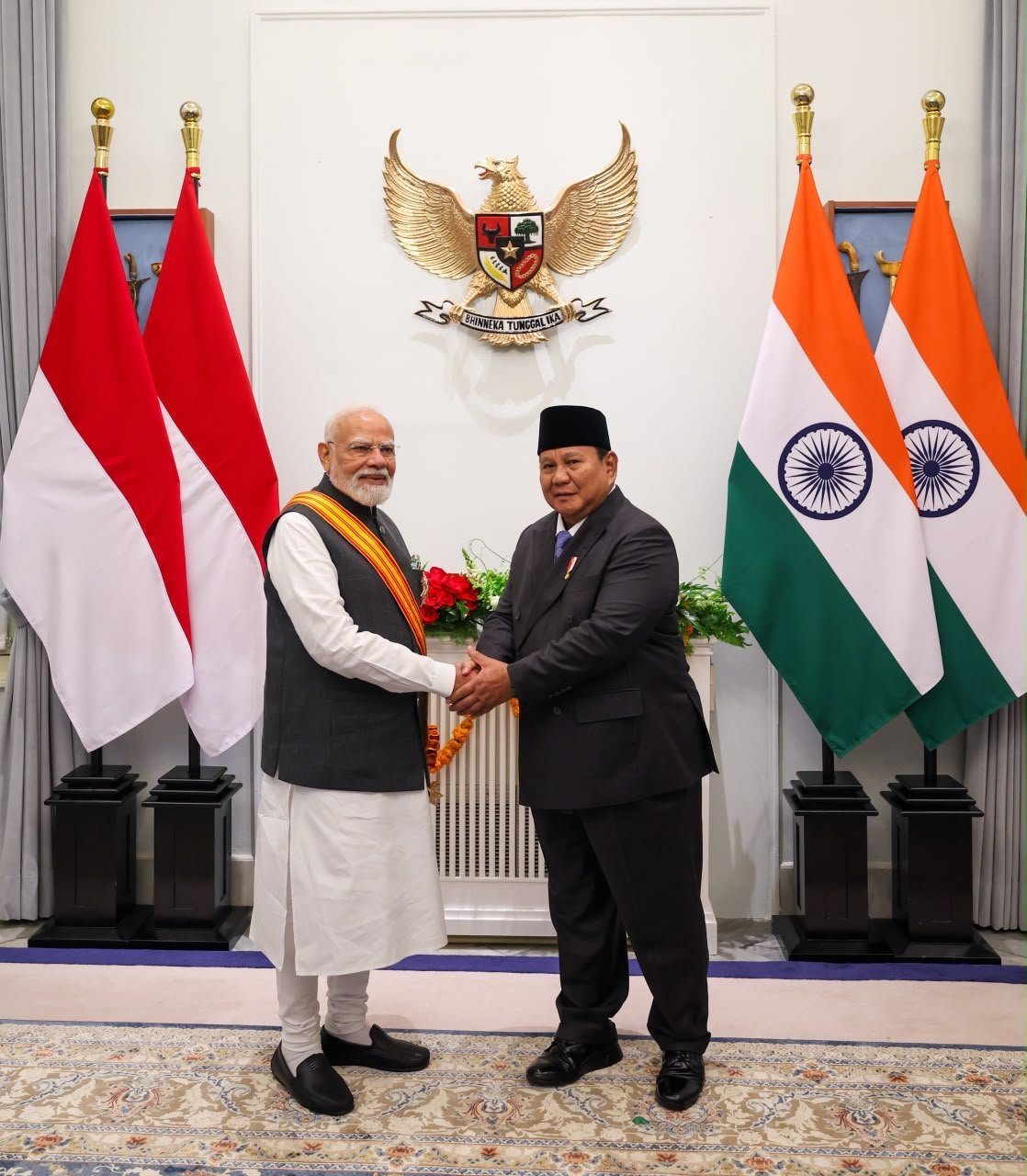
💡 Spotlight: India and Indonesia are now strategic besties 🇮🇩
Both countries have signed eight agreements across defence, maritime safety, healthcare, education, technology, critical minerals, agriculture and steel.
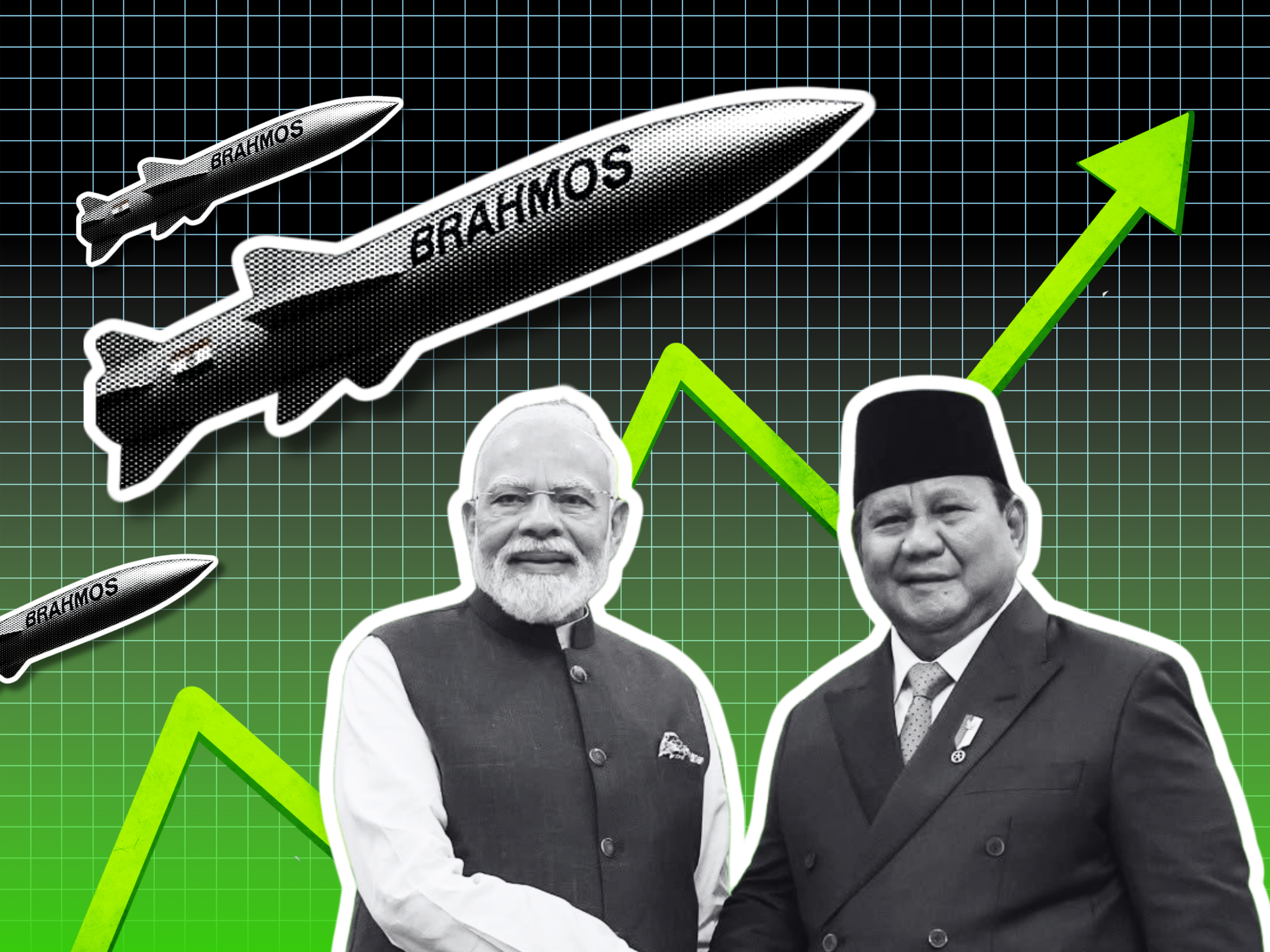
Defence: India is set to export two batteries of its BrahMos supersonic cruise missile system to Indonesia in a deal valued at around $200 million.
Maritime deals: Indonesia sits close to the Strait of Malacca, one of the world’s busiest trade routes. The two countries are expected to jointly develop Sabang Port, located near the strait.
Economic ties: India and Indonesia have agreed to work together on critical minerals, stainless steel and rare-earth magnets. These are the raw materials behind EVs, electronics, defence equipment, clean energy and advanced manufacturing.
What else: India also agreed to improve access to affordable medicines in Indonesia, help train doctors and healthcare workers, open an IIM Bangalore branch campus in Jakarta, and work together on election-tech cooperation by providing EVMs to Indonesia.
Looks like a win-win for both the countries.
Let’s hit it! 💪🏻
1 Big thing: Cult.fit eyes public debut 💪
Fitness and wellness platform Cult.fit filed its IPO papers with SEBI to raise ₹950 crore through a fresh issue of shares.
Temasek-backed MacRitchie Investments will be the biggest seller in the OFS, offloading up to 2.47 crore shares.
Individual shareholders selling their stakes include founder Mukesh Bansal, angel investor Bruno Raschle and Hrithik Roshan.
Some numbers: in FY26, Cult.fit’s operating revenue jumped around 40% to ₹1,721 crore, up from ₹1,216 crore a year earlier.
The company is still making losses, but the trend is improving. Its FY26 loss narrowed to ₹252 crore, compared with ₹481 crore in FY25 and ₹888 crore in FY24.
Around 70% of its revenue comes from fitness memberships and workout services, while the remaining 30% comes from selling fitness-related products.
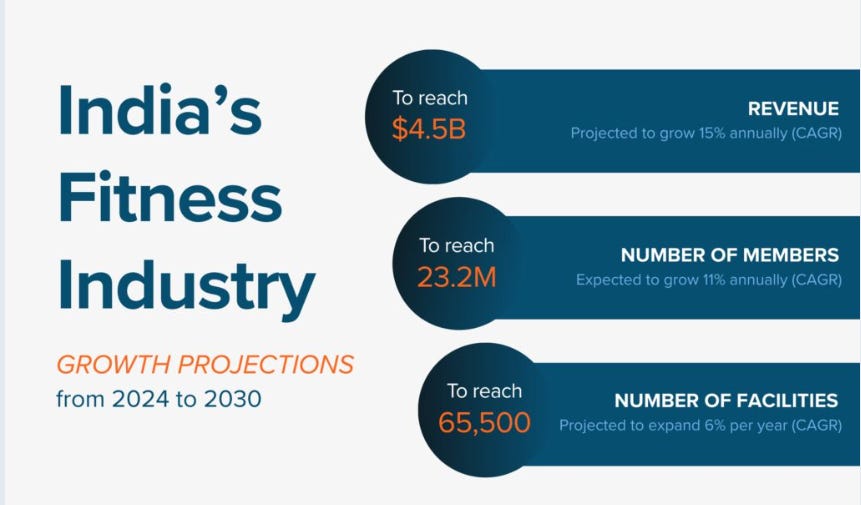
The big picture: according to Deloitte India and the Health & Fitness Association, India’s fitness market is expected to grow to ₹37,700 crore by 2030, as more Indians prioritise health, wellness and active lifestyles.
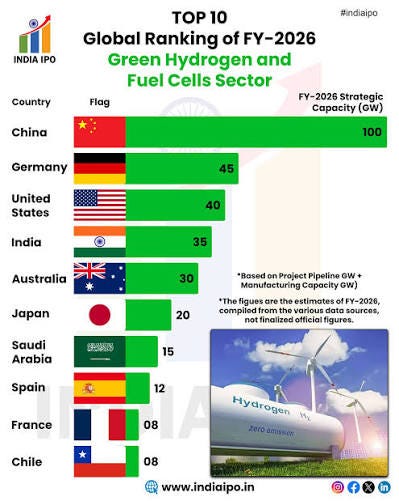
2. What’s behind the BHEL-Thyssenkrupp green hydrogen deal? 🌱
BHEL has partnered with Thyssenkrupp Nucera India, the Indian arm of Germany’s Thyssenkrupp Nucera, to manufacture alkaline electrolysers in India.
The deets: electrolysers are the main machines used to make green hydrogen.
In simple terms, they use electricity to split water into hydrogen and oxygen. When that electricity comes from solar or wind power, the hydrogen produced is called green hydrogen.
Why it matters: India needs green hydrogen because some industries are among the biggest polluters and are difficult to make environmentally friendly.
Steel, fertilisers, refineries and heavy transport cannot easily run only on regular electricity. Green hydrogen can help them cut pollution without completely changing how they operate.
Meanwhile, alkaline electrolysers are important because they are proven, widely used and cheaper than some newer hydrogen technologies.
Zoom out: the government launched the National Green Hydrogen Mission in 2023 with an investment of ₹19,744 crore to position the country as a global hub for producing, using and exporting green hydrogen and its derivatives.
Under the mission, India aims to produce at least 5 million tonnes of green hydrogen every year by 2030.
3. Even 1,800% profit couldn’t save Samsung’s stock 📉
Shares of Samsung Electronics tumbled nearly 7% on Tuesday, dragging South Korea’s benchmark KOSPI down more than 8%, even after the world’s largest memory chipmaker reported one of the strongest quarters in its history.
Samsung Electronics has overtaken Nvidia to become the world’s most-profitable technology company, thanks to soaring demand for AI memory chips.
By the numbers:
- Operating profit skyrocketed 1,800% YoY, rising nearly 19-fold from last year.
- Profit reached 89.4 trillion won ($58.6 billion) for the April-June quarter, beating market estimates of 87.3 trillion won.
- A year ago, Samsung’s quarterly profit stood at just 4.7 trillion won.
- Revenue surged 129% to 171 trillion won, more than doubling from the same period last year.
Why did the stock still fall: Samsung has been one of the biggest beneficiaries of the AI boom. As companies raced to build AI data centres, demand for memory chips surged, allowing Samsung to sell its chips at much higher prices and significantly boost profits.
But investors now fear that pace may not last.
Building AI infrastructure requires massive investments in data centres, power supply and chip manufacturing capacity.
Any slowdown in those investments could eventually reduce demand for memory chips, hurting future earnings across the semiconductor industry.
4. How corporate taxes compare globally 🌍
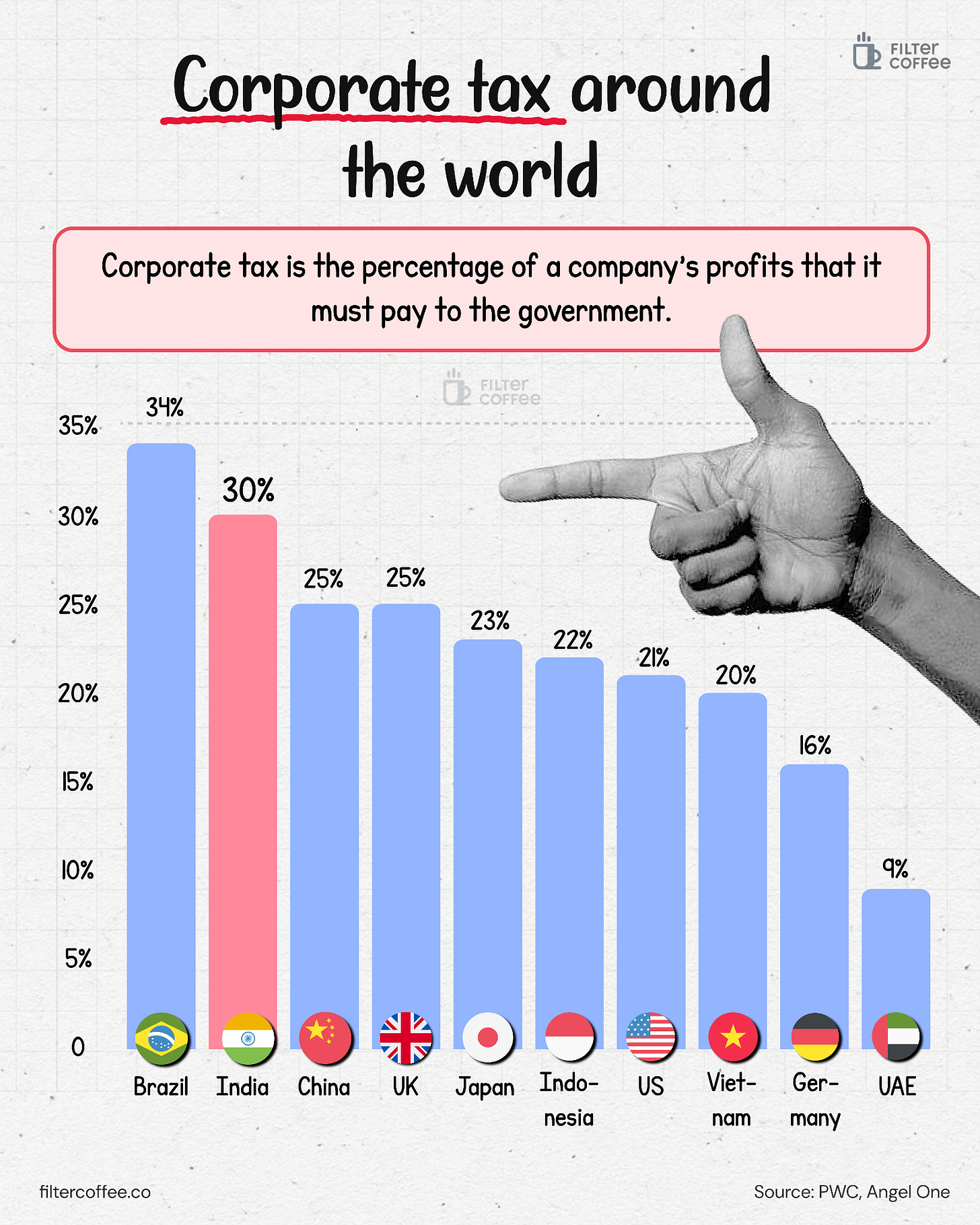
At 30%, India has one of the highest corporate tax rates among major economies, behind only Brazil in this comparison.
Meanwhile, countries like the UAE (9%) and Germany (16%) levy significantly lower rates.
Corporate tax plays a key role in attracting businesses, investments and jobs, which is why governments constantly balance tax collections with competitiveness.
5. Why is El Niño worrying India’s power sector? 😟

El Niño could leave India short of nearly 17.7 billion units of electricity over the next year, according to CREA.
The concern isn’t the size of the gap, but that weaker wind and hydropower may force the country to rely more on coal.
As hotter weather pushes up electricity demand, a weaker monsoon could reduce output from two of India's largest renewable power sources.
6. Stocks that kept us interested 🚀
What went up ⬆️
🚀 Shares of InfoEdge zoomed 11% after the company’s standalone billings rose 14.4% YoY and recruitment solutions business witnessed a strong 17.5% YoY growth at ₹552.7 crore.
⚡️ RITES jumped nearly 9% after winning a $35.8 million South Africa contract to supply and commission 4,000 HP diesel-electric locomotives.
📈 Titan shares gained over 2.5% after its Q1 business update showed 41% year-on-year growth in its consumer business.
💸 TARC shares jumped 2% after Q1 pre-sales tripled to ₹602 crore, while collections rose 80% to ₹305 crore year-on-year.
💰RCF shares jumped after its board approved raising up to ₹1,500 crore through a Further Public Offering (FPO).
What went down ⬇️
📉 Apollo Micro Systems shares fell over 5% after approving a ₹3,322 crore fundraise through preferential shares and convertible warrants.
🔻 Cochin Shipyard shares fell 4% after the government launched an OFS to sell up to a 5.04% stake at ₹1,400 per share.
👎🏻 Trent shares plunged 12% after Q1 revenue grew 19%, missing estimates, raising concerns over slowing growth and rising competition.
💰 Kalyan Jewellers shares fell nearly 7% despite a strong Q1 update, as growth trailed rival Titan and missed investor expectations.
What else are we snackin’ 🍿
🏠 Indian control: Swiggy climbed nearly 7% after domestic ownership crossed 50%, bringing it closer to becoming an Indian Owned and Controlled Company (IOCC).
🏬 Retail debut: Canada’s Lululemon will open its first India store at DLF Promenade, New Delhi later this year through a franchise partnership with Tata CLiQ.
🩺 Insurance pulse: India’s general insurance premiums rose 14% in June. Niva Bupa led with 35% growth, while Go Digit saw premiums decline 3%.
That’s a wrap! Don’t let the weekday blues get to you.

And if you’d like to place your brand on this newsletter, let us know.
Hit that 💚 if you liked this issue.