
 Newsletter
Tariff jitters hit pharma, Blinkit lifts Zomato, and defence orders pile up.
🗓️ Morning, folks! ☀️
Before we begin, a quick update!
We’ve brought Filter Coffee to WhatsApp! It’s the easiest way to stay updated with the biggest business, markets, startup and finance stories, right where you already spend your time.
Join our WhatsApp channel and subscribe to our newsletter! 🚀

Okay, back to business!
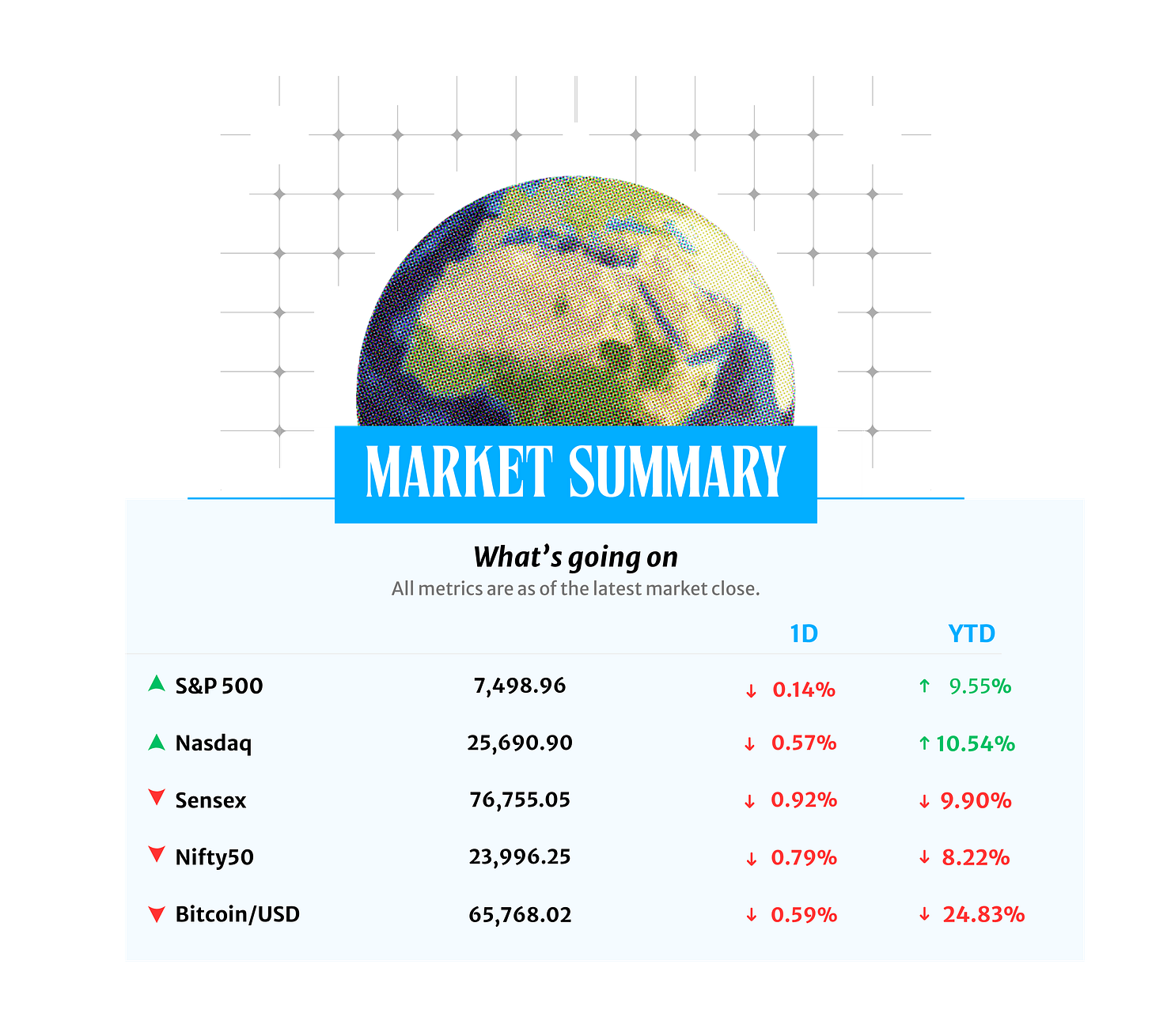
It was a rough Wednesday for Dalal Street as investors hit the sell button across sectors. Sensex and Nifty fell up to 1% each.
Banking, IT and energy heavyweights weighed on the benchmarks, with Reliance Industries, HDFC Bank and several IT stocks among the biggest drags.
💡 Spotlight: Tariff king is back 🫡
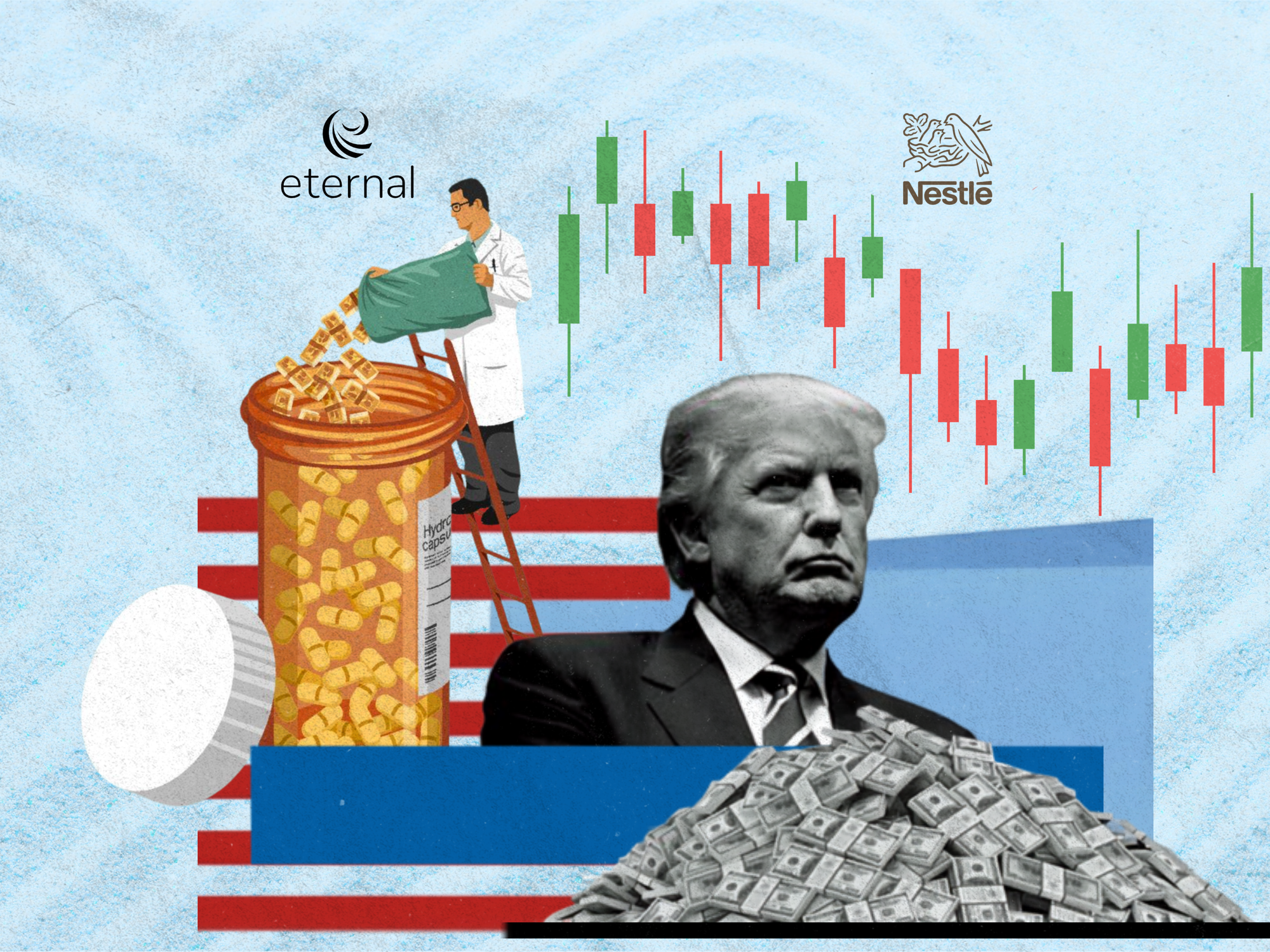
Pharma stocks, including Lupin, Gland Pharma, Aurobindo Pharma and Cipla, fell as much as 2% after US President Donald Trump unveiled a phased tariff plan on imported generic medicines.
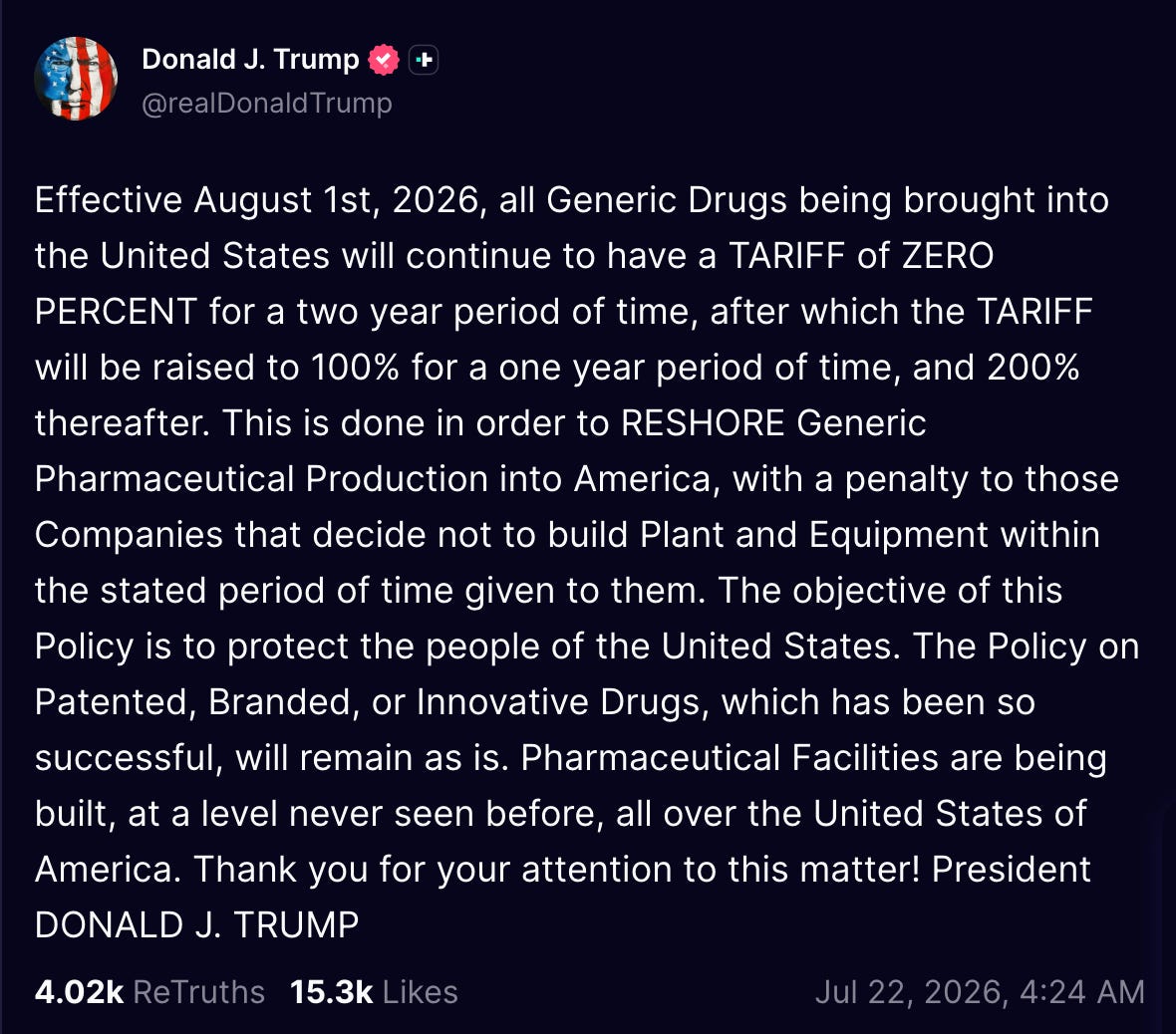
Under the proposal, imported generics will continue to face 0% tariffs for two years from August 1, after which a 100% tariff will apply for one year starting August 2028, rising to 200% thereafter.
Why it matters: the US is India’s largest export market for generic medicines, with Indian companies supplying nearly 47% of all generic drugs sold in the country.
The proposal raises concerns for Indian drugmakers. However, the two-year transition period gives companies time to adjust. We covered this on video watch here 🚀
Let’s hit it! 💪🏻
1 Big Thing: Nestlé delivers a tasty quarter 🍫
Nestlé India shares jumped up to 4% intraday after the FMCG giant reported a stronger-than-expected June quarter.
By the numbers:
- Net profit: ₹958.7 crore, up 48% YoY
- Revenue: ₹6,378.2 crore, up 25% YoY
- EBITDA margin: Improved to 25.9%, from 24.5% a year ago
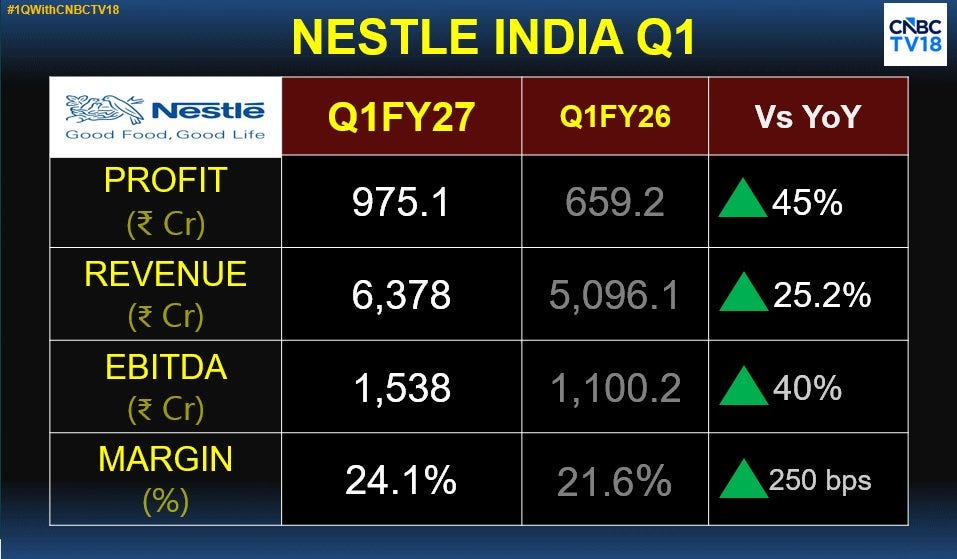
What worked: volume growth was the biggest driver. Domestic sales rose 25%, while exports jumped 35.6% from last year.
Every major category, including chocolates, coffee, Maggi and milk products, posted double-digit growth.
‘General Trade continued to deliver strong double-digit growth across town classes, with rural markets leading the momentum.
Rural distribution touchpoints expanded during the quarter, strengthening direct reach and improving the quality of coverage,’ said Manish Tiwary, Chairman and Managing Director of Nestlé India.
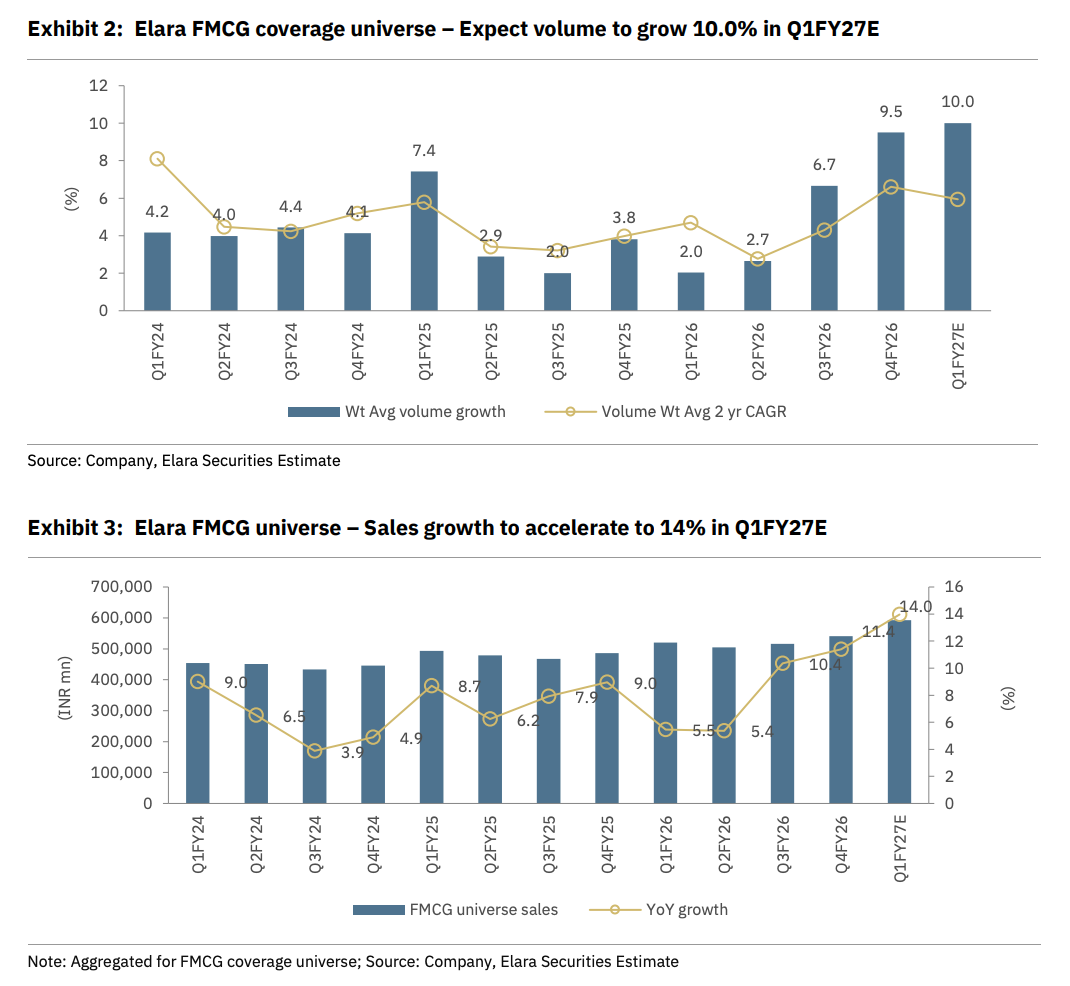
Zoom out: a recent Goldman Sachs report suggested that India’s FMCG sector could be headed for its strongest year of growth since FY23.
FMCG companies had already signalled steady demand in their pre-quarter updates. Lower crude oil prices, after tensions in West Asia eased, supported the sector.
Going forward, companies will keep a close watch on the monsoon and any impact from El Niño.
While we are on earnings 💰,
Eternal’s June quarter showed that Blinkit is becoming the company’s biggest growth engine, even as reported profit came under pressure.
The numbers: net profit nearly halved to ₹92 crore from ₹174 crore a year ago.
However, EBITDA rose 22% to ₹594 crore, while its cash balance increased to ₹18,288 crore, reflecting a strong financial position.
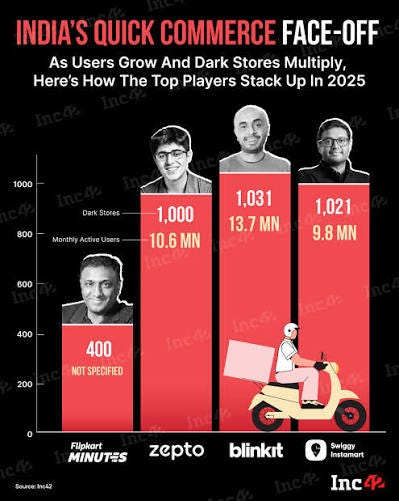
Blinkit leads the way: Net Order Value (NOV) jumped 86% YoY to ₹17,132 crore. It added 200 new dark stores, taking the total to 2,443, and remained EBITDA positive for the third consecutive quarter, reporting ₹102 crore.
Meanwhile, Zomato’s food delivery business remained steady, with NOV growing 20% to ₹10,769 crore, while District narrowed its quarterly loss to ₹65 crore.
“If there comes a point where we have to spend margin to grow, we will - without hesitation. We have always prioritised long-term market expansion over short-term margin.
But right now, we don’t need to make any trade-off,” Deepinder Goyal, founder, Eternal, said in a letter to shareholders.
2. Going shopping 🛒
Shares of Gabriel India slipped 4% after the company announced it would acquire a 28.9% stake in HL Mando Anand India for ₹2,231 crore from its promoter, Asia Investments.
HL Mando Anand is one of India’s largest manufacturers of steering systems, braking systems and suspension components.
Why it matters: through this deal, Gabriel India will enter automotive electronics and autonomous driving technologies.
The joint venture plans to develop advanced driver assistance systems (ADAS), along with radar, cameras, lidar and electronic control units for vehicles in India.
The company also reported its Q1 earnings. Consolidated net profit rose 2% YoY to ₹107.4 crore, while revenue climbed 15.5% to ₹1,425.7 crore.
Big picture: as cars become smarter, auto component makers are expanding beyond traditional mechanical parts into electronics, sensors and software.
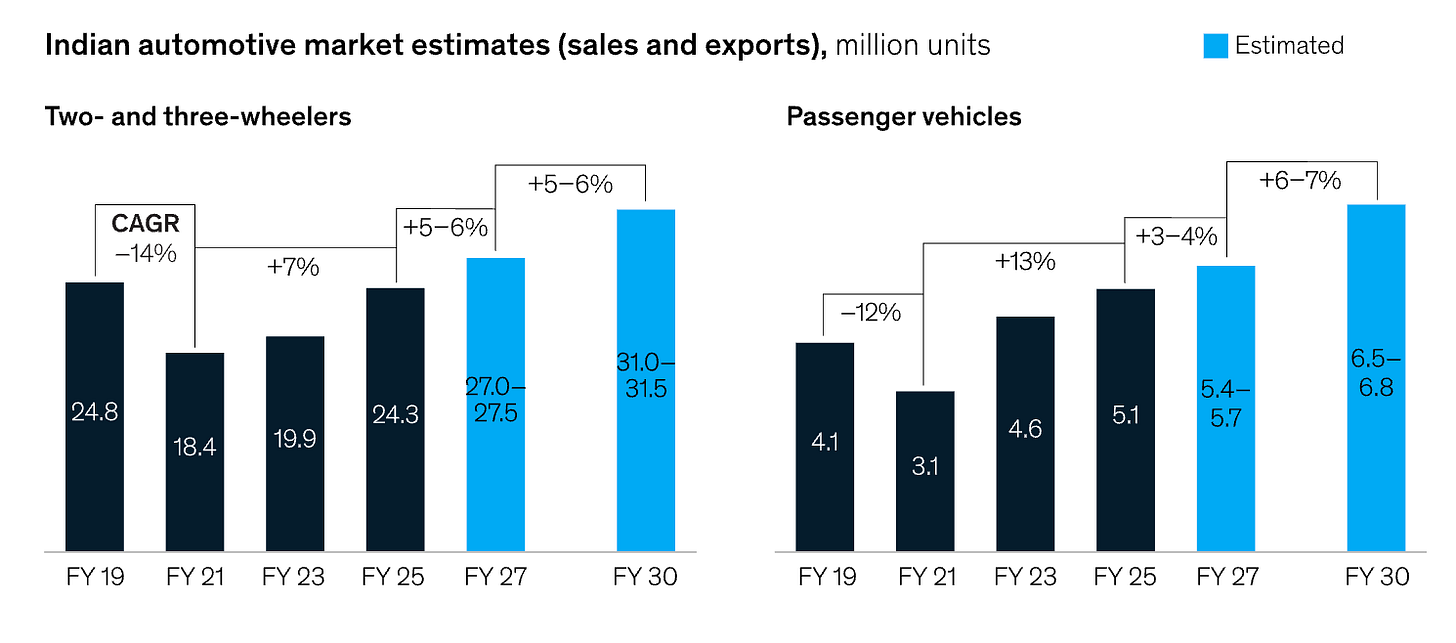
India’s auto component industry is expected to grow 7-8% annually between FY25 and FY30, outpacing the broader automotive market.
3. Bharat Forge says Bonjour 🚀
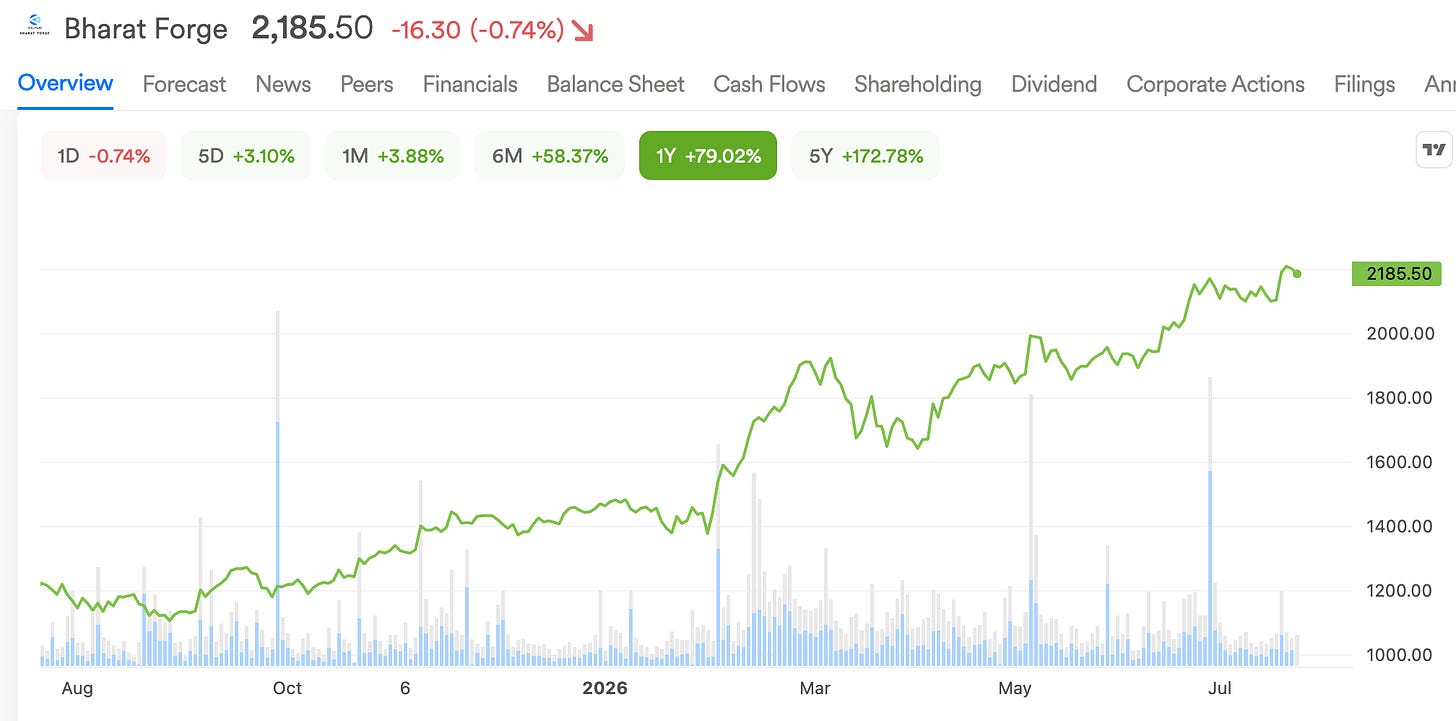
Bharat Forge has partnered with French-Canadian company FLYING WHALES to build heavy-lift airships.
The deets: the partnership will focus on FLYING WHALES’ LCA60T, a massive cargo airship that can carry up to 60 tonnes of equipment.
Who brings what: FLYING WHALES will provide the airship technology, while Bharat Forge will contribute its engineering, defence manufacturing and production expertise.
Together, the companies plan to manufacture, integrate and eventually localise these airships in India.
Zoom out: in April, FLYING WHALES partnered with India's BLP Group to build a heavy-lift cargo airship manufacturing ecosystem.
Until now, India has relied on helicopters and cargo aircraft for transporting heavy equipment to remote and border areas, prompting the Indian Air Force to launch a Make-I programme this year.
While we are on defence 🛡️,
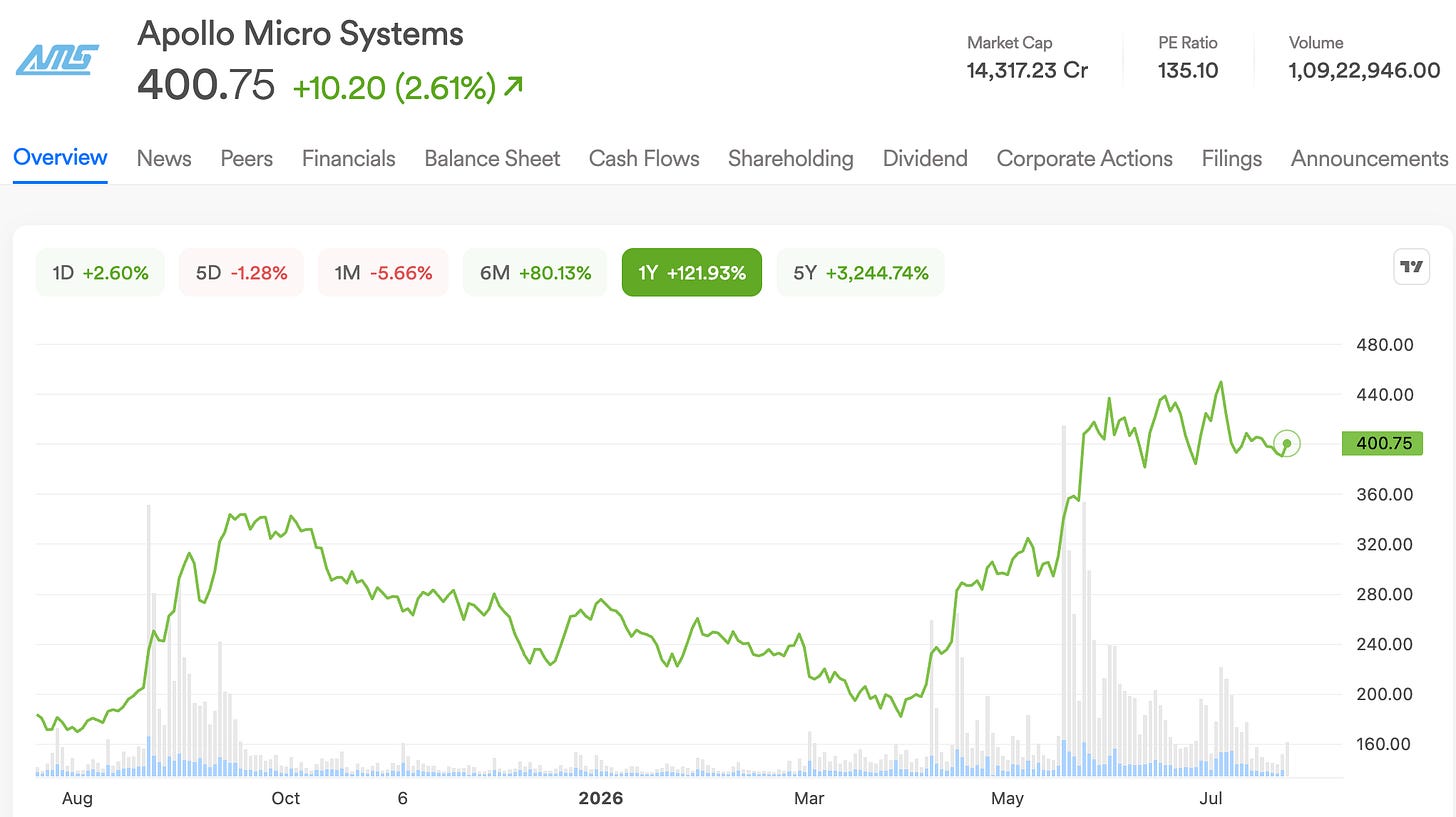
Apollo Micro Systems gained over 2% after winning a key Indian Navy project that marks its entry into autonomous underwater defence systems.
The deets: the company has received a Make-II Prototype Sanction Order (PSO) from the Indian Navy to develop SAVIOR-ASW, an unmanned semi-submersible vessel designed for intelligence gathering and anti-submarine warfare.
What is Make-II: the order comes under the government’s Make-II defence programme, which encourages Indian companies to build advanced military equipment locally.
Make-I vs Make-II: if the Bharat Forge project aligns with the government’s Make-I vision of developing defence technologies with government support, Make-II works differently.
Here, companies build prototypes using their own investment. If the military is satisfied with the prototype, it can place production orders later.
4. Chip race is heating up 🥵
Paras Defence’s subsidiary, Paras Semiconductors, will invest ₹6,200 crore to set up a semiconductor packaging and testing facility in Madhya Pradesh’s Indore-Ujjain region.
The facility will package, assemble and test semiconductor chips.
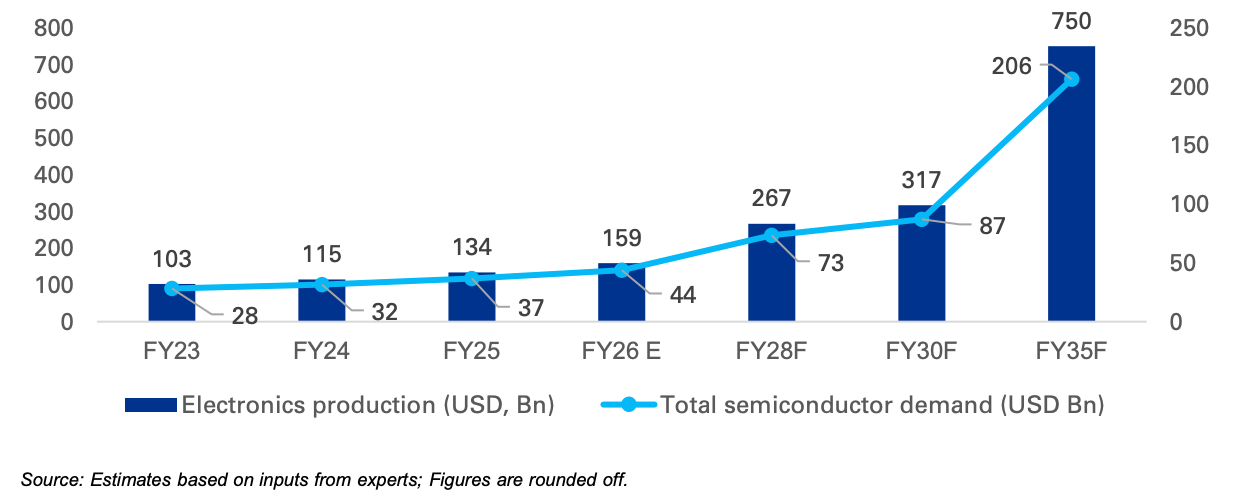
Why it matters: the global semiconductor market is expected to exceed $1.5 trillion by 2035, while India’s chip market is projected to reach around $200 billion.
As demand rises across electronics, EVs, telecom and defence, Paras Defence is positioning itself to be part of India’s growing chip ecosystem.
5. UPI is going global 🌍
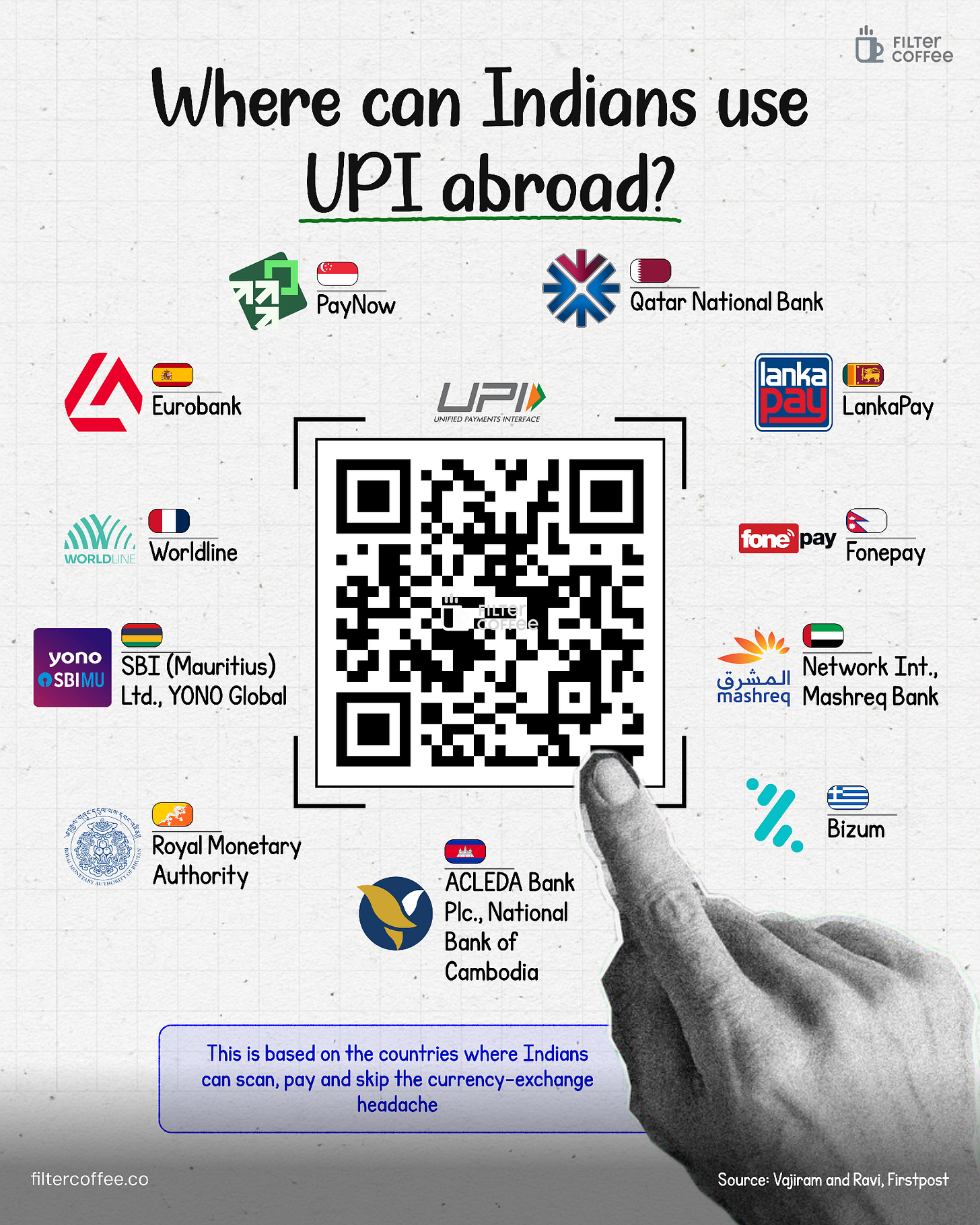
Did you know? UPI is now accepted in countries like Singapore, Nepal, Sri Lanka, the UAE, Greece and Cambodia through local payment networks.
What began as India’s answer to digital payments is quietly becoming one of the country’s biggest technology exports.
6. Why do India’s factories struggle to retain workers? 🏭
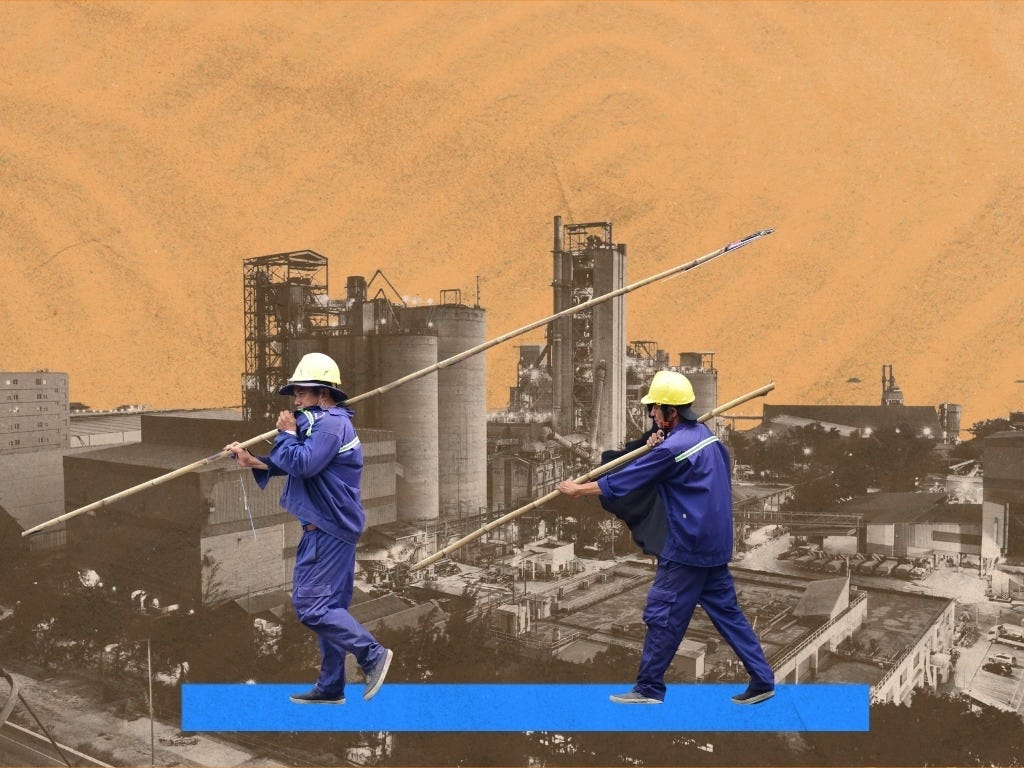
India is building more factories than ever. Apple suppliers are expanding. Foxconn is investing. Billions of rupees are flowing into manufacturing.
Yet one statistic tells a very different story: more than 51% of contractual factory workers leave within their first year, according to TeamLease.
This isn't just a hiring problem. It affects productivity, training costs, automation decisions and, ultimately, India’s ambition to become the world’s next manufacturing hub.
7. Stocks that kept us interested 🚀
What went up ⬆️
💎 BlueStone shares gained 6.5% after it reported a third straight profitable quarter, with revenue rising 49% and a ₹6 crore profit.
⚡️ Data Patterns shares rallied 12% for a second straight session after it emerged as the lowest bidder for HAL’s ₹1,300 crore project.
📈 M&M Financial Services shares jumped 8% after the company projected a medium-term net interest margin (NIM) of around 7%.
💸 Canara Robeco Asset Management shares zoomed 13% after reporting a 24% year-on-year jump in Q1.
💰 Bajel Projects rose 4% after the company formalised an agreement to build two 500 kV transmission line sections in Egypt.
What went down ⬇️
🫡 IndiaMART shares fell 5% after Q1 results met estimates, but a third straight decline in paying subscribers weighed on sentiment.
📉 Bharat Coking Coal tumbled nearly 7% after reporting a Q1 net loss and lower coal offtake during the quarter.
🛬 IndiGo shares slipped 3.5% as crude oil climbed above $92 per barrel, raising fuel cost and competition concerns.
🏥 MedPlus Health fell nearly 13% after it reported a 21% year-on-year decline in Q1 profit despite revenue growth.
What else are we snackin’ 🍿
⚙️EV partnership: Sona Comstar and Japan’s DENSO formed two joint ventures to develop and manufacture electric and hybrid powertrain systems for the Indian market.
🏢 Demerger plan: Anant Raj will demerge its data centre business into a separate listed company to accelerate the vertical’s growth.
That’s a wrap! Don’t let the weekday blues get to you