
 Newsletter

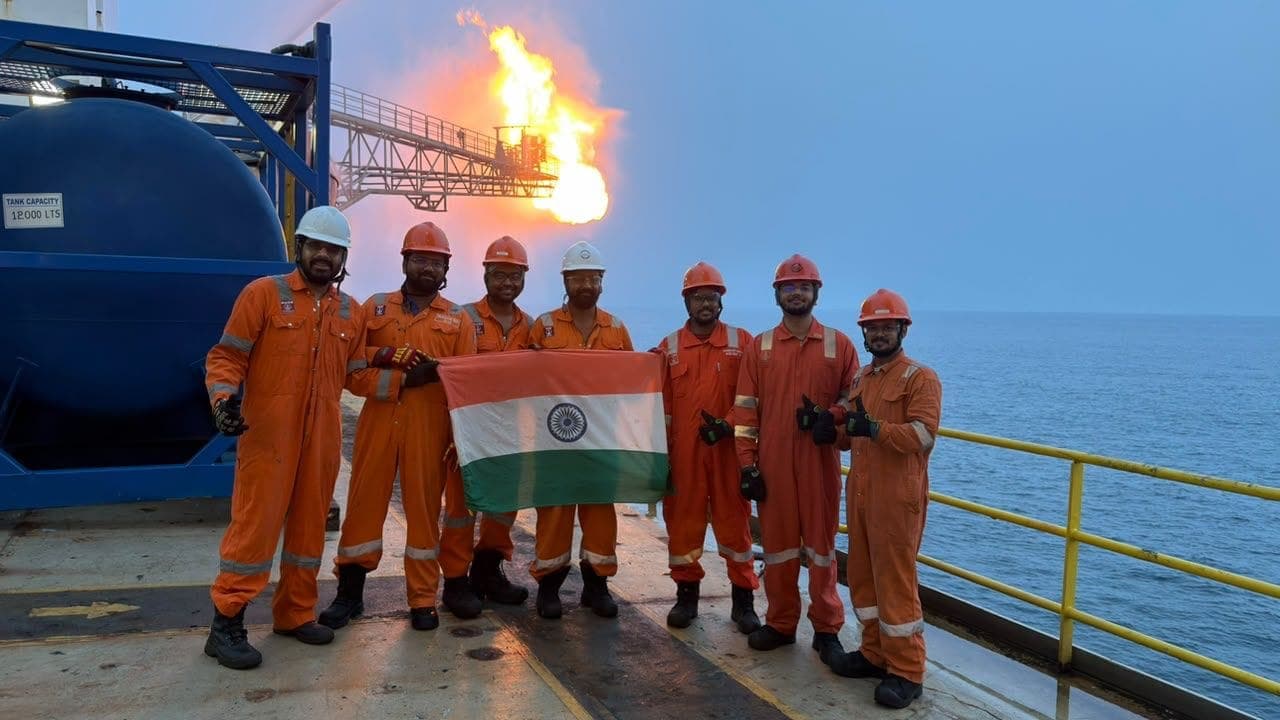
India wants to produce more of its own oil and gas instead of relying heavily on imports. To make that happen, the government has approved the ₹84,000 crore Samudra Manthan scheme, one of the country's biggest pushes towards deep-sea oil and gas exploration.
Before we get into the details, let's understand why this matters.
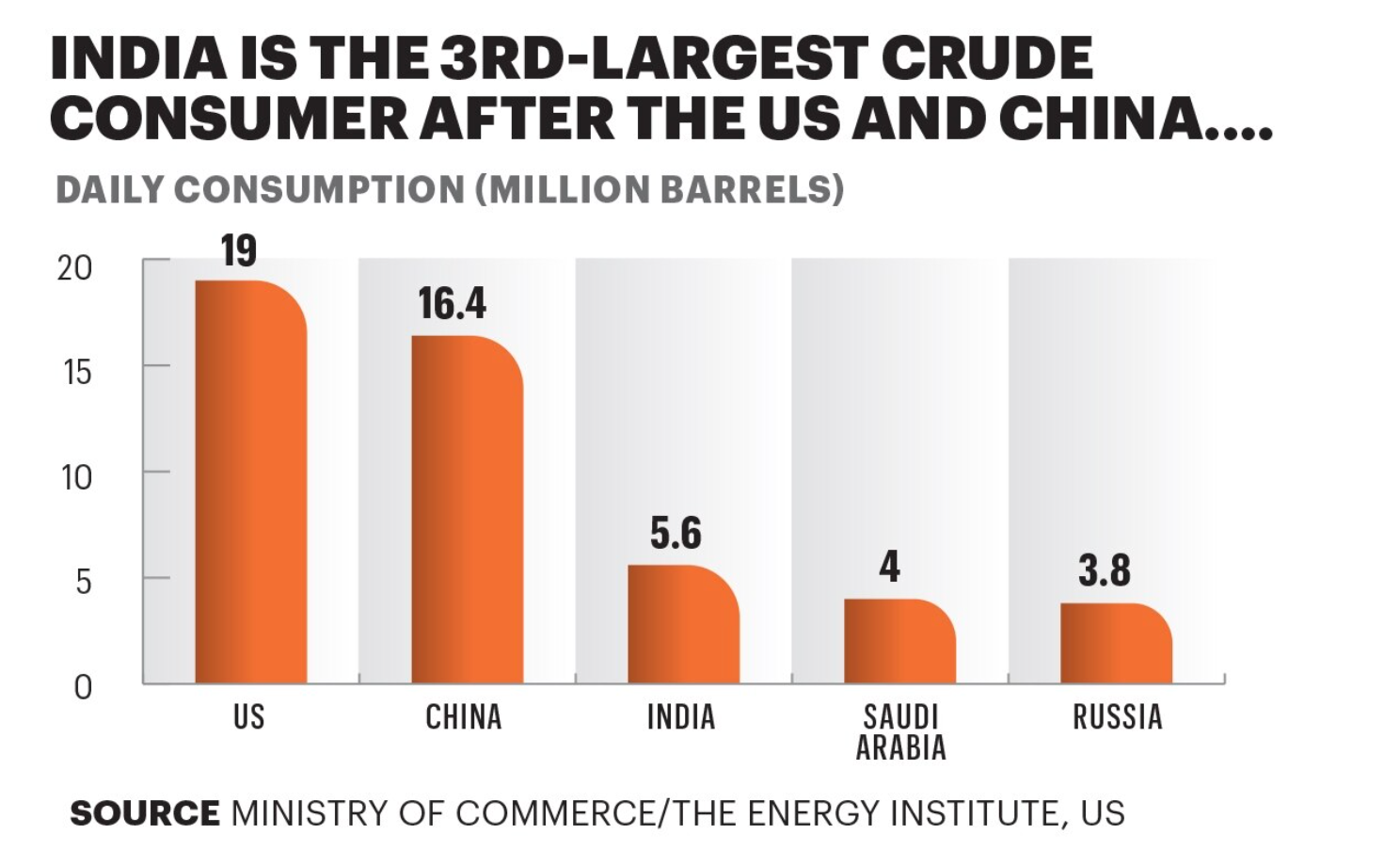
India is the world's third-largest consumer of crude oil and spends nearly $144 billion (around ₹13 lakh crore) every year importing it.
Recent geopolitical tensions have shown how quickly global energy supplies can be disrupted. For a fast-growing economy like India, reducing dependence on imported energy isn't just about saving money. It's also about strengthening energy security.
With India's energy demand expected to rise steadily over the coming decades, increasing domestic oil and gas production has become a strategic priority.
Over the next five years, the government plans to:
- Acquire modern seismic data across India's offshore basins to identify untapped reserves.
- Drill 60 deepwater and ultra-deepwater exploration wells, with the government funding up to 50% of eligible drilling costs.
- Build common offshore infrastructure to help commercialise discoveries faster.
- Set up oil and gas manufacturing and services zones to boost domestic production of critical equipment.
The largest allocation, ₹43,200 crore, has been earmarked for drilling the 60 exploration wells. Financial support will be available to ONGC, Oil India and private explorers.
According to the petroleum ministry, the scheme is expected to add 600 million tonnes of oil equivalent (MTOE) to India's hydrocarbon reserves and increase annual domestic oil and gas production by 10-15 MTOE (Million Tonnes of Oil Equivalent).
If successful, India's oil-equivalent production could rise from around 62 million tonnes to nearly 80 million tonnes annually.
While researching this story, I came across something fascinating.
Barely eight years after Edwin L. Drake drilled the world's first commercial oil well in Pennsylvania in 1859, oil was discovered in India.
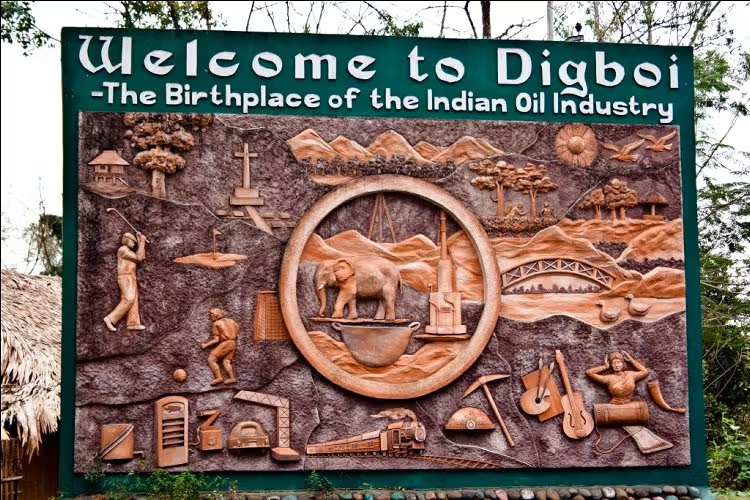
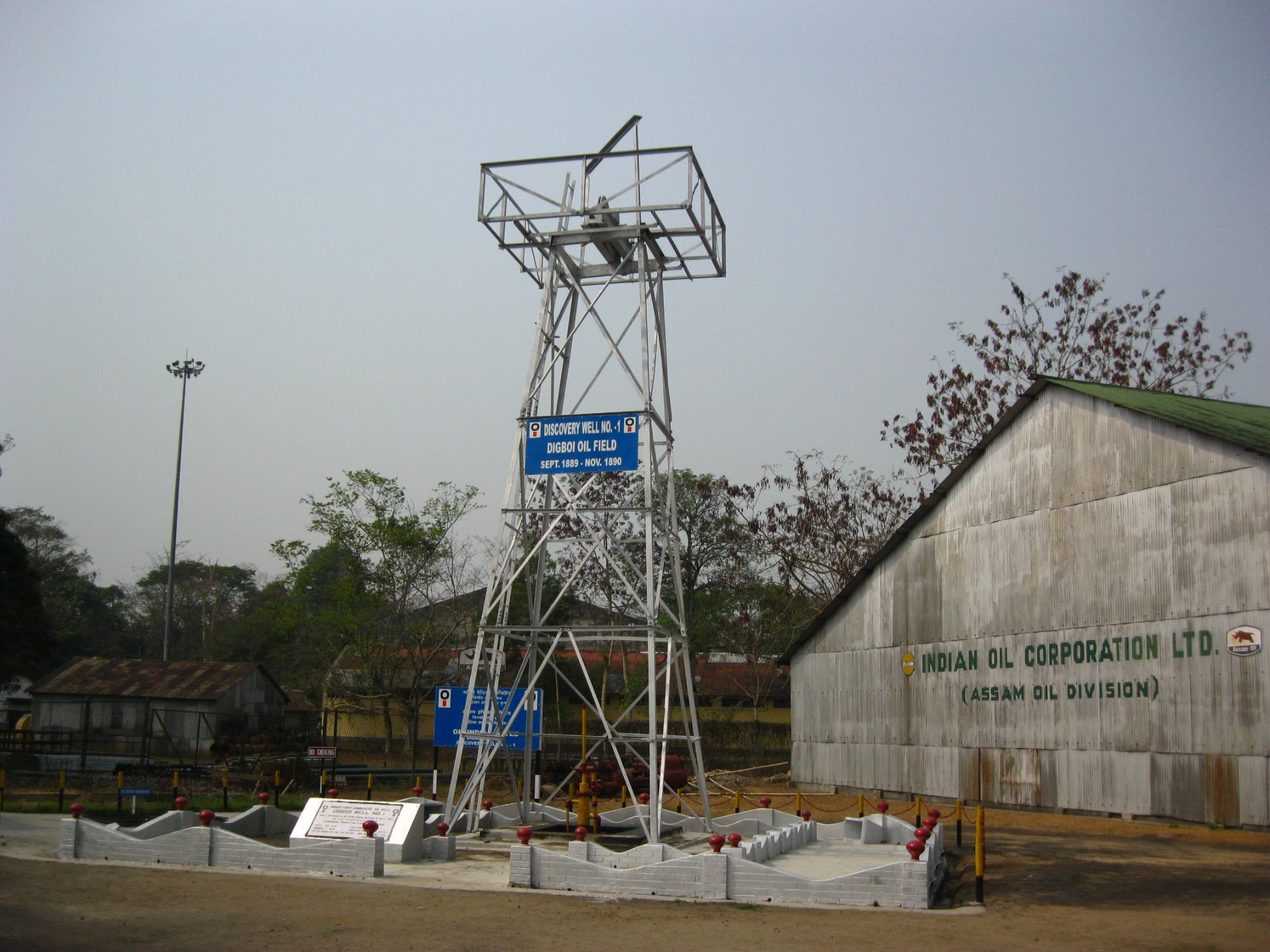
In 1867, a British businessman struck oil near Digboi in Assam, creating Asia's first mechanically drilled oil well.
According to popular legend, Digboi got its name when a British engineer repeatedly shouted, "Dig, boy! Dig!" as workers searched for oil.
So why, more than 150 years later, does India still depend so heavily on imports? Because finding oil and producing it commercially are two very different things.
The first well at Digboi wasn't financially viable and was shut down soon after. Even today, discovering commercially viable reserves remains one of the biggest challenges in the energy industry.
For an oil field to exist, several geological conditions have to align perfectly. There needs to be a source rock that generates hydrocarbons, a reservoir rock porous enough to store them, an impermeable seal to prevent the oil from escaping, and a geological trap that concentrates the oil in one place.
Miss even one of these ingredients, and there is no commercially viable oil field. It's not just geology. Geology is only one part of the problem.
India has explored only around 30% of its estimated oil and gas resources. Domestic production currently meets only about 12% of the country's crude oil requirement and roughly 50% of its natural gas demand.
Deepwater exploration is also among the most expensive and risky forms of energy exploration.
On top of that, India has struggled to attract private and foreign investment for decades. Frequent policy changes in the past reduced investor confidence, while earlier licensing rounds delivered limited success.
Another major challenge is the shortage of offshore drilling rigs.
Indian oil companies typically hire rigs on short-term contracts, making it difficult to secure equipment when global demand rises. The Russia-Ukraine war further tightened the global rig market, making rigs even harder and more expensive to source.
A long-term bet: the Samudra Manthan scheme is India's biggest attempt yet to unlock its offshore oil and gas potential.
Unfortunately, deepwater exploration has a high failure rate, and even successful discoveries can take years before production begins.
But if this scheme delivers, India could significantly reduce its dependence on imported energy, strengthen its energy security and become better prepared for future global supply disruptions.