

 Newsletter
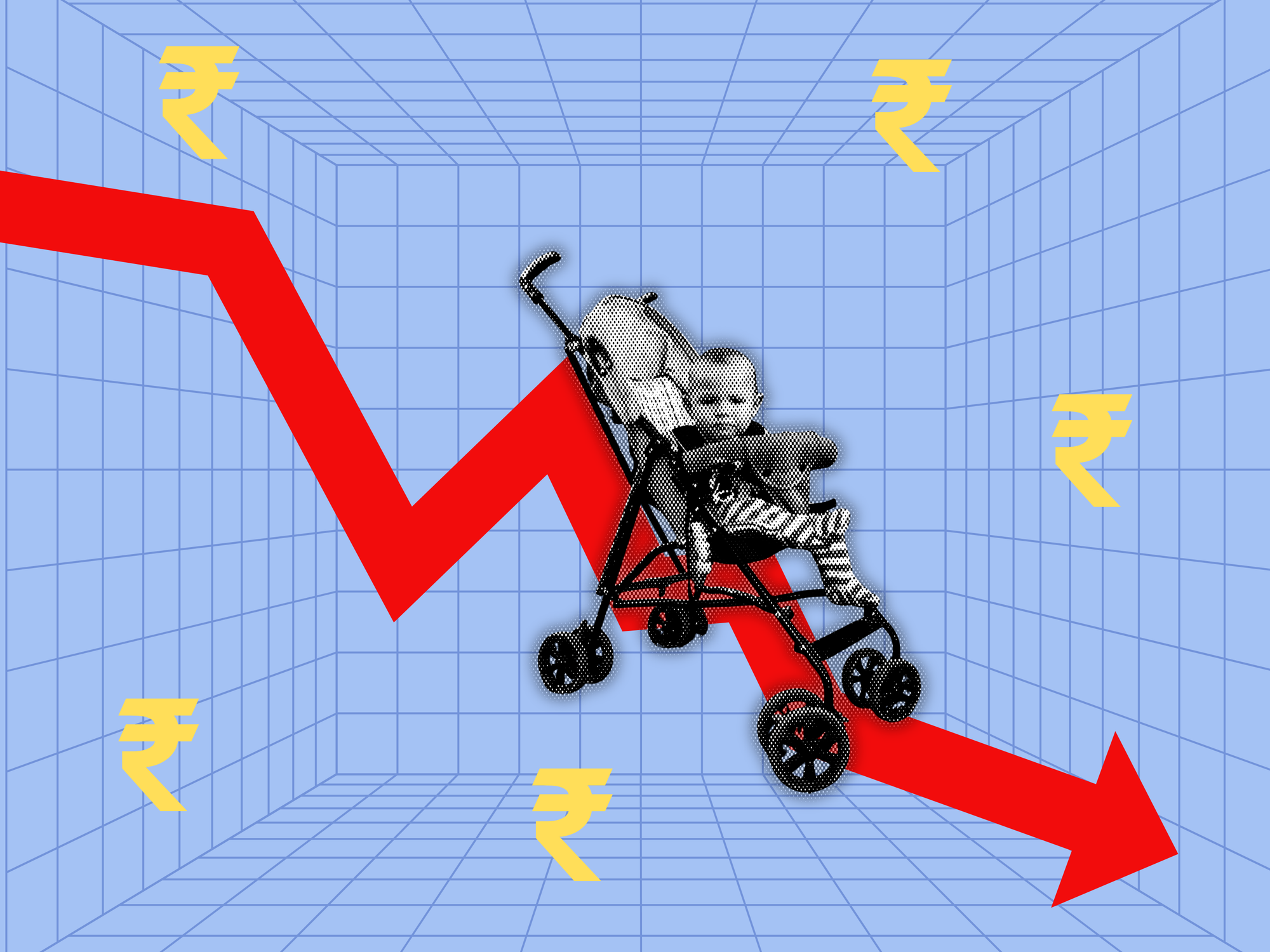
Every Indian family has seen this change.
Our grandparents grew up with five or six siblings. Our parents often had two. Today, many young couples are choosing to have just one child, or sometimes none at all.
It feels like a deeply personal decision. But when millions of families across the country make the same choice, it begins to shape India's future.
That is exactly why this has become one of the country's biggest conversations in 2026.
India's fertility rate has fallen below the replacement level, the number of elderly citizens is rising steadily, and some states have even started encouraging families to have more children. Just a few decades ago, India was focused on controlling population growth. Today, the conversation has completely changed.
It sounds surprising at first. How can a country with more than 1.4 billion people worry about having fewer children? The answer is simple.
A country's future is not decided by its population alone. It is decided by the mix of children, working adults and retirees. For years, India's young workforce gave the country an advantage that many developed nations had already lost. Millions of young people entered the workforce every year, earned incomes, bought homes, started businesses and kept the economy moving.
And that balance is beginning to change.
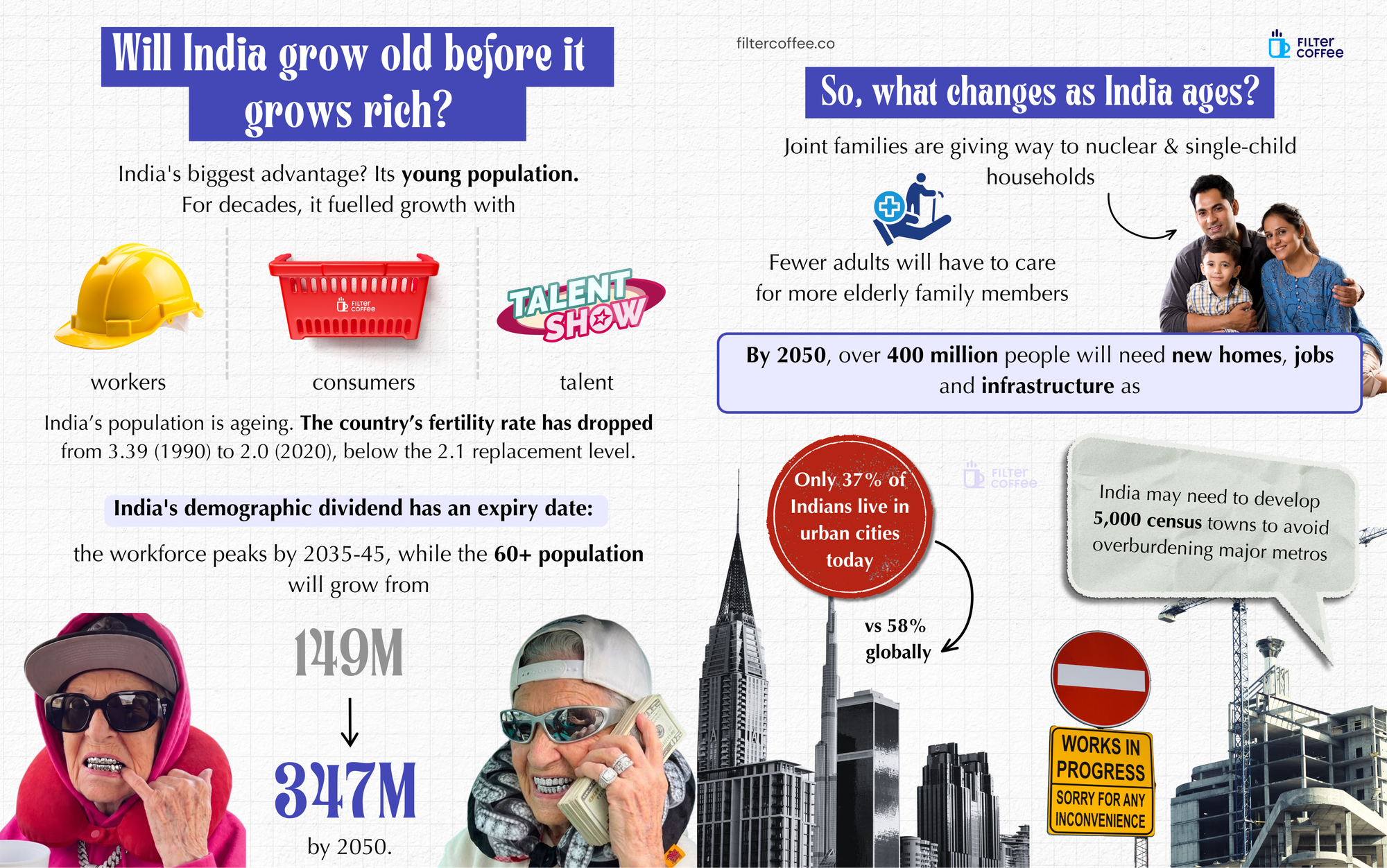
Over the last three decades, Indian families have become smaller. People are getting married later, choosing to have fewer children and living longer than ever before. India's population will continue to grow for many years, but so will the number of older citizens.
Government estimates suggest that by 2036, nearly 230 million Indians could be over the age of 60, more than double the number recorded in 2011.
This shift will slowly change everyday life. Fewer working adults may have to support more ageing parents. Healthcare, retirement planning and elderly care will become far more important than they are today. Businesses that have spent years building products for young consumers may soon find some of their biggest opportunities among older Indians.
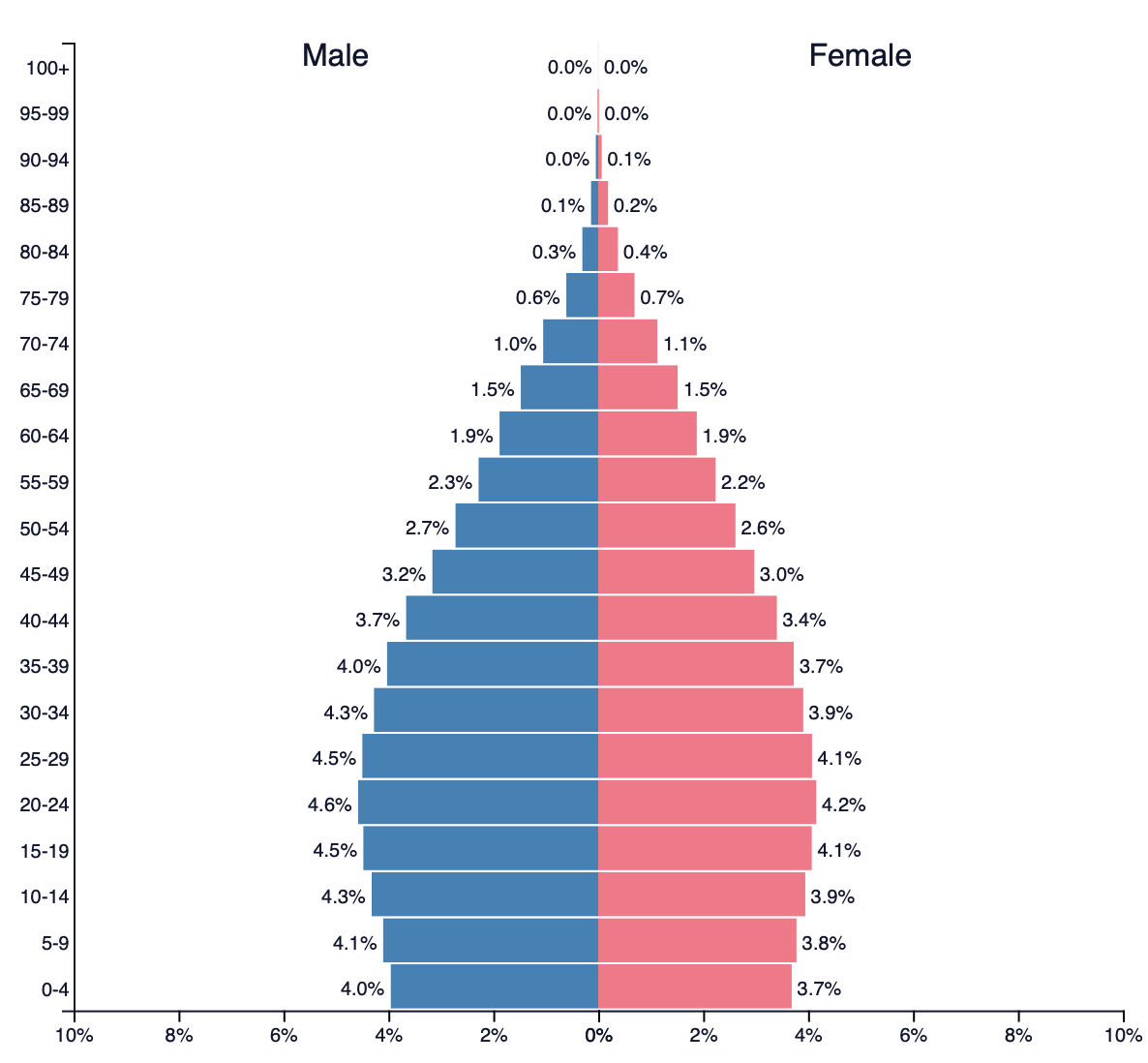
There is another challenge too. India still needs to create millions of quality jobs while improving education, healthcare and skills for its young population. At the same time, more than 400 million people are expected to move to cities by 2050. That means the country will need better housing, transport and public services to keep pace with this transformation.
Some states have already started responding. Andhra Pradesh has proposed incentives for larger families as birth rates continue to fall. It is a remarkable change for a country that once worried about having too many people.
This isn't just another population statistic. It's a shift that will influence everything from jobs and healthcare to housing, businesses and the economy for decades to come.