

 Newsletter
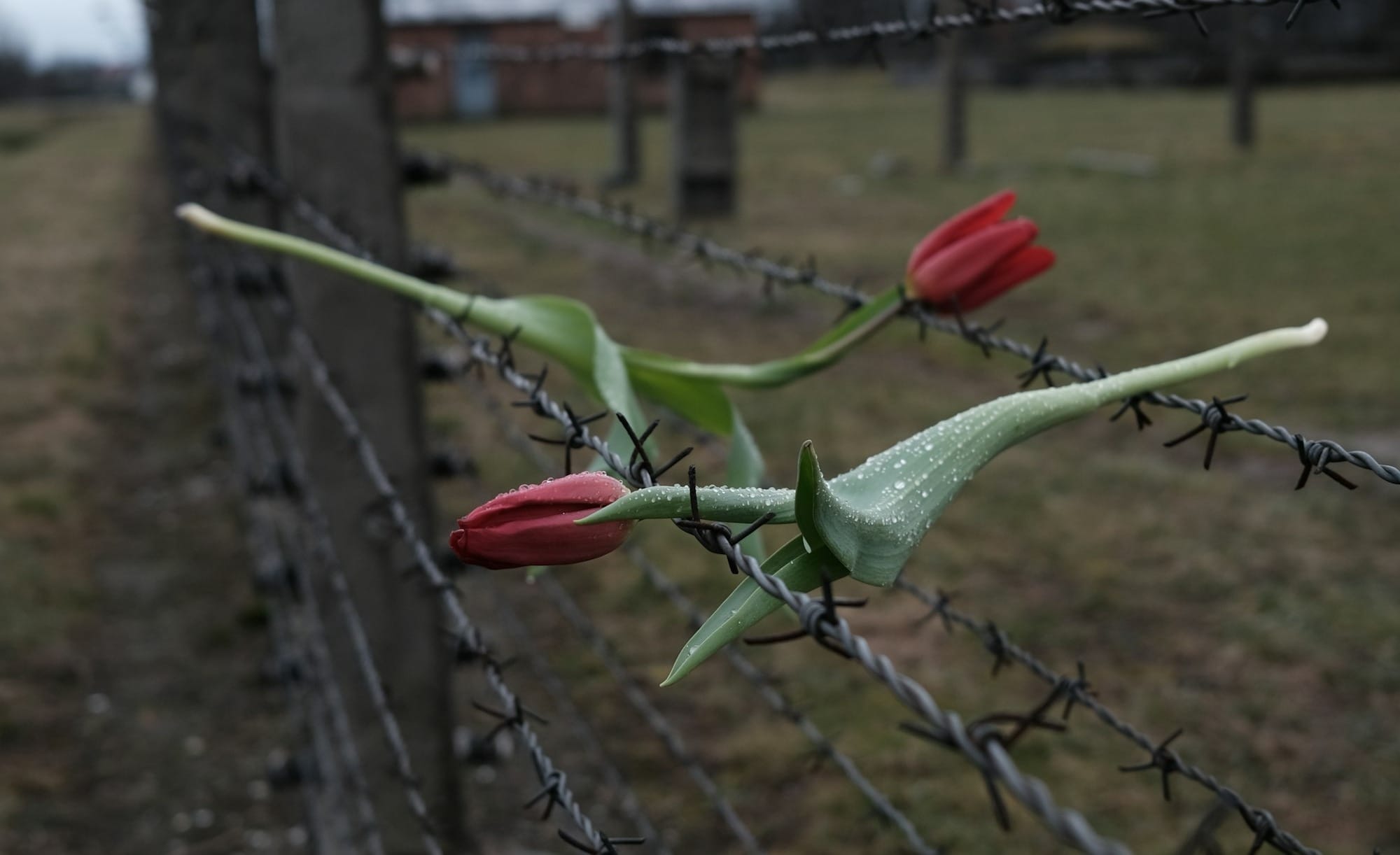
For most of history, people avoided places where terrible things had happened. A house where someone had died was considered unlucky. A street associated with violence was crossed quickly. Families often chose not to even speak about such places, let alone visit them. Today increasingly, places linked to death, disasters and crime are attracting visitors instead of driving them away.
A recent murder investigation at Maharashtra's Lohagad Fort offers a striking example of this shift. The 2,000-year-old hill fort, known for its Maratha history and monsoon treks, reportedly witnessed a sharp rise in visitors after the crime dominated television news and social media.
According to local authorities, holiday footfall increased by nearly 50%, while weekday visitors also rose significantly. Many people were no longer asking about the fort's history or architecture. They simply wanted to see where the incident had taken place.
Police eventually had to restrict access to parts of the fort while the investigation continued. It was an unusual moment where a centuries-old heritage site was suddenly competing with a viral news story for people's attention.
It is tempting to dismiss this as nothing more than morbid curiosity fuelled by social media. But the truth is far more complicated. What happened at Lohagad is part of a much larger global phenomenon that researchers have spent decades trying to understand. It even has a name: dark tourism.
The phrase refers to travelling to places associated with death, disasters, wars, crimes or human suffering. While the term itself was coined only in the 1990s, the behaviour it describes is far older than the internet, television or even modern tourism.
In fact, humans have been drawn towards tragedy for centuries.
Historical records suggest that during the American Civil War, civilians would gather on nearby hills to watch battles unfold from what they believed was a safe distance. Public executions across Europe attracted thousands of spectators. Ancient Romans filled amphitheatres to watch gladiators fight to the death.
None of these people travelled because they enjoyed suffering. They travelled because human beings have always been curious about extraordinary events that sit outside ordinary life. What has changed today is not the instinct itself. It is the speed and scale at which information travels.
A century ago, it took years for places connected with tragedy to become part of public memory. Today, it can happen within hours. A major incident is reported across news channels, clips begin circulating on Instagram and YouTube, maps identify the exact location, and thousands of comments speculate about what happened. Within days, people who had never heard of that place suddenly know exactly where it is. Social media has effectively turned geography into content. The result is a new kind of tourism where destinations are sometimes created not by history, but by algorithms.
This shift becomes even more fascinating when you look beyond India. Some of the world's most visited places are deeply connected with painful chapters in human history. More than 4 million people visit Pompeii in Italy every year to walk through the remains of a city destroyed by the eruption of Mount Vesuvius nearly 2,000 years ago.
Around 2 million visitors travel annually to the Hiroshima Peace Memorial Museum in Japan, where they learn about the devastating consequences of the world's first atomic bombing. The Auschwitz-Birkenau Memorial in Poland continues to receive nearly 2 million visitors every year, preserving the memory of the Holocaust. The National September 11 Memorial and Museum in New York has welcomed millions since opening, becoming one of the city's most visited cultural institutions.
At first glance, these places may seem completely different from a recently publicised crime scene. One preserves history while the other follows breaking news. Yet they are connected by the same underlying question. Why do people willingly travel towards places associated with tragedy instead of away from them?
Psychologists say the answer has surprisingly little to do with violence itself. One of the most widely discussed explanations is something called Terror Management Theory.
Despite the intimidating name, the idea is straightforward. Human beings are uniquely aware that life is temporary. That awareness creates an underlying fear that most of us rarely acknowledge in everyday life.
Visiting places connected with death allows people to confront that reality in a controlled environment. It offers a way of engaging with mortality without actually facing personal danger. Studies suggest that many visitors leave such places not feeling depressed, but with a greater appreciation for life itself.
There is another reason that is perhaps even more instinctive. Human beings are natural problem solvers. Our brains constantly look for patterns that might help us avoid danger. It explains why drivers slow down to look at accidents despite knowing they should keep moving.
It explains why disaster documentaries consistently attract millions of viewers. We want to understand what happened because, at a subconscious level, we believe that understanding danger might help us avoid it ourselves.
Researchers often describe this as a survival mechanism rather than simple curiosity.
This is also why true crime has become one of the fastest-growing entertainment genres in the world. In the United States, surveys suggest that more than half the population regularly consumes true crime content.
Women account for roughly 73% of true crime podcast listeners, with several studies suggesting they often consume these stories as a way of recognising warning signs and understanding personal safety.
India has witnessed a similar boom. According to Ormax Media, the Action, Crime and Thriller category now accounts for roughly 43% to 47% of all new content released across major streaming platforms. Crime dramas and documentaries have become some of the strongest subscriber magnets for OTT platforms because they combine suspense, investigation and psychological engagement in a format that audiences keep returning to.
The connection between true crime and dark tourism is closer than it appears. One allows people to experience tragedy through a screen. The other allows them to experience it by standing in the physical space where events unfolded. In both cases, people are engaging with difficult subjects from a position of complete safety. Researchers often describe this as controlled exposure. It allows individuals to experience fear, sadness or anxiety without facing any actual risk, creating an emotional experience that many people find both unsettling and strangely compelling.
India occupies a particularly interesting position in this discussion because our relationship with death has always been different from much of the Western world. In many countries, death is hidden behind hospitals, funeral homes and private ceremonies.
In India, it is often woven into everyday life and religious practice. Millions visit Varanasi every year, where cremation ghats stand alongside temples and bustling markets. People travel to Jallianwala Bagh to remember the massacre that changed India's freedom movement.
The Cellular Jail in the Andaman and Nicobar Islands continues to remind visitors of the sacrifices made by freedom fighters. The Kargil War Memorial honours soldiers who lost their lives defending the country. These places attract visitors not because tragedy is entertaining, but because remembering it is considered meaningful.
Ironically, despite having many such destinations, India has never actively promoted dark tourism as a distinct segment. Countries like Poland, Japan and Cambodia have invested in museums, interpretation centres and educational experiences that help visitors understand the historical significance of these places.
In India, these sites are usually promoted under broader categories such as heritage tourism, pilgrimage or history. There is little discussion around the economics of remembrance, even though millions of people visit these places every year and support local businesses, guides, hotels and transport services in the process.
Globally, that economic impact has become impossible to ignore. Industry estimates value the dark tourism market at around ₹3 lakh crore today, with projections suggesting it could approach ₹4 lakh crore by the early 2030s. That figure includes everything from museums and guided tours to hotels, transportation, educational programmes and local tourism infrastructure.
While the market is relatively small compared to mainstream leisure travel, its steady growth reflects a simple reality. People are increasingly willing to travel not just for entertainment, but also for understanding, reflection and emotional experiences that leave a lasting impression.
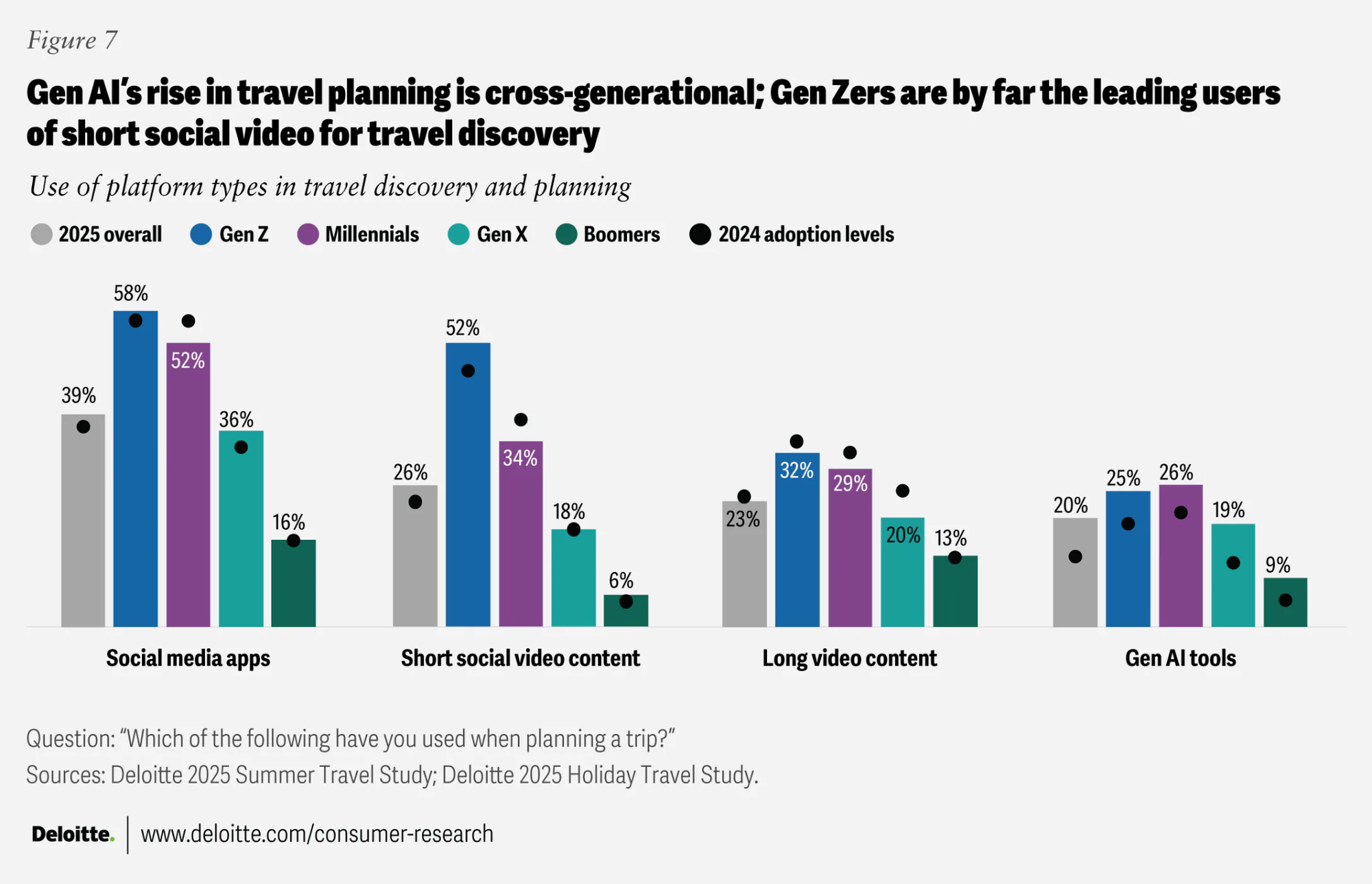
The challenge lies in deciding where curiosity should end and compassion should begin. There is undeniable value in preserving places that remind societies of wars, disasters and injustice. They help future generations understand mistakes that should never be repeated. At the same time, turning recent tragedies into tourist attractions risks reducing real human suffering to another item on a weekend itinerary. The difference often depends not on the place itself, but on why people choose to visit it.
Perhaps that is about how the internet has transformed the way we experience tragedy. Every major event now creates two parallel stories. One belongs to the people directly affected. The other unfolds online, where millions encounter the incident through headlines, videos and social media posts. Sometimes that digital story becomes powerful enough to change how people see a place itself.
For centuries, monuments, museums and memorials shaped our collective memory. Today, algorithms increasingly do the same. The places we choose to visit, the stories we choose to remember and the reasons we choose to go there are all changing. Dark tourism is no longer just about history. It is becoming a mirror that reflects how modern society consumes information, processes grief and satisfies curiosity in an age where every tragedy can become globally visible within minutes.