

 Newsletter
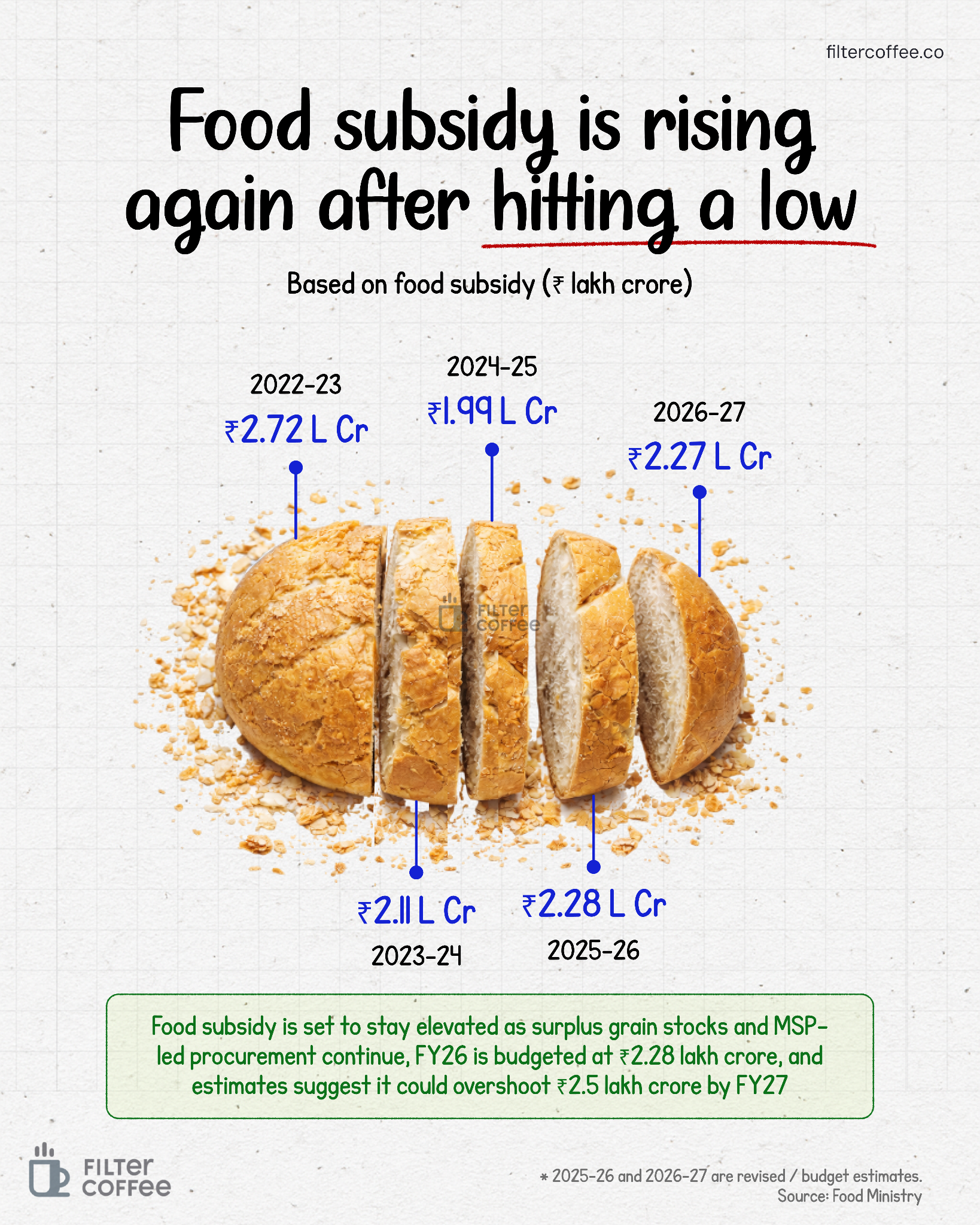
India’s food subsidy bill is rising again.
After dipping to ₹1.99 lakh crore in 2024-25, it is budgeted at ₹2.28 lakh crore for 2025-26, and early estimates suggest it could cross ₹2.5 lakh crore by 2026-27. That is a jump of nearly ₹30,000 crore in just a year, and potentially over ₹50,000 crore from the recent low.
For context, this is larger than the annual budgets of many Indian states. So what exactly is going on?
At the centre of this story is grain. A lot of it.
India’s food subsidy exists because the government buys wheat and rice from farmers at a guaranteed Minimum Support Price, stores it through the Food Corporation of India, and then distributes it at highly subsidised rates under the National Food Security Act.
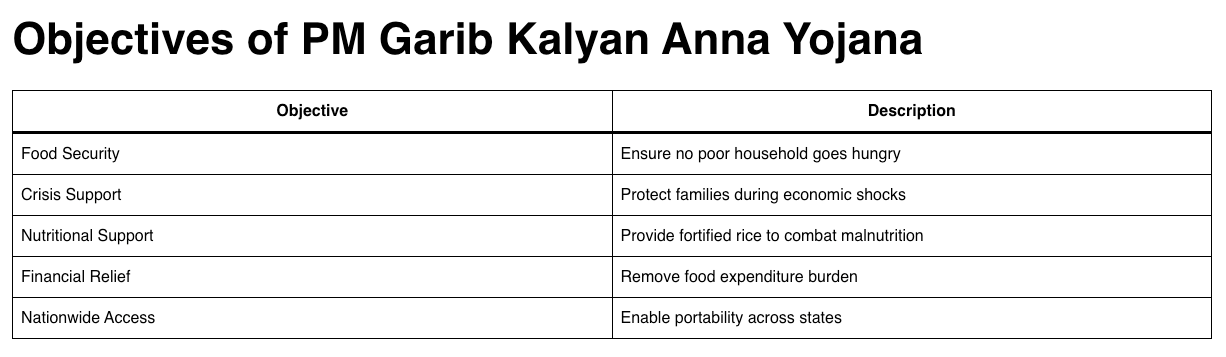
Since 2023, under the extended Pradhan Mantri Garib Kalyan Anna Yojana, nearly 80 crore people receive 5 kg of food grains every month free of cost.
But the grain itself is not free for the government. It first buys rice and wheat from farmers at the Minimum Support Price. Then comes the cost of storing it in FCI warehouses, maintaining buffer stocks, transporting it across states, and distributing it through the public distribution system.
When you add procurement, storage, transport and handling together, the cost of delivering just 1 kg of rice crosses ₹35. Wheat, too, becomes significantly more expensive once these logistics are factored in.
Under the current scheme, beneficiaries pay nothing. Which means the entire ₹35 per kg effectively becomes a food subsidy borne by the government.
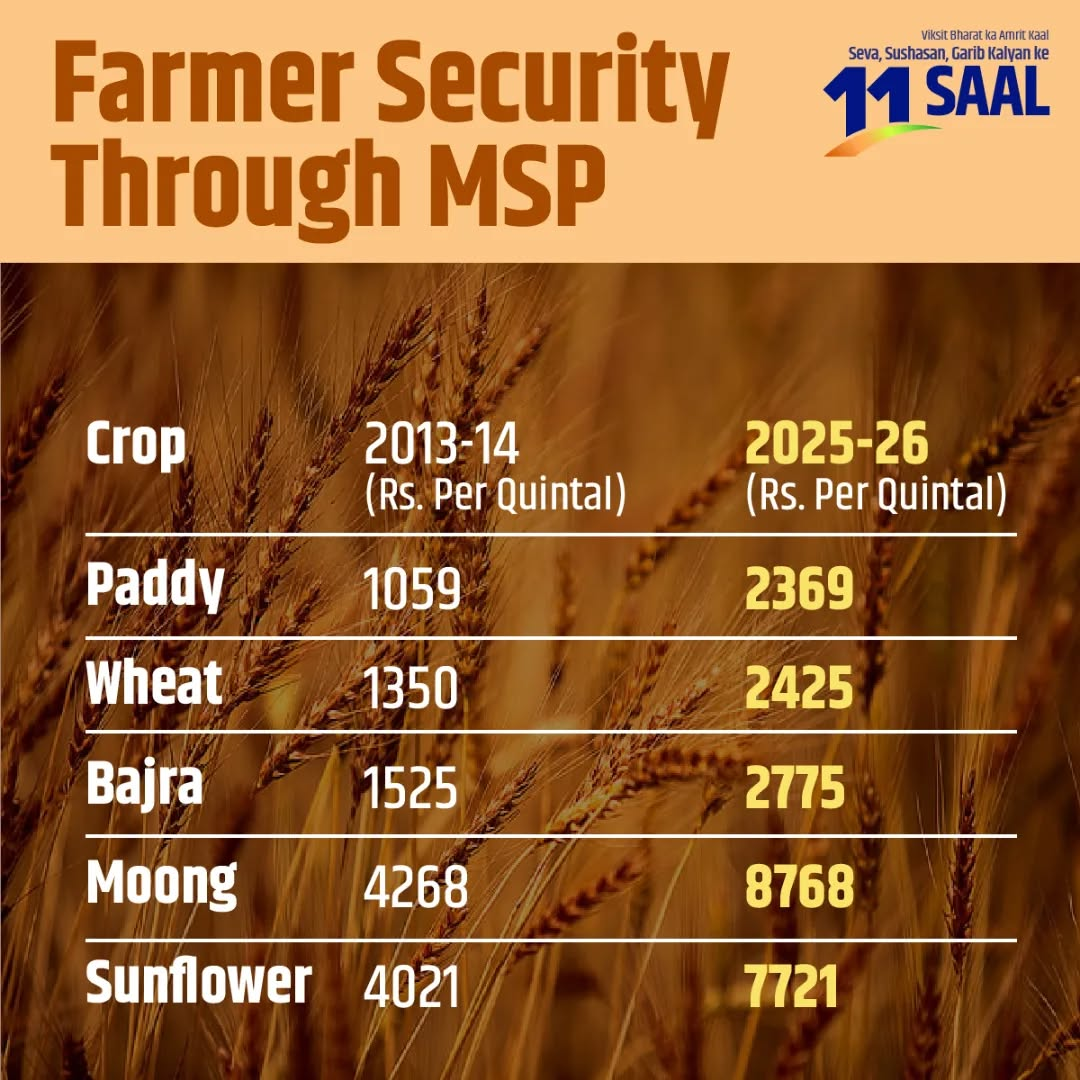
MSP (Minimum Support Price) is the minimum price at which the government promises to buy crops from farmers.
If market prices fall below this level, the government still buys the crop at the announced MSP. This protects farmers from price crashes and guarantees them a basic income for their produce.
Between 2020 and 2022, food subsidy ballooned beyond ₹4 lakh crore in peak pandemic years. It then normalised. By 2024-25, it had come down to ₹1.99 lakh crore. That decline was partly because of adjustments in accounting practices and partly because earlier arrears to FCI were cleared. But structurally, the pressure never disappeared.
In 2025-26, the budgeted figure climbs back to ₹2.28 lakh crore. Why?
Because procurement remains aggressive. The government continues to buy wheat and rice in large volumes because MSP keeps rising. For the 2026-27 marketing season, MSP for wheat has been raised again.
Pulses and oilseeds also saw increases. MSP hikes are politically and economically sensitive. They aim to protect farmer incomes. But higher MSP means the procurement price rises every year. That automatically pushes up the subsidy burden.
Secondly, India is sitting on more grain than it officially needs. The government has set buffer norms, which means it must maintain around 411 lakh tonnes of wheat and rice combined at specific times of the year.
But in many months, actual stocks are far higher than this minimum requirement. When grain piles up beyond what is needed, it adds up to storage and maintenance costs. More stock simply means more carrying costs for the government.
All of this adds to the subsidy bill.
Third, the free grain scheme has effectively locked in a high baseline expenditure. Distributing 5 kg per person per month means annual distribution of nearly 480 lakh tonnes of grain. Even if procurement slows, distribution commitments remain fixed.
Food subsidy is one of the largest components of India’s revenue expenditure, alongside interest payments and defence. At ₹2.28 lakh crore, food subsidy alone accounts for roughly 6-7% of total Union government expenditure. If it rises toward ₹2.5 lakh crore, that ratio climbs further.
But the story is more about policy tradeoffs than rising costs.
On one side is food security. India still has significant poverty and nutritional vulnerability. The National Food Security Act covers about two-thirds of the population. In periods of inflation or rural distress, free grain acts as a consumption stabiliser. In fact, retail food inflation has often been volatile due to vegetables and pulses. Having a stable cereal distribution system provides some cushion to households.
On the other side is efficiency. Critics argue that high procurement leads to overstocking, distorts crop patterns toward rice and wheat, and discourages diversification into pulses or oilseeds. India spends lakhs of crores subsidising cereals while simultaneously importing edible oils in large volumes. That imbalance raises long-term sustainability questions.
Globally, India’s food subsidy structure is unusual in scale. Very few countries operate a cereal procurement and distribution system covering 80 crore people at near zero price. This scale makes even small percentage changes in cost translate into tens of thousands of crores.
Looking ahead to 2026-27, the risk of crossing ₹2.5 lakh crore depends on three variables. One, MSP increases. If MSP continues rising at 5 to 7 percent annually, procurement cost escalates. Two, stock levels. If output remains strong and procurement high, carrying costs expand. Three, continuation of free distribution without partial cost recovery.
If any of these intensify simultaneously, subsidy overshoot becomes likely.
But there is also a stabilising factor. If open market sales increase and excess stocks are liquidated, carrying costs may moderate. If procurement is better aligned with actual distribution needs, buffer pressure may ease. Policy tweaks can influence the trajectory.
The real question is not whether food subsidies will rise next year. It probably will. The deeper question is whether the system can be made more efficient without weakening food security or farmer incomes. That is the layer beneath the headline. And that is the story that will define the next phase of India’s food policy.