
 Newsletter
Every market cycle creates two kinds of winners. The first are the companies that go on to define the next decade. The second are the people who convince everyone they know exactly which companies those will be.
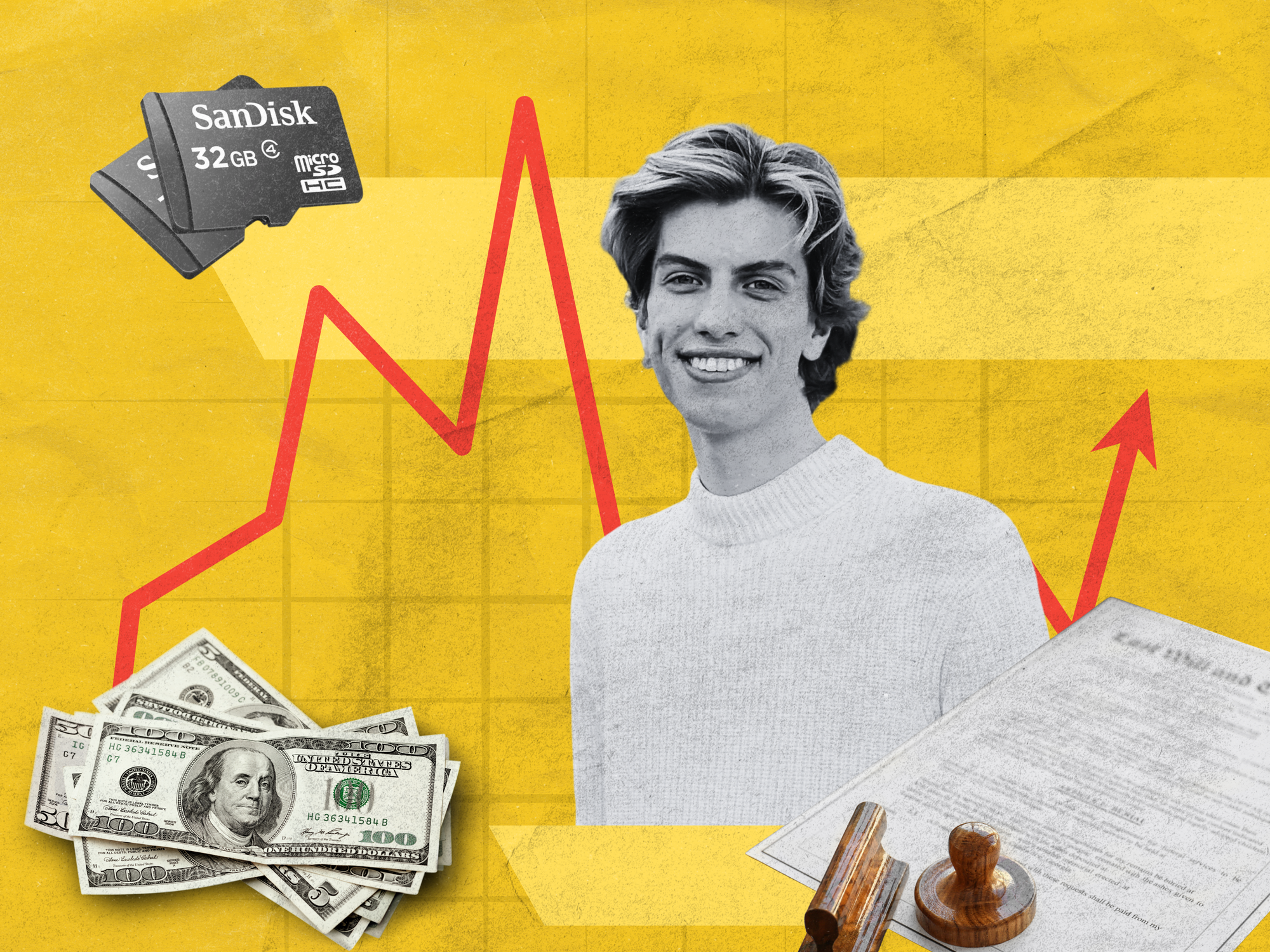
Over the last two years, Leopold Aschenbrenner quietly became one of those people. Long before he managed billions of dollars, he convinced some of the smartest investors in technology that he had a clearer picture of the future than almost anyone else.

A Columbia prodigy who graduated as valedictorian at 19, Aschenbrenner rose through OpenAI's Superalignment team before his 2024 dismissal over an alleged information leak, which he denies.
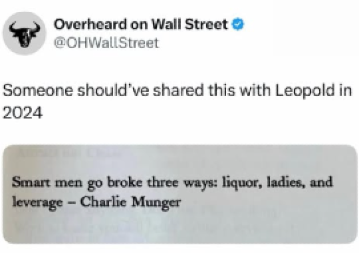
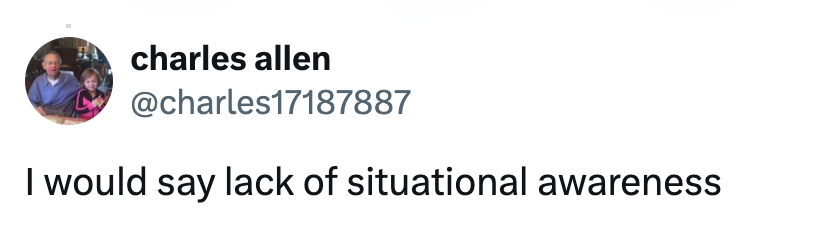
He didn't build a breakthrough AI model or launch the next OpenAI. Instead, he wrote a 165-page essay called Situational Awareness.
Published in 2024, it argued that the world was dramatically underestimating the pace of artificial intelligence and that Artificial General Intelligence (AGI), AI capable of performing most intellectual tasks as well as humans, could arrive as early as 2027.
His thesis was simple: compute, capital and algorithms were improving simultaneously, and whoever won the AI race would gain an enormous economic and geopolitical advantage. The paper spread rapidly through AI labs, venture capital firms and boardrooms, transforming a relatively unknown OpenAI researcher into one of the industry's most influential voices.
Aschenbrenner turned that conviction into a hedge fund. In early 2025, he launched Situational Awareness, betting that the biggest winners of the AI revolution wouldn't just be chatbot companies but the businesses supplying the industry's backbone, GPU makers, networking firms, memory companies, data centres and power infrastructure. The timing couldn't have been better.
The fund launched with less than $1 billion under management.
Within months it reportedly returned 47% after fees, and as AI stocks continued their historic rally, investor money poured in. By June 2026, reports suggested the fund had generated returns of more than 1,000% since launch, crossed $20 billion in assets under management and attracted prominent backers including Patrick and John Collison, Nat Friedman, Daniel Gross and Jane Street.
His portfolio was heavily concentrated in AI hardware and semiconductor companies, many of which dominate South Korea's KOSPI index. As those stocks rose and fell together, so did the fund.
Just weeks later, estimates put its assets at nearly $45 billion, making the 24 year old one of the fastest rising names on Wall Street. At its peak, the fund had reportedly generated more than $15 billion in profits for investors.
For a while, everything Aschenbrenner had written seemed to be playing out in real time. Hyperscalers kept raising AI spending, demand for compute exploded, and investors couldn't get enough exposure to the sector. His essay had evolved from a prediction into one of the hottest investment theses in the market.
Then the market did what it always does after a period of euphoria. It started looking for reasons to sell instead of reasons to buy.
A sharp correction across AI infrastructure stocks exposed the fund's biggest weakness. To boost returns, the fund had borrowed money to make much larger bets on AI stocks than its own capital would normally allow.
That strategy worked exceptionally well while the market was rising, but when AI stocks started falling, the losses grew just as quickly. In investing, this is known as leverage. Reuters later reported that Situational Awareness Fund suffered a 67% drawdown in July 2026.
To stabilise the portfolio, the fund unwound most of its public equity positions, with Citadel acquiring the majority of those holdings. The transaction allowed the fund to remove all leverage from its books and avoid a deeper spiral.
It wasn't a traditional bailout, but it gave the fund room to reset while retaining significant private investments, including its stake in Anthropic. In a letter to investors, Aschenbrenner admitted, "We let you down this month," while insisting his long-term AI thesis remained unchanged.
What makes this story remarkable isn't the drawdown. Hedge funds lose money every year. But it’s remarkable how quickly an idea became investable. In less than two years, a research paper transformed its author from a former OpenAI researcher into the manager of one of the world's fastest-growing AI hedge funds.
Whether Aschenbrenner's predictions about AI prove right over the next decade is still unknown. But he's already proved something else: in today's markets, a compelling worldview can be just as valuable as a compelling product.
Until the market decides to test both.