
 Newsletter
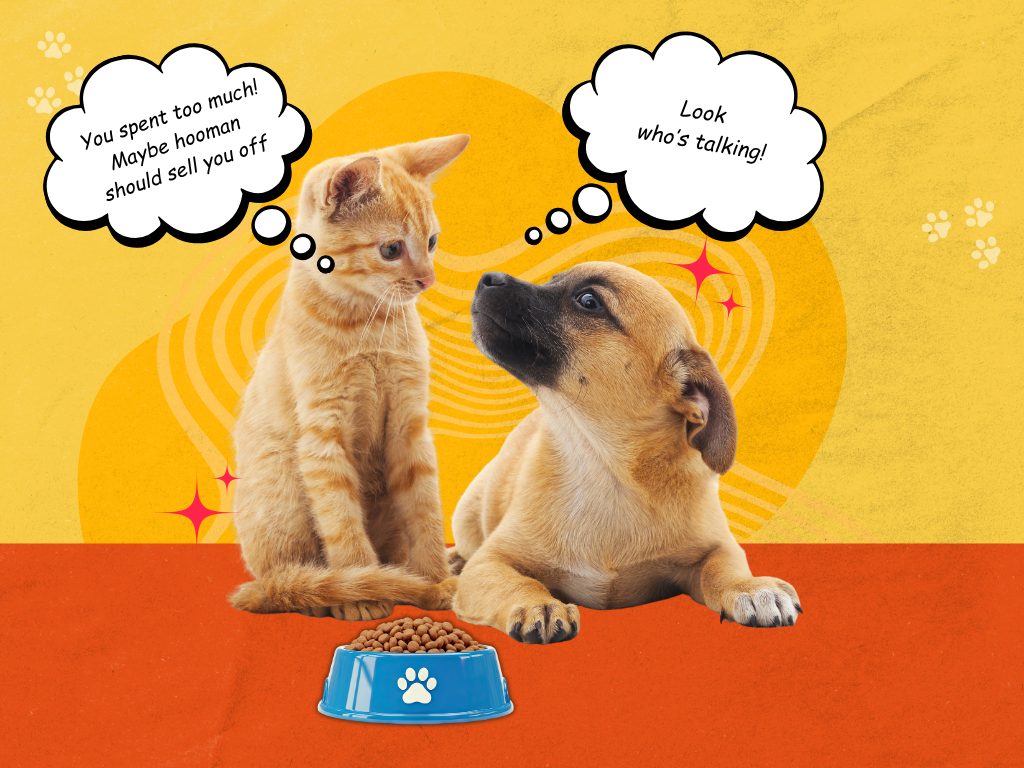
There was a time when having a dog in an Indian household did not require a separate monthly budget.
The dog usually ate what the family ate: roti, rice, milk, maybe eggs or chicken on a good day. Baths happened at home, often with one person holding the dog while another tried not to get soaked. Toys were tennis balls, old slippers and whatever household object the dog had decided now belonged to it. And you went to the vet when something was wrong, not because your Labrador was due for a dental cleaning.
None of this meant we loved our pets any less. There simply wasn’t much of a formal pet economy around them.
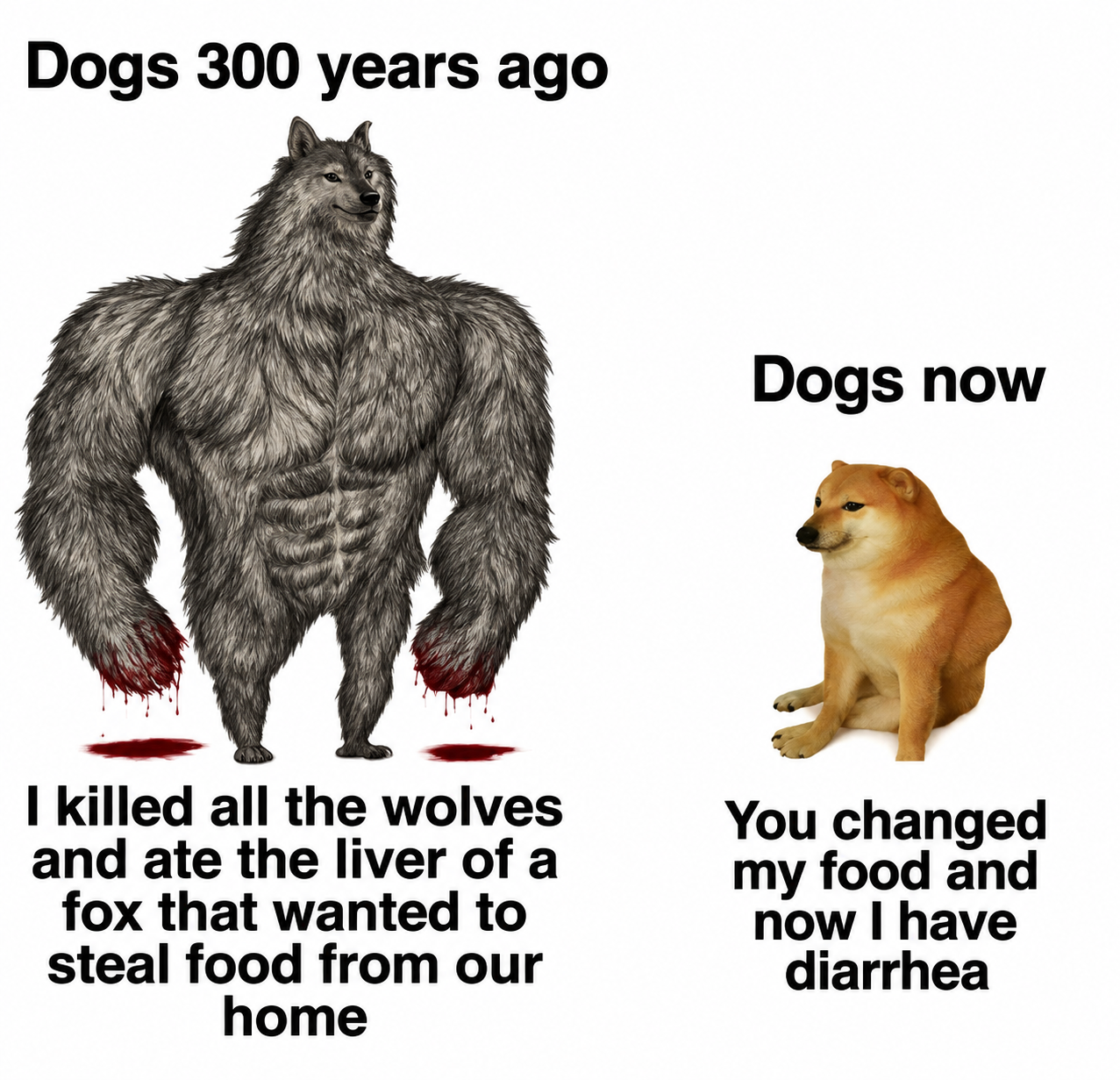
That has changed rather quickly. The same dog can now have puppy food, adult food and senior food, with separate options for its breed, weight and digestive problems. Add probiotics, supplements, dental chews, organic shampoos, paw balms, GPS collars and orthopaedic beds. Then come the walkers, trainers, groomers, daycare centres, pet taxis, boarding resorts and 24-hour hospitals. And if dinner runs out at 11 pm, quick commerce can deliver that too.
Somewhere between the bowl of leftover rice and dog ice cream on Instamart, India created a new consumer.
And the consumer base is growing. India’s pet population rose from about 28.4 million in 2020 to 39.2 million in 2025, according to Euromonitor, and is expected to reach nearly 51.8 million by 2030. Dogs still dominate, with about 33.4 million pets in 2025, but cats are growing faster, rising from 2.4 million in 2020 to 4.5 million in 2025.
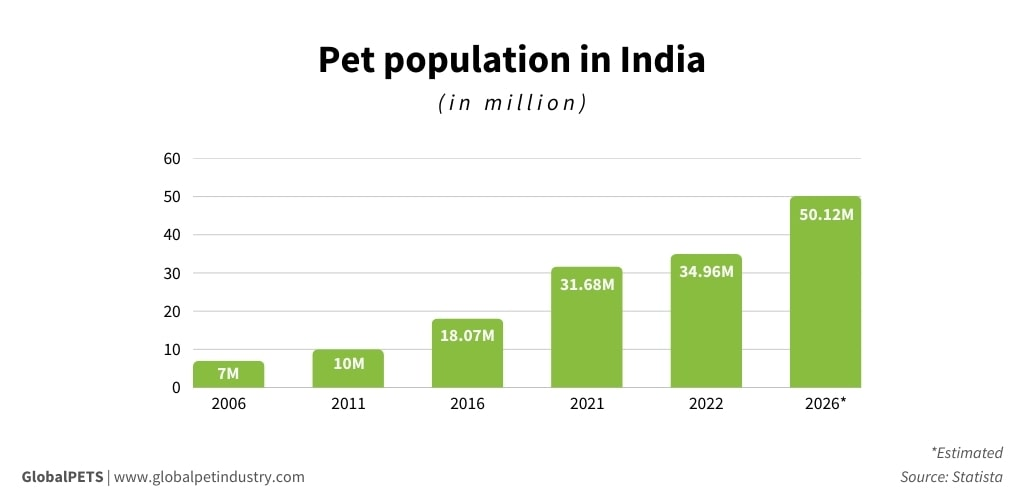
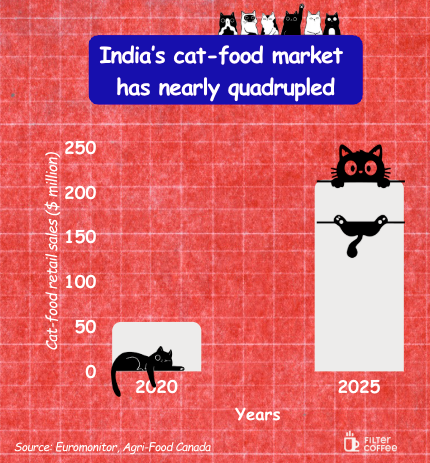
Spending has followed. India’s pet-food market reached around $770 million in retail sales in 2025, more than double the $357.5 million recorded in 2020, and could cross $1.3 billion by 2030.
Dog food accounts for roughly 70% of sales, while cat food grew from $55.2 million in 2020 to $213.9 million in 2025.
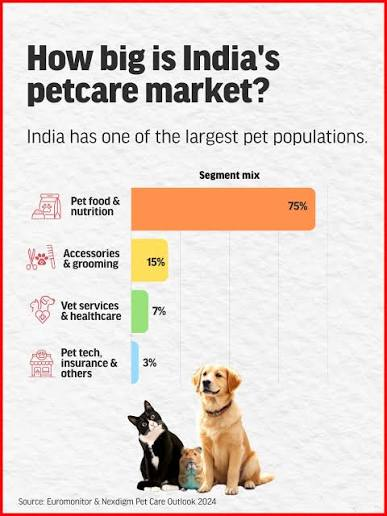
Image credit: yourstory_com | Instagram
Food is where the battle gets serious: For all that growth, commercial pet food still has a lot of Indian kitchens left to enter. Commercially prepared food reaches only around 9% of pet dogs and 27% of pet cats in India. So every household still feeding its dog mostly home-cooked chicken and rice is also a potential customer for a pet-food company.
That’s why the aisle is getting crowded. Mars, through Pedigree and Royal Canin, has long been one of the biggest players, while homegrown Drools has grown into a serious challenger. Nestlé bought a minority stake in Drools in 2025, valuing the company at over $1 billion.
Large FMCG companies are joining them. Godrej launched Ninja, Reliance entered with the lower-priced Waggies, and Wipro launched Snuggles in August 2026 at ₹530 per kg, placing it between mass-market brands and premium players such as Royal Canin.
The opportunity is attracting businesses beyond packaged food too. Bengaluru-based Happy Petcare is trying to build a broader pet-tech ecosystem connecting pet parents with businesses and services, and raised strategic funding from Narayana Health founder Dr Devi Shetty and his family in February 2026.
Pet food itself is beginning to resemble a regular packaged-food category, complete with mass, mid-premium and premium shelves. Dog food ranges from roughly below ₹26 per 100g at the mass end to above ₹60 per 100g at the premium end, while cat food generally sells at a higher price point.
Beyond price, pet parents are paying more attention to protein content, preservatives, ingredient sourcing, allergies, gut health and age-specific nutrition. That has created room for grain-free food, therapeutic diets, supplements and fresh food, while newer brands are increasingly using ingredient transparency as a selling point.
There is one complication though. Many of the people being sold these increasingly specialised products are learning about pet care for the first time themselves. A Mars survey of 1,000 Indian pet parents found that 69% were first-time owners.
So while brands are offering everything from gut-health supplements to breed-specific diets, many customers are still figuring out the basics of food, training, grooming and healthcare. That information gap gives pet businesses a chance to stay involved long after the first bag of food or toy has been sold.
Pet care is moving from retail to recurring care.
Food, grooming, medicines and vet visits repeat throughout a pet’s life, so companies are expanding into more of these categories. Some are building clinic networks and dark stores, while others are bringing healthcare, grooming, boarding, retail and other services onto a single platform.
Quick commerce is making a growing share of those purchases almost frictionless. Swiggy Instamart says pet-care orders increased 41% year-on-year between June 2025 and June 2026 across more than 130 cities. Tier 2 cities grew 96%, grain-free pet-food orders rose 152%, supplements and wellness products increased 42%, and searches for dog shampoo jumped nearly 600%.
Then there is dog ice cream, searches for which rose 245%. One Delhi customer spent ₹60,957 on pet-care products through Instamart in a year.
The growth isn’t confined to the usual Bengaluru-Mumbai-Gurgaon circuit either. Guwahati, Meerut, Madurai and Kottayam were among the cities recording sharp increases in pet-care orders, although some of those percentages come from smaller bases. All 25 of Instamart’s fastest-growing pet-care cities recorded growth above 50%.
Cats are quietly changing the market too: Mars Pet Nutrition India says cats accounted for less than 10% of India’s pet population roughly a decade ago but estimates their share at about 40% today. Cats can fit more easily into smaller urban homes and generally need less outdoor space and activity than dogs.
The spending data captures the change from another angle. Ecommerce’s share of overall pet-food sales also climbed from 17.1% in 2020 to 31.6% in 2025.
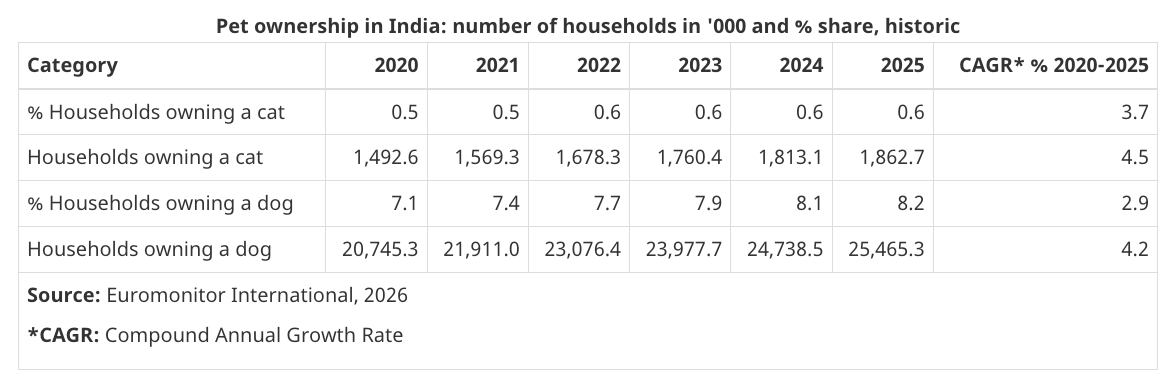
And once people begin spending more on their pets, other categories become easier to sell.
Insurance is one example. Future Generali, Bajaj Allianz, Digit and other insurers now offer pet policies covering combinations of hospitalisation, surgery, mortality and other expenses. Adoption remains limited, but anyone who has dealt with a large vet bill can understand the pitch.
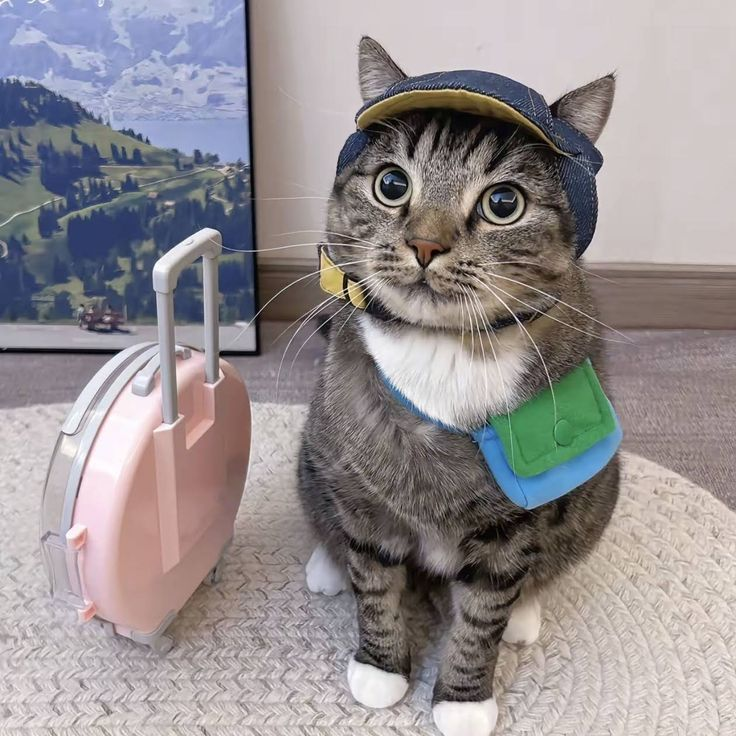
Travel is developing in a similar way. Akasa Air carried its 10,000th pet passenger in early 2026, with dogs accounting for around 60% of the animals it had flown and cats around 40%. Pet-friendly hotels, taxis and boarding facilities are growing around owners who increasingly want to travel with their pets or need reliable care when they cannot.

But the convenience of buying things for pets is developing faster than some of the infrastructure required to care for them. Veterinary access remains uneven, quality varies across grooming, boarding and training, and new nutrition brands are arriving faster than many owners can properly assess their claims.
Most Indian pets still rely heavily on home-cooked food, while organised care remains concentrated among wealthier urban households. But that leaves plenty of room for the industry to grow. Packaged-food penetration remains low, healthcare networks are expanding, insurance is young and organised services are reaching more cities.
The Indian pet has always been part of the family. What’s changing is how much of the family budget is now being built around it.