
 Newsletter
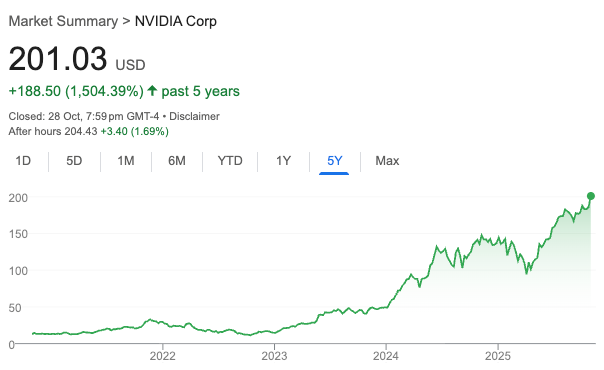
So here’s something no one really saw coming: Nvidia, the $4 trillion chipmaking behemoth that powers nearly every AI model you’ve ever heard of, just wrote a $1 billion cheque to buy a 2.9% stake in… Nokia.
Yes, that Nokia, the once-iconic phone brand that lived in your school bag back when ringtones were a flex. But this isn’t about nostalgia. This is about who gets to build the next generation of the internet and this time, it’s not 5G, it’s 6G.
The deal’s simple on paper.
Nokia will issue 166 million new shares to Nvidia, giving the chipmaker a small but symbolically powerful slice of ownership. But behind that small number is a huge technological leap. Nvidia is effectively wiring itself into the heart of the world’s future telecom networks.
Because as part of the deal, it’ll supply Nokia with a new kind of programmable computer; one that can communicate wirelessly, direct mobile traffic, and run AI processes at the same time. In other words, the kind of brain that could turn every cell tower into a mini data centre.
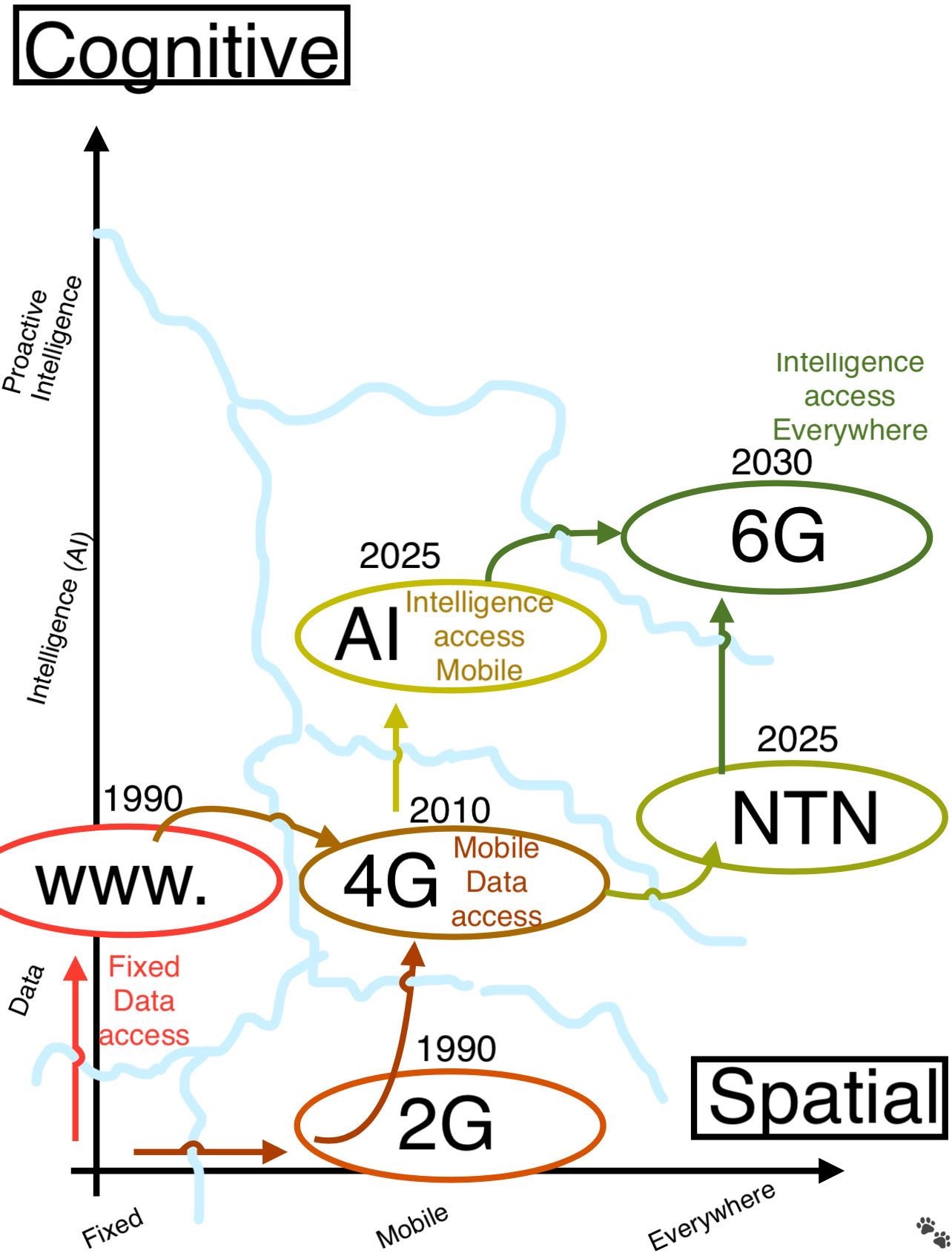
That’s important because the next phase of connectivity isn’t just about faster internet. It’s about networks that think. Nokia’s CEO Justin Hotard — who, fun fact, previously ran Intel’s data centre and AI division, calls this shift a “fundamental redesign of the network.”
The goal is to push intelligence closer to the user. So instead of sending every bit of data back to a faraway server, future 6G systems will process things right where they’re happening. Less lag, more speed, and the ability to run real-time AI services from AR glasses to autonomous drones, directly through the network.
Think about it this way.
Today, when you use ChatGPT on your phone, most of the AI magic happens somewhere in a massive data centre. But tomorrow, that intelligence could sit just a few kilometres away on a nearby tower, powered by Nvidia chips and Nokia software.
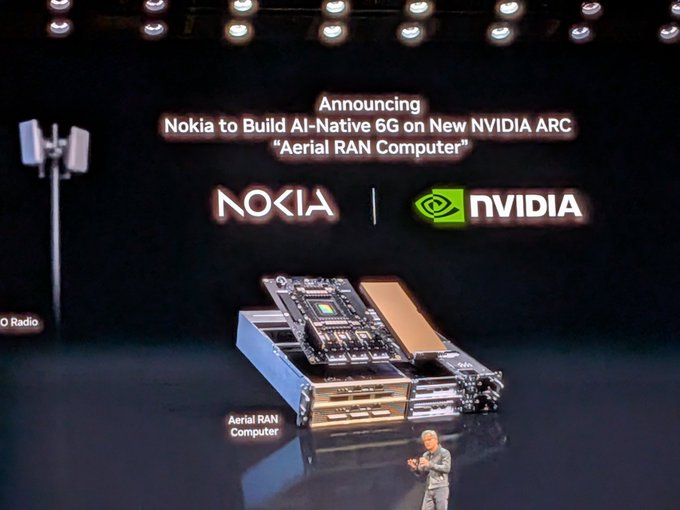
That’s the “AI-RAN” dream; a next-gen version of the radio access network that blends computing power and connectivity into one software-defined system. Nvidia’s new platform, the Aerial RAN Computer Pro (ARC-Pro), will literally let telcos upgrade from 5G to 6G through a software patch.
Future-proofed, plug-and-play AI for telecoms.
If it sounds futuristic, it’s because it is. But there’s also a very strategic undercurrent to this whole story.
Nvidia’s CEO Jensen Huang called it “a generational platform shift that empowers the United States to regain global leadership in telecommunications.”
Translation: for years, Europe’s Nokia and Sweden’s Ericsson have been the only Western suppliers capable of competing with Huawei in network infrastructure. And after years of geopolitical friction, the U.S. hasn’t had much direct influence in this space. This deal changes that.
Nvidia is inserting itself into the core of the global telecom system, helping the West catch up to China’s dominance in 5G hardware.
Moreover, global AI traffic is exploding.
Nearly half of ChatGPT’s 800 million weekly users now access it on their phones, and mobile app downloads have crossed 40 million a month. That’s a mind-boggling amount of AI data trying to move through networks never designed for it. The industry calls it the “AI traffic explosion,” and without smarter networks, even the best AI tools will choke on latency and bandwidth constraints.
Nvidia’s bet on Nokia is really a bet that the world will soon need AI-native networks; ones that can host, accelerate, and monetise all that AI data.
The partnership also ropes in some powerful allies. Dell Technologies will provide its PowerEdge servers (the same ones used in massive data centres) to power Nokia’s new AI-RAN system.
T-Mobile U.S. will begin testing the technology in 2026, making it the first real-world playground for 6G field trials. By 2027, Nokia expects the equipment to start contributing to revenue as full commercial rollout begins. And analysts are already calling this collaboration the turning point for the telecom industry; the moment when radio networks become as intelligent as the devices they serve.
For Nvidia, this is not its first billion-dollar handshake.
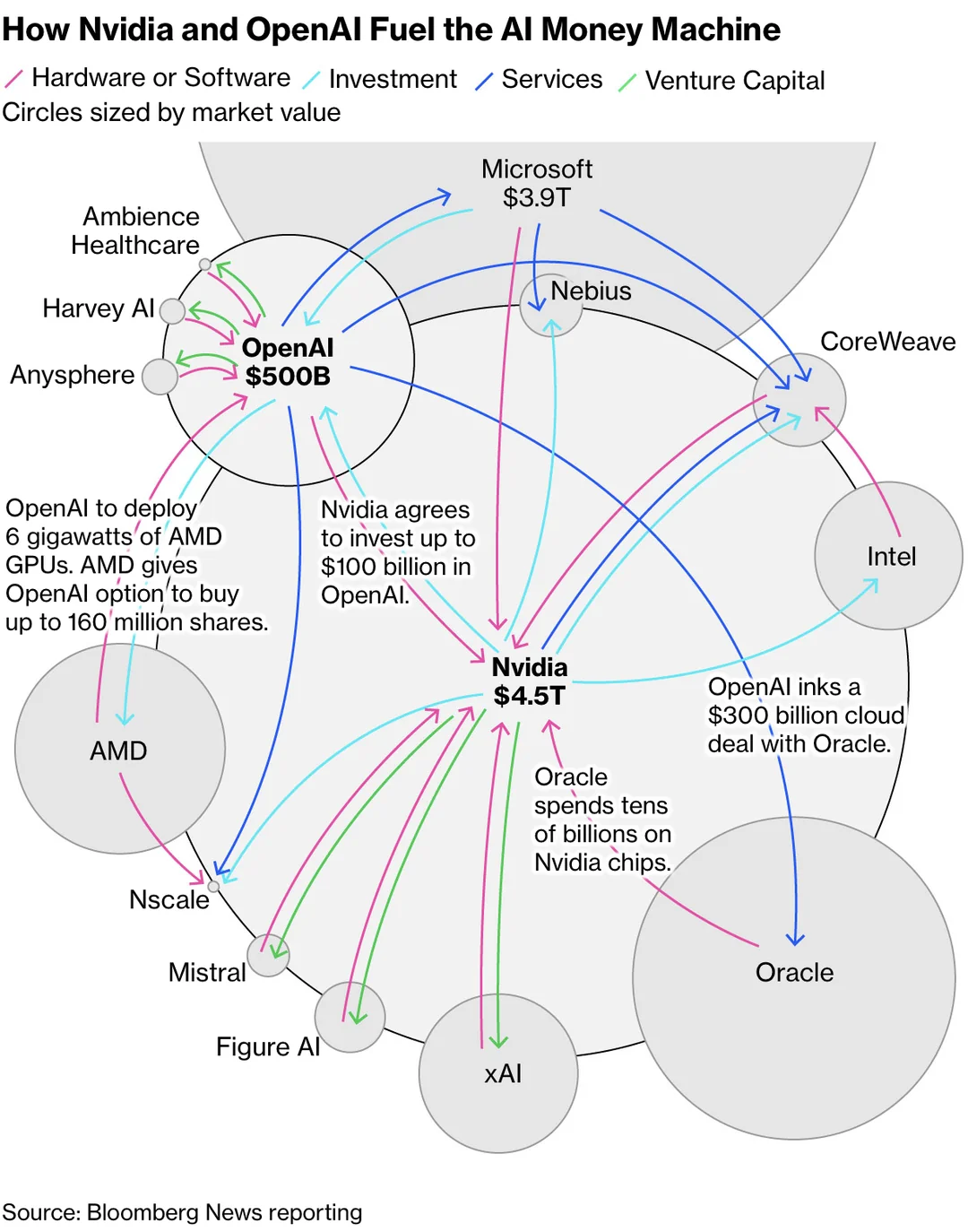
In fact, Huang has been on what can only be called a global investment sprint. Over the past year, Nvidia has pledged $100 billion to OpenAI, invested $5 billion in Intel, $667 million in the U.K. cloud provider Nscale, and hundreds of millions more in startups like Wayve, Oxa, Revolut, and PolyAI. The company is clearly morphing from a chip supplier into a platform orchestrator, someone who doesn’t just sell tools but shapes entire industries.
With Nokia, it’s trying to do the same in telecom.
For Nokia, this is a much-needed second wind. Remember, the Finnish giant that once ruled mobile phones has spent the past decade reinventing itself as a network infrastructure firm. It quietly became one of the only global suppliers that telecom operators trust for everything from 5G radios to optical cables.
In 2024, it even acquired Infinera for $2.3 billion to boost its data centre networking capabilities. Its latest earnings beat Wall Street expectations, and now, with Nvidia’s backing, its relevance just skyrocketed. After all, being the only Western 6G-ready network supplier with Nvidia’s chips under the hood is a serious moat.
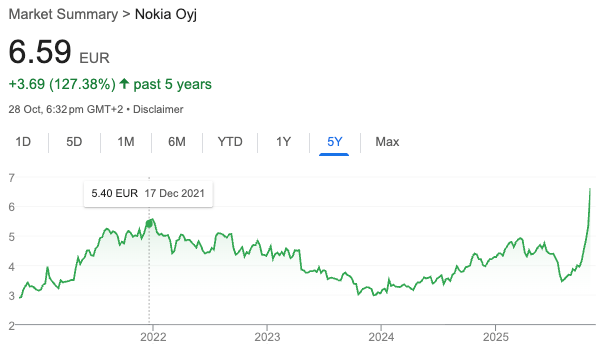
The market certainly agrees. Nokia’s shares jumped 22% in Helsinki; their biggest single-day gain since 2013 right after the announcement. That’s the kind of rally reserved for companies that suddenly look “cool” again.
And there’s something poetic about it. Nokia’s slogan used to be “Connecting People.” Two decades later, it’s now connecting machines, billions of them.
But beyond the stock market cheer, there’s a deeper story unfolding.
Telecommunications is entering its “AI-native” era. Just like how cloud computing transformed how we store and process data, AI-RAN could redefine how networks themselves learn, adapt, and optimise.
Instead of rigid, hardware-bound systems, telcos will run flexible, software-defined networks capable of self-tuning and predicting traffic patterns. Imagine your mobile network knowing when a cricket match is about to end and preparing for the sudden flood of WhatsApp messages. That's network-level machine learning, powered by GPUs.
There’s also a quiet economic motive. The radio access network market (RAN) is expected to exceed $200 billion cumulatively by 2030, according to Omdia. That’s a huge slice of the tech economy that Nvidia previously had no presence in.
By embedding its chips inside base stations and network equipment, Nvidia not only diversifies beyond data centres but also creates a recurring revenue model; every telco that adopts this architecture becomes a long-term customer.
Of course, not everything about this deal is straightforwardly revolutionary.
Some analysts are already comparing Nvidia’s aggressive cross-investments to the circular partnerships that inflated the 1990s dot-com bubble. It was a time when tech firms bought into each other’s hype to show “growth.” There’s no bubble talk yet, but it’s a reminder that even giants can overreach.
Huang, though, is unfazed. When asked about his decision, he told Bloomberg TV that taking a stake in Nokia was “pretty genius.” He might not be wrong; this move gives Nvidia both strategic leverage and political capital.
Because make no mistake, this deal has geopolitical undertones. The U.S. government has long pushed for American involvement in critical telecom infrastructure to reduce dependence on Chinese equipment. And while Nvidia insists this isn’t a government-backed move, the symbolism is hard to miss. A Finnish firm, an American chipmaker, and a U.S. telecom giant are together pioneering the architecture for AI-driven 6G by effectively “bringing telecommunications back to America,” as Huang put it.
In fact, this is part of a larger shift.
For decades, telecom and computing evolved separately. But the rise of generative AI has blurred that line. As devices demand more on-device intelligence and real-time processing, networks themselves must evolve from being mere highways for data to becoming active participants in computation. That’s why people like Michael Dell are calling the telecom edge “the most valuable real estate for AI.”
So yes, on the surface, it’s just a $1 billion deal. But symbolically, it’s the moment when Nvidia officially stopped being just the arms dealer of AI and became the architect of its nervous system. It’s placing chips not just inside servers, but inside the global network fabric itself. Nokia gets to reboot its relevance, the U.S. reclaims a slice of telecom leadership, and the rest of the world gets a peek at what 6G might really mean; not just faster downloads, but networks that think like machines.
For now, though, Nvidia’s bet is less about owning Nokia and more about owning the future of connectivity. And if there’s one thing the company’s track record has shown, it’s that when Jensen Huang places a bet, the rest of the tech world usually follows.
FAQs
Why did Nvidia invest $1 billion in Nokia?
Nvidia invested $1 billion to acquire a 2.9% stake in Nokia and form a strategic partnership to develop AI-powered 5G and 6G networks. The deal allows Nvidia to supply its advanced computing platforms to Nokia’s telecom infrastructure, enabling the next generation of intelligent, AI-native networks.
What does Nvidia’s partnership with Nokia mean for 6G technology?
The partnership positions Nvidia and Nokia at the forefront of 6G innovation. Nokia will use Nvidia’s Aerial RAN Computer platform to build AI-native networks that process data faster, reduce latency, and enable real-time applications like drones, AR glasses, and autonomous vehicles.
How many shares is Nokia issuing to Nvidia?
Nokia will issue approximately 166 million new shares to Nvidia at $6.01 each, giving Nvidia a 2.9% ownership stake in the Finnish telecom company.
How will Nvidia’s technology be used in Nokia’s network systems?
Nvidia’s chips and AI computing platforms will be integrated into Nokia’s 5G and 6G radio access networks (AI-RAN). These systems will combine connectivity and computing to create intelligent, software-defined telecom networks.
What is AI-RAN, and why is it important?
AI-RAN (Artificial Intelligence Radio Access Network) is a new telecom architecture that merges AI and wireless connectivity. It enables networks to process data locally, optimize performance in real time, and support billions of AI-powered devices seamlessly.
When will the Nvidia-Nokia 6G technology be available commercially?
Field trials for the Nvidia-Nokia AI-RAN platform are expected to start in 2026 with T-Mobile U.S., and full commercial deployment is projected for 2027.
How did Nokia’s stock react to Nvidia’s investment?
Nokia’s shares surged over 22%, reaching their highest level in a decade, after announcing Nvidia’s $1 billion investment and partnership for AI-driven telecom solutions.
What role does T-Mobile and Dell play in this partnership?
T-Mobile U.S. will conduct field trials for the AI-RAN platform starting in 2026, while Dell Technologies will provide its PowerEdge servers to support Nokia’s new AI-RAN solutions and ensure smooth 5G-to-6G transitions.
Why is this deal significant for the U.S. telecom industry?
The Nvidia-Nokia collaboration represents a major push for American technology leadership in telecommunications. It strengthens U.S. involvement in 6G development and reduces reliance on Chinese suppliers like Huawei.
What is the global market potential for AI-powered telecom networks?
The AI-RAN and 6G infrastructure market is expected to exceed $200 billion cumulatively by 2030. As demand for AI-driven connectivity grows, companies like Nvidia and Nokia are well-positioned to lead this massive transformation.