

 Newsletter
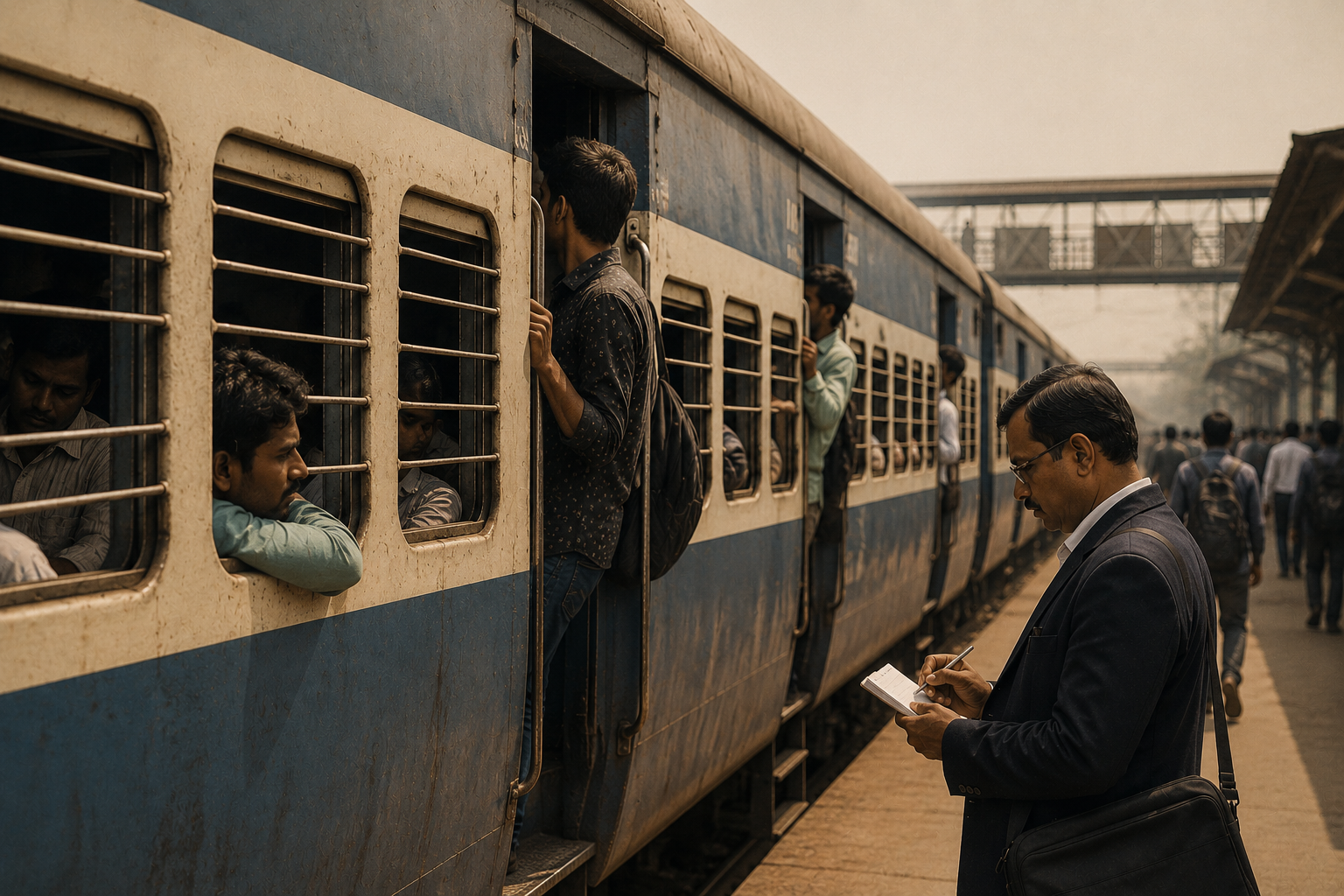
Indian Railways ticket checker may just be having his best year ever.
Between April and August 2025 alone, Central Railway reportedly collected more than ₹100 crore in penalties from 17.2 lakh passengers caught travelling without proper tickets or in unauthorised coaches.
In just one month, August 2025, penalty collections jumped 56% compared to the previous year.
Somewhere in the Bhusawal division, four ticket checkers individually crossed ₹1 crore in fine collections in a single financial year. One of them reportedly touched ₹1.47 crore on his own. That is not just enforcement. That is an economy.
And behind this fine economy lies a much bigger story about India’s long-distance train crisis.
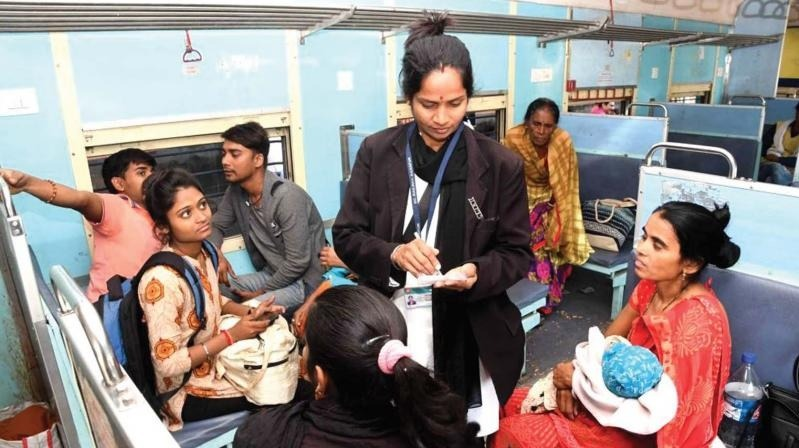
Every day, Indian Railways carries roughly 2.3 crore passengers. But the demand for reserved berths has exploded far beyond capacity.
Summer vacations, festivals, migration routes, job travel, wedding seasons, competitive exams, everything converges on a railway network that still moves millions at prices far cheaper than buses or flights.
The Railway Minister said the government effectively subsidises about 45% of every passenger ticket. Which means trains remain the first choice for long-distance India, especially for middle and lower-income travellers.
But there is one problem. The seats simply do not exist.
For years, Indian Railways managed this overflow using giant waitlists.
A train with 72 sleeper berths could end up carrying hundreds of hopeful passengers with WL-120 or WL-200 tickets gambling on cancellations. Many boarded anyway. Some negotiated with travelling ticket examiners. Some squeezed near washrooms. Some upgraded mid-journey. It became an unofficial system everyone understood.
In 2025, Indian Railways reportedly began capping waiting-list tickets to around 25% of berth capacity in many long-distance trains to reduce overcrowding.
At the same time, authorities tightened rules around travel in reserved coaches. Passengers with unconfirmed waitlisted tickets were increasingly told they could not enter Sleeper or AC coaches. If they did, they risked penalties of around ₹250 in Sleeper and ₹440 in AC classes, along with possible removal from the train.
This is where the tension begins. Because the Indian passenger is not always ticketless. Often, the passenger has paid. They just do not have a confirmed berth.
Imagine booking a train from Patna to Mumbai two months in advance and still ending up on WL-86. You have already planned the trip, informed your employer, packed your luggage and maybe spent a chunk of your monthly income on the journey.
Cancelling is not realistic. Flights are too expensive. Buses take longer and can cost more during peak demand. So passengers board anyway, hoping for a last-minute cancellation or mercy from the TTE.
Only now, the system has become less forgiving. Railways have also intensified “fortress checks”, surprise inspections and station-level ticket drives. In some zones, QR-code based ticketing loopholes were reportedly restricted after misuse. Even premium quotas are under scrutiny. In 2026, Central Railway detected misuse of the foreign tourist quota in dozens of cases and fined passengers over ₹3.5 lakh.
So Indian Railways today is trying to solve three problems at once. It wants cleaner coaches, safer travel and less overcrowding. But it also has to manage a brutal demand-supply mismatch that no amount of ticket checking can fully solve.
India still runs many long-distance routes with impossible reservation pressure. Trains on routes connecting Bihar, Uttar Pradesh, Maharashtra, Delhi and Bengal often see waiting lists running into hundreds within hours of booking windows opening. Tatkal tickets disappear in minutes. Premium tatkal fares surge. Sleeper coaches spill into general compartments. General compartments spill onto platforms.
Which means fines are rising because millions are trapped between affordability and availability.