

 Newsletter

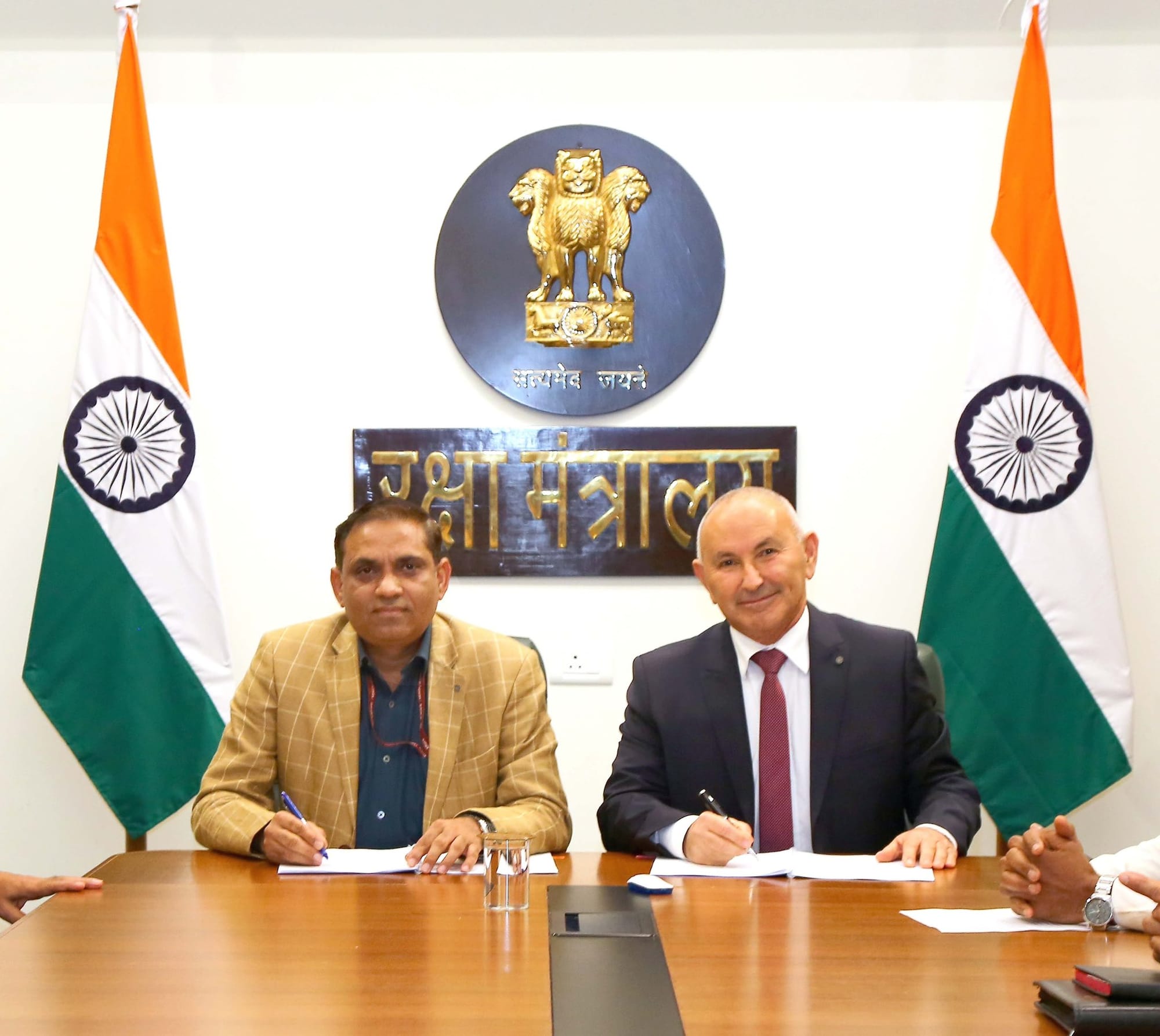
The Ministry of Defence signed the contract with Israel Aerospace Industries which covers Barak Point Defence Missile Systems already installed on Indian Navy ships.
What’s going on: this is not an order for a completely new missile system. India will upgrade the hardware and software of its existing Barak systems and replace components that are becoming too old to maintain.
Think of the Barak system as a warship’s personal security guard in the sky.
Enemy aircraft, drones and anti-ship missiles can attack a vessel from the air. The Barak system uses radar to detect and track such threats. If something dangerous approaches, it launches a missile to destroy the threat before it reaches the ship.
It is called a “point-defence” system because it primarily protects the warship carrying it. In simple terms, it creates a defensive bubble around that vessel.
This is particularly important at sea. A warship cannot hide behind a bunker or quickly move to another base when attacked. Its defensive systems must detect and stop an incoming weapon within a very short time.
Some components inside the existing Barak systems have aged. Manufacturers may have stopped producing certain electronic parts, making them difficult and expensive to replace.
That is where “obsolescence management” comes in. Despite the complicated name, it simply means replacing outdated parts before they become impossible to repair.
Why is this happening: threats to warships have changed considerably since the Barak system was first deployed.
Navies must now prepare for smaller drones, faster anti-ship missiles and attacks involving several weapons arriving together. Older electronics and software may struggle to handle these threats as effectively as newer systems.
Modernising the existing Barak setup allows the Navy to strengthen its ships without replacing the entire system. It can also extend the equipment’s working life and ensure that spare parts remain available.
The larger defence plan: the contract follows the Defence Acquisition Council’s approval of projects worth around ₹1.1 lakh crore in September. These included helicopters, radars, military vehicles, electronic jammers and upgrades for approximately 40 Su-30MKI fighter aircraft.
Around 98% of the approved requirements were expected to be sourced from Indian companies. However, the Barak system was originally supplied by Israel, making Israel Aerospace Industries important for its specialised technology, software and long-term maintenance.
Zoom out: Barak is part of a much larger India–Israel defence relationship covering missiles, radars, drones and surveillance equipment.
Between 2021 and 2025, Israel supplied around 15% of India’s major arms imports, making it India’s third-largest supplier after Russia and France.
India was also Israel’s biggest foreign customer during this period, purchasing 29% of Israel’s major arms exports.