
 Newsletter
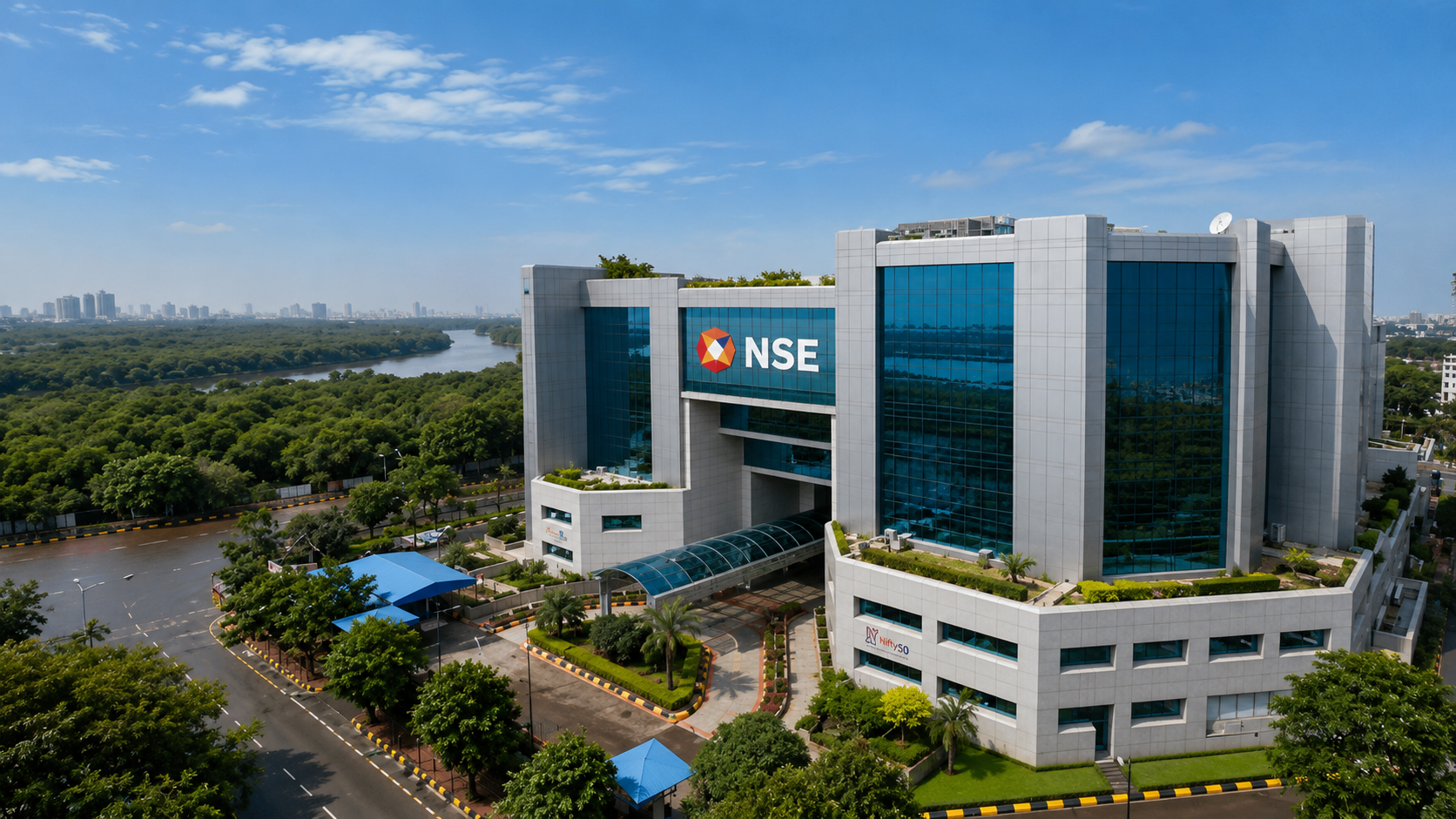
One of the biggest IPOs in India's capital market history could soon be headed to Dalal Street.
What's happening: the National Stock Exchange (NSE) has filed fresh draft papers for its long-awaited IPO. According to reports, the issue could be worth over ₹30,000 crore, making it the largest IPO ever in India.
Interestingly, it could also be one of two mega listings this year, alongside Mukesh Ambani-backed Reliance Jio.
Why is this a big deal: NSE isn't just another company coming to market. It is India's largest stock exchange and the world's most active derivatives exchange.
Every day, millions of investors trade on its platform, generating fees for the exchange.
In simple terms, think of a stock exchange as a toll road for the stock market. Every time investors trade shares, futures or options, the exchange earns a small fee. That's why stock exchanges themselves can become highly valuable businesses.
Not the first time: NSE first filed IPO papers back in 2016. But the plan got stuck due to regulatory investigations related to the co-location and dark fibre cases.
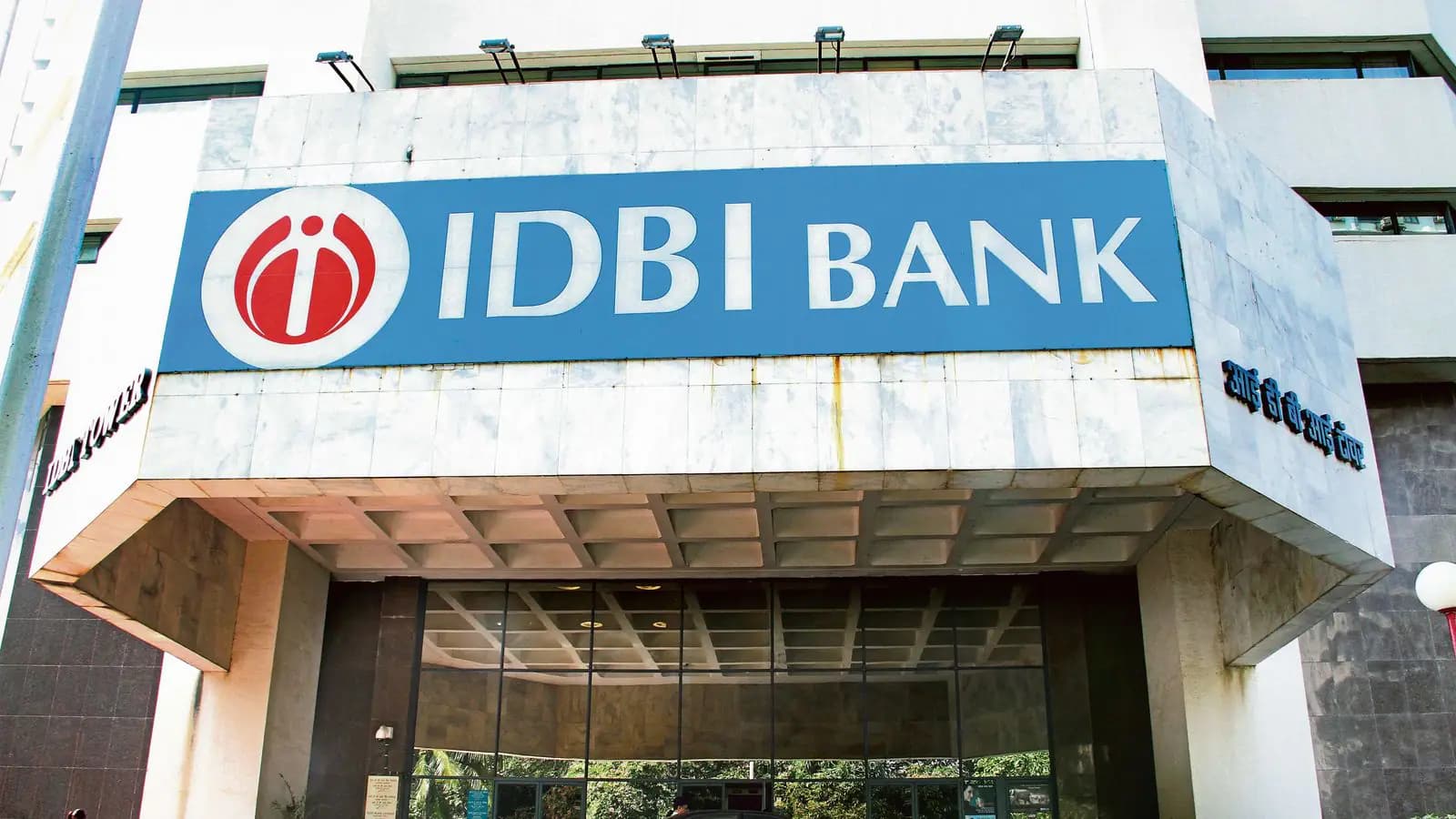
Last year, the exchange took a major step towards resolving those issues by filing a settlement application with SEBI and agreeing to pay around ₹1,400 crore. It also made an additional provision of ₹1,297 crore in its latest financial statements.
Who owns NSE: the exchange has an impressive shareholder roster. LIC is the largest shareholder with a 10.72% stake, while SBI and SBI Capital Markets together own around 7.5%. Other major investors include Temasek-backed Aranda Investments and the Canada Pension Plan Investment Board (CPPIB).
Who's cashing out: the IPO will be a pure offer for sale, meaning NSE itself won't raise any fresh capital. Instead, existing shareholders will sell part of their holdings. Among the reported sellers are SBI, Canada Pension Plan and MS Strategic.
Kotak Mahindra Capital, JM Financial, Morgan Stanley and Citi have been appointed as the book-running lead managers for the issue.
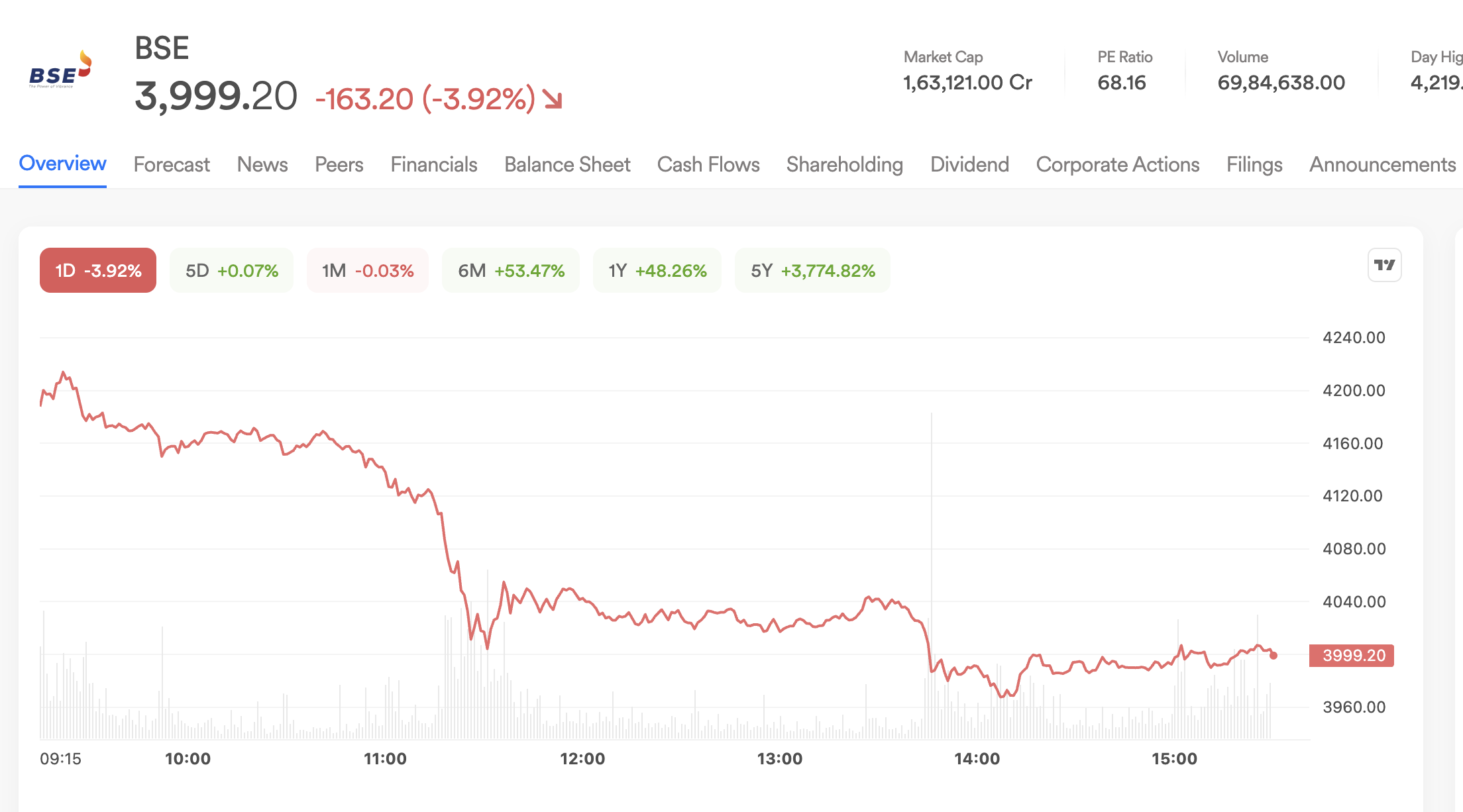
Market reaction: BSE shares fell nearly 4% after the NSE IPO filing. For years, BSE enjoyed the unique position of being India's only listed stock exchange. With NSE now moving closer to a public listing, that exclusivity could soon disappear.