
 Newsletter
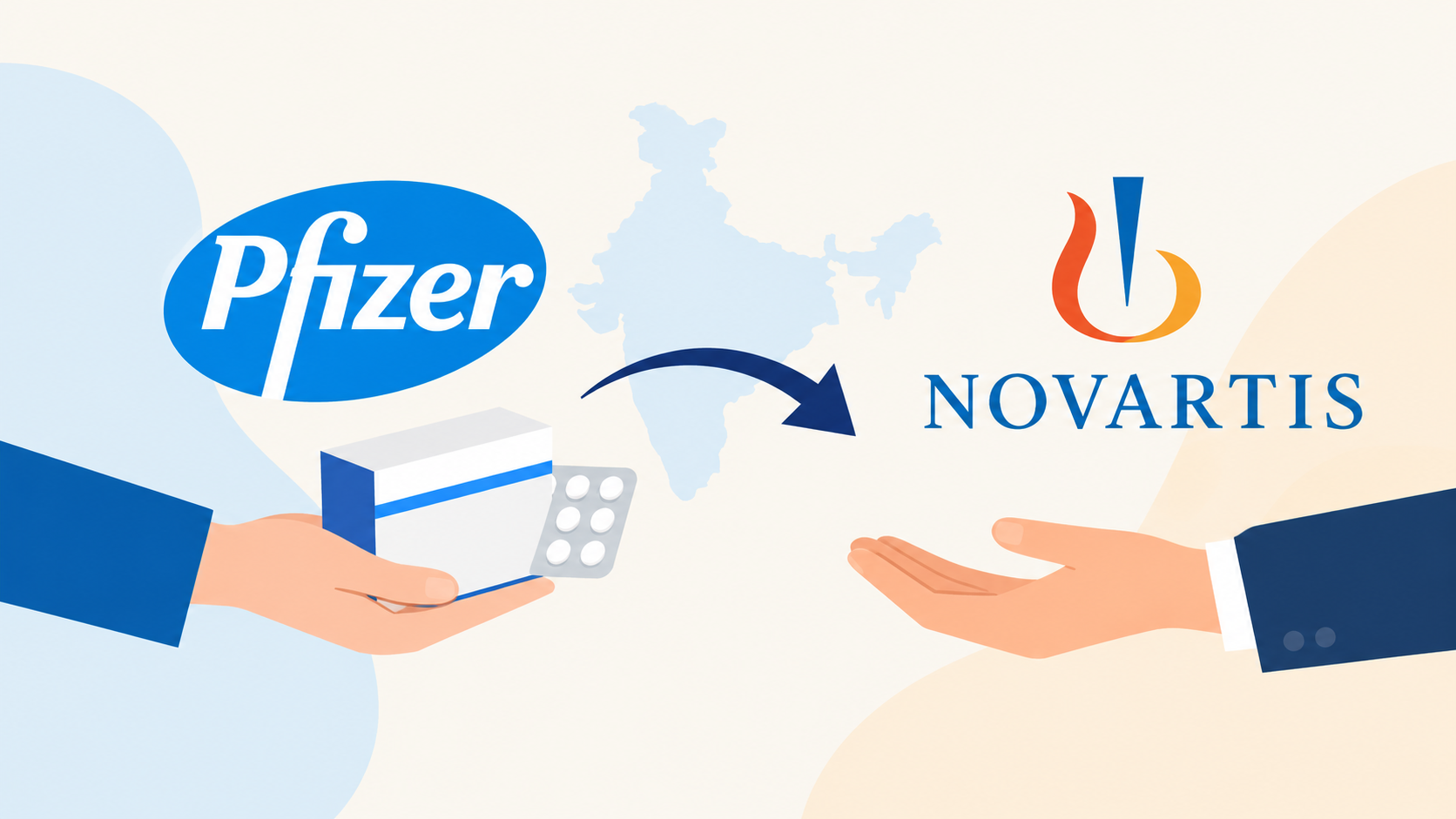
Novartis India will pay ₹1,250 crore to buy the Minipress and Minipres brands from Pfizer, along with their trademarks and related rights.
Minipress is a blood-pressure drug used to treat hypertension. By lowering high blood pressure, it can help reduce the risk of serious cardiovascular problems, including strokes and heart attacks.
Its key Indian product, Minipress XL, contains prazosin and is mainly used to treat hypertension as well as urinary symptoms linked to benign prostatic hyperplasia (BPH), or an enlarged prostate.
The brand already has a sizeable business in India. According to IQVIA MAT July 2026 data cited by Novartis, Minipress XL generated ₹228.6 crore in revenue in the year to July 2026 and grew at the rate of 6.3% over the past four years.
The deets: Novartis India’s board approved the deal on September 7, after which it signed an asset purchase agreement and trademark assignment deeds with Pfizer Inc. and Pfizer Products Inc.
Under the deal, Pfizer will transfer the Minipress and Minipres trademarks registered in India, along with related intellectual property rights, to Novartis. The signing and closing are happening simultaneously.
In a parallel development, Pfizer will stop marketing, distributing and selling Minipress XL in India from September 7, 2026.
As part of the exit, Pfizer Ltd will receive a one-time payment of $13.9 million, or around ₹131 crore, from its US parent.
The larger playbook: Novartis India is taking more control of its business.
Last month, Dr Reddy’s ended its agreement to distribute and promote select Novartis brands, though it will continue doing so until September 30, 2026.
From FY27, Novartis will also directly manage established brands such as Voveran, Methergin, Macalvit and Calcium Sandoz.
This gives Novartis greater control over how these brands are priced, marketed and grown. The strategy is clear: buy selectively, take direct control of key brands and expand deeper into smaller cities.
The company is now focusing on five key areas: pain management, wellness, women’s health, neuroscience and transplant immunology, as it looks to tap India’s growing demand for long-term healthcare.
The timing matters: India’s healthcare opportunity is growing well beyond its metros. Tier-2 and Tier-3 cities are emerging as the next big growth engine, with their affluent population rising 76% in just six years. Today, nearly one in three urban Indians lives in these cities.
Rising incomes, a young population, greater digital adoption, improving healthcare infrastructure and wider insurance coverage are pushing healthcare demand deeper into the country. More specialists in smaller cities are also making advanced treatments increasingly accessible.
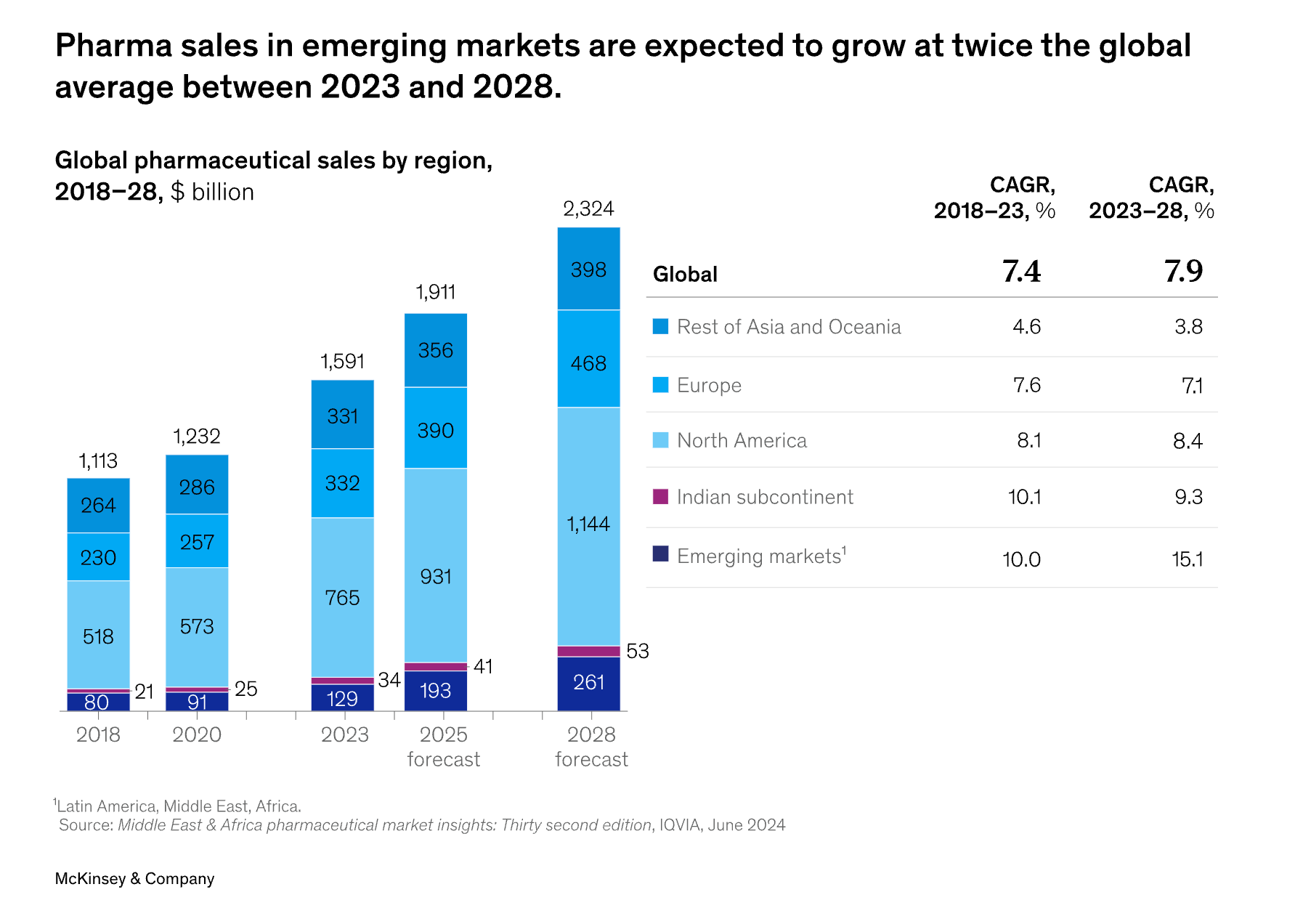
And with India’s pharma market expected to grow faster than many developed markets, the opportunity is only getting bigger.
For Novartis, this creates a timely opening: build stronger brands, take greater control of its commercial operations and bring established therapies deeper into India’s fast-growing smaller cities.