

 Newsletter
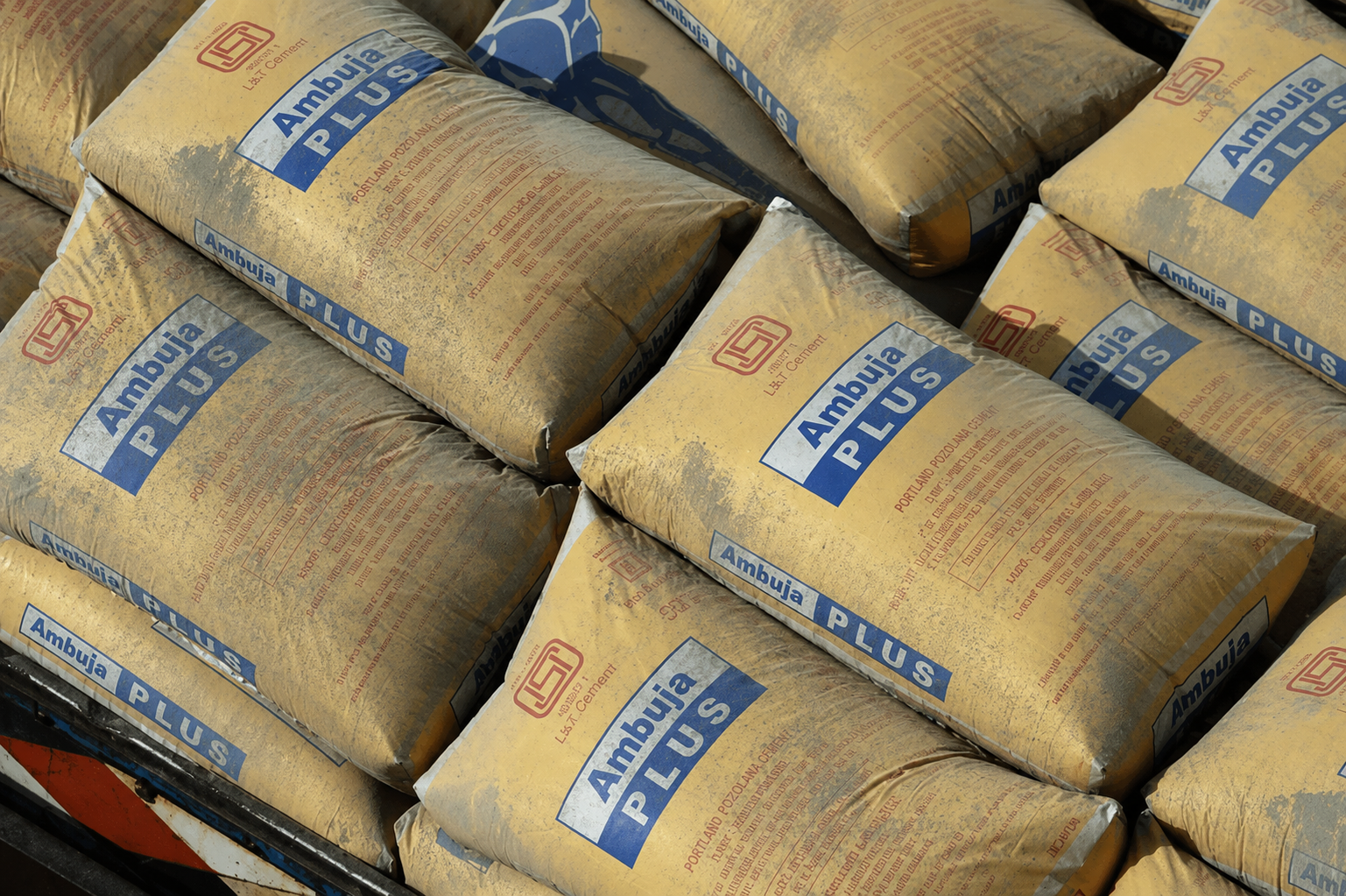
Cement is one of the world's biggest sources of carbon emissions, and Ambuja Cements is looking to change that.
What's happening: Ambuja has partnered with UK-based Leilac to develop a large-scale low-carbon cement project at its Sanghipuram plant in Gujarat.
Leilac is a climate-tech company focused on helping the cement and lime industries dramatically reduce their CO₂ emissions.
If successful, the project could be expanded to capture more than 1 million tonnes of carbon dioxide annually, creating a scalable model for cleaner cement production in India.
The interesting bit: the technology could eventually eliminate the need for coal in the cement-making process, replacing it with cleaner alternative fuels and significantly reducing emissions.
The project is a step towards Ambuja Cements' goal of achieving net-zero emissions by 2050 and could provide a blueprint for low-carbon cement production in India and beyond.
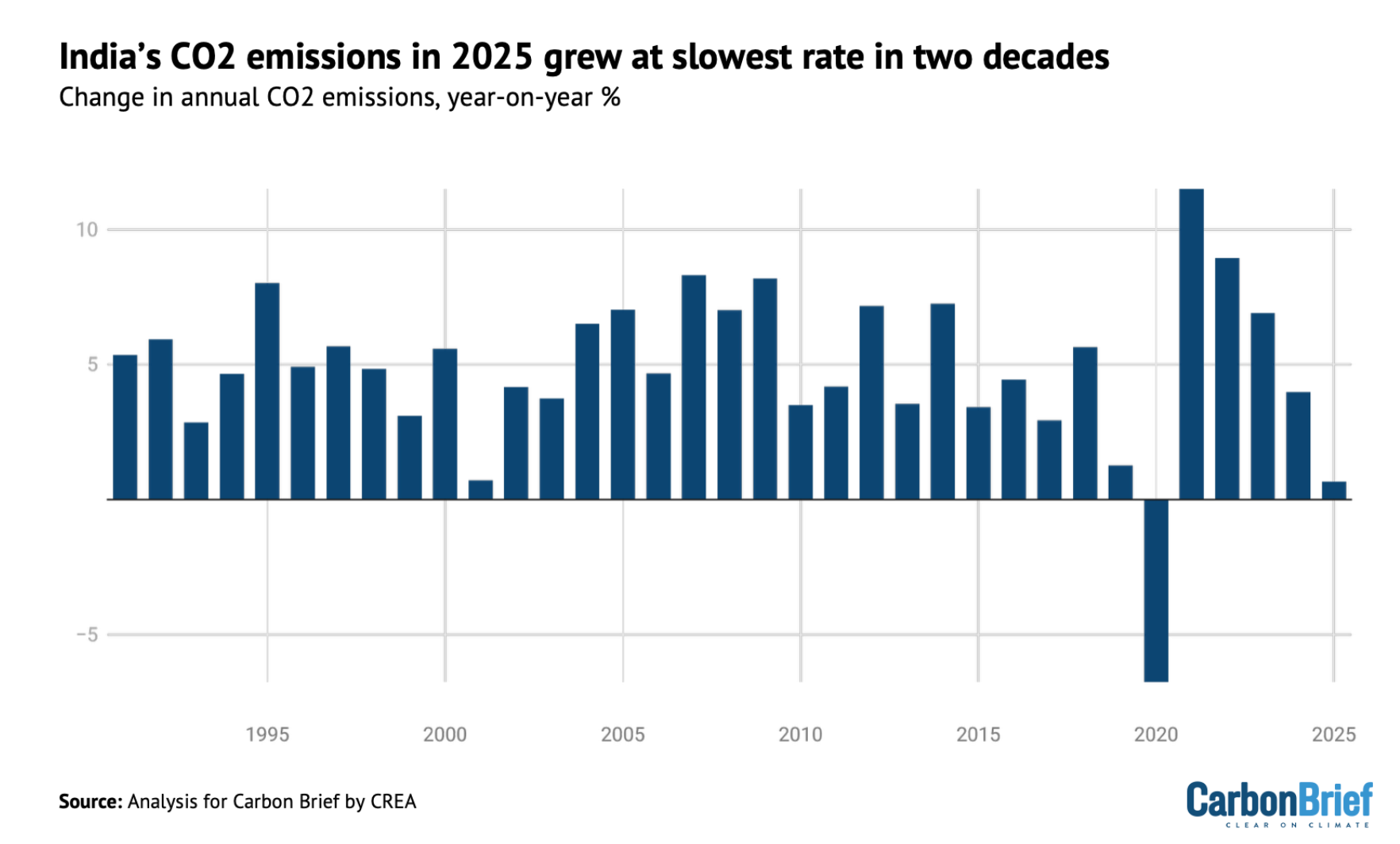
The context: while India's overall carbon dioxide emissions grew by just 0.7% in 2025, the slowest pace in more than two decades excluding the Covid year, hard-to-abate industries remain a challenge.
Carbon emissions from cement manufacturing in India have nearly quadrupled since 2000, reaching 177 million tonnes in 2023.
That's around 6% of India's total fossil and industrial CO₂ emissions and roughly 11% of global cement-sector emissions, highlighting why cleaner cement production is becoming increasingly important.