
 Newsletter
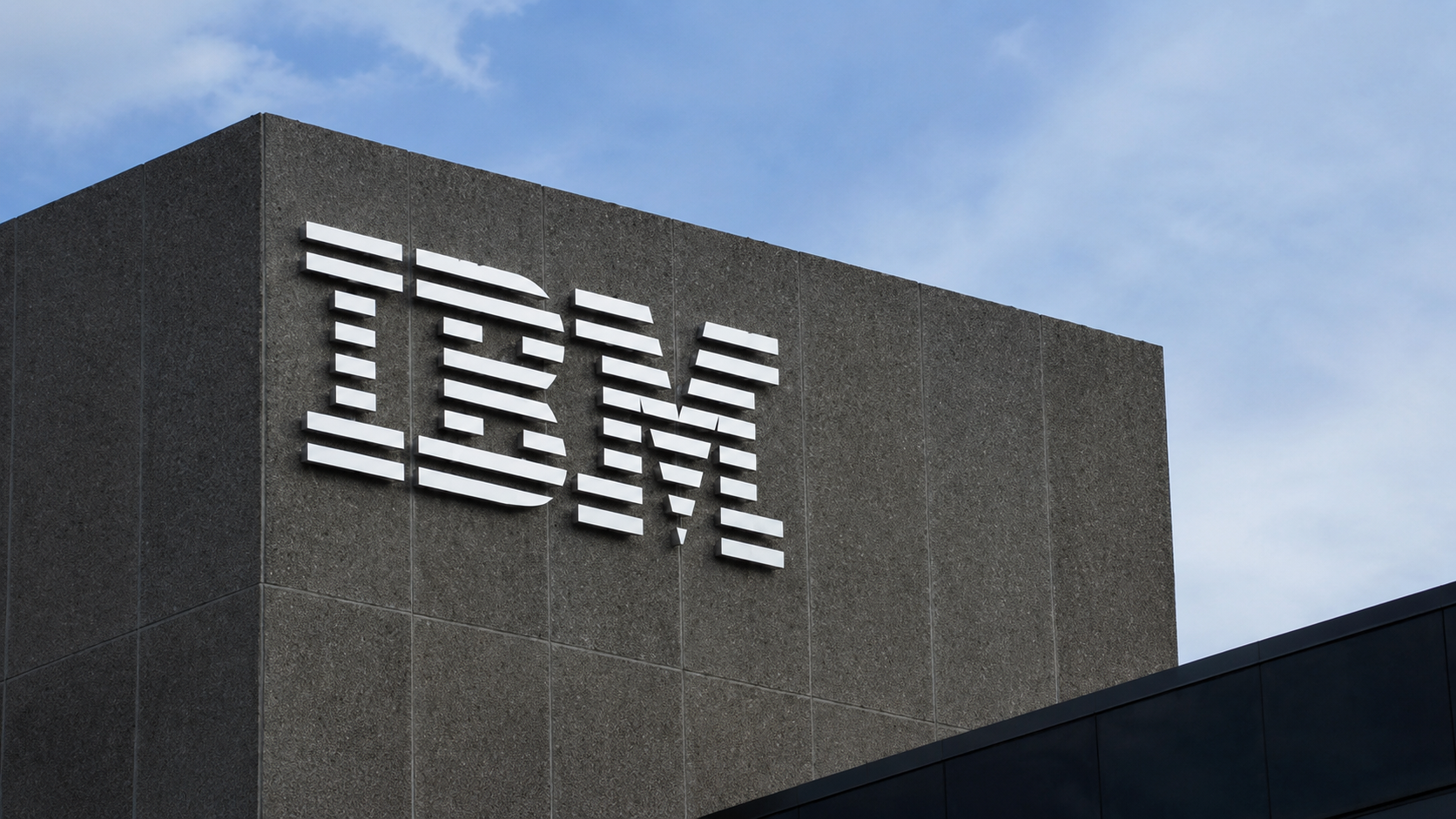
Shares of the US tech giant International Business Machines Corporation (IBM) plunged 25% on July 15 after the company released disappointing preliminary second-quarter results.
This marks its steepest single-day fall in decades and wiping out nearly $67-70 billion in market value.
So, what went wrong: IBM reported $17.2 billion in second-quarter revenue, missing Wall Street estimates of $17.9 billion, up only 1% YoY. Adjusted earnings came in at $2.93 per share, below analysts' expectations of $3.01.
The weak numbers sparked fears that the company is struggling to keep pace as customers rethink where they're spending their money in the AI era.
According to CEO Arvind Krishna, many customers delayed or postponed deals as they shifted spending toward AI infrastructure like servers, chips and memory.
He admitted the company didn't move ‘quickly enough’, causing several deals to miss expected closing timelines. Krishna also pointed to another growing concern: cybersecurity.
He said rapidly evolving cyber threats have become a top priority for customers, forcing many businesses to redirect budgets toward strengthening their digital defences instead of spending on other IT projects.
How things changed: just 42 days ago, IBM shares were trading at record highs and were up 13% for the year. Now, after Wednesday's crash, the stock is down roughly 35% from those highs.
The impact wasn't limited to the US. The sell-off spilled over to India as well.
Shares of Infosys, Wipro, Persistent Systems and Coforge fell as much as 2.5% amid concerns that weaker global IT spending could weigh on the sector.
One sector, however, came out smiling. Global cybersecurity stocks including CrowdStrike, Okta and Netskope rallied after IBM highlighted growing demand for digital security.