
 Newsletter

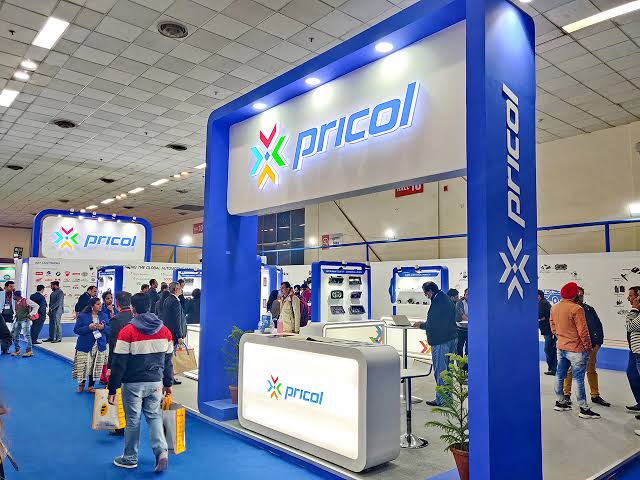
Pricol plunged nearly 20% after investors reacted negatively to Warburg Pincus’ plan to take control of the company’s largest business.
What is Pricol selling: the company had announced in June that it would separate its Driver Information and Connected Vehicle Solutions business, or DICVS, into a new company called Pricol Autotech.
This business makes digital dashboards and instrument clusters, vehicle sensors and telematics systems, connected-vehicle technology, digital cockpit systems. Its customers include vehicle manufacturers such as TVS Motor, Royal Enfield, Honda Motorcycle and Ather Energy.
DICVS generated around ₹2,400 crore in FY26, contributing approximately 60% of Pricol’s consolidated revenue. It is therefore not a small side business. It is Pricol’s largest revenue-generating operation.
How the deal works: the transaction will happen in several steps.
First, Pricol will move the DICVS business into Pricol Autotech.
Existing Pricol shareholders will then receive one Pricol Autotech share for every Pricol share they own. Pricol Autotech will subsequently list separately on the NSE and BSE.
Pricol’s promoter family will receive a 38.51% stake in the new company through this process.
Warburg Pincus, through its affiliate Topaz Terrace Investments, will then buy the promoters’ entire 38.51% holding for up to ₹1,663 crore.
After that, Warburg must make an open offer to purchase up to another 26% from Pricol Autotech’s public shareholders. If enough investors accept, Warburg could own as much as 64.51% and take control of the company.
The concerns: first concern appears to be valuation.
Paying ₹1,663 crore for 38.51% values the entire Pricol Autotech business at roughly ₹4,300 crore. Some investors reportedly believe this is too low for a fast-growing automotive-electronics business generating 60% of Pricol’s revenue.
The second concern is where the money goes.
This is a sale of shares owned by Pricol’s promoters. Therefore, the ₹1,663 crore will go to the promoter-group sellers—not to Pricol Limited for expansion or debt reduction.
The third concern is uncertainty. Investors who bought Pricol as one combined business must now value two different listed companies under two different controlling shareholders.
Warburg will control the automotive-electronics business, while the Mohan family will continue running the remaining Pricol businesses.