
 Newsletter

Wipro’s personal care arm, Wipro Consumer Care & Lighting, has acquired a 60% stake in premium skincare brand Dermatouch for ₹387.5 crore.
Now, before getting into details of the acquisition, there’s a more interesting question.
Why skincare and why now: the obvious answer is that we live online and this is a digital first brand.
But there’s a much bigger business reason.
India’s premium skincare market is currently estimated at around ₹30,000 crore and is growing 15-16% annually. Wipro expects the category to become a massive ₹3 lakh crore market over the next decade.
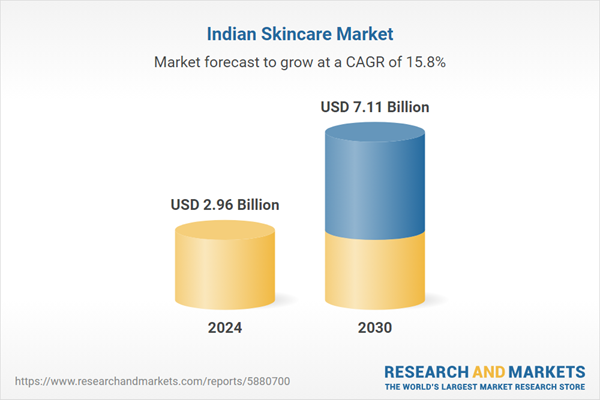
And Indians are still relatively light skincare spenders.
Annual per-person skincare spending in India is around $2, compared with roughly $20 in China. Derma skincare, which focuses on specific concerns such as acne, pigmentation and sun protection, accounts for only about 8% of India's skincare market.
Acquisition details: Dermatouch's revenue more than doubled to ₹131 crore in FY26, with online channels accounting for as much as 90% of sales.
Wipro is acquiring 60% now and plans to purchase the remaining 40% over the next three years. Dermatouch founders Anish Nagpal and Amit Purswani, along with the existing management team, will continue running the business.
The company already has an international skincare portfolio with brands including Derma Lab, Dr Dermis and Bio-essence, generating around ₹700 crore in sales.
Zoom out: India's overall beauty and personal care market is expected to grow from around $23 billion in FY25 to $40 billion by FY30, according to Redseer Strategy Consultants.
But how Indians buy those products is changing just as quickly.
E-commerce accounted for around 20% of beauty and personal care spending in FY25. By 2030, that's expected to cross one-third of the market.
Big theme: India's big consumer companies have clearly noticed what's happening.
Hindustan Unilever acquired Minimalist for ₹2,706 crore. Marico bought a majority stake in Plix for ₹380 crore. Emami acquired The Man Company for ₹272 crore.
Dabur invested ₹60 crore in RAS Beauty, while L'Oréal acquired a majority stake in Innovist, the company behind Chemist at Play and Bare Anatomy. Estée Lauder has also announced plans to acquire the remaining 51% of Forest Essentials.
There's a pattern here.
Large FMCG companies spent decades building distribution networks capable of putting soaps, shampoos and creams into millions of Indian stores. But many of India's fastest-growing beauty brands have emerged somewhere else entirely: Instagram feeds, marketplaces and D2C websites.
Building those brands from scratch takes time. Buying them can be considerably faster.