

 Newsletter

Heatwave power surge, Defense tech upgrade, and India's iPhone boom.
🗓️ Morning, folks! ☀️
Markets found their footing on Tuesday after two choppy sessions. Sensex & Nifty gained 1% each.
The focus was on fertiliser stocks, which surged as much as 20% after the government issued the Natural Gas Regulation Order, 2026 under the Essential Commodities Act. FACT, RCF saw the upward momentum.
The move prioritises gas supply for sectors like fertiliser plants, CNG transport and domestic PNG, easing concerns around input availability.
💡 Spotlight: Soaring heat pushes power use to 16-year high 🔥
India used about 133 billion units of electricity in February, the highest for that month in at least 15 years, according to CRISIL Intelligence.
Power demand rose around 2% compared to last year, mainly because higher temperatures increased the use of cooling like ACs and fans.
At the same time, factory activity also picked up, adding to electricity demand. To meet this, power generation also rose about 2.4%, reaching 145 billion units.
Electricity from renewables continued to grow, while hydropower and nuclear power also saw strong increases during the month.

Let’s hit it!
1. Indonesia picks India’s BrahMos missile 🇮🇳🚀
Indonesia has agreed to acquire India’s BrahMos cruise missile system, becoming the second foreign buyer after the Philippines.
BrahMos is jointly developed by India and Russia by BrahMos Aerospace, named after the Brahmaputra and Moskva rivers.
What’s going on: for Jakarta, this is a move tied directly to geography.
Indonesia is the world’s largest archipelagic country with more than 17,000 islands, and it sits along the Malacca Strait, one of the busiest maritime chokepoints where roughly a quarter of global trade flows every year.
At the same time, Indonesia has been facing growing maritime pressure around the Natuna Islands in the South China Sea.
India-Indonesia relations: in 2018, the two countries signed a Comprehensive Strategic Partnership, and defence cooperation has since accelerated through joint naval exercises, technology exchanges and maritime security coordination.
We also broke this down in video format - Watch here 🚀

2. Ramco to run tech for Tata’s IAF hub ✈️
Tata Advanced Systems has chosen Ramco Systems to power the digital backbone of its upcoming C-130J aircraft maintenance facility for the Indian Air Force. The stock gained 7% on the back of this news.
Breaking it down: Ramco will deploy its aviation software platform at the Maintenance, Repair and Overhaul (MRO) facility that Tata is setting up in India.
The system will manage everything from aircraft maintenance schedules and spare parts tracking to engineering workflows and compliance checks.
Big picture: India is pushing hard to build its defence maintenance ecosystem locally. MRO is a huge part of defence aviation costs, and bringing it home helps reduce downtime, cut costs, and strengthen operational readiness.
While we are on deals,
PTC Industries’ UK arm has signed a five-year collaboration with Finnish tech firm Coolbrook to bring advanced heating technology into high-end metal manufacturing. The stock ended more than 2% reacting to the update.
The deets: the partnership will explore using Coolbrook’s RotoDynamic Heater (RDH), a technology that generates extremely high temperatures using electricity instead of fossil fuels.
Why this matters: making aerospace-grade components requires very high-temperature industrial processes, which traditionally rely on gas or other fossil fuels. Coolbrook’s electric heating technology could help manufacturers cut emissions while improving efficiency.
3. Minda Corp partners UK firm for EV tech ⚡
Minda Corporation’s EV arm, Spark Minda Green Mobility, has partnered UK-based Turntide Drives to build next-gen EV components in India.
What’s the deal: the joint venture will develop and manufacture motor controllers, axial flux electric motors, and thermal pumps used inside electric vehicles.
These components are part of the EV powertrain, essentially the systems that control and drive an electric vehicle’s motor.
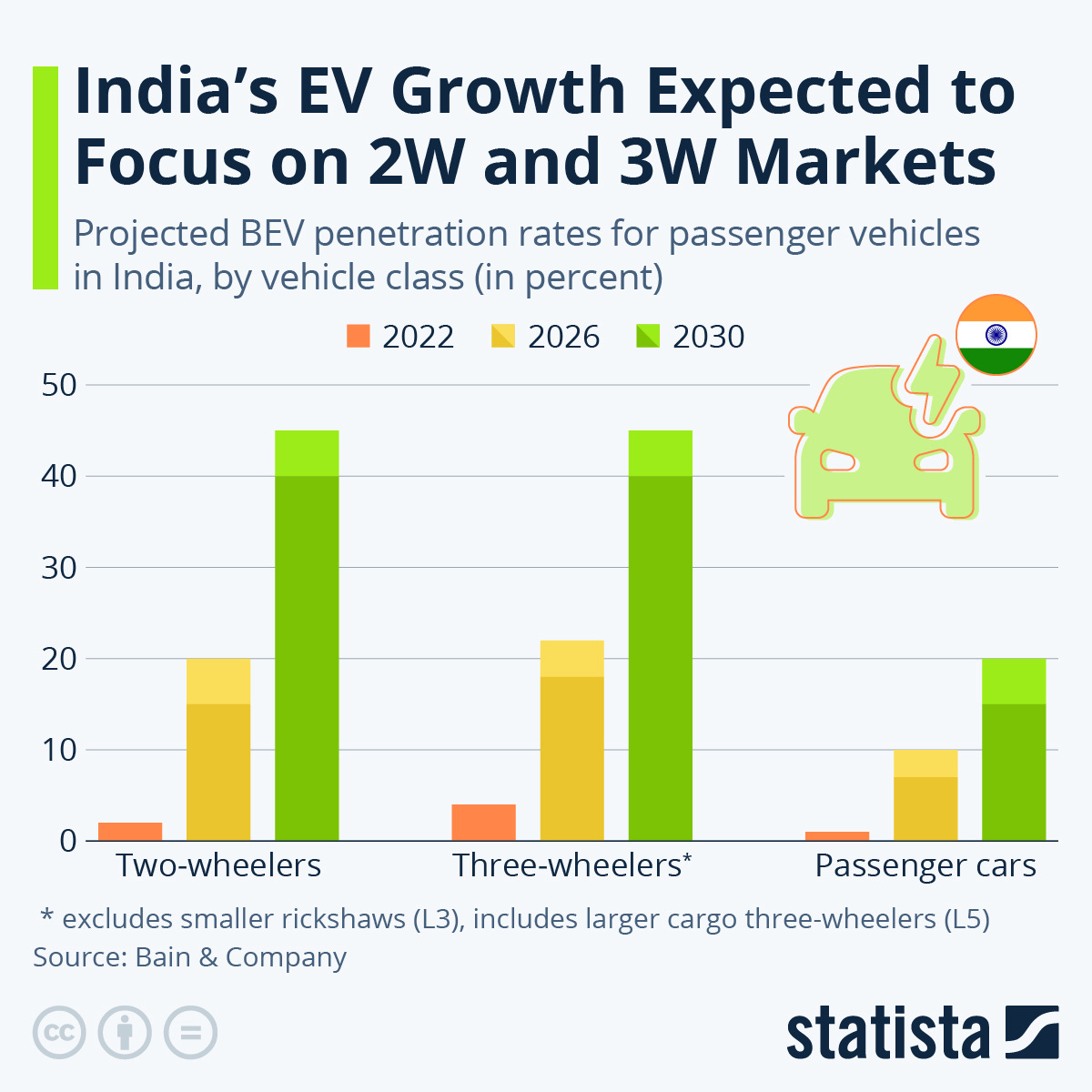
Big picture: for India’s EV ecosystem, this means local manufacturing through such partnerships as many high-end EV components are still imported, especially advanced motor technologies and controllers.
As India targets 30% EV penetration by 2030 and the EV market is expected to cross $100 billion by the end of the decade, building local capability for critical parts like motors and controllers is essential.
While we are on joint ventures,
Dixon Technologies received government approval to form a joint venture with China’s HKC Overseas to manufacture advanced display components in India.
Advanced display components in India refer to the core parts that make screens work in devices like smartphones, TVs, laptops, cars, and industrial machines.
Why this matters: display modules are one of the most imported components in India’s electronics supply chain. By producing them locally, the JV aims to reduce import dependence and strengthen the domestic electronics ecosystem.
4. These 5 states power India’s GST engine 💰
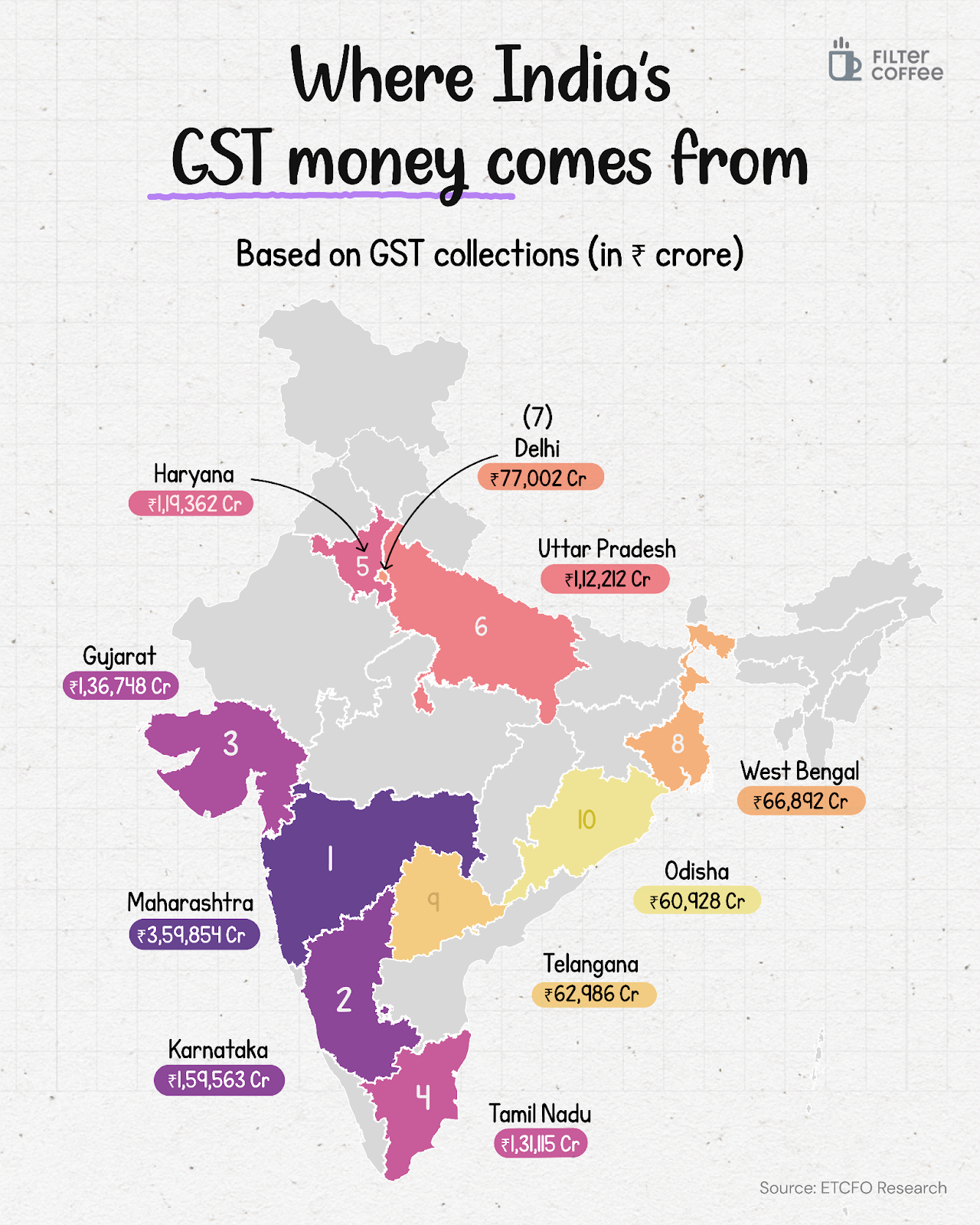
When it comes to GST collections, a handful of states do most of the heavy lifting.
- Maharashtra leads the pack with about ₹3.59 lakh crore
- Karnataka comes 2nd with ₹1.59 lakh crore
- Gujarat on the 3rd position with ₹1.36 lakh crore.
These states are home to major industrial hubs, financial centres, and large consumption markets which means more businesses, more transactions, and ultimately higher tax collections.
The broader takeaway: GST collections closely track where economic activity is concentrated, highlighting how India’s biggest industrial and commercial states remain the backbone of the country’s tax revenues.
6. Stock that kept us interested 🚀
1. Apple’s India push lifts Redington 📱
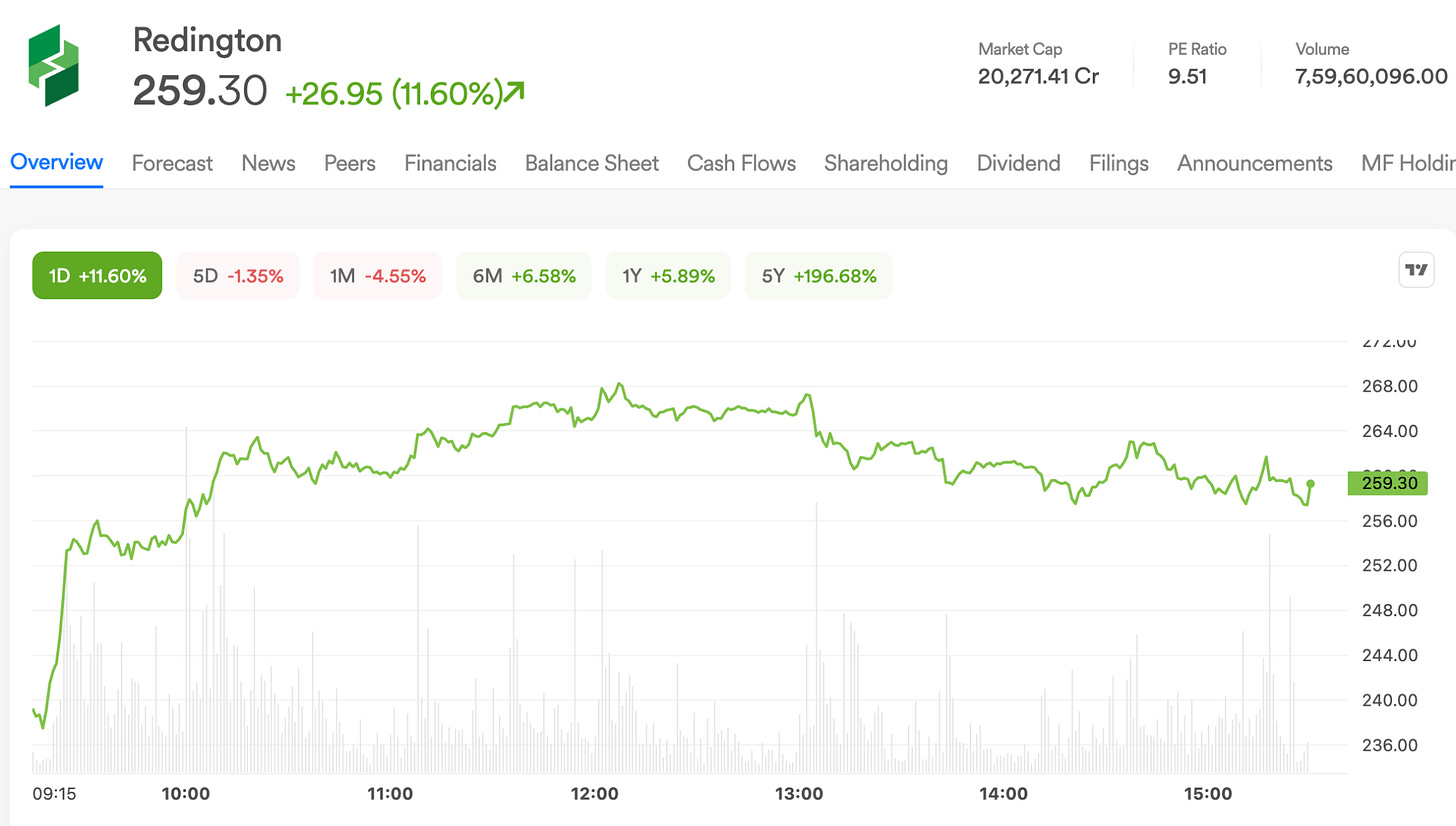
Shares of Redington, Apple’s official distributor in India, jumped over 12% after reports that the tech giant now produces about 25% of its iPhones in India.
What is happening: according to a Bloomberg report, Apple increased its iPhone production in India by about 53% last year, assembling around 55 million devices in 2025.
This is up from 36 million devices a year earlier, as the company continues shifting manufacturing away from China.
The macro scene: amid US-China trade tensions, Apple is shifting more manufacturing to India. Government incentives like PLI and partnerships with firms such as Foxconn and Tata Electronics are helping expand iPhone production locally.
This shift brings more jobs, stronger local manufacturing, and deeper integration into global tech supply chains.
What else are we snackin’ 🍿
💻 Chip ambitions: Wipro Enterprises is exploring entry into the semiconductor sector, likely starting with chip assembly as Indian conglomerates bet on the growing industry.
📊 F&O additions: Six stocks including Adani Power and Cochin Shipyard were added to the NSE F&O segment, with trading set to begin in April 2026.
🌋 Geothermal push: India is partnering with Iceland to tap geothermal energy in the Himalayas and depleted oil wells, expanding clean energy cooperation.
That’s a wrap! Don’t let the weekday blues get to you.
And if you’d like to place your brand on this newsletter, let us know.
Hit that 💚if you liked this issue.


