
 Newsletter
Kotak buys Deutsche, record port deal, and solar brightens moods.
🗓️ Morning, folks! ☀️

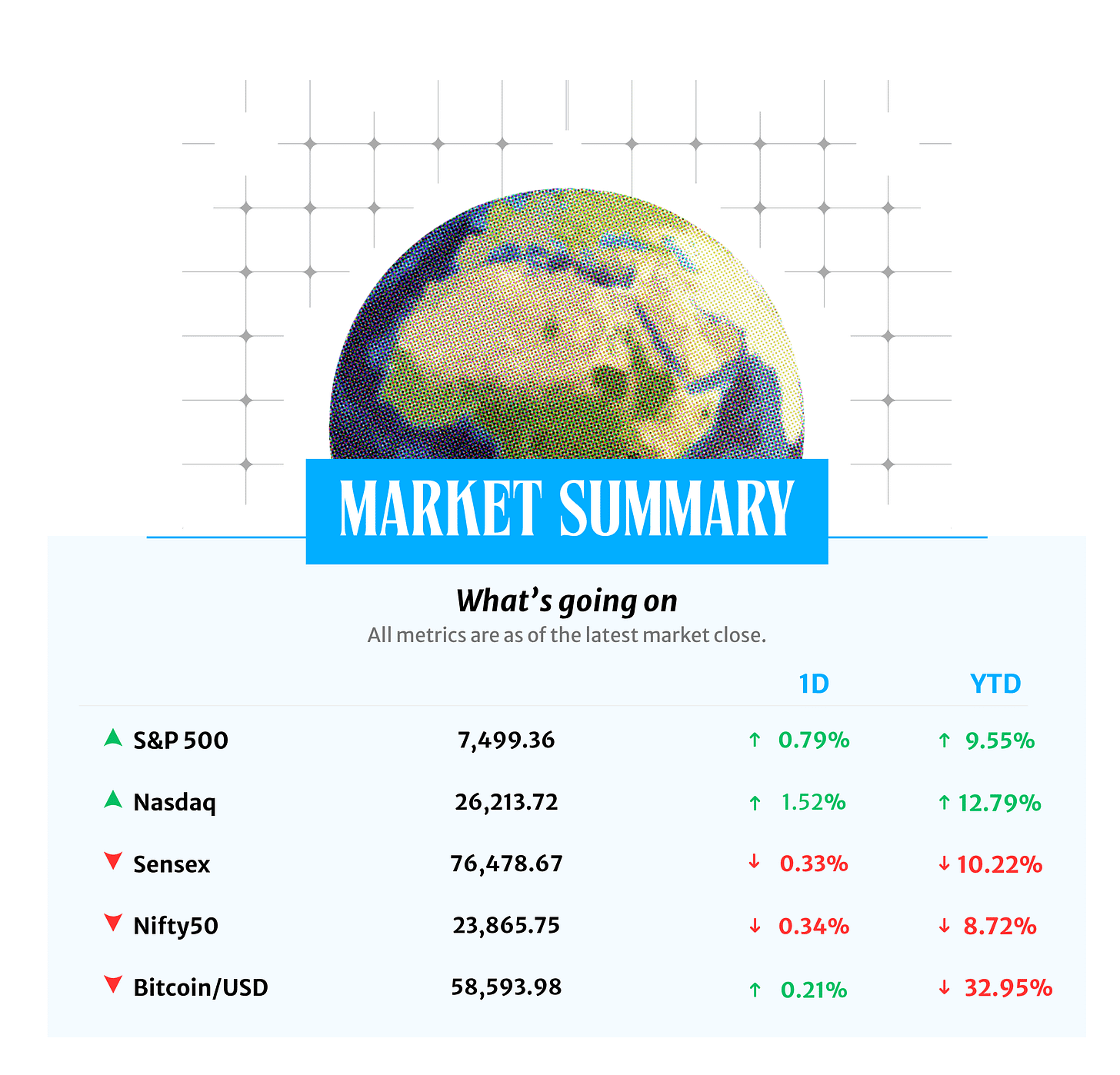
First the sad news: markets ended lower on Tuesday, led by a sell-off in IT stocks.
Sensex and Nifty lost around 0.3%. It was a bad day for heavyweights like Infosys, TCS and Eicher Motors, which led the decline. But the broader market stayed resilient.
Midcaps and smallcaps held their ground, while auto, realty and consumer durable stocks kept the green alive.
And here’s better news: despite Tuesday’s dip, the Nifty gained 7% in the first quarter of FY27, its best quarterly performance in a year.
💡 Spotlight: Delhi just put ₹15,000 crore behind EV adoption ⚡
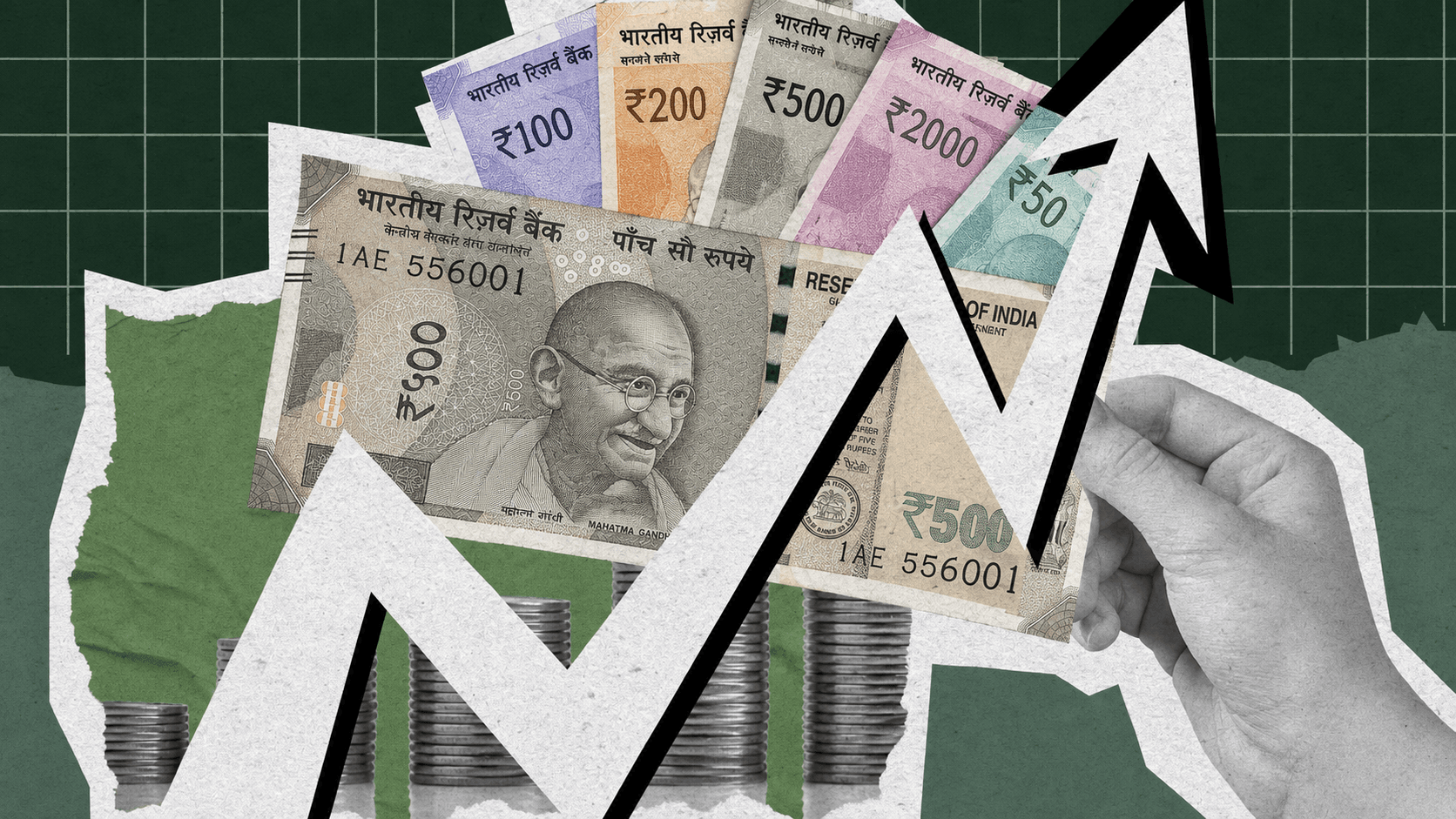
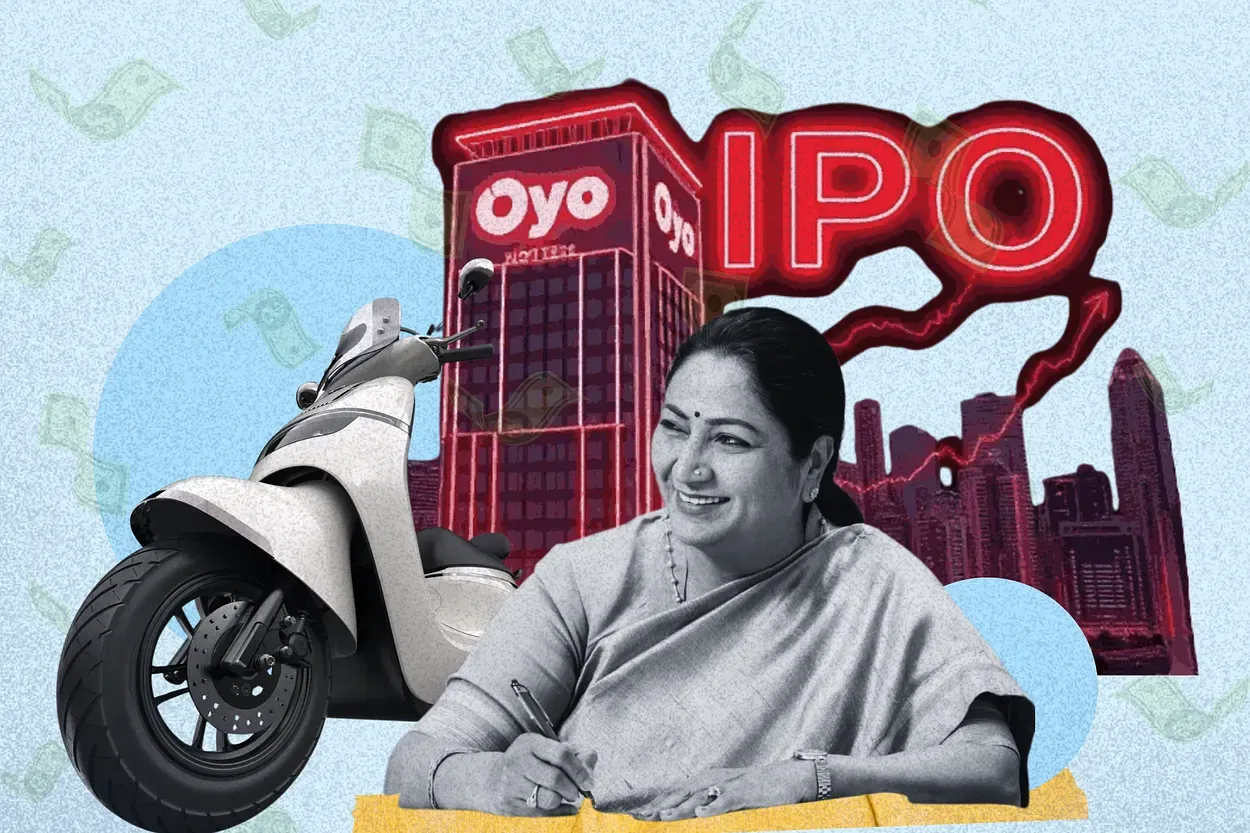
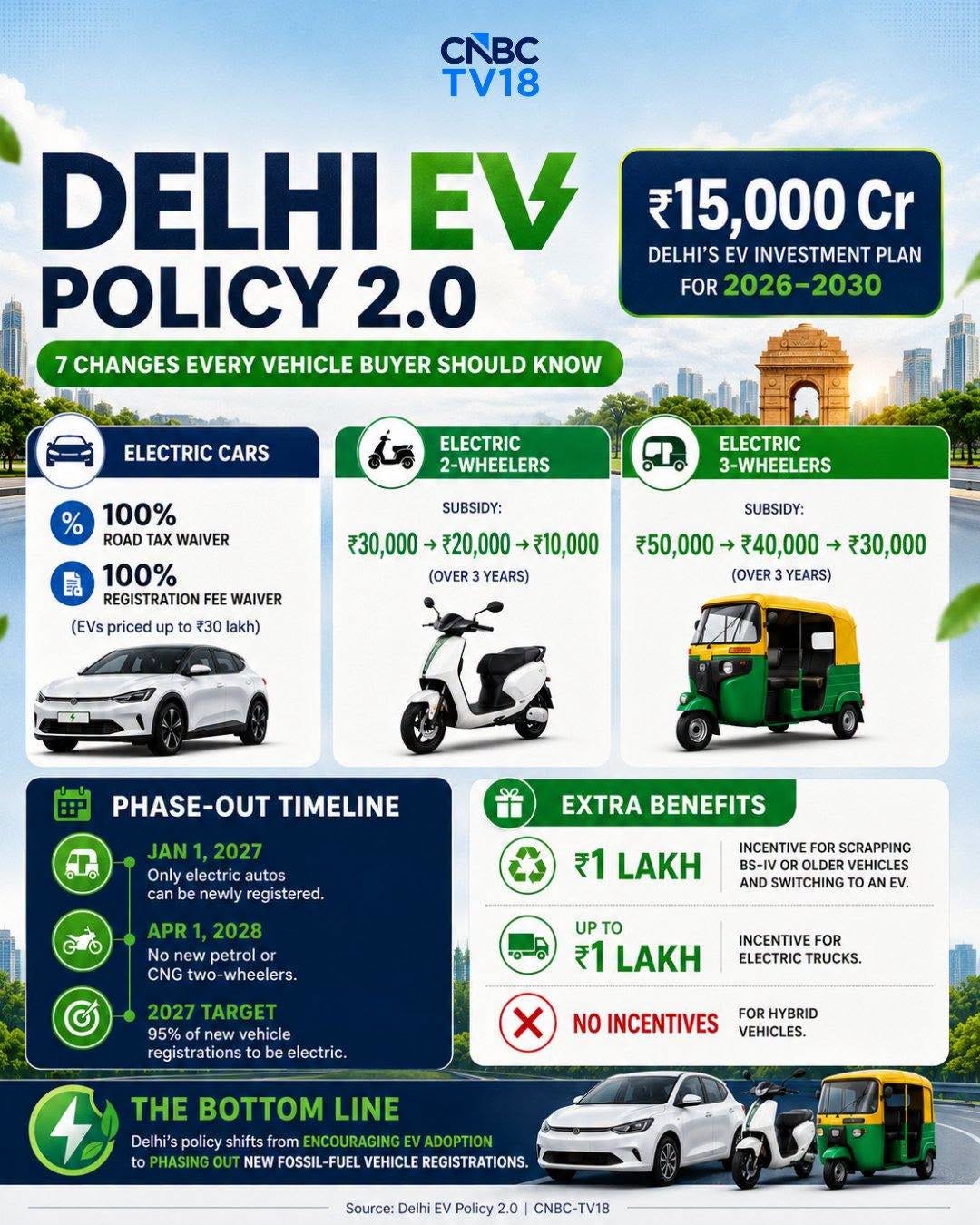
Delhi approved its new EV Policy 2.0, backed by a massive ₹15,000 crore budget through 2030. After the announcement, Ola Electric and Ather jumped ~11% intraday.
Delhi really wants (needs) people to shift to EVs. Buyers who switch to EVs or scrap older, polluting vehicles will receive cash incentives and rewards.
If things go as per plan, you could see about 32,000 public charging points over the next four years in Delhi.
It matters because: Delhi has a notorious annual pollution problem. And commercial vehicles, two-wheelers and three-wheelers are not helping.
In its latest health check of India’s financial system, the RBI said the economy remains resilient despite global uncertainty. It expects growth to stay on track, while warning that crude oil prices, geopolitical tensions and global shocks remain key risks.
Grab your coffee, let’s hit it! 💪🏻
1 Big thing: Deutsche Bank gets a buyer 👀
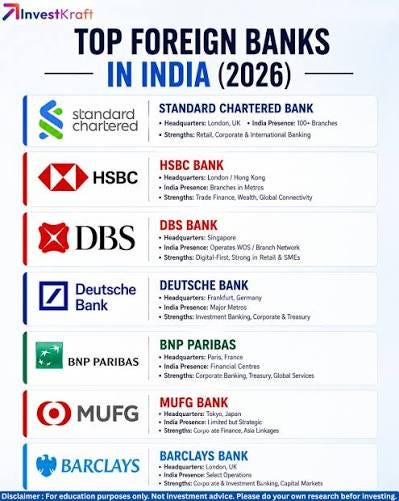
After more than a year of searching for a buyer, Deutsche Bank has finally found one. Kotak Mahindra Bank is buying its India retail and wealth business for ₹282 crore.
What’s the deal: the acquisition will bring ₹29,000 crore of loans, ₹16,000 crore of deposits, ₹10,500 crore of assets under management (AUM), around 1.5 lakh customers and nearly 1,000 employees into Kotak’s fold.
The why: the deal strengthens its presence in the affluent customer segment and Small and Medium-sized Enterprise (SMEs) while instantly adding a large customer base, deposits and investment assets.
“This transaction aligns well with our focus on the affluent and SME segments. It is a strong strategic fit and makes sound commercial sense,” said Ashok Vaswani, MD & CEO of Kotak Mahindra Bank.
Why is Deutsche selling: this has been coming for a while. Deutsche Bank has been trying to streamline its global business and focus on areas where it is strongest, mainly corporate and investment banking. Selling its consumer business in India fits that strategy.
“This transaction marks an important step in sharpening Deutsche Bank’s portfolio and focusing on areas where we have scale, strength and the ability to deliver sustained returns,” said Kaushik Shaparia, CEO of Deutsche Bank Group India.
The timeline: this isn’t the first time Deutsche has tried to exit this business. Back in 2018, it explored selling the business to IndusInd Bank, but the deal never materialised.
Fresh discussions with Kotak picked up in early 2025, eventually leading to this agreement after months of negotiations.
While we are on deals, 💸
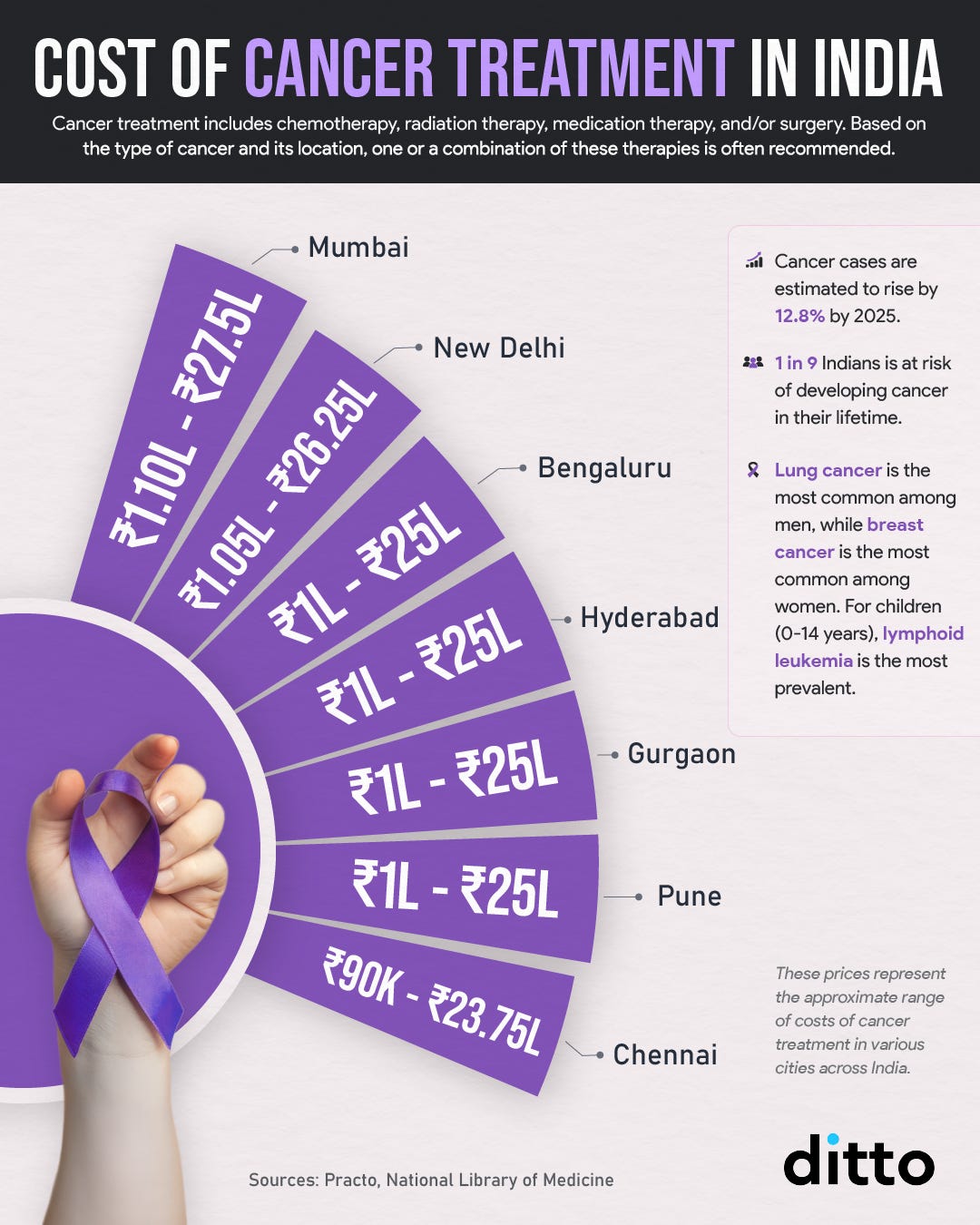
Shilpa Medicare shares gained over 4% on Tuesday after the company partnered with Finland’s Orion Corporation to develop and supply a lower-cost cancer treatment for Europe.
Quick context: the treatment is a biosimilar version of nivolumab, a widely used cancer immunotherapy that’s administered through an IV drip.
Why it matters: the drug, nivolumab, is one of the world’s most widely used immunotherapy treatments for cancer and generated around $4.1 billion in European sales in 2025.
2. Is this India’s biggest port deal yet? ⚓
Adani Ports sold a 49% stake in its Vizhinjam Port to Terminal Investment Limited (TiL), the port investment arm of global shipping giant MSC Group.
At a valuation of $2.85 billion, this is the largest foreign private investment India has ever attracted into its port sector, subject to regulatory approvals.
Stock movement: following the news, shares of Adani Ports & SEZ inched up 2%.
Why it matters: the partnership is expected to give Adani Ports a major business boost. One major opportunity is cargo from Bangladesh, much of which currently passes through rival ports in Southeast Asia. Vizhinjam could now capture a larger share of that traffic.
The deal is also expected to strengthen the port’s position on key East Africa shipping routes and bring in more cargo overall.
3. India’s solar expertise heads to Egypt ☀️
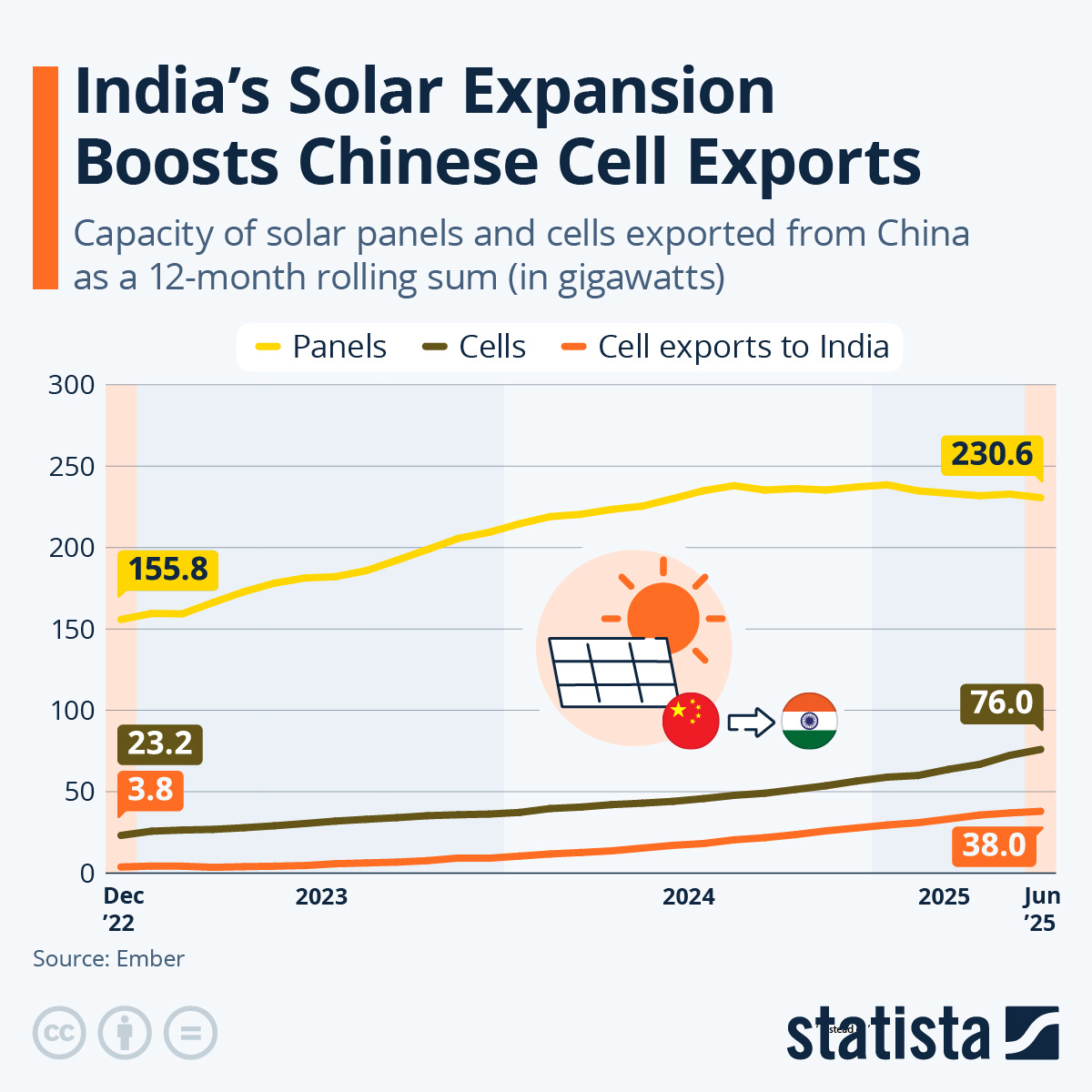
Sterling and Wilson Renewable Energy won a $560 million order to build a 1 GW solar power project with battery storage in Egypt.
The deets: the project will be executed through the company’s 50:50 joint venture with Egypt’s Hassan Allam Construction.
Located in Egypt’s Minya Governorate, it will combine a 1,000 MW solar plant with a 600 MWh Battery Energy Storage System (BESS), making it one of the country’s largest renewable energy projects.
The solar plant can generate electricity for roughly 7-10 lakh homes. The battery works like a giant power bank, storing extra solar electricity during the day and supplying it after sunset.
Why Egypt matters: Egypt is quickly becoming a major solar market. The country wants 42% of its electricity from renewable energy by 2030.
4. Third time’s the charm for OYO? 💰
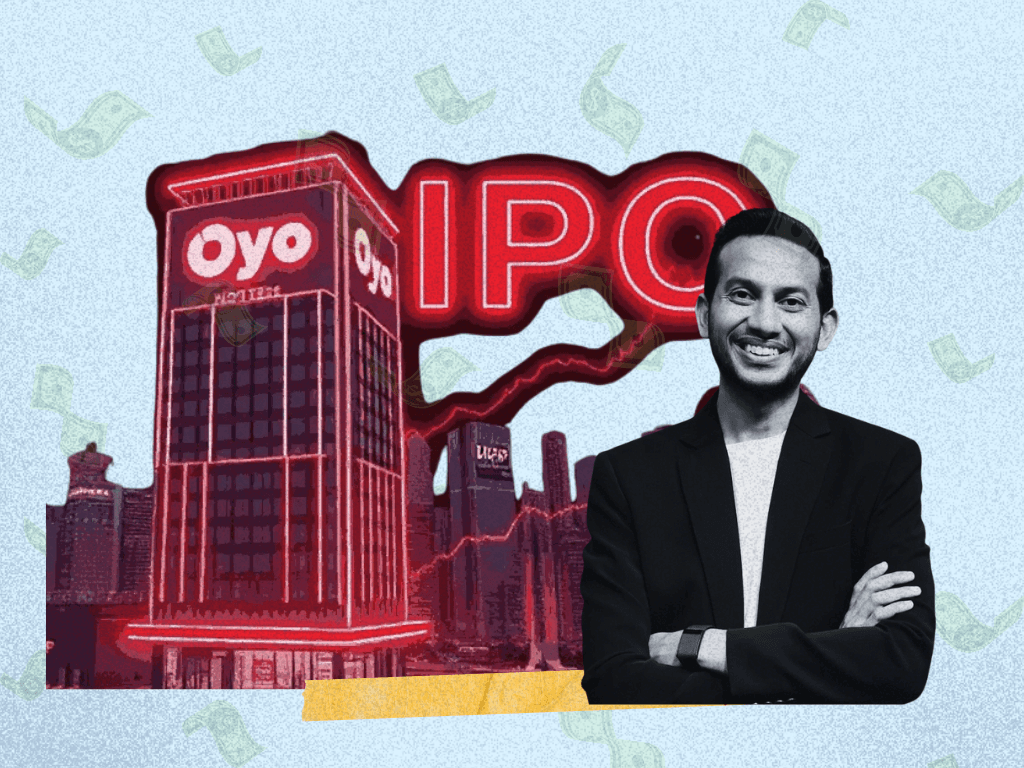
OYO's parent company, PRISM, filed updated IPO papers with SEBI to raise up to ₹6,650 crore through a fresh share sale.
The journey: the first attempt came in 2021, during the startup funding frenzy. OYO was aiming for an eye-popping $10-12 billion valuation, but the company was still burning cash, global markets turned volatile, and the IPO never took off.
The second attempt followed in 2023. By then, the company had started reporting profits, but investors were still wary of richly valued tech startups, forcing OYO to pull back once again.
Now comes attempt number three. This time, the company is returning under its parent entity, PRISM, with a more realistic valuation target of $7-8 billion.
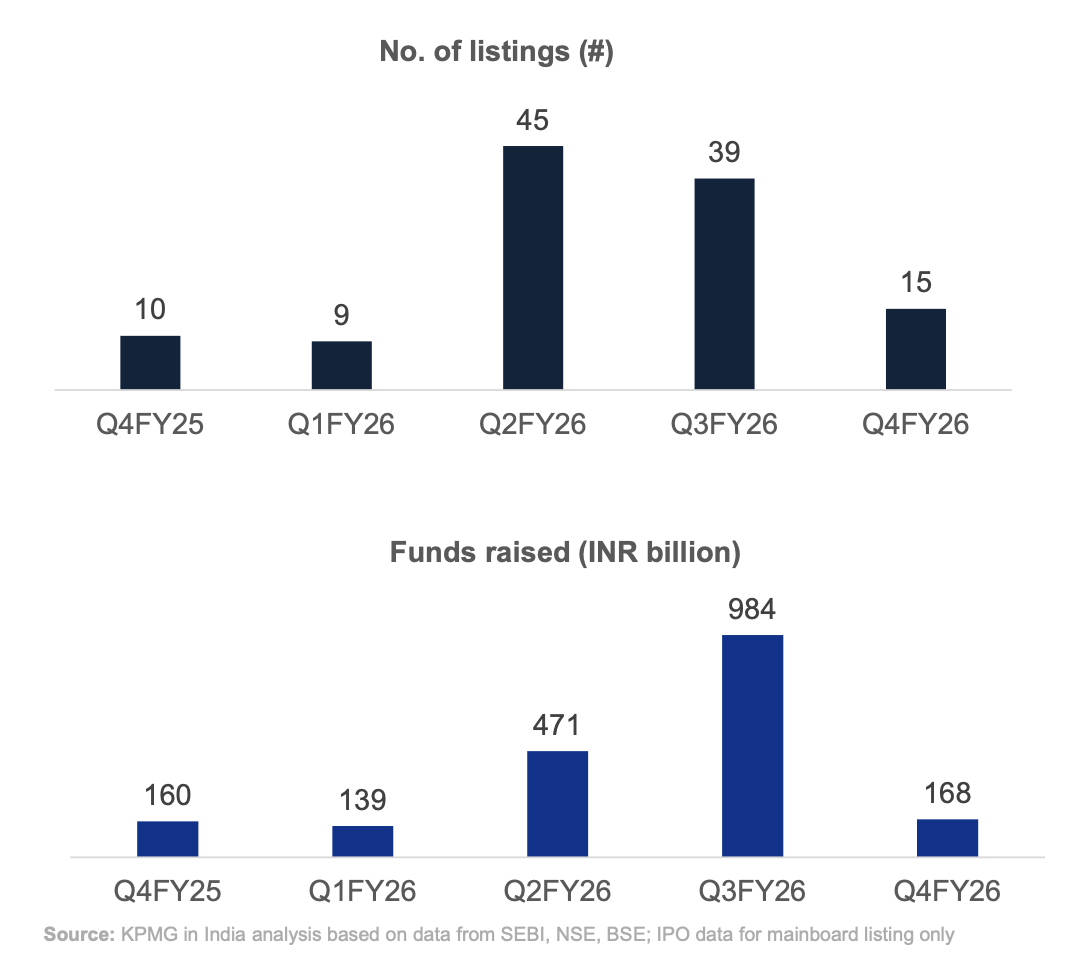
The big picture: India’s IPO market has cooled after a blockbuster FY26. Mainboard IPOs fell from 39 in Q3 FY26 to just 15 in Q4 FY26, while funds raised dropped from ₹984 billion to ₹168 billion.
5. Happy 19th birthday to the iPhone! 📱
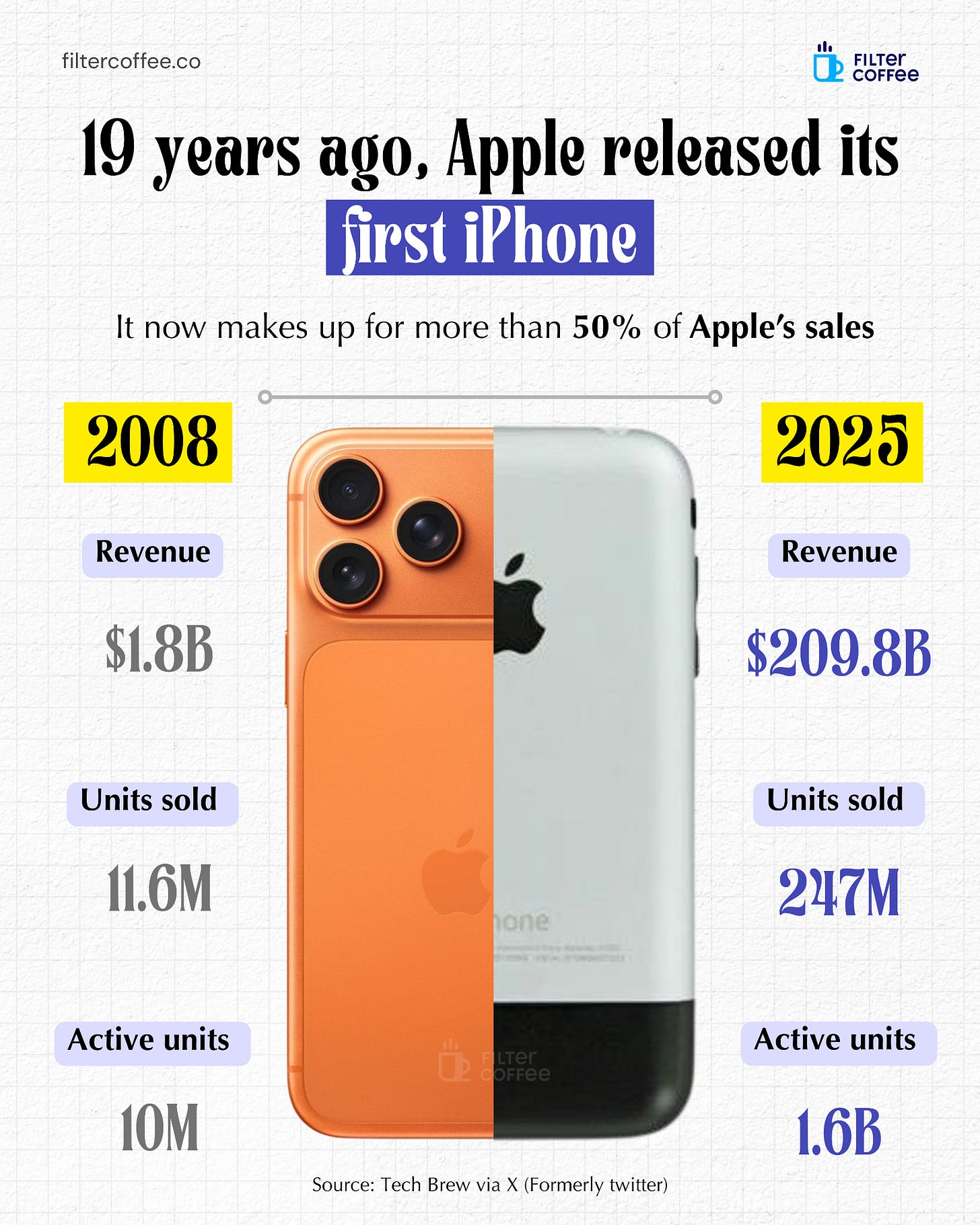
Nineteen years later, the iPhone is still Apple’s biggest business. It generates over half of Apple’s revenue, but its biggest impact goes far beyond numbers.
The iPhone didn’t just change how we communicate. It changed how we work, travel, shop, learn, create and even spend our free time. It put the world in our pockets, but also made us rethink what it means to be truly present.
It completely changed human behaviour.
And very few products can say they changed the world twice, first by being invented, and then by becoming impossible to live without.
6. Why is AI driving a global RAM shortage? 🤔
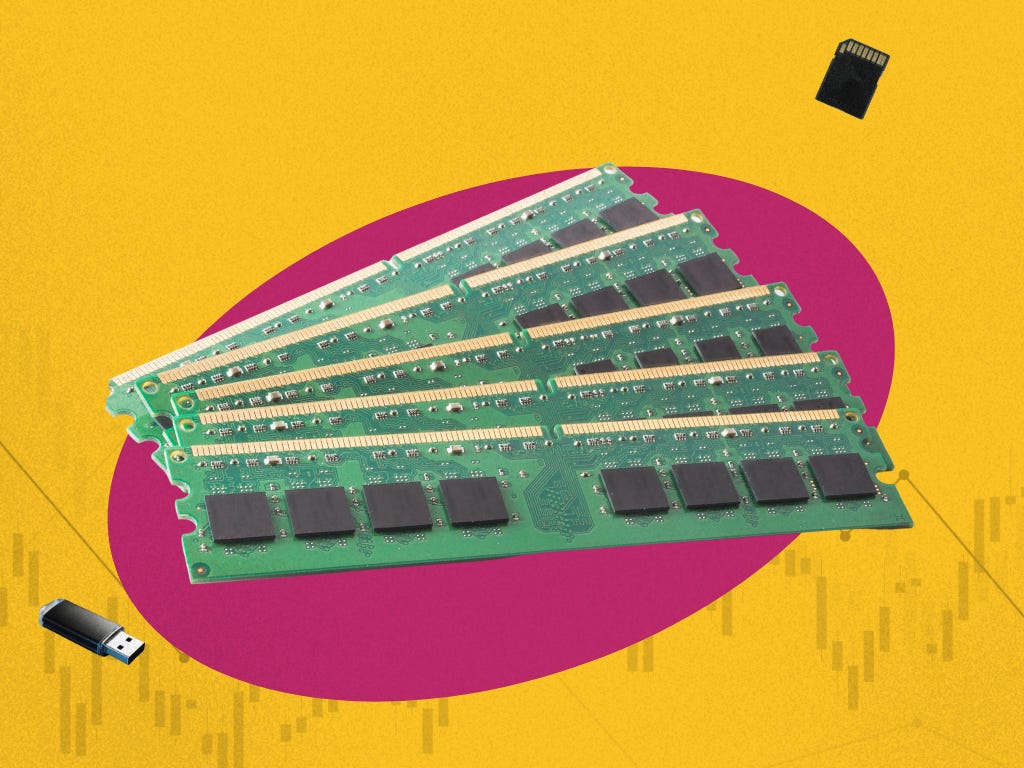
AI is creating unprecedented demand for memory chips.
Tech giants like Microsoft, Amazon, Google and Meta are collectively spending hundreds of billions of dollars on AI infrastructure, and every AI server needs massive amounts of high-performance memory.
The catch? Just three companies: Samsung, SK Hynix and Micron dominate the global D-RAM market, and new manufacturing capacity takes years to build.
As businesses spend more on servers, computers and cloud infrastructure, those higher costs could eventually ripple across the wider economy.
7. Stocks that kept us interested 🚀
What went up ⬆️
⚡ Waaree Energies shares rose 2% after its subsidiary secured a 236.2 MW solar module supply order from a renewable infrastructure company.
🤝 Dixon Technologies shares gained after a CNBC-Awaaz report said its proposed joint venture with Vivo may soon receive government approval.
🚘 Maruti Suzuki shares went up 5% after brokerage firm Jefferies upgraded the stock to ‘Buy’ and raised its target price to ₹16,500.
🚀 Transformers & Rectifiers shares jumped 5% after securing a ₹1,000 crore order from Power Grid Corporation of India.
What went down ⬇️
🔻 Genus Power shares fell up to 6% after a pre-open block deal, with 88 lakh shares, or 2.9% equity, changing hands.
📉 Yes Bank shares fell 3% despite announcing plans to raise ₹16,000 crore and receiving an ₹879 crore income-tax refund.
🔌 Eicher Motors shares fell nearly 5% amid profit booking and concerns over Delhi’s proposed EV policy impacting Royal Enfield.
What else are we snackin’ 🍿
🤖 AI partnership: Tech Mahindra partnered with Perplexity to integrate AI into its sales operations, helping teams improve customer engagement, sales productivity and decision-making.
🏛️ Fiscal update: India’s fiscal deficit stood at 9.6% of the FY27 target during April–May, with the government retaining its full-year deficit goal of 4.3% of GDP (₹16.96 lakh crore).
💻 Chip mission: the centre has cleared a ₹1.25 lakh crore outlay for India Semiconductor Mission 2.0, moving the proposal a step closer to Cabinet approval and boosting the country’s chip manufacturing ambitions.
That’s a wrap! Don’t let the weekday blues get to you.
And if you’d like to place your brand on this newsletter, let us know.
Hit that 💚 if you liked this issue.