
 Newsletter
Piped gas rejoice, Teens get their own AI, and It’s skincare’s era.
🗓️ Morning, folks! ☀️
OpenAI is giving ChatGPT a teen-friendly makeover. It has announced ChatGPT for Teens, which comes with extra safety guardrails to limit harmful or age-inappropriate content.
OpenAI also wants teens to learn with AI, not outsource their homework to it. Study Mode guides them through problems instead of handing over answers, while quizzes, visualisations and homework reminders aim to curb cheating.
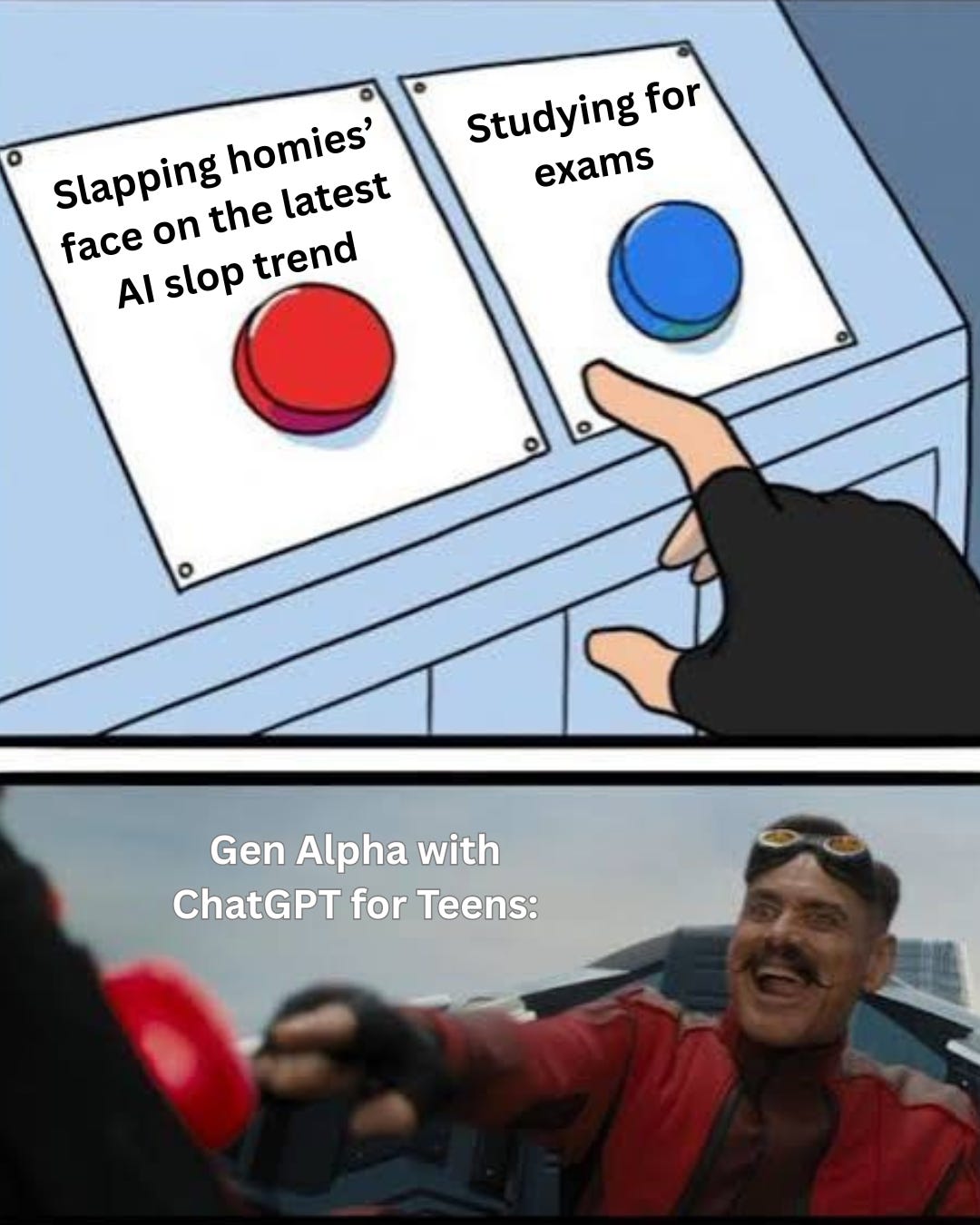
But there’s a catch: teens are pretty good at finding loopholes. And nearly four years after ChatGPT launched, the obvious question remains: why now? Whatever the reason, the bigger question will always be this: can OpenAI push teens to stop the slop pandemic too?
Back to where money moves. 💸
Indian markets ended lower for the 7th straight session on Wednesday. Sensex & Nifty fell up to 0.4%.
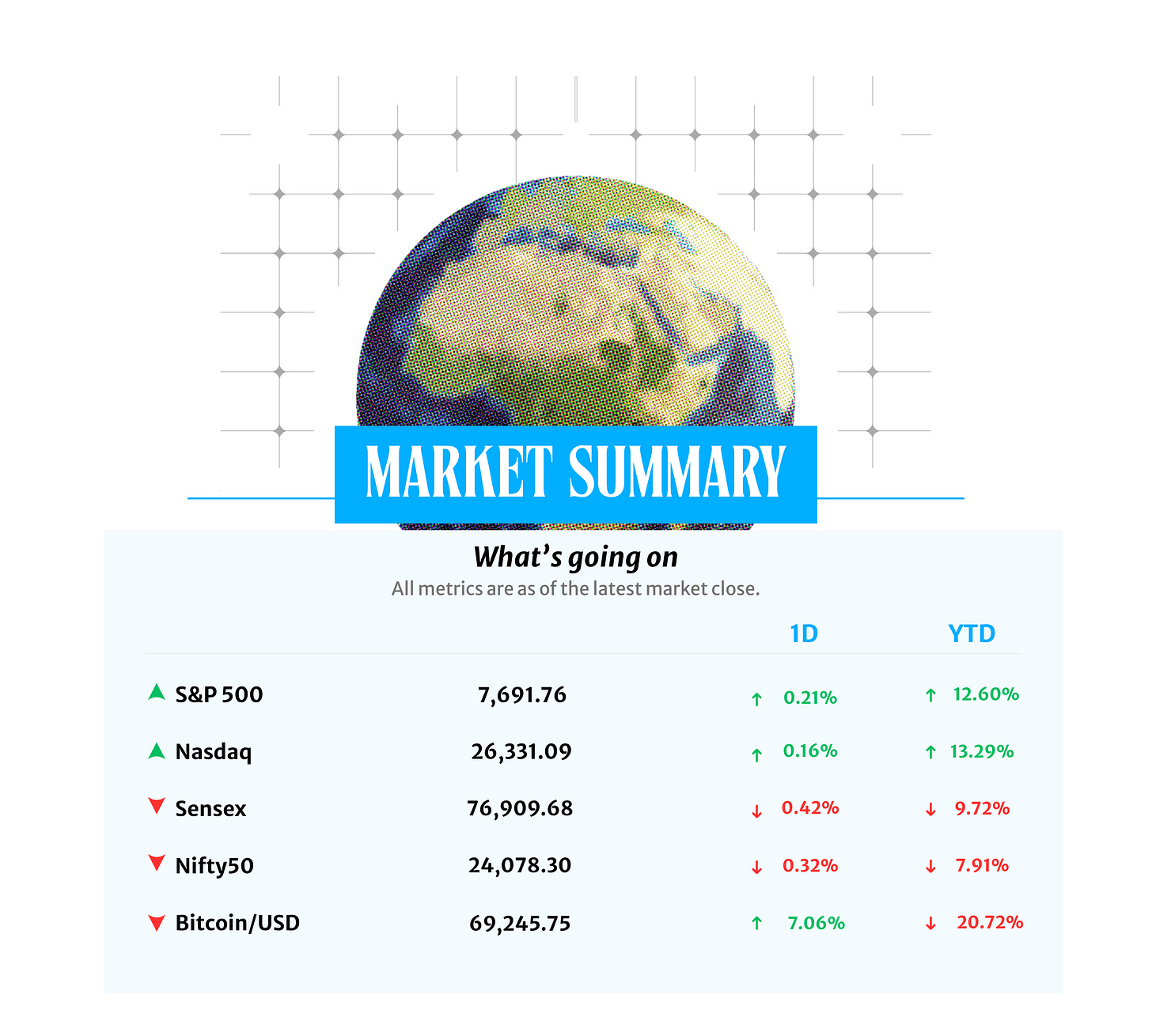
Rising crude oil prices are making investors nervous as tensions between the US and Iran remain unresolved.
Sector wise, IT stocks gave up gains but managed to end higher after CLSA downgraded several large IT companies. Capital goods and defence stocks also saw selling, while financial stocks held up relatively better. Sugar stocks stayed sweet, with Bajaj Hindusthan Sugar jumping 10% as the recent rally continued.
💡Spotlight: India takes its piped gas push further 🔥
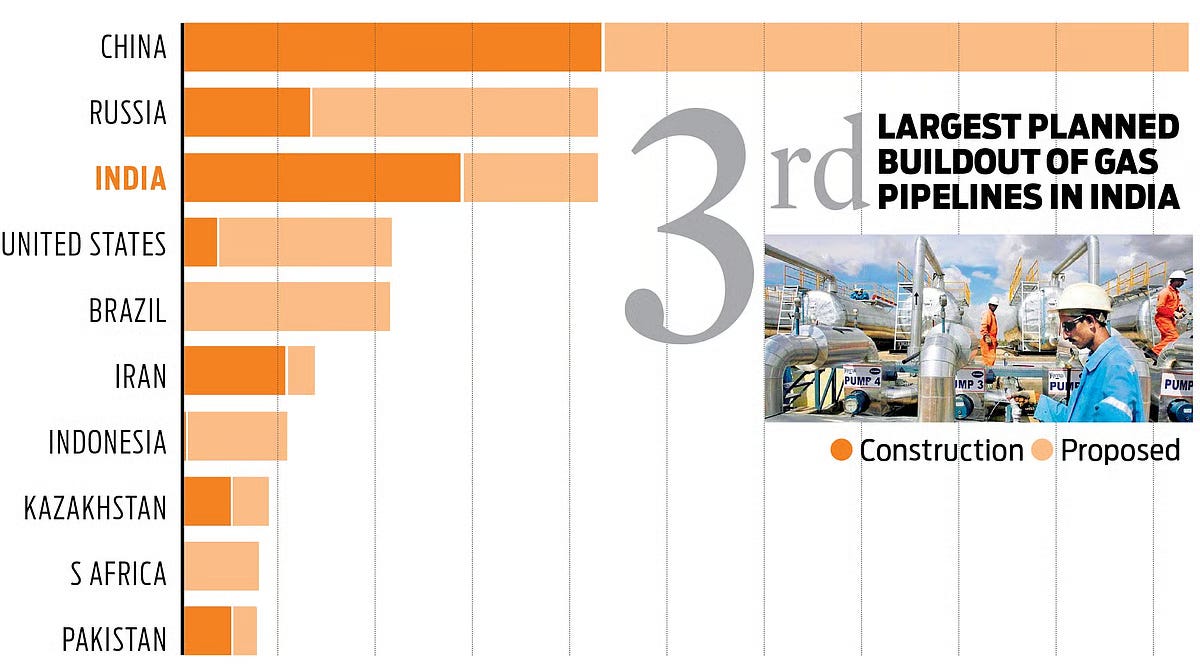
Shares of Indraprastha Gas, Mahanagar Gas and Adani Total Gas gained up to 3% after the government announced a new incentive to get more Indian households using piped cooking gas.
What’s going on: starting September, every time a city gas company gets a household to start using and paying for piped natural gas (PNG), the company will get access to an additional 200 standard cubic metres of cheaper and domestically produced gas.
This lowers the companies’ overall cost of buying gas and, according to the government, could help them recover the money spent on new household connections in around three years instead of nearly 10 years.
With the US-Iran conflict disrupting fuel supplies and making imports more expensive, getting more households onto piped gas could eventually reduce India’s dependence on imported LPG and lower the government’s subsidy burden.
Let’s hit it! 💪🏻
1 Big Thing: KKR wants a piece of the show 🎭
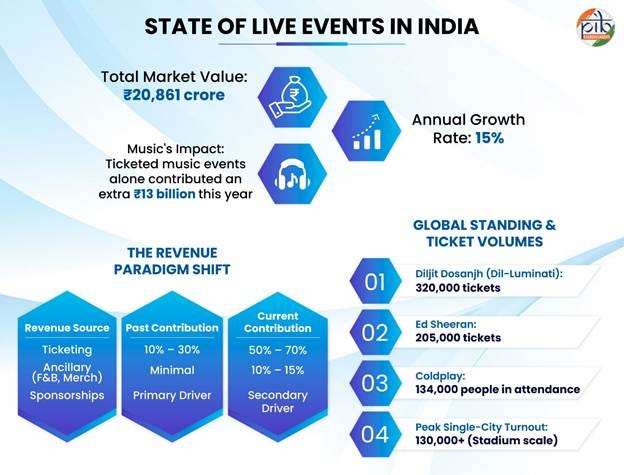
The app you probably use to book a movie ticket, comedy show or concert is getting global backing. Private equity giant KKR has signed a deal to acquire a minority stake in BookMyShow.
The companies haven’t disclosed the financial terms. However, Mint reported that KKR is likely to acquire around 6% of BookMyShow, valuing the company at roughly $650-750 million.
The deets: BookMyShow started with movie ticketing, but today it wants a much bigger piece of how Indians spend money when they step out for entertainment.
And KKR sees a pretty straightforward opportunity here. India has a huge young population and people are increasingly willing to spend on experiences.
KKR’s Akshay Tanna said the acquisition will help the country become a bigger destination for global artists and events.
Competition: in 2024, Zomato parent Eternal bought Paytm’s entertainment and ticketing business for ₹2,048 crore and folded its going-out businesses into District.
That made District a much more direct competitor to BookMyShow across movies, dining, events and other experiences.
Zoom out: according to IMARC Group, the online event-ticketing market was worth $3.6 billion in 2025 and could reach $7.9 billion by 2034, growing around 8.6% annually.
KKR is essentially betting that as Indians have more disposable income, a growing chunk of that money will go towards experiences.
2. Wipro’s ₹387 crore skincare haul 🛍️
Wipro’s personal care arm, Wipro Consumer Care & Lighting, will acquire a 60% stake in premium skincare brand Dermatouch for ₹387 crore.
The why: one of the obvious answers is that we live online and this is a digital first brand. But there’s a much bigger business reason.
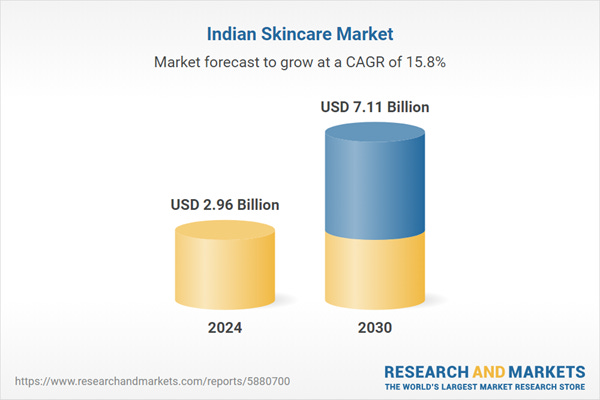
India’s premium skincare market is currently estimated at around ₹30,000 crore and is growing 15-16% annually. Wipro expects the category to become a massive ₹3 lakh crore market over the next decade.
And Indians are still relatively light skincare spenders.
Annual per-person skincare spending in India is around $2, compared with roughly $20 in China. Derma skincare, which focuses on specific concerns such as acne, pigmentation and sun protection, accounts for only about 8% of India’s skincare market.
Acquisition details: Dermatouch’s revenue more than doubled to ₹131 crore in FY26, with online channels accounting for as much as 90% of sales.
Wipro already has an international skincare portfolio with brands including Derma Lab, Dr Dermis and Bio-essence, generating around ₹700 crore in sales.
Big theme: India’s big consumer companies have clearly noticed what’s happening.
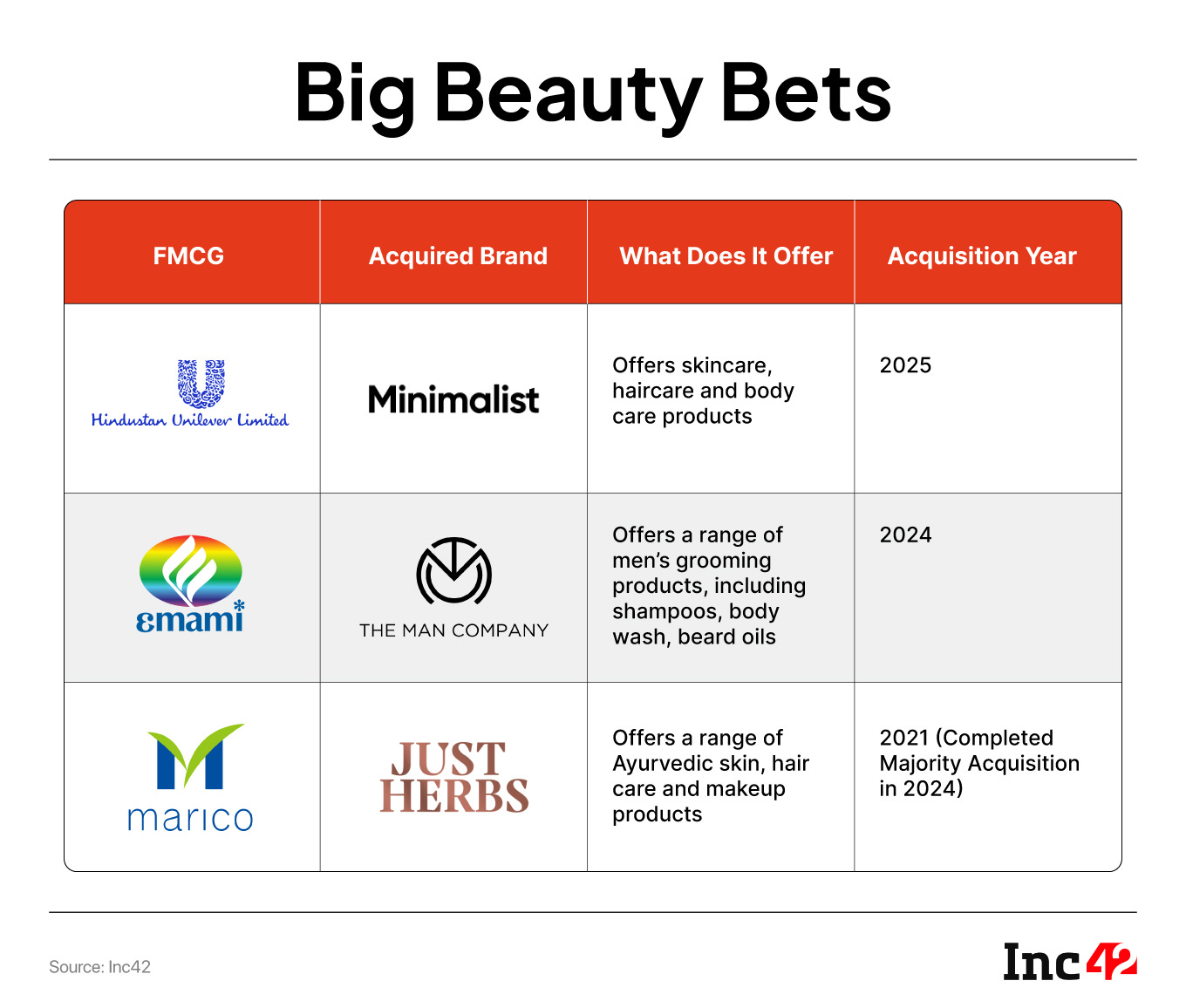
Hindustan Unilever acquired Minimalist for ₹2,706 crore. Marico bought a majority stake in Plix for ₹380 crore. Emami acquired The Man Company for ₹272 crore.
Dabur invested ₹60 crore in RAS Beauty, while L’Oréal acquired a majority stake in Innovist, the company behind Chemist at Play and Bare Anatomy. Estée Lauder has also announced plans to acquire the remaining 51% of Forest Essentials.
While we are on acquisitions 🤝,
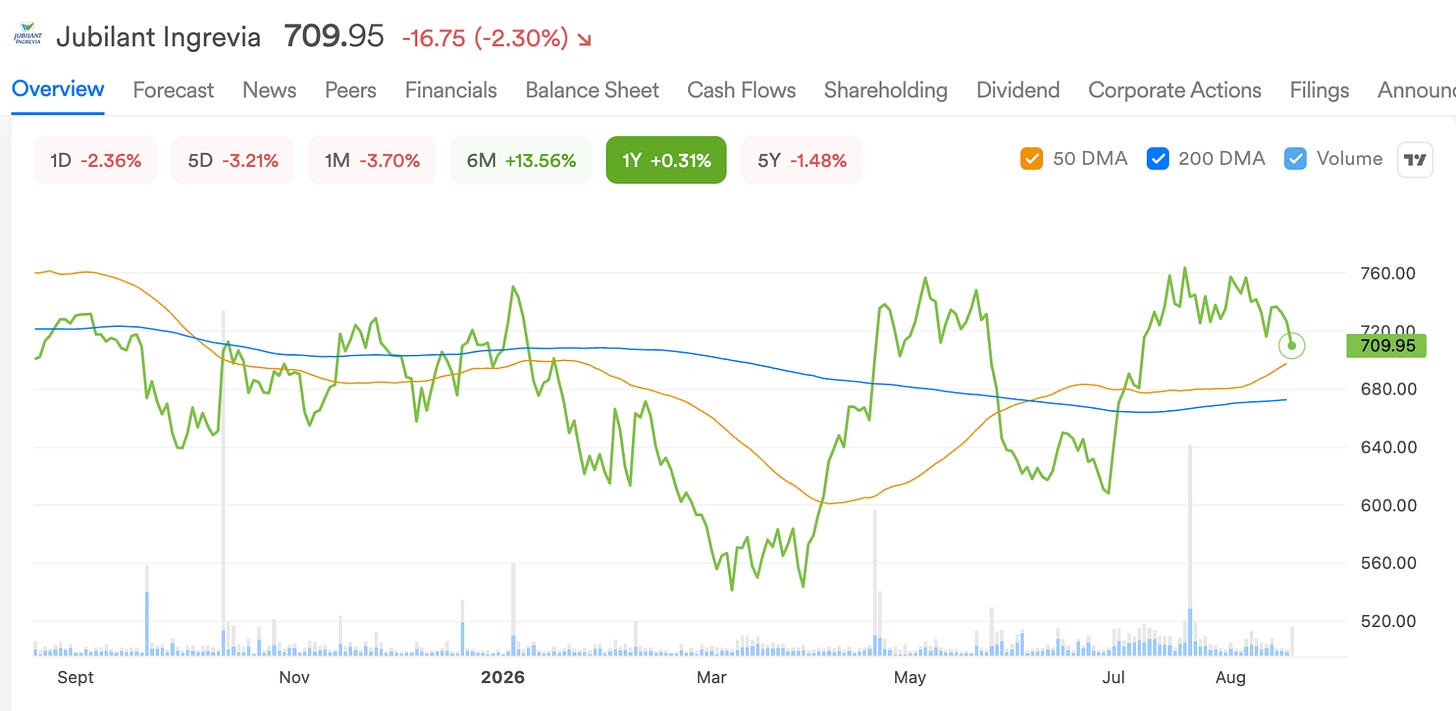
Jubilant Ingrevia will acquire a 40% stake in Zettaone Technologies India for ₹189.2 crore, giving it a bigger foothold in India’s electronics and semiconductor manufacturing space.
Once the deal is completed, Zettaone will become an associate company of Jubilant Ingrevia.
Zettaone designs and manufactures Printed Circuit Boards (PCBs), the boards inside electronic devices that connect different components and allow them to work together. Its expertise is particularly in high-speed and high-power electronics.
The why: Jubilant wants to offer customers more of the electronics manufacturing process under one roof. Zettaone’s PCB capabilities will complement Jubilant’s existing electronics and semiconductor business and help it serve customers across a larger part of the supply chain.
3. L&T adds $75 million to its order haul 💸
L&T Technology Services has won a five-year contract worth over $75 million from a major global technology company.
The company did not reveal the client’s name, citing confidentiality terms under the agreement.
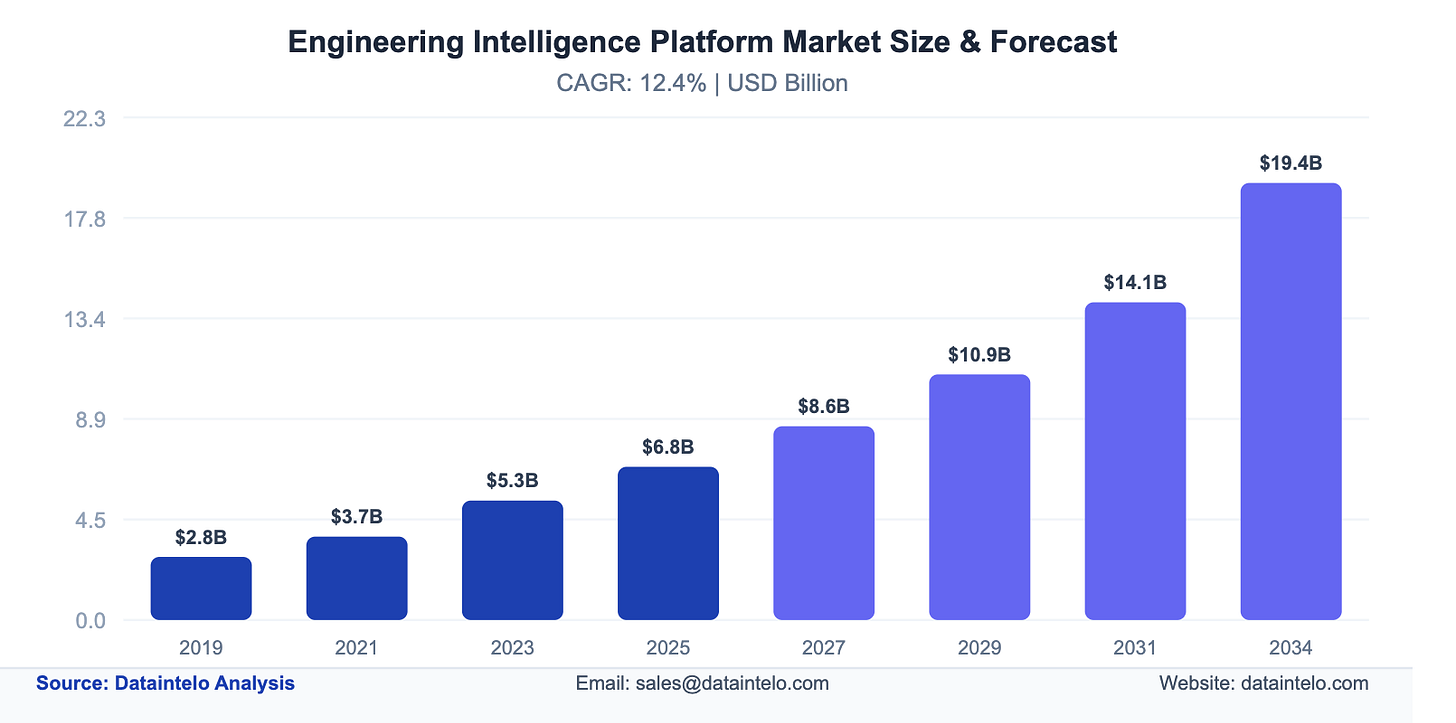
What is happening: LTTS will use its Engineering Intelligence (EI) capabilities across the client’s entire product development and engineering process. This will help the company develop and launch next-generation products faster across global markets.
Think of it like a software detective. Instead of just yelling “something’s broken!”, it digs through engineering data, customer needs and live performance to figure out what broke, why it broke and how to fix it.
The longer game: this deal comes as the L&T group continues to build its order book across businesses and geographies.
L&T Energy Hydrocarbon Offshore recently secured an ultra-mega order worth over ₹15,000 crore from ADNOC Offshore to develop multiple offshore facilities in the Middle East. Its Heavy Engineering business has also won large international orders worth ₹2,500-5,000 crore each across Asia, Africa, North America, South America and Europe.
Closer to home, L&T won a ₹10,000-15,000 crore order to build India’s largest single-cluster AI infrastructure facility, marking its entry into the AI Factory business.
4. The creator economy beyond influencers 💸
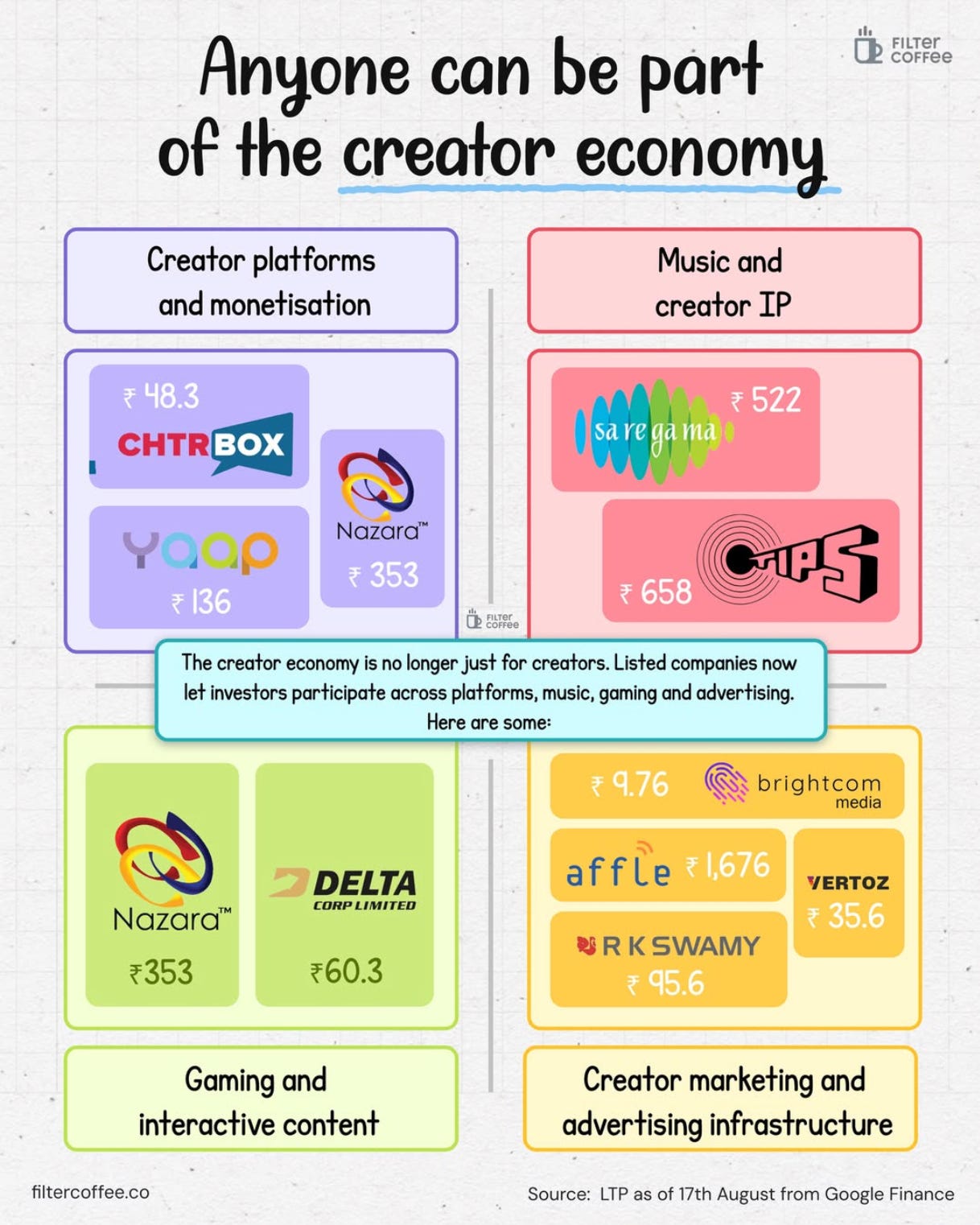
When you hear the term ‘creator economy,’ first thing that comes to your mind is probably influencers. But investors can now get a piece of it. There are listed companies connected to everything from creator platforms and music to gaming and digital advertising.
Chatterbox and Yaap play in creator platforms and monetisation, while Saregama and Tips Music give exposure to music and creator IP. Nazara and Delta Corp sit on the gaming side.
Basically, you don’t need a million Instagram followers to participate in the creator economy; a demat account could do the job too.
5. Stocks that kept us interested 🚀
What went up ⬆️
💰 Vijay Kedia bought a ₹33 crore stake in Zaggle Prepaid via a bulk deal, stock jumped up to 12%.
🚀 Shiprocket soared 10% after a bumper market debut, rallied 48% from IPO price.
⛏️ Prism Johnson gained 5% after securing coal supply contracts from Coal India subsidiaries.
🚆 RailTel gained nearly 4% after bagging a ₹166.8 crore work order from EPFO.
❄️ Ducon Infratechnologies rose more than 3% after securing a contract for a forced cooling network system.
⚡ HG Infra Engineering received an LOI for transmission projects in Uttar Pradesh, stock up 2%.
What went down ⬇️
📉 Gold-related stocks came under pressure as the fall in gold prices weighed on Manappuram Finance and Muthoot Finance, both declined up to 2%.
What else are we snackin’ 🍿
🚆 Infra push: the Cabinet approved ₹13,041 crore of rail and highway projects, including ₹9,450 crore for four railway multitracking projects and a ₹3,591 crore Bihar highway upgrade.
💻 Mega UK deal: Cognizant secured a £360 million contract from the UK’s HMRC to build, manage and modernise its low-code technology platforms through 2031.
🛡️ Private defence: DRDO has invited private Indian firms to compete for strategic weapons projects, potentially expanding private-sector participation into missile and other advanced weapons development and production.
🚆 Train booking: Uber has launched train ticket booking in India through an integration with ixigo, letting users book rail journeys and connect them with Uber rides in one app.
That’s a wrap! Don’t let the weekday blues get to you.
And if you’d like to place your brand on this newsletter, let us know.
Hit that 💚 if you liked this issue.
Disclaimer: This newsletter is for informational and research purposes only. Nothing here should be considered financial, investment, legal, or professional advice.