
 Newsletter

Green screen for D-street, October MF inflows fall, and Microsoft’s m-cap beats Nvidia.
🗓️ Morning, folks! ☀️
A solid Wednesday for Indian markets, with the Sensex and Nifty closing at fresh nine-month highs, supported by buying in financial stocks and gains across several sectors.
Auto, banking and FMCG stocks led the rally, while pharma and healthcare remained relatively subdued.
💡 Spotlight: falling crude prices lift these stocks 💪🏻
Shares of IndiGo, Asian Paints, Apollo Tyres and several oil marketing companies rose 2-4% after Brent crude fell nearly 3% to $89.66 a barrel on Tuesday morning, its lowest level since August 31.
Oil prices dropped after US president Donald Trump said the war on Iran is ‘effectively over.’
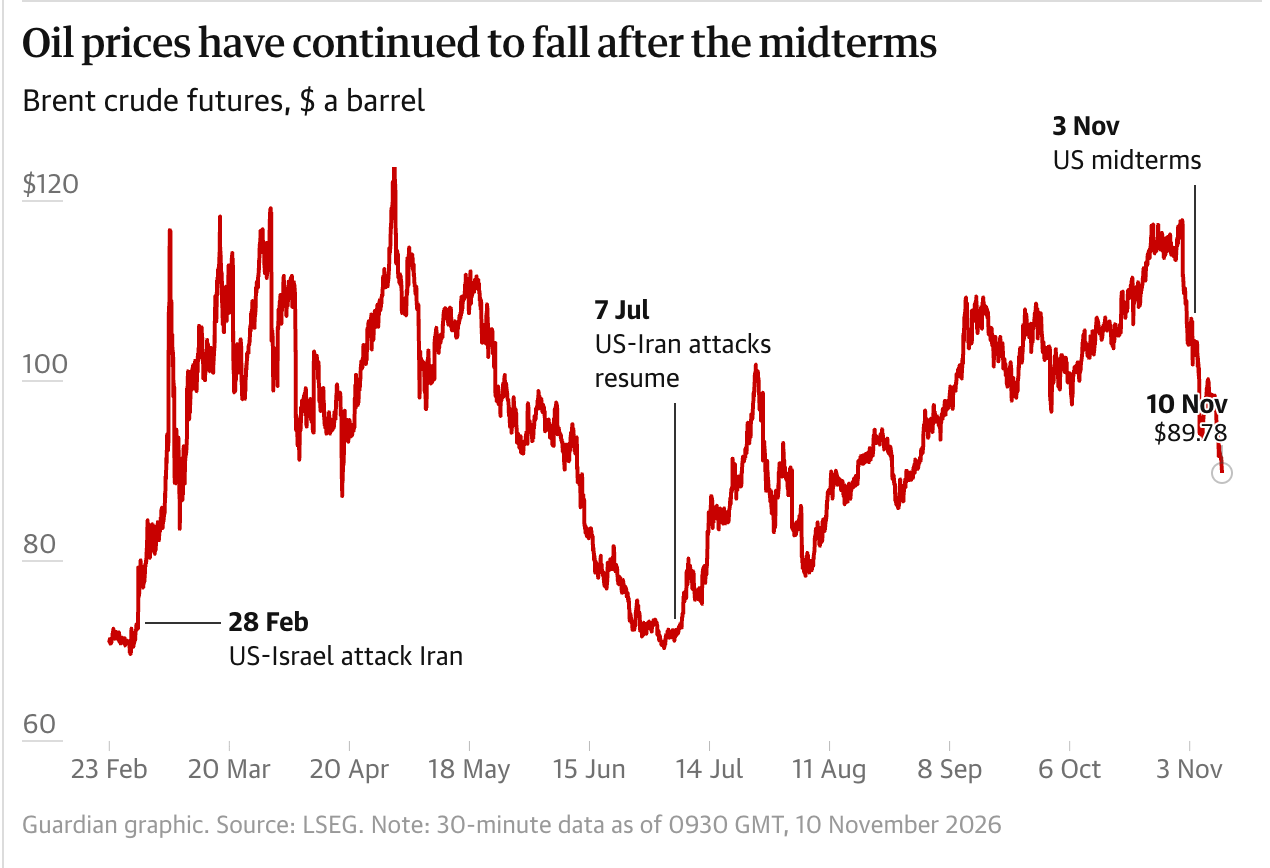
What drove the rally: cheaper crude could lower costs for airlines, paint makers and tyre manufacturers, boosting investor sentiment. The stocks gained even as oil prices recovered modestly amid renewed concerns over shipping disruptions in the Strait of Hormuz.
Why these sectors benefit: they rely heavily on petroleum-based fuels and raw materials.
For IndiGo, aviation turbine fuel is a major expense. A sustained fall in crude prices could lower fuel bills and improve profitability.
Paint makers, including Asian Paints, Berger Paints and Kansai Nerolac, could benefit from cheaper petroleum-based raw materials and solvents.
Tyre manufacturers, such as Apollo Tyres, CEAT and JK Tyre, could also see lower costs for inputs such as synthetic rubber and carbon black.
Let’s hit it! 💪🏻
1 Big Thing: A fertiliser cushion for farmers 🧑🌾
The Union Cabinet approved a ₹62,370 crore fertiliser subsidy package for the Rabi 2026-27 season, up 64% from ₹37,952 crore last year. The package will help keep Di-ammonium Phosphate (DAP), a widely used fertiliser, available to farmers at ₹1,350 per bag.
How it works: the government pays part of the cost of these fertilisers to companies that make or import them, helping farmers buy them at lower prices.
It decides how much to pay each crop season, based on fertiliser prices in India and abroad, along with the cost of making them.
The government also approved ₹41,534 crore for the Kharif 2026 season. These fertilisers help farmers grow wheat, pulses and oilseeds.
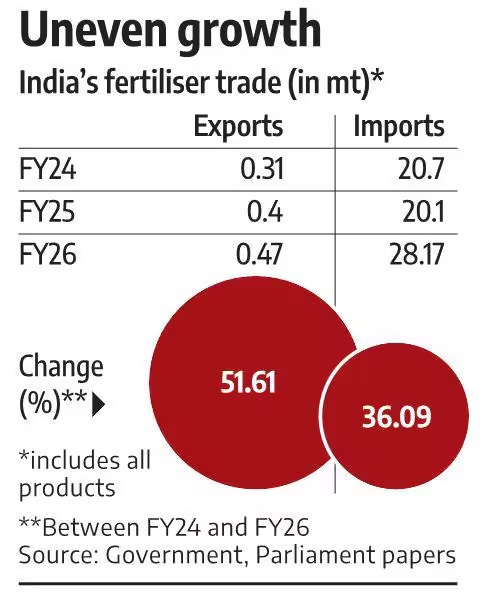
Why it matters: India’s fertiliser imports rose 36% between FY24 and FY26, leaving it exposed to global price swings. The subsidy helps cushion farmers from higher costs as they prepare to sow winter crops.
Market reaction: fertiliser stocks rose as the package is expected to help companies supply affordable fertilisers despite higher production costs.
Shares of Fertilisers and Chemicals Travancore (FACT), Coromandel International and Gujarat State Fertilisers and Chemicals (GSFC) gained between 3-8%.
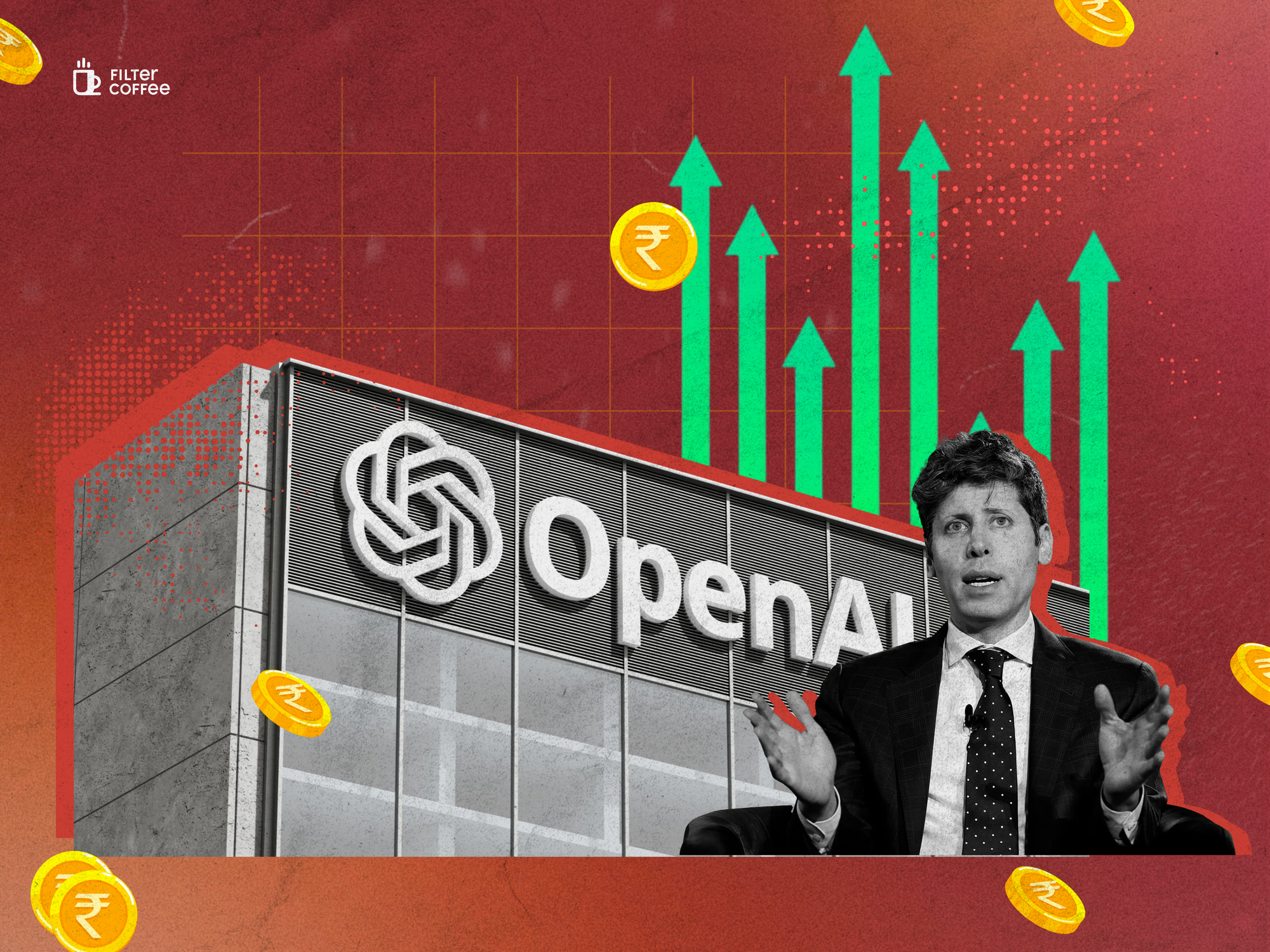
2. OpenAI’s $10B quarter still ends in losses 🤯
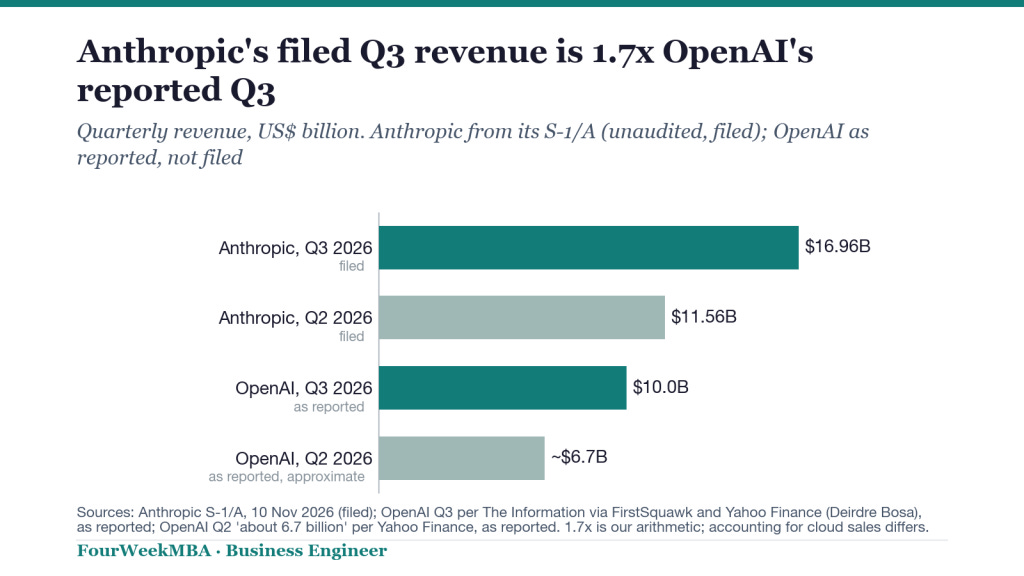
OpenAI’s quarterly revenue reached $10 billion for the first time, but the company still lost more money than it earned.
What happened: revenue increased nearly 50% from the previous quarter and almost tripled from last year.
Note: the numbers were reportedly shared with investors during a call on Tuesday. OpenAI has not publicly released the results or commented on the reports.
By the numbers 📊:
- Operating loss at $10.9 billion, up from $10.1 billion.
- Operating margin at (-)109%, compared with (-)150% in Q2
- Annualised revenue at roughly $50 billion at the end of September
A -109% operating margin means OpenAI lost around $109 from its regular business operations for every $100 it earned.
OpenAI is also entering travel: alongside the financial update, OpenAI has acquired Odessia, a young AI travel startup founded by Francis Davidson.
Odessia allowed users to plan and organise trips through an AI travel agent. It had raised $6 million in early funding led by Sequoia and launched its product only around five months ago.
The purchase price has not been disclosed.
3. ’Tis the season for losses? 🤔
Air India’s net loss exceeded ₹10,000 crore in the first half of FY27, according to disclosures by Singapore Airlines (SIA), which owns a 25.1% stake in the carrier. That’s nearly half its ₹22,000 crore loss for the whole of FY26.
Breaking it down: SIA reports its share of Air India’s losses in its own results. This fell about 15.8% from 429.5 million Singapore dollars a year earlier, suggesting that Air India’s losses narrowed.
Using the same exchange rate, Air India’s estimated loss in the first half of FY26 would have been around ₹12,900 crore.
The improvement offered some relief to SIA, but Air India continues to weigh on its earnings.
The impact on SIA: Singapore Airlines’ net profit fell 43.9% YoY to 134 million Singapore dollars in the first half of FY27.
Lower losses at companies it partly owns, mainly Air India, boosted earnings by 68 million Singapore dollars. A lower tax bill provided another 70 million Singapore dollars boost.
Background: SIA’s partnership with Tata Sons began in 2013, when they set up Vistara. After Vistara merged with Air India in November 2024, SIA received a 25.1% stake in the combined airline and invested another 360 million Singapore dollars.
4. Why do India’s electricity prices swing so wildly? 👀
Green electricity prices on the Indian Energy Exchange jumped 67% in October 2026, reaching ₹4.13 per unit. Yet, during some trading intervals that same month, wholesale electricity prices fell close to zero.
The problem? India is generating plenty of solar power during the day, sometimes more than the grid can absorb.
But after sunset, solar generation drops while electricity demand continues, pushing prices higher.
5. Stocks that kept us interested 🚀
What went up ⬆️
🔥 Jyoti Structures surged 19% after securing access to bank credit worth over ₹500 crore to execute its existing order book.
🚀 IIFL Finance gained 6% following the Blackstone deal and its board’s approval for a capital raise of ₹6,414 crore.
📈 Kalyan Jewellers went up over 8% after Q2 profit rose 64% YoY. UBS retained ‘Buy’ with a ₹900 price target.
💪🏻 Ashoka Buildcon rallied over 10% after securing an NHAI road project worth ₹865.9 crore.
😮💨 IRFC rose 3%, marking the biggest single-day gain since December 2025 as railway stocks rallied.
👆BHEL gained 2% after securing a ₹600-900 crore Power Grid order for two synchronous condensers in Gujarat’s Kalyanpur.
What went down ⬇️
📉 Cochin Shipyard tumbled nearly 7% after consolidated net profit fell 50% to ₹53.77 crore in the September quarter, from ₹107.5 crore a year earlier.
What else are we snackin’ 🍿
📈 Growth upgrade: Moody’s raised India’s FY27 GDP growth forecast to 7%, citing strong consumption, improving investments and solid economic fundamentals.
📉 MF slowdown: Equity mutual fund inflows fell 13.8% to ₹32,994 crore in October, with sharper declines in small-cap and mid-cap funds, while total AUM rose to ₹83.39 lakh crore.
💸 Tax collections: Net direct tax collections rose 11.76% to ₹14.42 lakh crore through November 10, while gross collections grew 14.02% in FY27.
💻 India layoffs: Qualcomm has begun layoffs in India, with over 1,000 employees potentially affected, including long-serving staff with strong performance records.
🤝 Leadership appointment: Sarvam appointed former Google Cloud India MD Sashikumar Sreedharan as its President and Chief Business Officer (CBO).
📈 Market shakeup: Microsoft overtook Nvidia as the world’s second-most valuable company, as Nvidia shares fell over 6% amid reports of a probe involving CEO Jensen Huang.
That’s a wrap! Don’t let the weekday blues get to you.

And if you’d like to place your brand on this newsletter, let us know.
Hit that 💚 if you liked this issue.
Disclaimer: this newsletter is for informational and research purposes only. Nothing here should be considered financial, investment, legal, or professional advice.