
 Newsletter
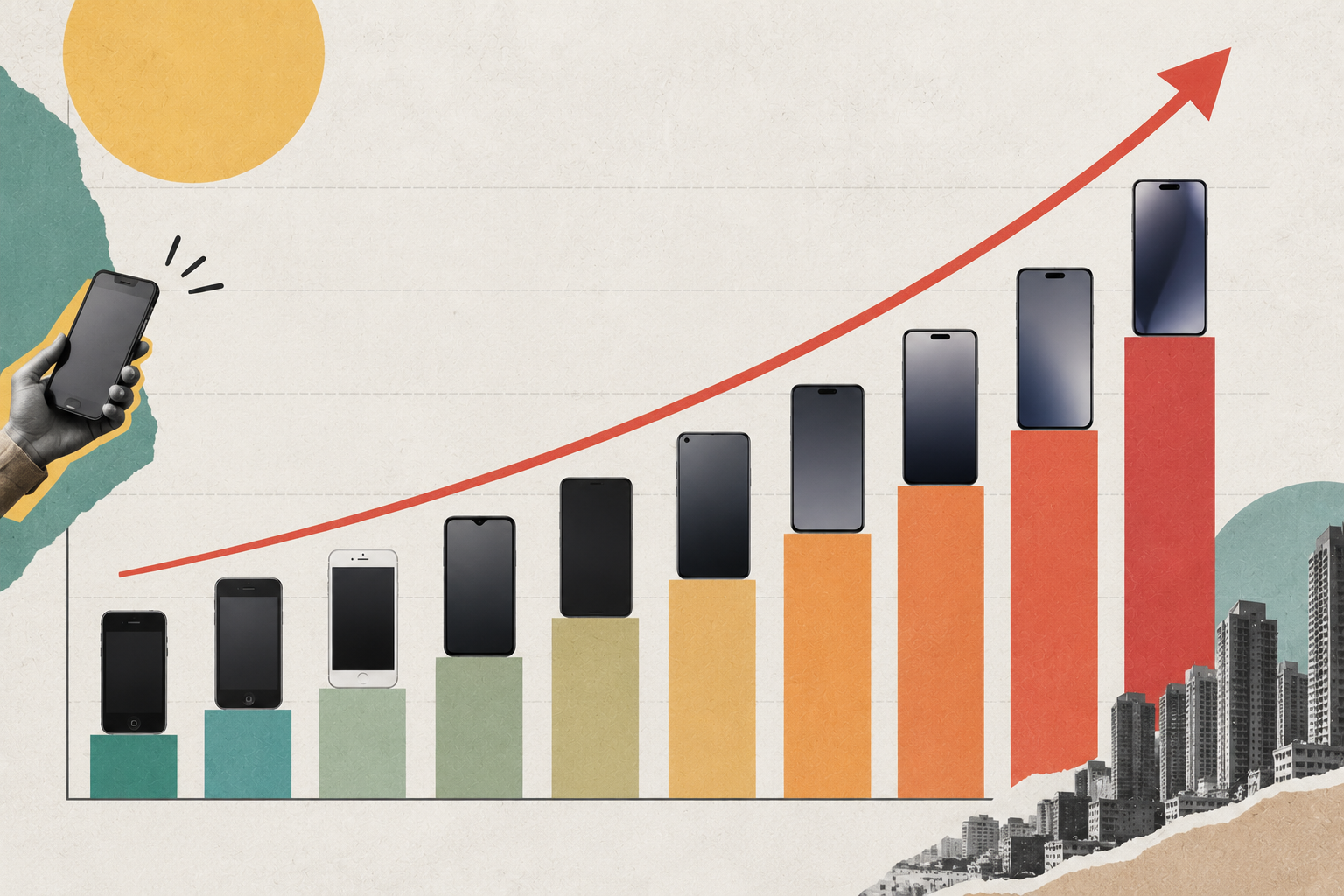
There was a time when ₹10,000 could get you a surprisingly good smartphone in India. That is becoming harder to say today.
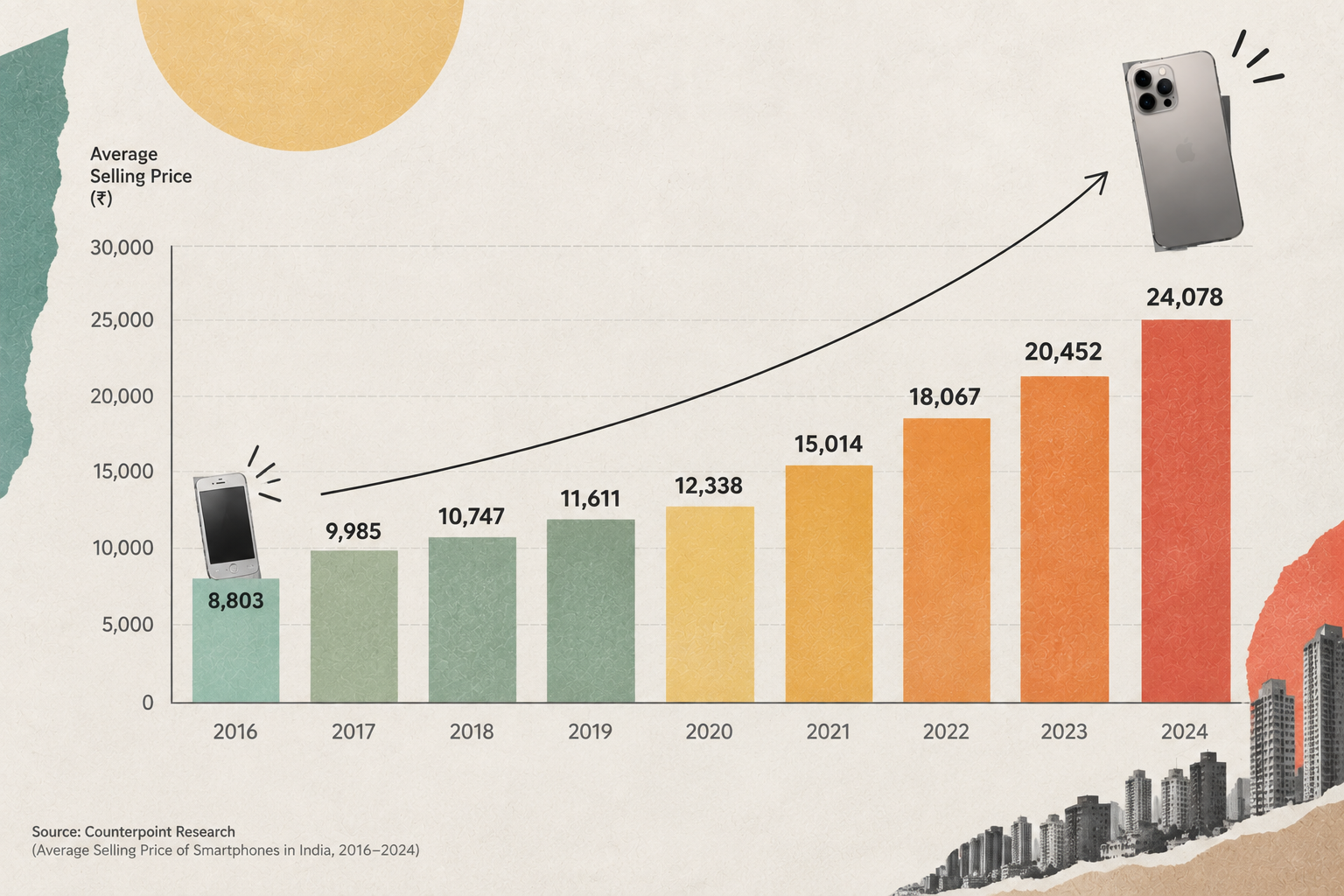
In the first quarter of 2026, the number of new smartphones launched below ₹10,000 fell 18% from a year earlier. At the same time, the average launch price rose 11% to ₹37,200. Xiaomi, Samsung, Vivo and Motorola did not launch a new model below ₹10,000 during the quarter.
A big reason is memory. DRAM and NAND prices have risen sharply, pushing memory’s share of the bill of materials for phones below ₹15,000 from less than 20% to more than 45%. For a phone that sells for ₹10,000, there isn't much room to absorb a jump in component costs.
You can see the effect in the phones themselves. In the sub-₹10,000 segment, the number of new models with a 50MP or better camera fell 71% in Q1 2026. Manufacturers have also been cutting back on some specifications and using cheaper components to keep prices under control.
But while new budget phones are getting squeezed, something else is happening. More Indians are buying refurbished phones.
India’s refurbished smartphone market grew 13% in the first half of 2026, even as new smartphone volumes fell around 11%. Samsung accounted for 30% of the refurbished market, while Apple had 23%. The iPhone 13 was among the more popular refurbished models.
The logic is pretty simple. Suppose you have ₹25,000 to spend on a phone. You can buy a new mid-range device, or you can look for an older flagship that originally cost twice as much. It may be a couple of years old, but you could still get the better camera, display and processor that came with that higher-end phone.
Consumers appear to be making that calculation. A Counterpoint survey found that 29% of Indian consumers planning to buy a smartphone would either stay within their budget or consider a refurbished phone if prices went up. Another 25% said they would delay the purchase, continue using their existing phone or repair it.
That matters because India’s smartphone market is already slowing. Shipments fell about 10% year-on-year in Q2 2026, with rising prices causing some consumers to postpone upgrades.
So this isn't simply a story about Indians buying fewer phones.
It is about what happens when a ₹10,000 phone becomes harder to make while a two-year-old ₹50,000 phone becomes easier to afford.
For smartphone companies, that puts pressure on the entry-level business. For consumers, it creates another choice: buy a cheaper new phone, spend more on a new premium one, or buy somebody else’s old flagship.
And if component prices remain high, that last option could become a much bigger part of how India buys smartphones.