
 Newsletter
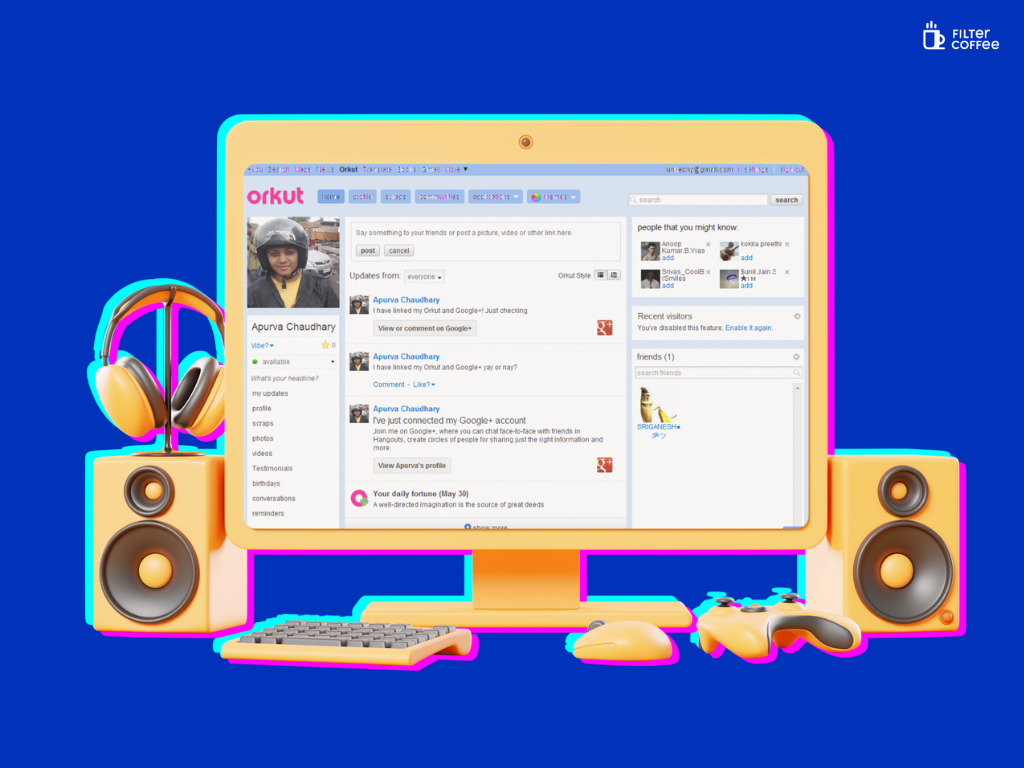
Your childhood social network might be planning a reunion, and this time, you won't need a cybercafé to attend.
On 8 October, Orkut Büyükkökten, the founder of Google's once-beloved social network, invited people to register their interest in bringing Orkut back. The campaign reportedly attracted over 2.6 lakh supporters across 115 countries. There's no launch date or finished product yet, but the internet seems pretty excited about getting its old friend back.
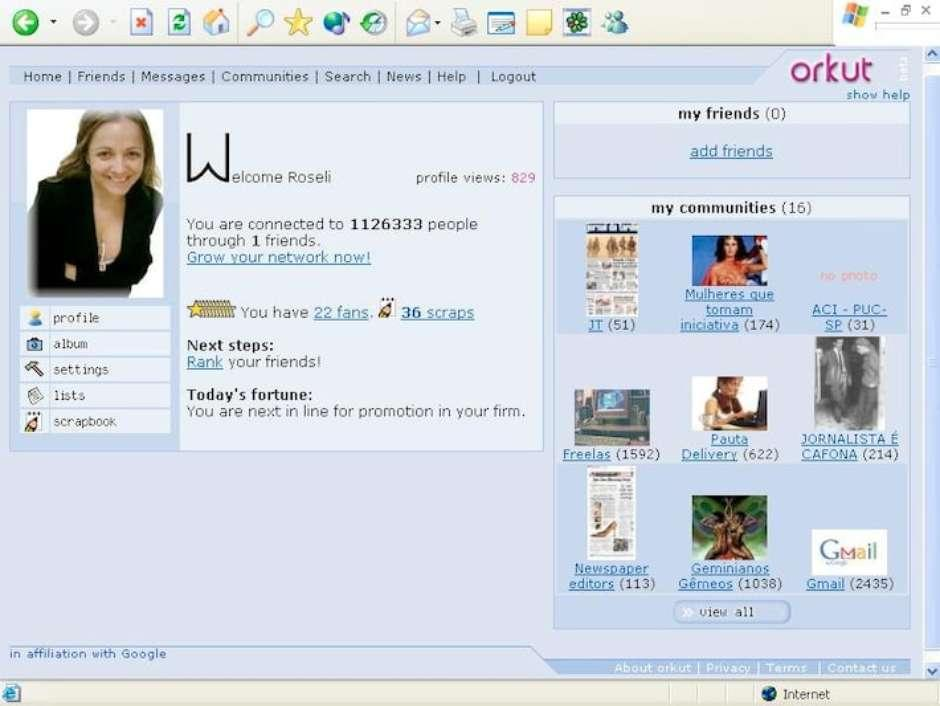
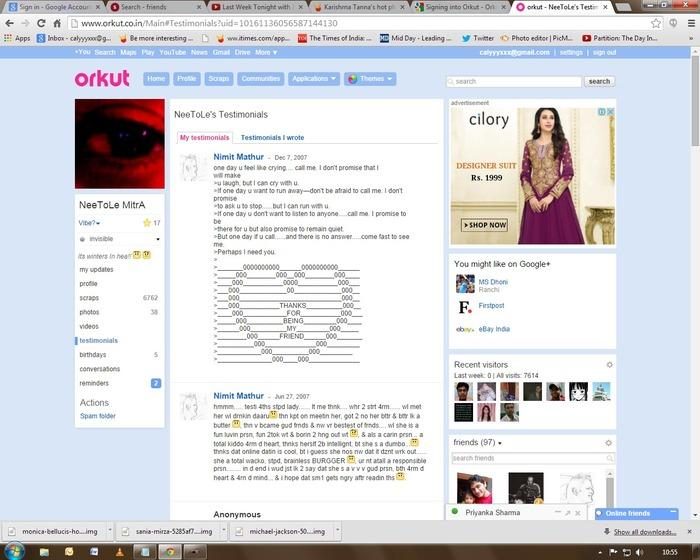
If you grew up in India in the 2000s, you'll remember why. Orkut was where friendships came with public scraps, dramatic testimonials and communities dedicated to everything from Bollywood to your school crush. You could even see who visited your profile, making online stalking a surprisingly transparent activity.
And India was obsessed with it.
Launched in 2004, Orkut became one of India's earliest social networking sensations. This was when people logged into the internet through college computer labs, cybercafés and home computers that took their sweet time loading a webpage.
By September 2009, Orkut had over 1.7 crore active users in India, according to Google, reaching more than 45% of the country's online population by its estimate. Indians were generating over 600 crore page views every month, while the average user visited around 10 times a month.
Businesses were catching on, too. Google had started selling targeted advertisements on Orkut, allowing brands to reach users based on their age, location and interests. Long before Instagram influencers and sponsored Reels, Orkut was already turning friendships into an advertising business.
Then Facebook entered the chat.
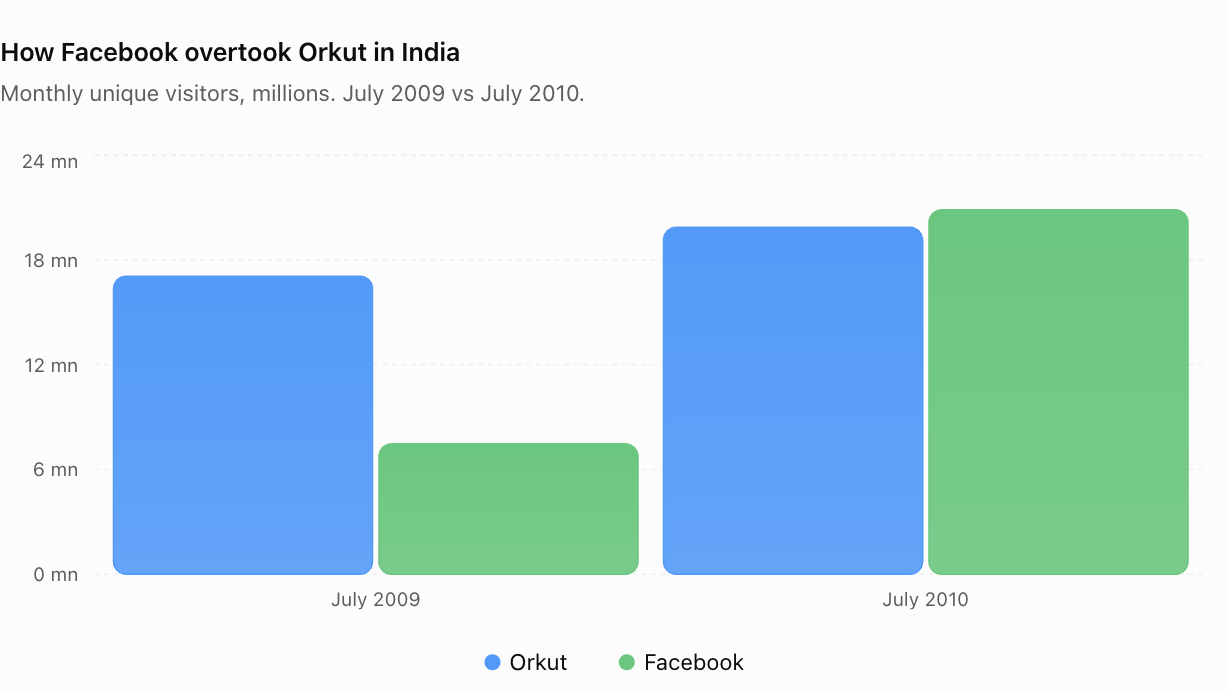
In July 2009, Orkut attracted around 1.71 crore monthly visitors in India, while Facebook had just 74.7 lakh, according to Comscore. A year later, Facebook had raced ahead with 2.09 crore visitors, overtaking Orkut's 1.99 crore.
Facebook's audience had grown 179% in just one year, compared with Orkut's 16%. These figures covered home and work computers, excluding cybercafés and mobile phones.
Facebook made sharing photos, updates and everyday moments increasingly convenient. Its growing global network also meant more friends were joining. And social media has one fairly brutal rule: you tend to follow your friends wherever they go, even if that means abandoning years of lovingly written testimonials.
Google eventually shifted its attention to YouTube, Blogger and Google+, and officially shut Orkut down on 30 September 2014. By then, its public community archive contained 5.1 crore communities and 12 crore discussion topics worldwide.
So, why bring it back now?
Büyükkökten believes today's social media has become too focused on algorithms, advertisements and AI-generated content. Instead of helping people maintain friendships, platforms increasingly compete to keep them scrolling.
He wants Orkut's proposed comeback to focus on genuine connections and communities, something the original platform was built around.
But he's tried something similar before. In 2016, he launched Hello, another interest-based social network that attracted over 20 lakh downloads worldwide before shutting down in 2020.
And the competition has only grown. By late 2025, India had approximately 50 crore active social media user identities, according to DataReportal. Instagram, Facebook, WhatsApp and newer communities already occupy enormous amounts of people's online lives.
A new Orkut would have to give people a reason to create another account, rebuild their friend circles and keep coming back. It would also need to figure out how to make money without falling into the same advertising and engagement traps its founder wants to escape.
The bottom line: Orkut's comeback pitch is arriving at a moment when some people are questioning what social media has become. The nostalgia is clearly there, but nostalgia alone doesn't build a successful social network.
Millions of Indians once loved exchanging scraps and writing testimonials. Convincing them to do it all over again, when their friends are already elsewhere, will be Orkut's biggest test.
Sources
- TechCrunch (October 2026): Orkut founder plans to revive the social network | Comeback announcement and revival plans.
- Google India (September 2009): Official Google India Blog | Orkut's Indian user base, engagement and advertising.
- Comscore (August 2010): Facebook overtakes Orkut in India | Historical audience figures and growth comparison.
- Google (June 2014): Farewell, Orkut | Shutdown announcement and Google's changing priorities.
- WIRED (2024): Orkut founder on rebuilding social media | Founder’s vision and previous social networking ventures.
- DataReportal (2026): Digital 2026: India | India's social media audience and platform reach.