
 Newsletter

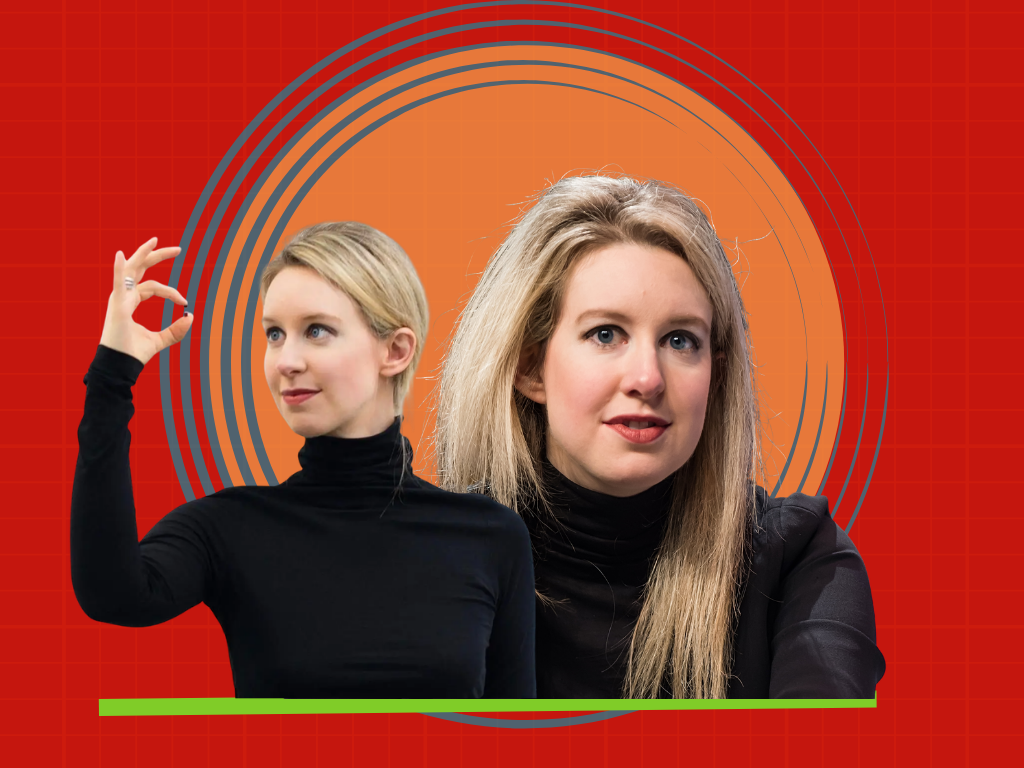
Elizabeth Holmes is serving a prison sentence for defrauding investors. Yet this weekend, she became one of the biggest attractions at the North American box office.
You Can See Everything, a nearly three-hour documentary about the disgraced Theranos founder, earned an estimated $15 million during its opening weekend from just 855 cinemas. More than 2,000 screenings sold out. It was the biggest opening for a non-musical documentary in over two decades, and more than 70% of ticket buyers were under 35.
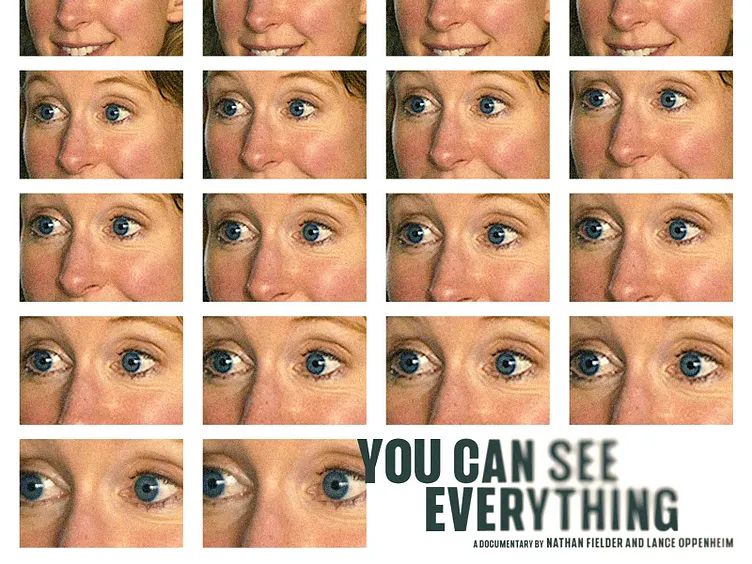
For a film about a corporate fraud case that has already inspired books, podcasts and television shows, the turnout was remarkable.
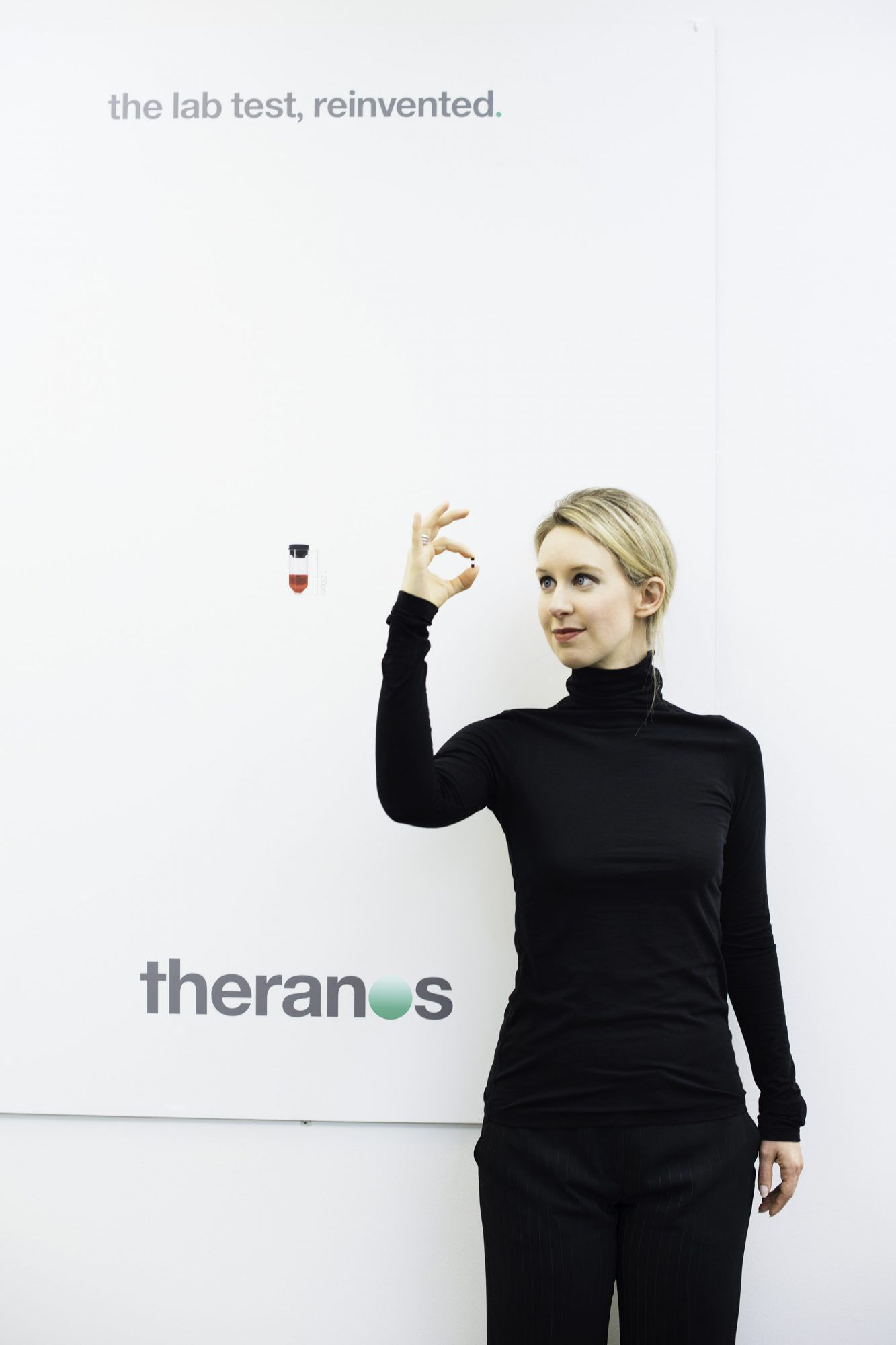
Holmes had built her career convincing people that she could achieve what the medical industry had not. In 2003, she dropped out of Stanford University at 19 to start a company that became Theranos. Its promise was to run a wide range of blood tests using just a few drops from a finger prick, rather than collecting vials of blood. Patients could eventually visit a pharmacy for routine testing without the usual needles, appointments and laboratory visits.
Silicon Valley loved the pitch. Holmes wore black turtlenecks reminiscent of Steve Jobs, spoke about transforming healthcare and surrounded herself with influential supporters, including former US secretaries of state. Theranos raised more than $700 million from investors. By 2014, private fundraising valued the company at roughly $9 billion, and Forbes estimated Holmes' stake was worth $4.5 billion.
There was a problem behind the polished presentations.
Theranos' machines could perform only a limited number of tests, while the company was conducting most patient tests on modified or conventional equipment made by other manufacturers. The gap extended to its finances. According to the US Securities and Exchange Commission, Theranos claimed to investors it would generate more than $100 million in revenue in 2014. Its actual operating revenue that year was barely over $100,000.
The consequences reached beyond wealthy investors. Theranos had partnered with Walgreens to offer testing in pharmacies, particularly in Arizona, where patients were using its services. In 2015, Wall Street Journal reporter John Carreyrou exposed serious problems with its technology, drawing partly on information from former employees.
As regulatory scrutiny mounted, Walgreens closed all 40 Theranos wellness centres in Arizona in June 2016, citing concerns including invalidated test results. The company shut down in 2018.
Holmes went on trial and, in January 2022, was convicted of four counts of investor-related fraud and conspiracy. The jury acquitted her on the patient-related counts it decided. She was sentenced to 11 years and three months in prison and began serving her term in May 2023.
By then, the Theranos story had been told repeatedly. Carreyrou had written the bestselling Bad Blood. HBO had released The Inventor, and Amanda Seyfried had portrayed Holmes in the series The Dropout. The fraud and the technology had been extensively examined. Another conventional retelling had little new ground to cover.
The new documentary itself began through an odd coincidence.
At the Magic Castle in Los Angeles, a magician asked the audience to name a celebrity. Someone called out Holmes, reminding filmmaker Lance Oppenheim that she had been looking for someone to document her life. Oppenheim and Nathan Fielder eventually connected with Holmes through A24.
In April 2023, with only 34 days left before she was due to enter prison, Holmes and her partner, Billy Evans, invited them into their home in Del Mar, California.
Fielder, known for Nathan for You and The Rehearsal, has built a career around situations in which people perform for cameras and it becomes difficult to separate sincerity from pretence. The couple hoped that showing their private lives would help people see Holmes differently.
The crew filmed Holmes with Evans and their two young children in the final weeks before her imprisonment. Fielder even stayed in their guest house. Holmes continued to maintain her innocence, while the filmmakers questioned her about the gap between her account and the court's findings.
Fielder later told Variety that meeting Holmes was disorienting. She could seem genuinely convincing even though he knew she had lied. He and Oppenheim sometimes disagreed about what the same conversation meant.
The resulting film was made largely out of public view over three years before a surprise premiere at the Telluride Film Festival in September 2026. Its secrecy helped protect the unusual turns in the documentary, but the more compelling feature was its central problem: even with cameras in the room, the filmmakers could not always tell when they were being shown reality and when they were being shown a carefully managed version of it.
There is a business story behind the audience response, too.
Distributor A24 reportedly spent under $7 million producing the film and less than $10 million marketing it. An estimated $15 million opening is strong, although ticket sales are not the same as profit because cinemas retain part of the revenue.
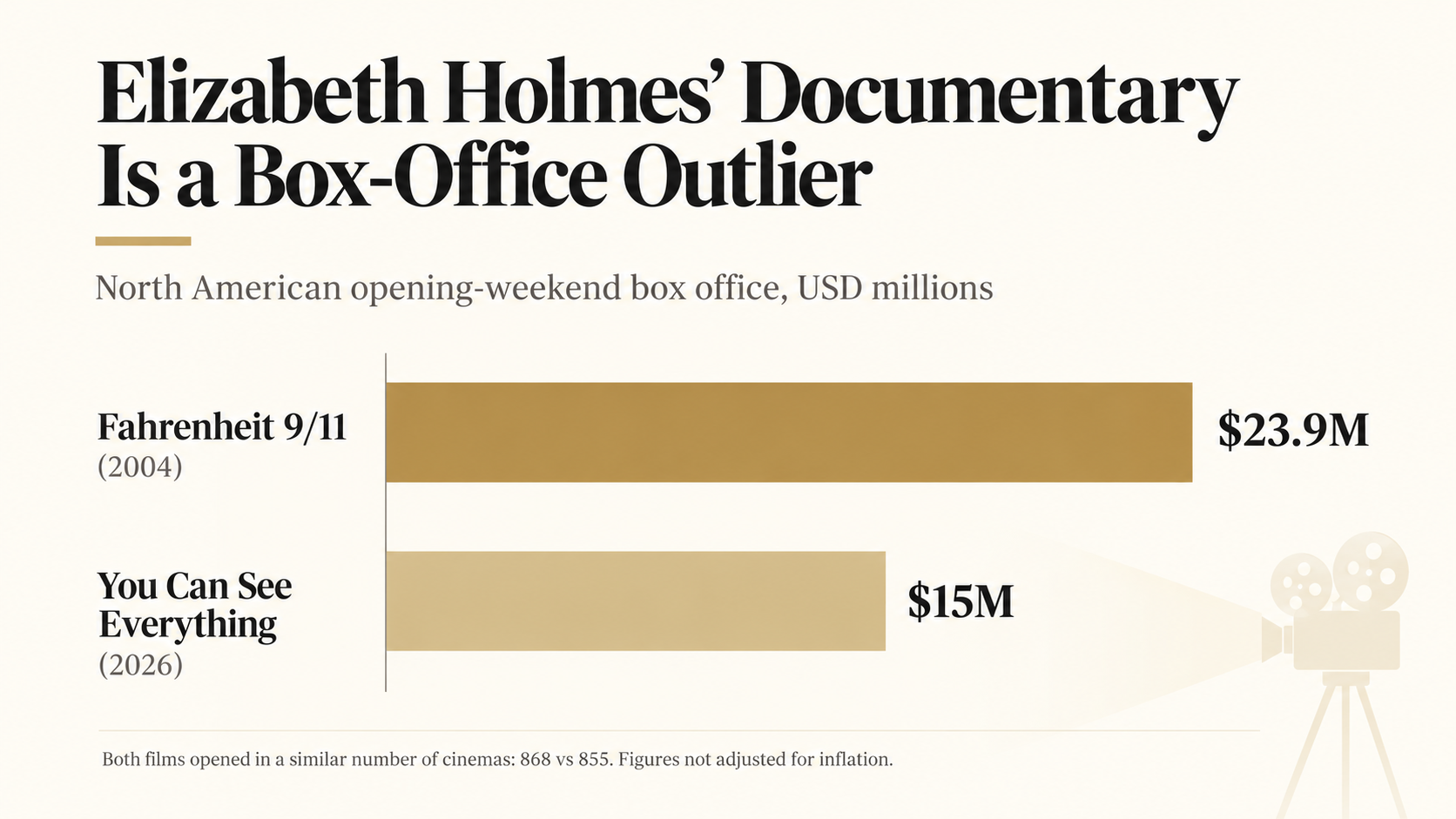
The closest historical benchmark is Michael Moore's Fahrenheit 9/11, which opened to nearly $24 million from 868 cinemas in 2004, without adjusting for inflation. Fielder's existing fan base, strong reviews and curiosity around a surprise film appear to have helped attract younger audiences.
Holmes' story has long been about how convincing a founder can appear when investors, the media and powerful supporters want to believe. The new film puts that same problem in front of an audience.
After years of watching Holmes sell a version of the future, people are now paying to watch filmmakers test her version of the past.
Source:
- Associated Press: Elizabeth Holmes documentary becomes a box-office hit Opening-weekend collections, 855 cinemas, sold-out screenings and audience demographics.
2. Variety: You Can See Everything Stuns With $15 Million Debut Documentary production costs, box-office performance, audience response and historical comparisons.
3. US Securities and Exchange Commission: Theranos, Holmes and Balwani Charged With Massive Fraud Theranos' $700 million fundraising, misleading technology claims and financial irregularities.
4. SEC Official Complaint: SEC vs Elizabeth Holmes and Theranos (PDF) Primary source for the reported $108 million in 2014 revenue versus the actual figure of approximately $100,000.
5. US Department of Justice: Elizabeth Holmes Sentenced to More Than 11 Years Criminal convictions, sentencing, investor fraud and legal proceedings.
6. Los Angeles Times: Inside Telluride's Secret Elizabeth Holmes Documentary Screening The documentary's origins, Magic Castle incident, secret filming and festival premiere.
7. Variety: Nathan Fielder on Living With Elizabeth Holmes Interviews with the filmmakers, 34-day filming access and Holmes' participation.