

 Newsletter
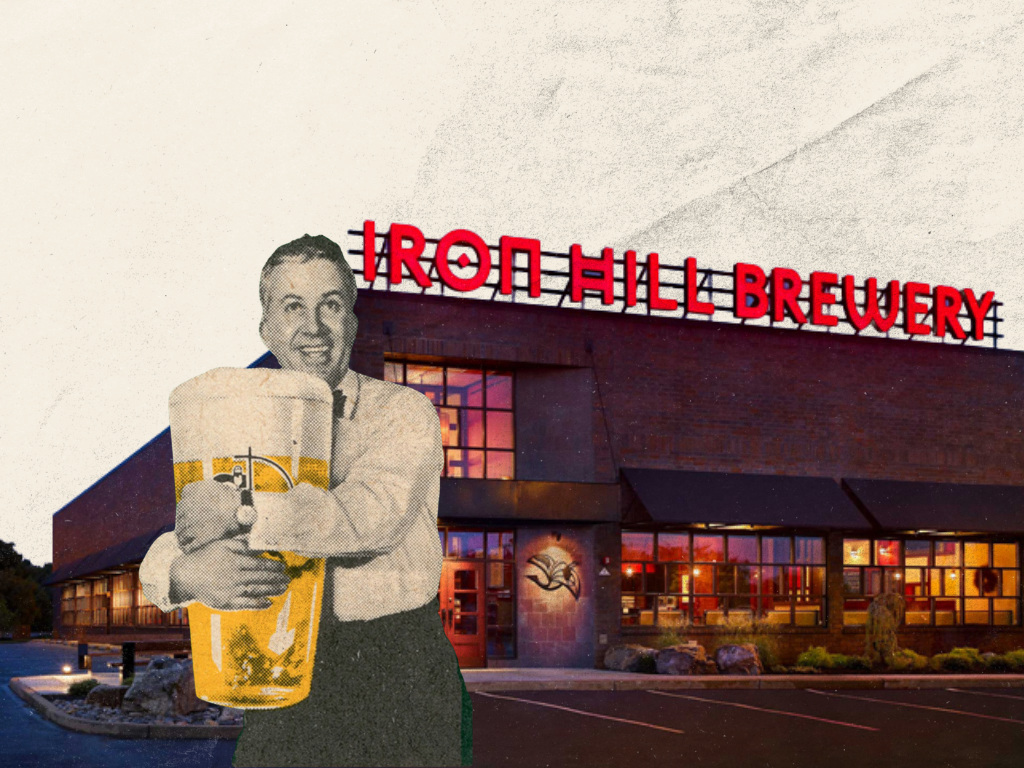
An Indian brewery is buying into America just as Americans are drinking less craft beer. That sounds like an odd time to enter the market, but Ironhill India seems to believe the weakness is exactly where the opportunity lies.
Ironhill, one of India's largest microbrewery chains, has acquired and merged with the Pennsylvania-based Iron Hill Brewery & Restaurant business through bankruptcy proceedings. The deal creates a hospitality group with estimated revenue of about ₹450 crore and gives the Indian company control over a nearly 30-year-old American brewpub brand.
Ironhill says its total investment in the US is now around $7 million, including another $4 million being spent to revive five outlets. Its ambition does not stop there. It wants at least 16 US locations by 2030, while simultaneously expanding its Indian network to roughly 43 outlets.
On the surface, this looks like another Indian company going global. But the timing makes it much more interesting. America's craft beer industry, which spent decades adding breweries, experimenting with increasingly niche beers and turning local taprooms into neighbourhood institutions, is now shrinking.
US craft beer production fell 4% in 2025 to about 22 million barrels. Microbreweries were hit even harder, with production falling 8.9%. The wider American beer market declined 5.7%, so this is not simply a few struggling craft brands losing customers. Americans are drinking less beer overall, and the industry is adjusting to that reality.
The pressure has continued into 2026. Craft beer volumes fell another estimated 4% in the first six months of this year. The US had 9,344 operating breweries in June, down 1.8% from a year earlier, with regional breweries and microbreweries both declining by 3%. Beer is not alone either.
Spirits volumes were down 5.3% and wine volumes fell 9.2% in the 12 months ending May 2026. Consumers have more beverage choices, distribution has become tougher, costs remain high and the drinking habits that supported America's craft beer explosion are changing.
Iron Hill became one of the casualties of this correction. The American company started in 1996 and eventually expanded across multiple states, but by September 2025 it had closed all its remaining locations and headed into bankruptcy. That sounds like exactly the kind of company an international buyer should stay away from, until you look at what Ironhill India actually bought. Instead of simply taking over the old business along with everything that had gone wrong, it used the bankruptcy process to acquire the brand and selected operating assets. In other words, the Indian company is not betting that the old Iron Hill business model was secretly healthy. It is possible that some valuable pieces survived the collapse.

The reason is simple: bankruptcy can make otherwise expensive assets available at very different economics. A restaurant chain can fail even when some individual outlets work perfectly well. The parent company may have too much debt, too many weak locations or simply have expanded faster than its cash flows could support.
Once the business collapses, another buyer can potentially take the brand, equipment, leases or profitable locations without recreating the financial structure that caused the failure. Ironhill's management says the locations it selected were generating EBITDA margins of around 20%, suggesting it believes the problem was not that every Iron Hill restaurant was fundamentally broken.

This makes the deal less of a traditional overseas expansion and more of a distressed-asset play. Instead of entering America from scratch, finding locations, building breweries, creating a new brand and spending years convincing customers to recognise it, Ironhill gets an established name with decades of history.
It also gets something harder to put a price on: access to an American craft beer ecosystem that has had far longer to mature than India's. Ironhill has said it plans to use brewing technology, processes and beer styles from the US business in India as well. So the value of the acquisition may not depend entirely on how much beer it sells in Pennsylvania.
If you compare the two markets, America's craft beer industry is correcting after years of rapid expansion, while India's microbrewery culture is still relatively young and concentrated in a handful of cities.
Bengaluru, Hyderabad, Pune, Gurugram and Goa have built strong brewpub cultures, but the format is nowhere near uniformly available across India. State-level excise regulations make expansion complicated, and every new market can involve different licences, taxes and operating rules.
Yet where microbreweries have taken off, there is evidence that consumers increasingly like the format. Karnataka's bottled beer sales, for instance, fell nearly 30% between January and September 2025 compared with the same period a year earlier. Excise officials and bar operators attributed the decline to several factors, including higher prices, weather and a growing preference for craft beer and alternative drinks.

But there is an obvious risk in Ironhill's plan. The company it just acquired is also a warning about what happens when expansion gets ahead of economics. Iron Hill spent years growing its footprint before eventually shutting every location. Ironhill India now wants to expand aggressively on both sides of the world, with at least 16 American outlets and roughly 43 Indian outlets targeted by 2030.
Buying distressed assets cheaply can reduce the cost of entry, but it does not make the underlying US market grow again. Craft beer volumes are still declining, consumers remain cautious and restaurants continue to deal with high labour and operating costs.
There are some signs that the American market is stabilising rather than simply collapsing. In the Brewers Association's latest survey, 54% of participating breweries reported growth during the first half of 2026, even though industry-wide volumes continued to decline.
Taprooms were among the better-performing formats, and draught beer gained a little share while packaged craft beer lost ground. That is relevant for Ironhill because it is buying into an experience-led brewpub model rather than relying purely on bottles and cans sitting on supermarket shelves. The market may be smaller than it once appeared, but smaller does not necessarily mean nobody can make money in it.
And that is what makes Ironhill's American experiment worth watching. The company is not entering the US because craft beer is booming. It is entering after the boom, when weaker businesses have disappeared and assets can potentially be bought at prices that would have been impossible a few years ago. At the same time, it can bring some of the expertise from that mature market back to an Indian microbrewery business that still has room to expand.
If the strategy works, Ironhill will have done something more interesting than simply taking an Indian hospitality brand overseas. It will have used the decline of one craft beer market to strengthen its position in another. The bigger challenge is making sure that, while reviving an American brewery that expanded too far, Ironhill does not eventually repeat the same mistake itself.