
 Newsletter
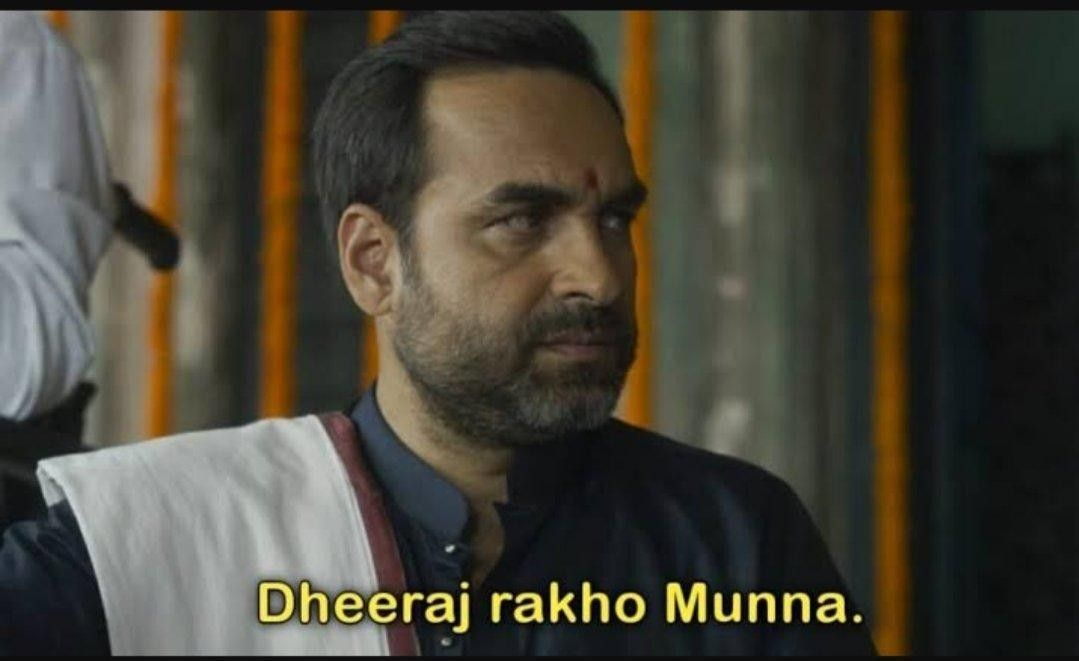
“Shuru majboori mein kiye the, ab maza aa raha hai.”
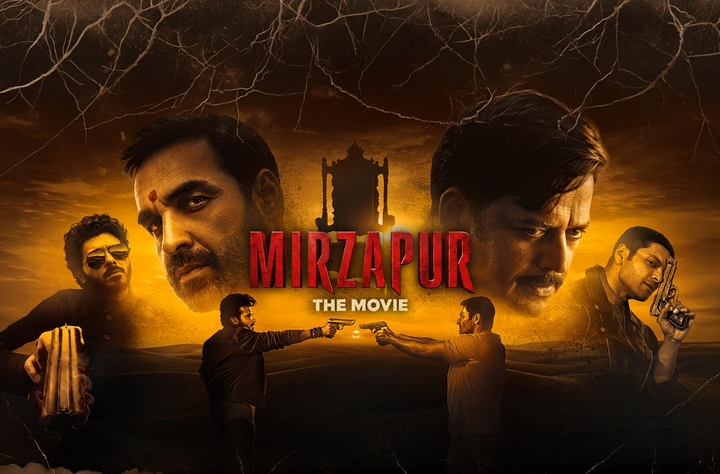
Kaleen Bhaiya probably wasn’t talking about turning a streaming show into a movie when he said this. But eight years after Mirzapur first landed on Prime Video, Amazon and Excel Entertainment might relate.
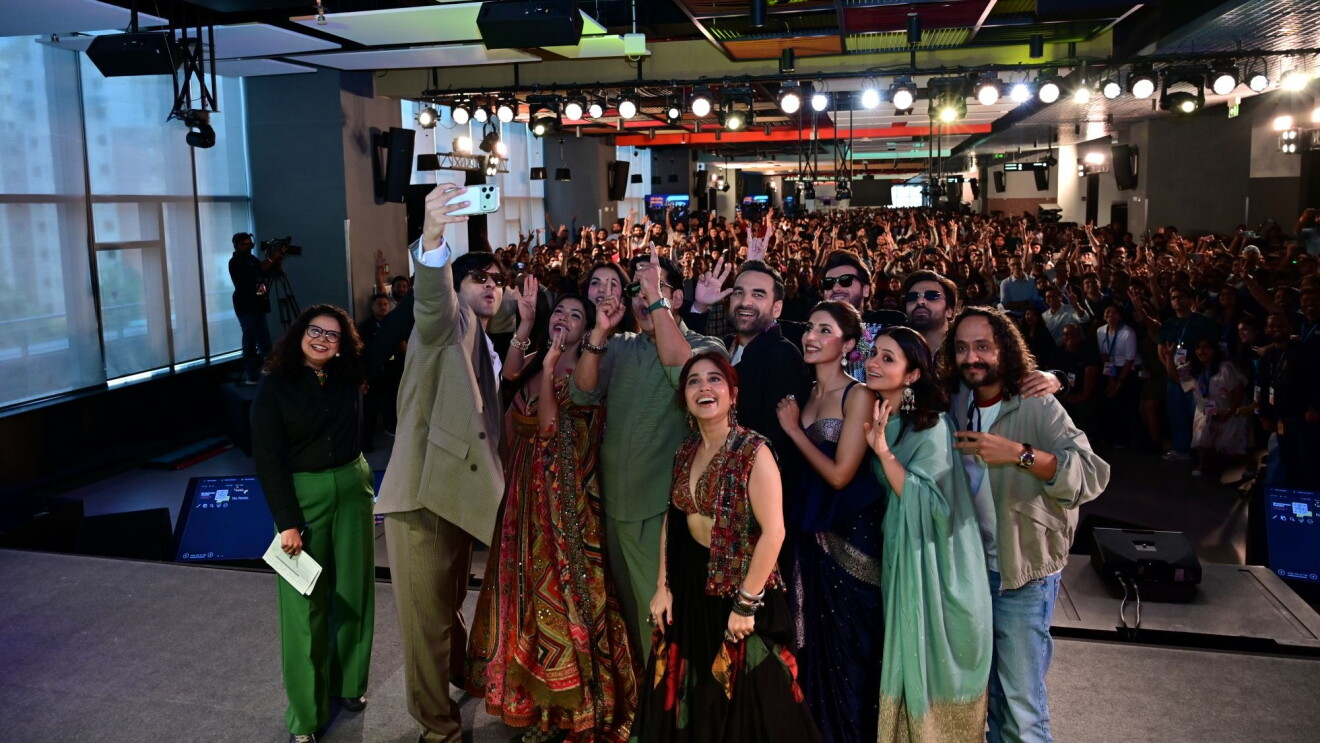
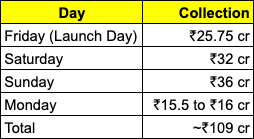
Mirzapur: The Movie released in theatres last Friday. By Monday, it had already crossed ₹109 crore nett in India and roughly ₹153 crore worldwide. Monday alone brought in ₹16 crore, even after collections fell nearly 57% from Sunday.
That is a pretty big turnout for something millions of Indians have spent years watching from their beds. Mirzapur, after all, was never built as a movie franchise.
It arrived on Prime Video in 2018 as one of the early Indian shows trying to prove that streaming could offer something very different from television. It had guns, gaalis, gangs and a fictionalised Purvanchal where almost everyone seemed to have either a katta or a grudge.
And Indians loved it.
By the time its third season released in 2024, Mirzapur had become one of Prime Video’s biggest Indian properties. Ormax estimated that Season 3 reached 30.8 million viewers, making it the most-watched Hindi streaming series of that year.
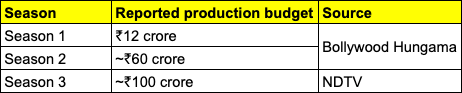
So the makers tried something fairly unusual. Instead of keeping Mirzapur on Prime Video, they took it to theatres.
Usually, the flow works the other way. A film releases in cinemas first and then moves to a streaming platform. Mirzapur started on streaming, built its audience there, and only years later became a theatrical release.
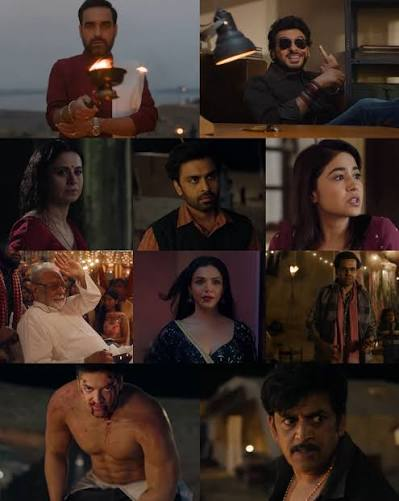
That gave the film one clear advantage. People already knew the world and the characters. Kaleen Bhaiya, Guddu Pandit and Munna Tripathi did not need much introduction because the show had already spent three seasons building that familiarity.
And the opening weekend showed that at least some of that streaming audience was willing to turn up at cinemas too, especially across North Indian markets.
But familiar faces alone were not enough. The makers also needed a story that justified bringing Mirzapur to the big screen.
So instead of continuing from where Season 3 ended, Mirzapur: The Movie goes backwards. Its story sits between Episodes 6 and 7 of Season 1.
It is a small creative decision with a useful payoff. Characters who died in later seasons can return without the writers having to rewrite anything that happened afterwards. Munna Tripathi does not need some miraculous resurrection. The movie simply goes back to a point when everyone was still alive and creating chaos.
It also gives Amazon and Excel much more room to keep using the Mirzapur universe without constantly pushing the main story forward.
They can revisit older timelines, follow individual characters, fill gaps between seasons or build another movie around a part of the story viewers already know. Reports have already suggested that an additional scene linked to a possible second movie was shot, although plans for another theatrical instalment have not been formally detailed.
Hollywood has built entire franchises this way.
Marvel can introduce a character in one movie, move them into a streaming series and bring them back into another film. Star Wars has spent years making new stories around characters and timelines audiences already know.
Indian entertainment has traditionally leaned much more heavily on the star than the fictional universe. Shah Rukh Khan could move from romance to action to comedy and audiences followed Shah Rukh Khan. The character usually stayed behind once the film ended.
Streaming has started creating a different kind of asset.
There are now millions of Indians who know Srikant Tiwari from The Family Man, Jeetu Bhaiya from Kota Factory or Hathoda Tyagi from Paatal Lok without any of those characters first becoming famous through a theatrical release.
Mirzapur also gives Amazon something a completely new theatrical franchise usually does not have: years of audience data.
Prime Video already knows how many people watch the show, where they are, which seasons perform best and how often viewers return. That does not guarantee cinema ticket sales, but it gives Amazon a much clearer idea of the audience it is trying to convert.
Because watching Mirzapur as part of a Prime subscription and paying ₹300 or more for a movie ticket are still two very different decisions. The opening weekend can also be heavily driven by loyal fans who have been waiting years to see these characters again.
Then there is the cost.
Some reports have pegged Mirzapur: The Movie’s budget at around ₹250 crore, although the producers have not confirmed that figure. So crossing ₹150 crore worldwide in four days is a strong start, but not enough to say the theatrical bet has fully paid off.
The next few weeks will give a better sense of how far the film can travel beyond Mirzapur’s most loyal fans.
If it keeps holding, other streaming platforms will notice. They already have shows with large, established audiences. Mirzapur is giving them a live test of whether some of those viewers are willing to follow familiar characters from OTT to cinemas.
And if that works, a successful streaming series may no longer have to stay just a streaming series.
More memes: