
 Newsletter
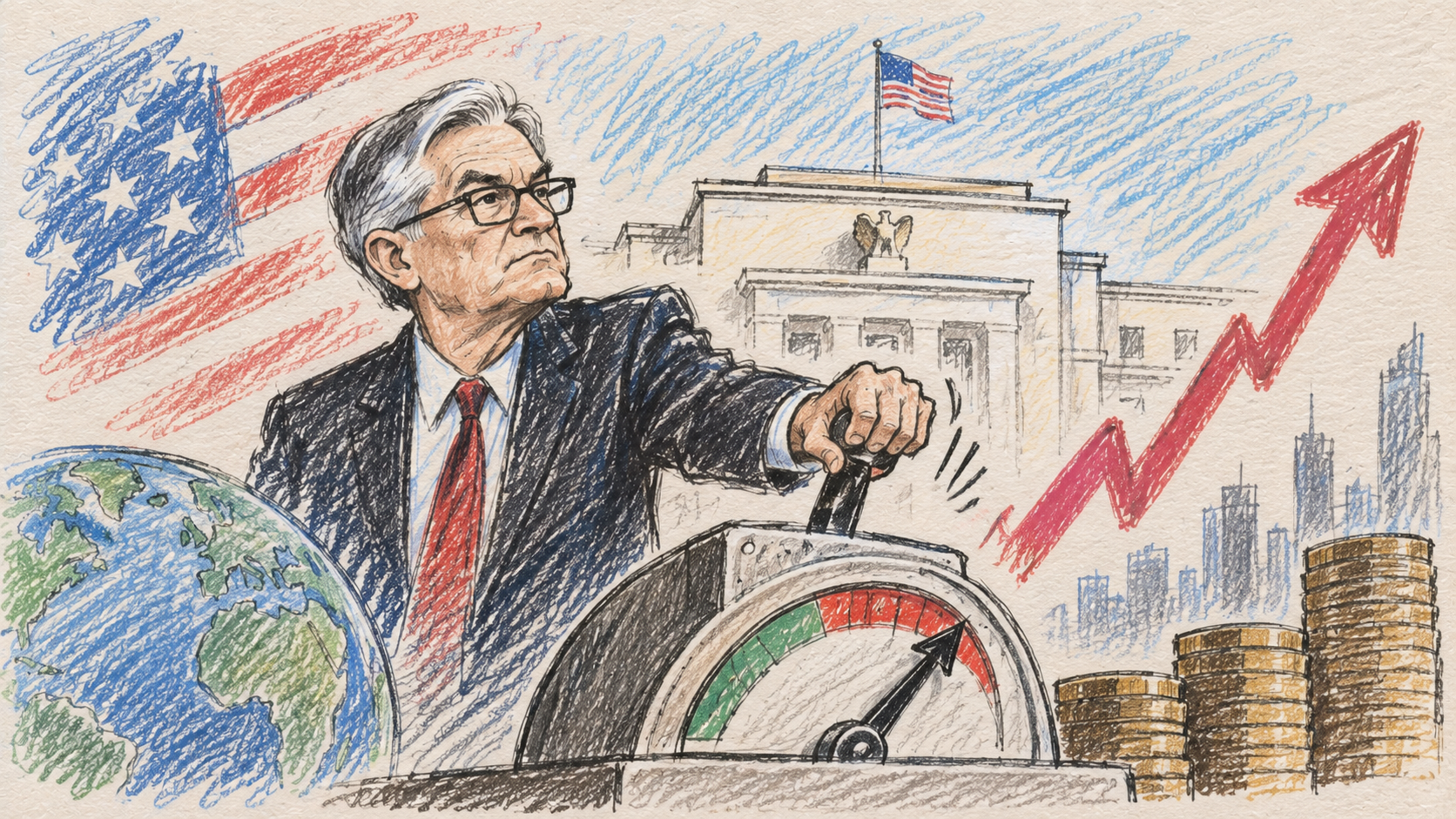
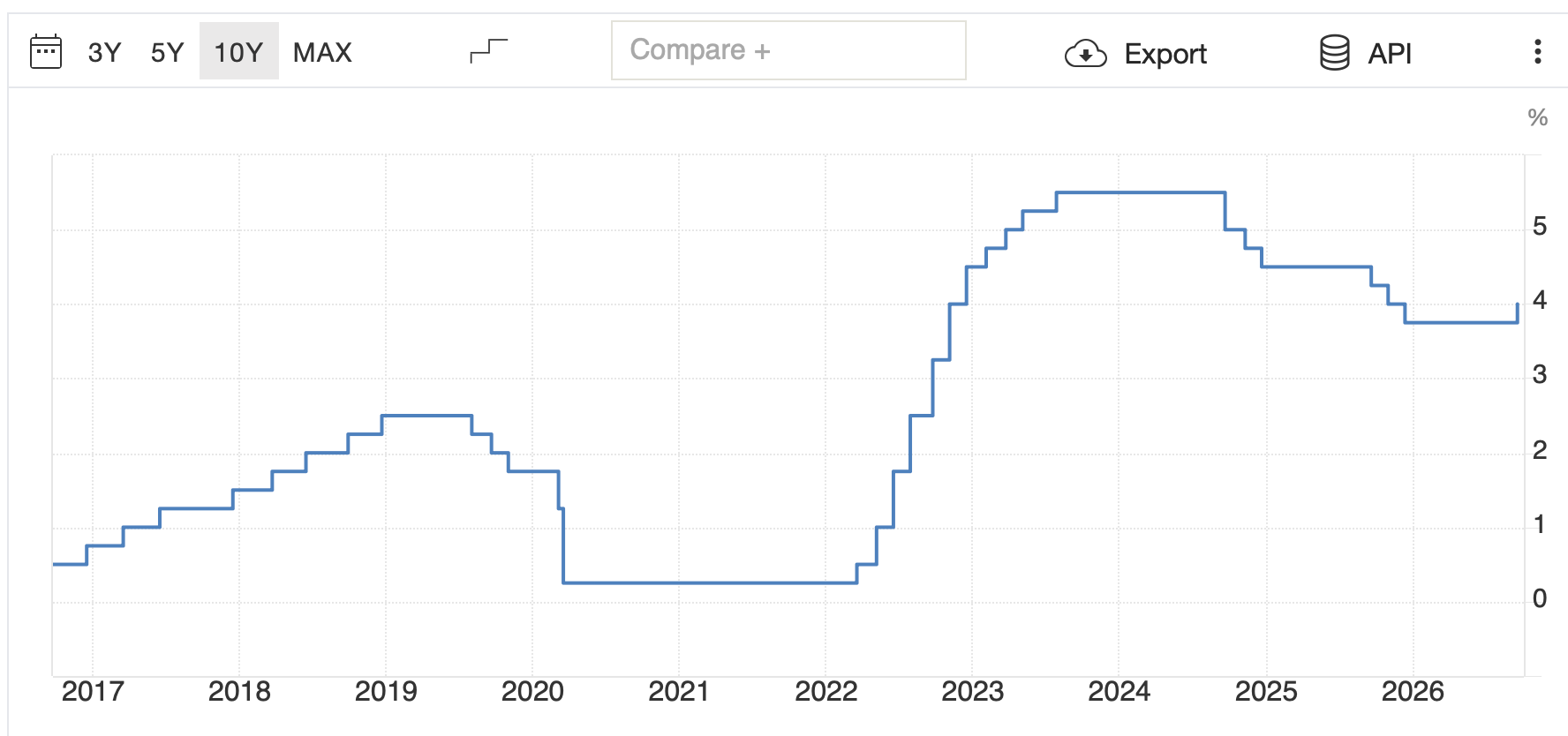
The US Federal Reserve has raised interest rates for the first time since 2023, taking its federal funds target range to 3.75-4%.
The decision came even as President Donald Trump has been calling for much lower rates. After the Fed's decision, Trump said US interest rates should be 1% or lower, arguing that the US is the world's strongest credit and should have access to cheaper money.
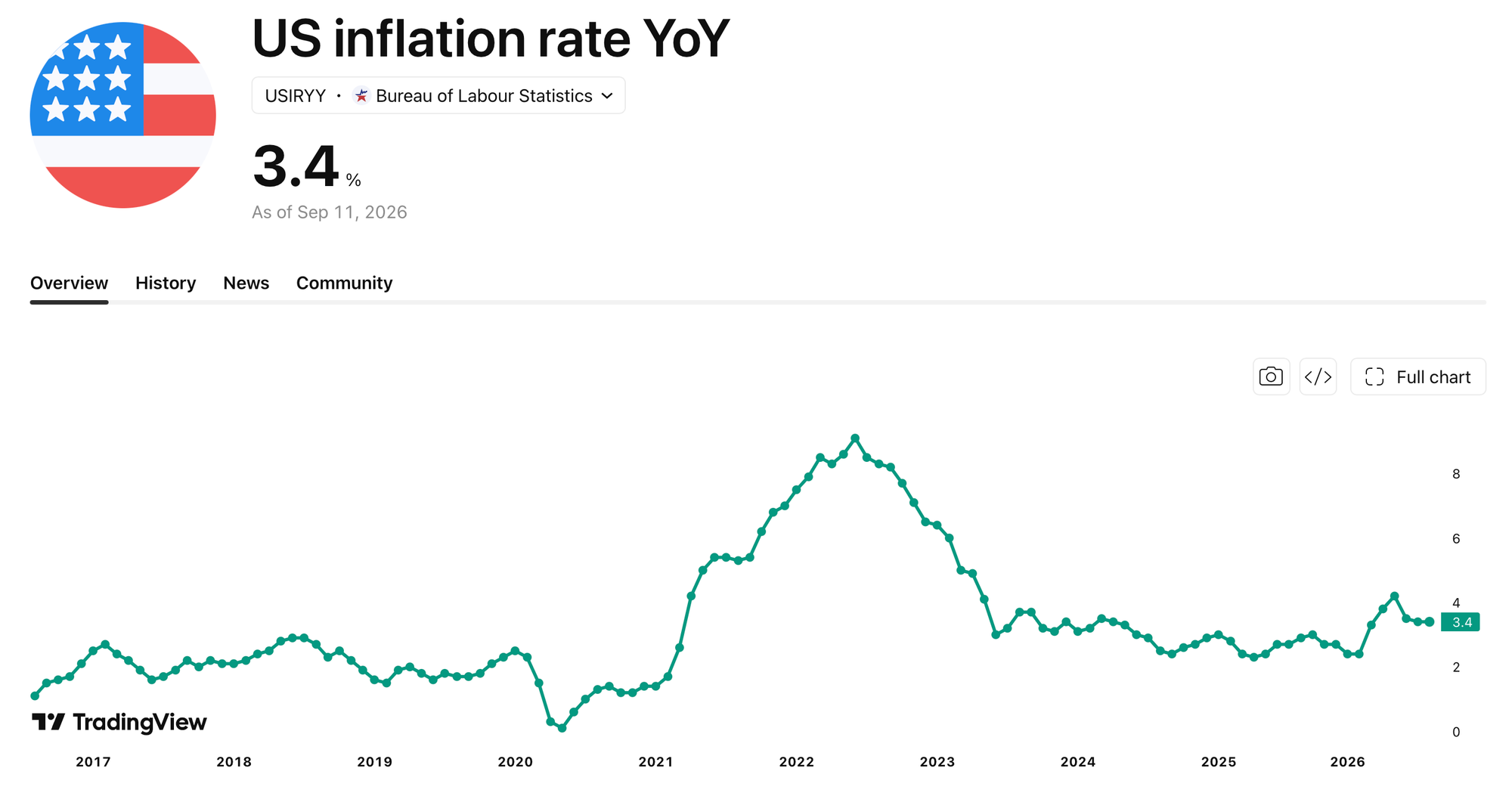
The disagreement comes at an important point for the US economy. Inflation is still above the Fed's target, the economy continues to grow and US government debt has crossed $40 trillion. The question is therefore not simply whether rates should be higher or lower, but how much the US is willing to accept in borrowing costs to bring inflation under control.
Why did the Fed decide to raise rates?
The Fed wants inflation to settle at 2%, but its latest projections put PCE inflation (Personal Consumption Expenditures) at 3.7% for 2026, with core PCE inflation at 3.4%.
The central bank now expects inflation to take longer to return to its target. At the same time, the US economy is still growing. The Fed expects real GDP to expand by 2.3% this year, while unemployment is projected at 4.1%.
Higher interest rates are one way for the Fed to cool an economy that is still generating demand. When borrowing becomes more expensive, households may take smaller mortgages and companies may postpone investments. That can reduce spending and eventually ease pressure on prices.
The debt situation adds another layer. US government debt has crossed $40 trillion, but higher rates do not reduce that debt. In fact, they can make it more expensive for the government to refinance as Treasury securities mature.
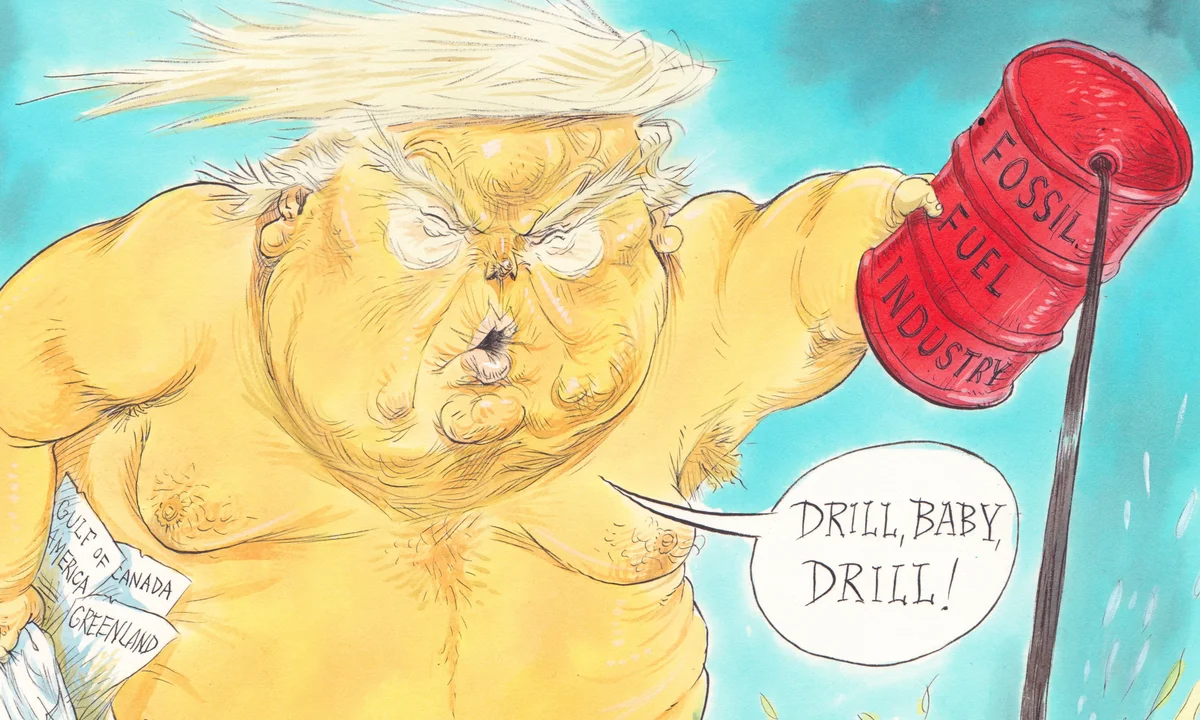
There are also other inflation pressures. Oil has moved above $100 a barrel amid the conflict involving the US, Israel and Iran, while US tariffs are raising the cost of some imported goods. Heavy investment in artificial intelligence is also keeping capital spending strong. The Fed has therefore chosen to keep monetary policy tight rather than risk inflation remaining high for longer.

Why does Trump want rates at 1%?
Trump's argument starts with the cost of money. Lower rates make mortgages and business loans cheaper and can encourage companies to invest and households to spend. For a government carrying more than $40 trillion of debt, cheaper borrowing can also help over time as older Treasury debt is refinanced.
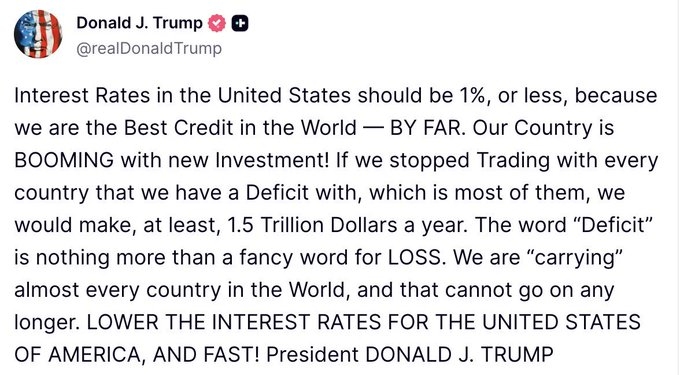
But a cut to 1% would not suddenly make the existing debt cheap. US Treasury securities were issued at different rates and have different maturities, so any reduction in the government's interest burden would happen gradually.
There is also a trade-off. If inflation is running at 3.7 % and the policy rate is brought down towards 1 per cent, borrowing becomes much cheaper relative to the rate at which prices are rising. That could encourage more borrowing and spending at a time when the Fed is trying to cool demand.
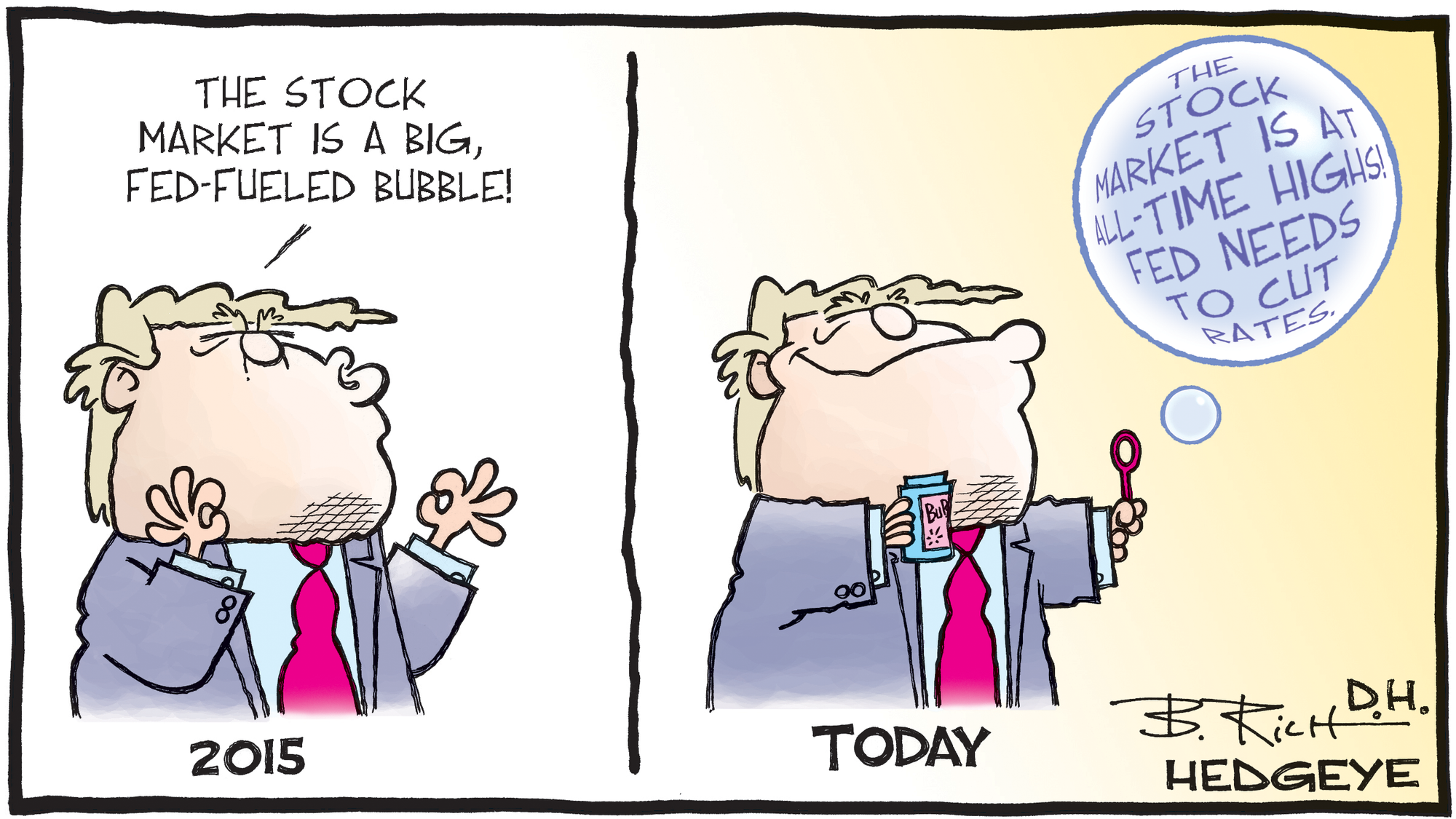
This is essentially where Trump and the Fed differ. Trump is looking at the benefits of cheaper credit and the burden of America's debt. The Fed is more concerned that cheaper credit could keep demand strong and make inflation harder to bring down.
What does this mean for India?
The Fed's decision matters to India mainly through the dollar, crude oil and global capital flows.
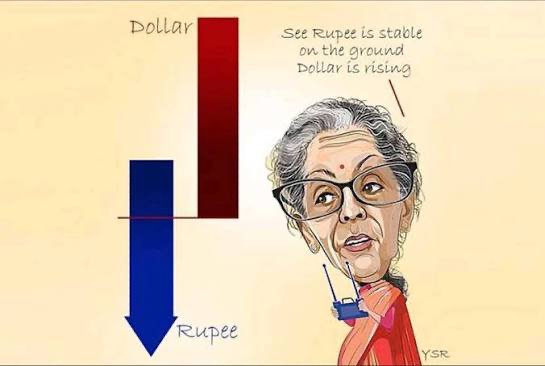
Higher US rates can make dollar assets more attractive to investors, supporting the dollar and putting pressure on emerging-market currencies. The rupee briefly moved past ₹96 per dollar on September 17 before recovering to around ₹95.90. Reuters attributed the pressure to the stronger dollar, high oil prices and the Fed's signal that further tightening could follow.
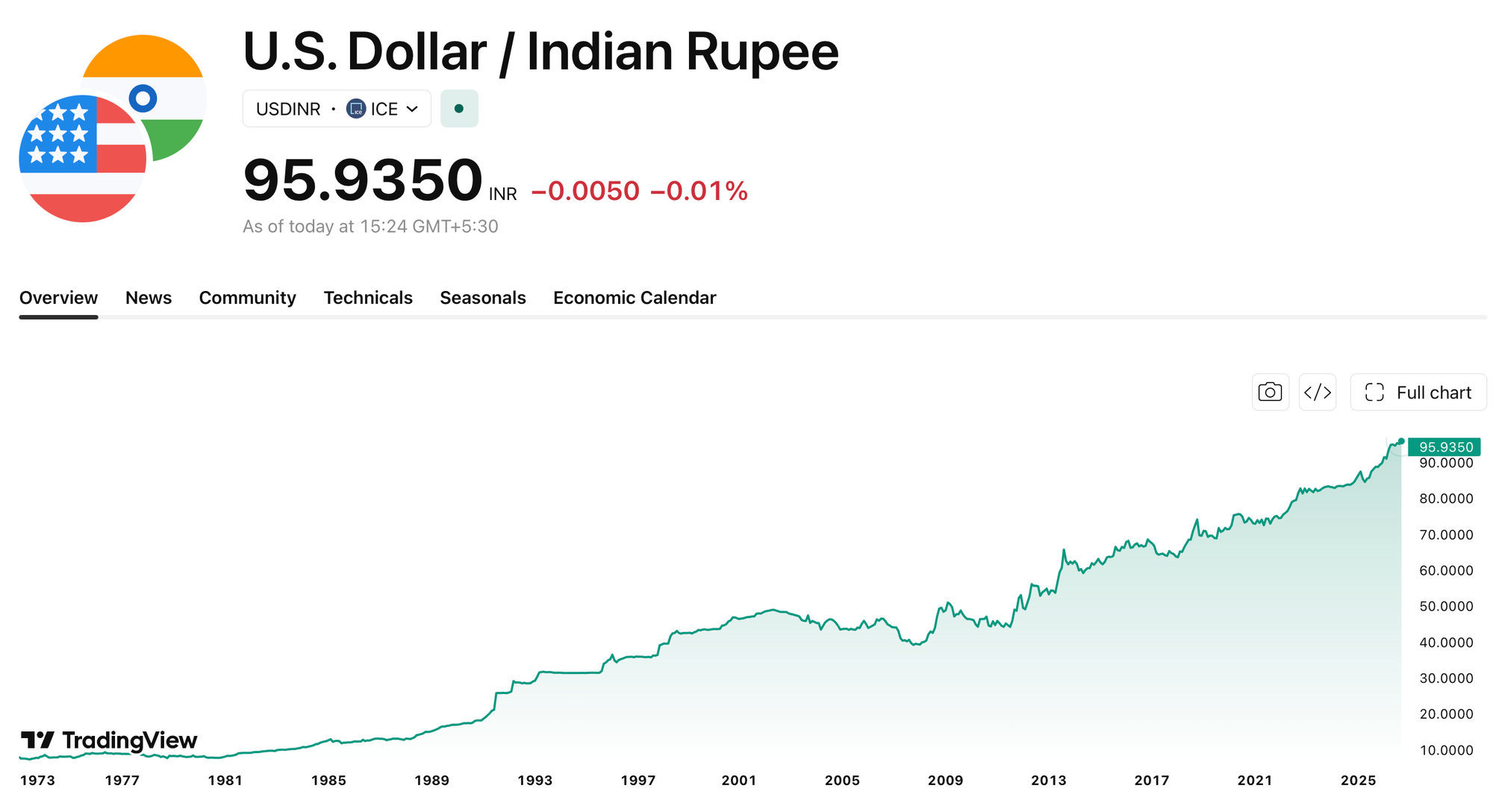
Oil makes this particularly important for India. Crude is priced in dollars, so a weaker rupee makes imported oil more expensive in rupee terms. With crude already above $100, further currency weakness can increase India's import bill and add to inflationary pressure.
Higher US yields can also influence foreign investment. American bonds become relatively more attractive when yields rise, which can affect the flow of foreign money into emerging markets such as India. That does not mean investors will automatically leave Indian markets, but it can add pressure to equities, bonds and the rupee.
The RBI does not have to follow the Fed and raise rates simply because the US has done so. Indian rates depend on domestic inflation and growth. But a weaker rupee, expensive crude and higher global yields can make the RBI's job more difficult.
For now, the Fed is willing to keep borrowing relatively expensive because inflation remains above its target. Trump wants much cheaper money, with the cost of borrowing particularly important when the US government is carrying more than $40 trillion in debt.
For India, the numbers to keep an eye on are fairly simple: the rupee, crude oil, foreign capital flows and Indian bond yields.