
 Newsletter
India’s oil companies are bleeding close to ₹1,000 crore every single day.
That is the estimate Petroleum Minister Hardeep Singh Puri recently shared while explaining why India’s state-run oil marketing companies are under mounting stress.
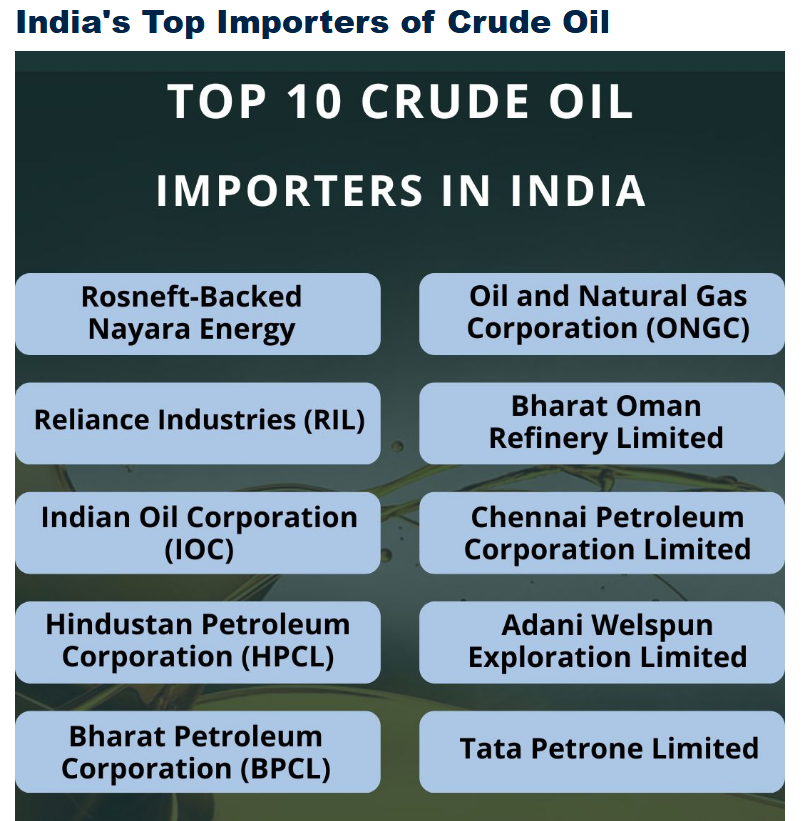
Indian Oil Corporation, Bharat Petroleum and Hindustan Petroleum are together losing roughly ₹30,000 crore every month because they are selling petrol, diesel and LPG below market-linked prices even as global crude prices have surged.
And yet, if you walk into a petrol pump in Delhi today, petrol still costs around ₹95 a litre. Diesel remains below ₹90. Domestic LPG cylinders are still being sold at politically manageable prices.
That is the real story here. India is trying to shield consumers from a global oil shock, and the cost of doing that is quietly piling up inside the balance sheets of its oil companies.
To understand why this is happening, you have to go back to how India’s fuel pricing system actually works.
Officially, petrol and diesel prices were deregulated years ago. Oil companies are supposed to revise fuel prices daily depending on global crude prices, refining margins, exchange rates and taxes.
But, fuel prices in India are never completely market-linked. Whenever global oil prices spike sharply, especially close to elections or during inflationary periods, prices at the pump tend to stay frozen for long stretches.
This time, the trigger has been the fresh geopolitical turmoil in West Asia and fears around the Strait of Hormuz, one of the world’s most important oil shipping routes.
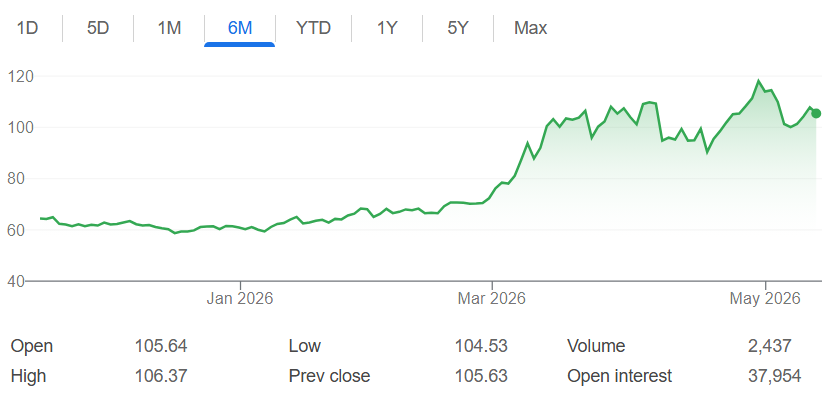
Brent crude briefly crossed $100 a barrel and touched nearly $126 in April 2026. For a country like India, that is a major problem because India imports nearly 89% of the crude oil it consumes. Every time crude rises by a few dollars, India’s import bill balloons almost immediately.
But crude oil is only one part of the problem.
India’s oil companies buy LPG at international market prices, but cooking gas cylinders in India are sold at controlled prices to keep them affordable for households. So when global LPG prices rose sharply, companies still had to sell cylinders at lower prices. The difference became a loss for the companies, and across millions of cylinders every month, those losses added up quickly.
According to government estimates, the combined under-recoveries of IOC, BPCL and HPCL have already crossed ₹1.98 lakh crore. During April 2026, officials estimated that oil companies were losing nearly ₹18 per litre on petrol and more than ₹25 per litre on diesel before tax adjustments and compensation mechanisms kicked in.
Different reports have cited varying figures because crude prices and exchange rates keep changing, but the direction is clear. The losses are large, persistent and growing.
Now normally, oil companies could simply raise prices. But that creates another problem.
Higher petrol and diesel prices push up inflation across the economy. Transport costs rise, food becomes more expensive and consumer spending weakens. India has already spent years trying to control inflation after the pandemic disruptions. A sudden fuel price hike would ripple through almost every sector.
So the government has instead tried to spread the burden around.
In August 2025, it approved a ₹30,000 crore compensation package for three public sector Oil Marketing Companies (OMCs) to cover the losses incurred from supplying LPG at regulated prices.
Then in March 2026, the Centre cut excise duty on petrol and diesel by ₹10 per litre. But consumers did not see fuel prices fall by the same amount at petrol pumps. Instead, much of the tax cut was used to ease the financial pressure on oil companies.
But that creates another trade-off. Lower excise collections mean lower government revenues. So in effect, taxpayers indirectly absorb part of the fuel subsidy burden. This is why India’s fuel pricing system becomes so politically sensitive whenever crude prices spike.
Someone eventually pays the bill. Either consumers pay through higher fuel prices, oil companies pay through weaker balance sheets or the government pays through lower tax collections and compensation packages.
There is also another layer to this story. India’s oil companies are not just fuel retailers but also among the country’s biggest infrastructure investors.
IOC, BPCL and HPCL collectively spend tens of thousands of crores on refineries, pipelines, petrochemical projects, green hydrogen initiatives and energy transition plans. Sustained losses weaken their ability to invest in future energy infrastructure at the exact moment India is trying to modernise its energy system.
For now, the government appears determined to prioritise price stability over market-linked pricing. Officials have repeatedly said India has enough fuel stocks and there is no plan for rationing.
But if crude prices remain elevated for months, the pressure will become difficult to contain. Either fuel prices will eventually rise, or the government will have to step in with even larger compensation packages.
That is the uncomfortable reality underneath India’s stable fuel prices today. Consumers may not be feeling the full impact of expensive oil yet, but the system is absorbing the shock somewhere else. And right now, that somewhere is India’s oil companies.