
 Newsletter
There is something faintly absurd about the way we remember technology companies.
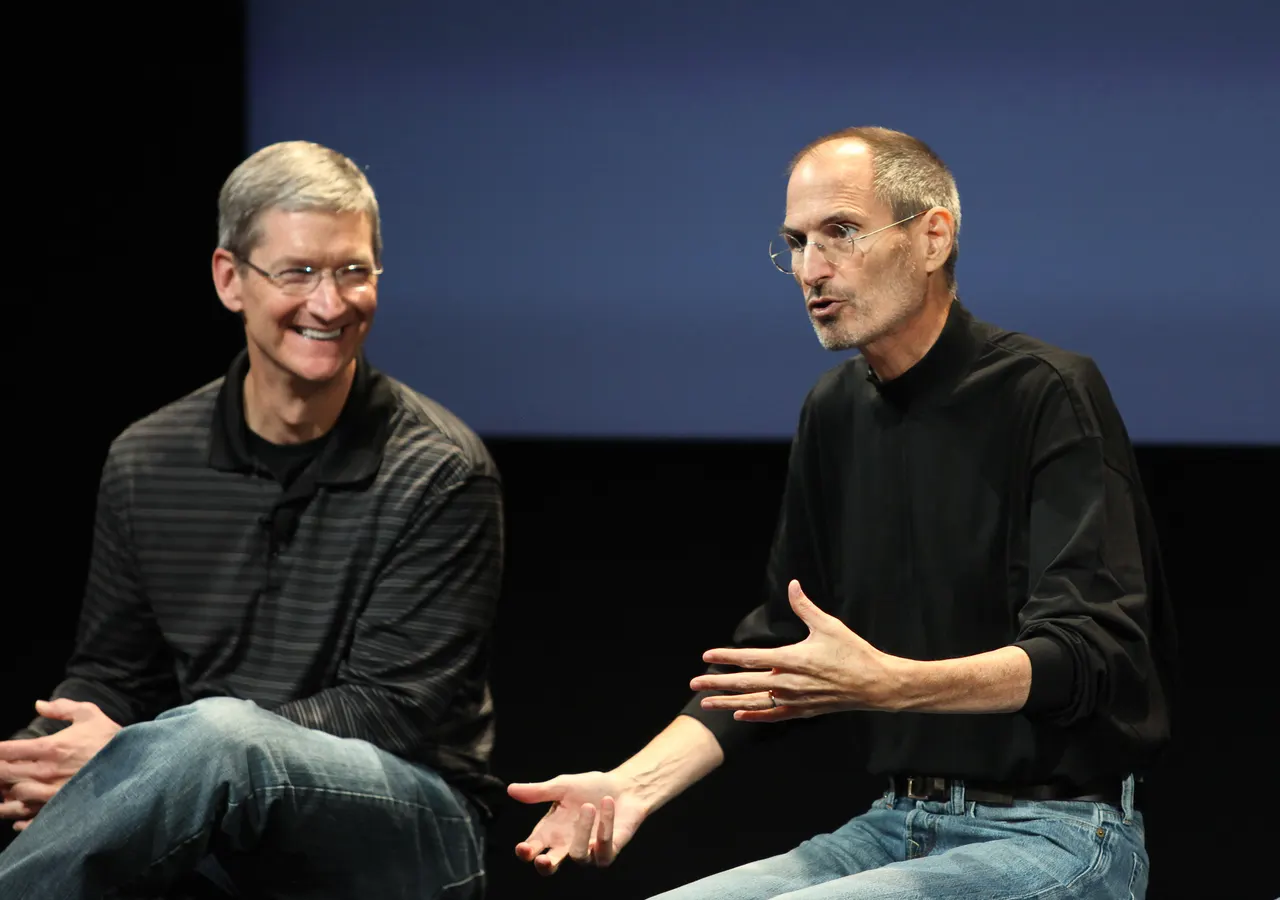
We remember the people on stage. Steve Jobs in a black turtleneck, pulling an iPhone out of his pocket as if he had just stolen it from the future. Elon Musk standing next to a Cybertruck. Mark Zuckerberg renaming his company and asking the world to care about the metaverse.
Tim Cook never really fit that mythology.
He was the operations guy. The man who cared about factories, inventory, suppliers and whether a component arrived in Shenzhen on Tuesday instead of Thursday. He could stand on the same Apple stage, in front of the same giant screens, and still somehow look like the person who had made sure the presentation started on time.
And yet, as Cook spends his final day as Apple CEO on August 31, 2026, the company he leaves behind is almost unrecognisable from the one he inherited.
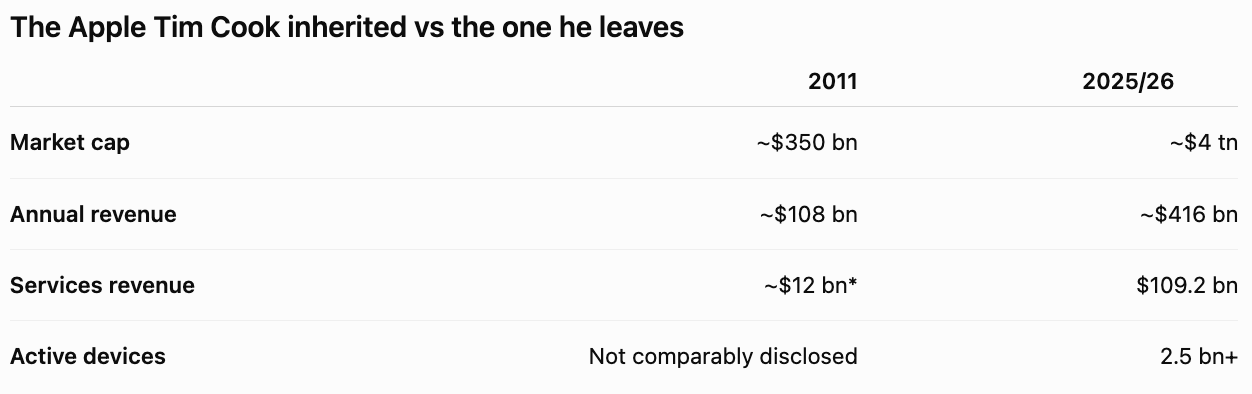
When he took over from Jobs in August 2011, Apple was worth roughly $350 billion. Today, it is worth around $4 trillion and briefly crossed $5 trillion in July. Annual revenue has climbed from about $108 billion to more than $400 billion. More than 2.5 billion Apple devices are now active around the world.
Cook did not create another iPhone. He did something far less romantic and financially far more powerful. He built a company that did not need one.
That instinct had been visible long before he became CEO.
Cook joined Apple in 1998, when the company was still dragging itself out of years of disorder. Jobs had returned. The colourful iMac was beginning to give Apple some personality again. But behind the glossy machines sat a much less glamorous problem: Apple had too much inventory.
Computers were sitting in warehouses for weeks. That is dangerous in technology because unsold hardware ages quickly. A machine worth full price today can become yesterday’s model in a few months.
Cook treated inventory almost like food. He once compared it to dairy: the longer it sits around, the worse things get.
In 1997, Apple was carrying roughly a month of inventory. By the end of 1998, Cook had helped bring that down to about six days.
Factories were shut or outsourced. Suppliers were brought closer to assemblers. Manufacturing became leaner. Apple got better at predicting what customers would buy and making roughly that amount, rather than producing mountains of hardware and hoping someone wanted it.
It sounds painfully unsexy because it is. It was also foundational.
Jobs could make people line up outside Apple stores. Cook helped make sure there were enough devices waiting inside. By the time Jobs stepped down in 2011, Cook had already spent more than a decade building the machinery behind Apple’s magic trick.
Then he was asked to run the entire show.
Jobs was not merely a chief executive by then. He had become part founder, part celebrity, part folk hero. Apple launches felt like events. Products arrived with a story attached to them. Even people who had never bought a Mac could recognise the silhouette of the man presenting one.
Cook inherited a company whose identity was so closely tied to another human being that merely being competent risked looking disappointing.
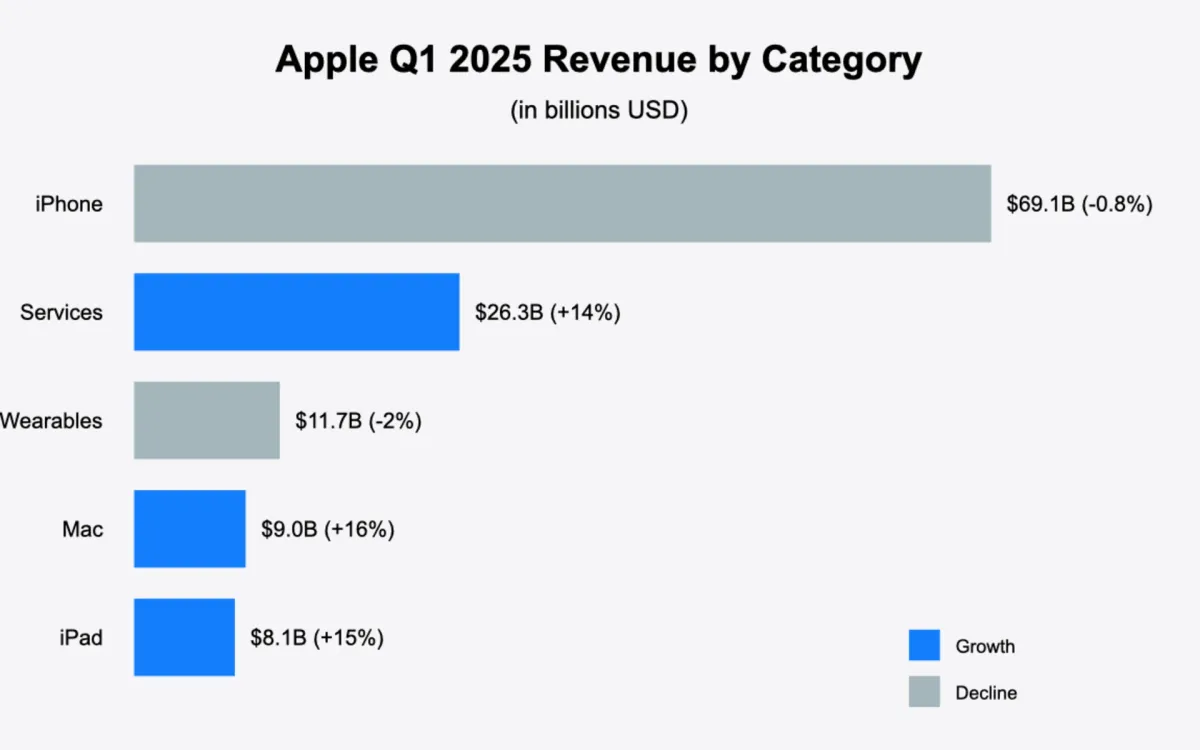
The iPhone remained the centre of Apple. In FY2025, it generated close to $210 billion, roughly half of the company’s revenue. Cook did not reduce Apple’s dependence on the iPhone by making it less important. He made owning an iPhone the beginning of a much longer commercial relationship.
The iPhone became less like a standalone purchase and more like the front door to Apple’s world. Once you were in, the rest followed naturally: a Watch that synced with your phone, AirPods that switched between devices, a Mac that picked up where your iPhone left off, photos stored in iCloud, music and apps tied to the same account. Over time, Apple stopped selling you separate products and started building a system that became increasingly inconvenient to leave.
Eventually, leaving Apple stopped meaning replacing a phone. It meant replacing an entire arrangement.
Cook’s Apple became very good at making that arrangement feel convenient enough that most people never seriously considered escaping it.
The Apple Watch arrived in 2015 and slowly shifted from being an iPhone accessory towards a health and fitness device. AirPods came a year later and turned a product that initially looked a little ridiculous into one of the most copied designs in consumer electronics.
Then Apple did something quieter but strategically enormous. It started replacing Intel chips in Macs with processors designed by Apple itself.
The first Apple Silicon Macs arrived in 2020. By 2023, Apple-designed chips ran across the modern Mac line-up. It gave Apple control over more of the machine.
The company already controlled the operating system and much of the hardware. Now it could design the processor too, tuning the chip, battery, software and device around one another rather than waiting for Intel’s roadmap.
Apple was becoming less like a company assembling technology and more like a country trying to manufacture everything within its borders. And while all this was happening, Cook built another business inside Apple that produced no iconic object at all: Services.
In FY2025, Apple’s Services business generated $109.2 billion in revenue. That includes products such as iCloud, Apple Music, the App Store, AppleCare, Apple Pay and Apple TV+, among others.
The size alone is impressive. The margins explain why Apple cared so much. Its physical products produced a gross margin of 36.8% in FY2025. Services produced 75.4%.
Selling an iPhone is expensive. Apple has to design it, buy components, manufacture it, ship it, stock it and eventually convince you to upgrade. Charging ₹75 or ₹200 every month for extra iCloud storage asks far less of the supply chain.
And if you decide to keep your phone for another year, the subscription can continue without complaint. By Cook’s final year, Apple had around 1.5 billion paid subscriptions across its services ecosystem, according to the Financial Times.
Apple was no longer waiting patiently for every customer to buy another device. It had learned how to earn money while they waited. Cook brought the same temperament to Wall Street.
Apple became an extraordinary buyer of its own shares. During his tenure, the company returned more than $1 trillion to shareholders through dividends and buybacks.
It is an accountant cinema. And Cook was very good at it. Cook also began looking harder at markets Apple had historically treated as secondary.
India is a good example.
For years, the iPhone occupied a strange position here. It was everywhere in advertising, films and social media, but Apple remained a small player in the broader smartphone market because most Indians bought much cheaper Android devices.
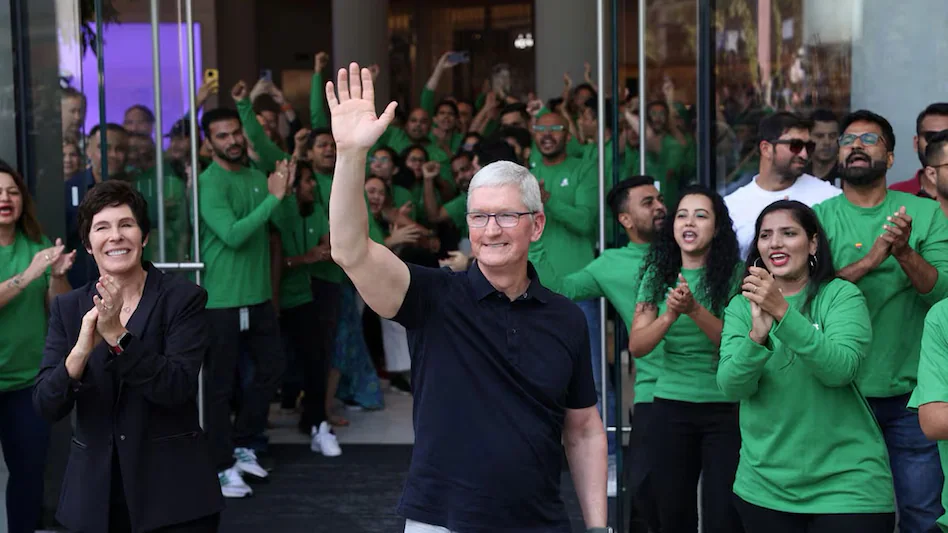
Apple’s first company-owned stores in India opened only in 2023, in Mumbai and Delhi.
Cook came himself. By early 2026, Apple had expanded to six stores across India, including Bengaluru, Pune, Noida and another Mumbai location.
Its smartphone share has climbed too. Around 14 million iPhones were shipped in India in 2025, according to Counterpoint data reported by TechCrunch, giving Apple roughly 9% of smartphone shipments.
Cook has called Apple’s share in India modest, but that is exactly what makes the country valuable. India gives Apple room to sell more iPhones and a second manufacturing base as it reduces its dependence on China.
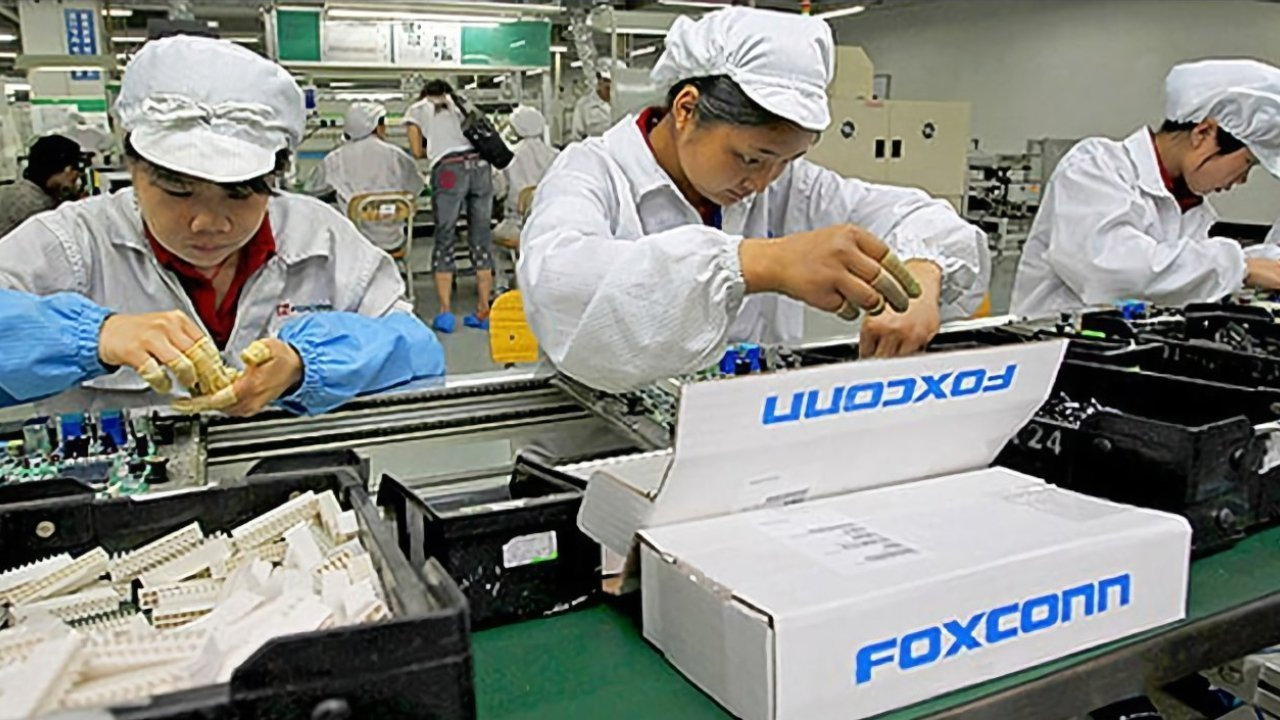
That dependence was once one of Cook’s biggest strengths. Over time, Covid disruptions and US-China tensions turned it into a risk. So the same man who perfected Apple’s China-heavy supply chain spent his final years trying to spread it across India, Vietnam and beyond.
Cook’s Apple had its misses too. Apple Maps launched badly enough to force a public apology, Project Titan spent years chasing an Apple car that never arrived, and Vision Pro proved that even impressive engineering could struggle without a clear everyday use case.
AI is the more serious problem. OpenAI, Microsoft and Google moved fast while Apple arrived later, with a delayed Siri overhaul and a less convincing generative AI story. Cook leaves behind one of the richest technology companies in the world, but also one that is still trying to catch up with the shift now reshaping the industry.
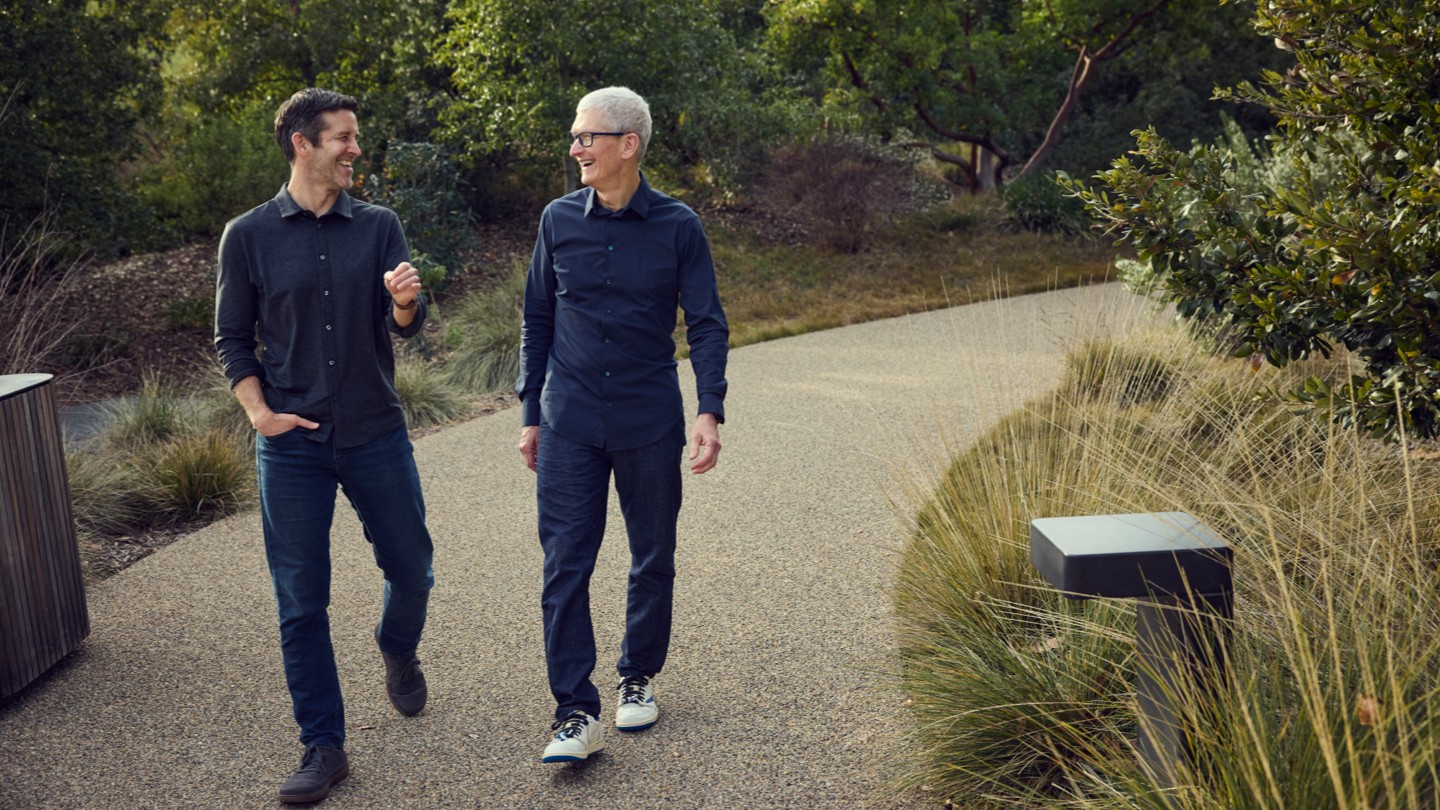
That is the company John Ternus inherits on September 1. He joined Apple’s product design team in 2001, became a vice president of Hardware Engineering in 2013, and has led the entire hardware engineering organisation since 2021. Over the years, his teams have worked across the iPhone, iPad, Mac, Apple Watch, AirPods and Vision Pro, and he was also closely involved in the Mac’s shift from Intel processors to Apple Silicon.
In other words, Apple has picked someone who knows the machinery from the inside. Ternus is a mechanical engineer by training, and much of his career has been spent making Apple’s products thinner, tougher, more efficient and increasingly built around technology the company controls itself. Apple has also credited him with work around durability, new materials and repairability.
He is not walking into a rescue job. Apple has billions of active devices, a Services business generating more than $100 billion a year, its own chips and one of the strongest consumer ecosystems in the world. Cook will remain close by as executive chairman, so this looks less like a break with the past and more like Apple handing the keys to someone who helped build the machine.
The harder part is deciding where to drive it next.
Cook made Apple less dependent on one breakthrough product to keep growing. Ternus now has to prove that this enormously successful system can still lead when the next shift is being driven by AI.
Jobs left Apple with the iPhone. Cook leaves behind the business built around it. Ternus gets the harder assignment: finding what comes after.