
 Newsletter
India is very good at making expensive medicine cheap.
We have built an entire pharmaceutical industry around it. A drug spends years protected by patents, costs a small fortune, and then Indian manufacturers arrive when those patents expire with versions that cost a fraction of the original. Cancer drugs, HIV medicines, diabetes pills. We have done this so often that the sequence almost feels predictable.
In March, India got perhaps its most high-profile test yet.
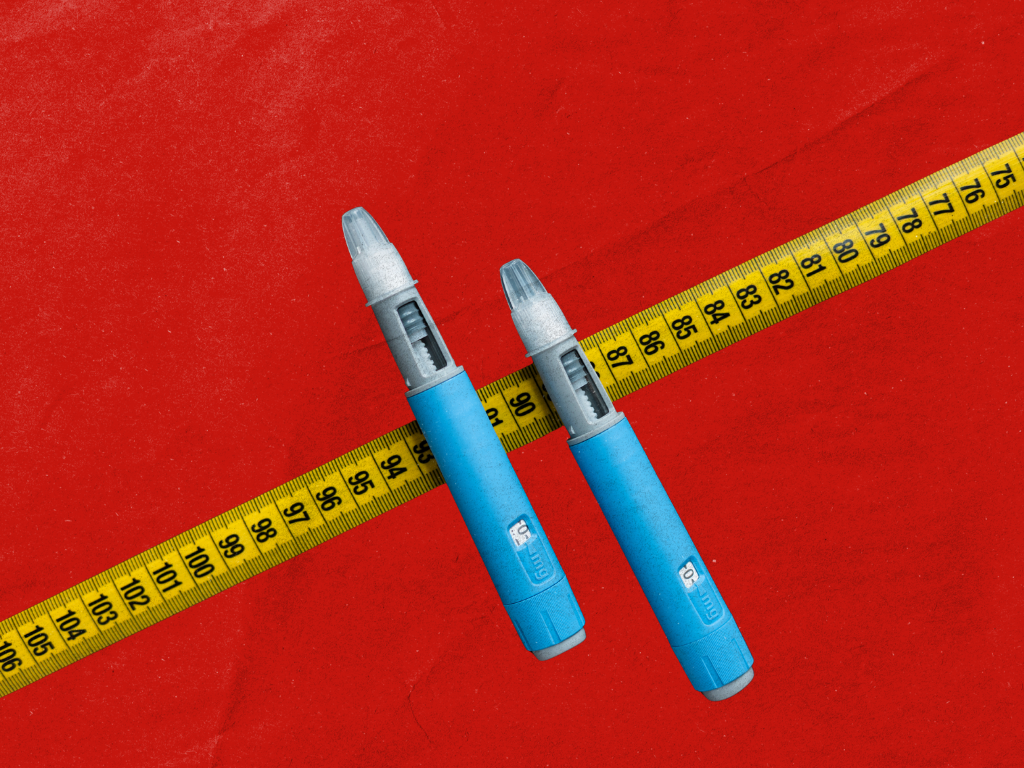
The Indian patent covering semaglutide expired on March 20. Semaglutide is the molecule behind Novo Nordisk's Ozempic and Wegovy, drugs that went from diabetes treatments to global weight-loss celebrities, inspiring celebrity confessionals, TikTok before-and-afters and enough internet discourse to make carbohydrates feel personally attacked.
Indian pharmaceutical companies were waiting.
Within days, more than 20 generic versions had entered the market. Soon, there were more than 30. Some came from familiar names such as Dr Reddy's, Sun Pharma, Natco Pharma and Torrent.
And they were cheap. Natco launched a version costing as little as ₹1,290 a month. Before the generic wave arrived, treatment with branded semaglutide could run into several thousand rupees every month. Novo Nordisk responded by cutting Indian prices of Ozempic and Wegovy from April 1. Wegovy's introductory dose, for instance, fell from ₹2,712 a week to ₹1,415.
For India's pharmaceutical industry, the setup could hardly have looked better.
India has a huge diabetes burden. Obesity is rising. GLP-1 medicines had already become one of the hottest pharmaceutical categories in the world. Now the molecule was dramatically more affordable in a country containing millions of potential patients.
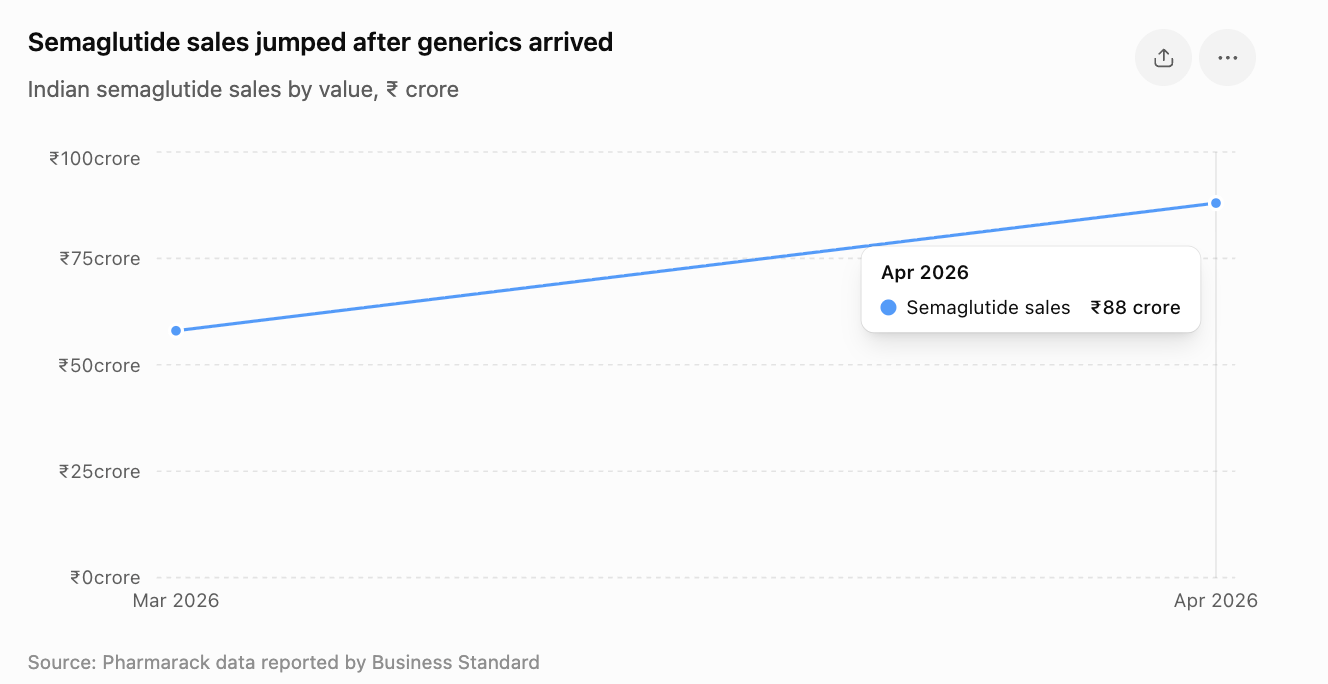
For a few weeks, everything behaved exactly as expected. Semaglutide sales climbed from roughly ₹58 crore in March to ₹88 crore in April. Generic injectable volumes jumped from around 40,000 units to 137,000 in a single month. Even the broader market expanded rather than merely shifting patients from expensive brands to cheaper ones.
It looked like India's generic machine had worked again.
Then growth began cooling.
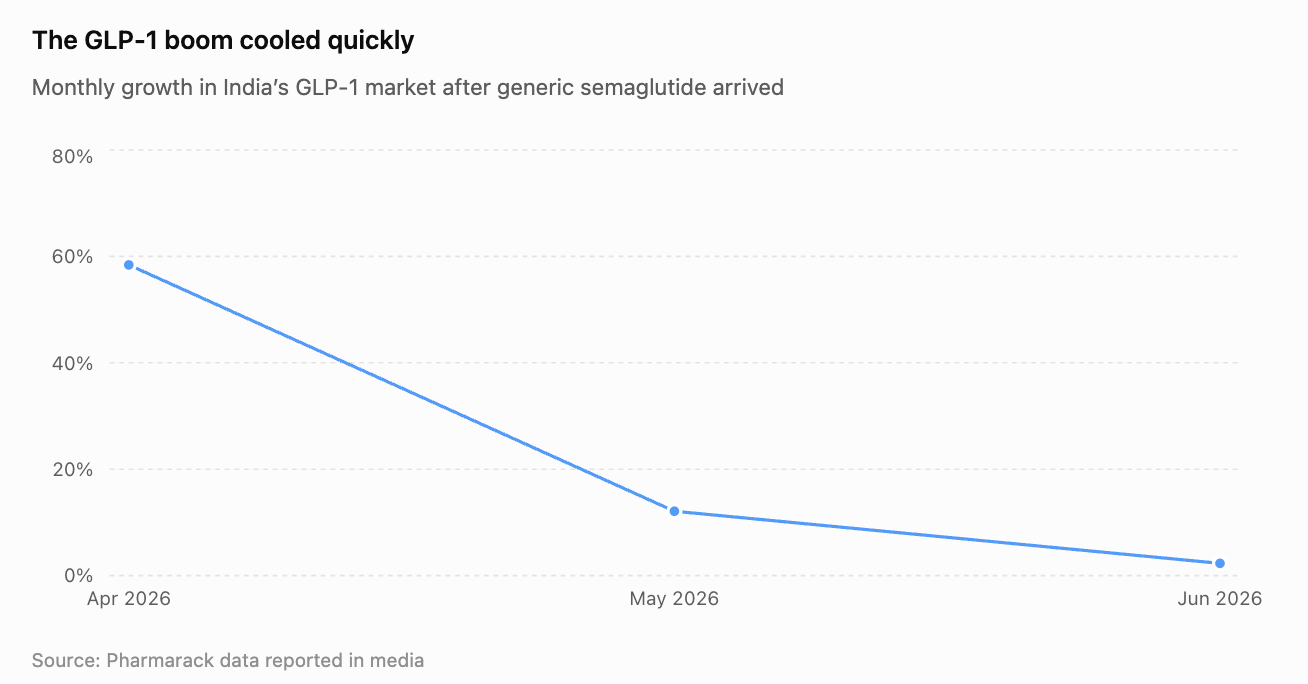
By June, monthly growth in India’s GLP-1 market had slowed to just 2.3%, from 58.4% in April and 12.1% in May.
July brought some recovery. Generic semaglutide volumes increased from about 1.66 lakh units in June to 1.92 lakh units. So Indians have clearly not rejected these medicines. But the market has behaved very differently from the giant price-led rush that many expected.
Bloomberg reported that Nomura had expected India’s GLP-1 market to touch $261 million in sales in 2026. But by July, sales had reached only about 20% of that estimate. Clearly, cheaper drugs weren’t enough to bring in millions of patients. Because before someone starts semaglutide, a lot still has to happen.
First, they need to see their weight as something that may require medical treatment. Then they need to visit a doctor. The doctor needs to decide that a GLP-1 is appropriate. The patient has to accept a weekly injection and possible side effects. They need to choose among dozens of brands, pay for the medicine repeatedly, return for follow-ups and stay on treatment.
At every step, some potential customers disappear. Generics solved one very visible problem in that chain. They made the medicine cheaper. They did not automatically solve the rest.
Doctors are particularly powerful gatekeepers here. When a chemist substitutes one familiar fever tablet for another, most customers barely think about the manufacturer. An injectable obesity medicine is harder to treat that casually. Patients may gradually increase dosage, experience nausea or other gastrointestinal effects, and require medical monitoring.
So when 20 or 30 unfamiliar semaglutide brands suddenly arrive together, the doctor's comfort with the manufacturer carries enormous weight. The cheaper copies grew rapidly, but Novo Nordisk's original products did not disappear.
In April, generic and innovator semaglutide each generated roughly ₹44 crore in sales, according to Pharmarack data. Doctors and patients continued buying the reference products even with much cheaper alternatives available.
By July, competition among generics themselves had also become lopsided. There were 33 generic brands tracked in the market, but just 11 accounted for 80% of sales volumes.
Price can get a medicine onto a pharmacy shelf. Prescriptions decide whether it leaves the shelf. The unusual economics of weight-loss treatment add another complication. ₹1,290 a month sounds extraordinarily affordable next to the original price. It sounds even better if you imagine taking the medicine for three months, losing some weight and moving on.
But that is not how GLP-1 treatment works.
Obesity is increasingly treated as a chronic condition. Patients can require prolonged therapy, medical supervision and continued lifestyle changes. Stopping treatment can also lead to weight regain for many patients.
The industry is selling long-term metabolic treatment. A patient may be shopping for a weight-loss course. And in India, treatment decisions rarely happen in isolation.
People may need to explain the expense to spouses or parents. Some hide their injections because taking medication for obesity can be dismissed as an easy shortcut compared with dieting or going to the gym. Others worry about side effects, fake products or whether these medicines are safe at all. Bloomberg found patients discussing how to hide injections and refrigerate them without family members noticing.
Pharmaceutical companies cannot easily advertise their way through those concerns either.
India restricts promotion of prescription medicines. Ahead of the generic rush, CDSCO specifically warned manufacturers against promotional activity around GLP-1 medicines and obesity treatments, including indirect promotion through disease-awareness campaigns and digital outreach.
Launching one of 30 near-identical semaglutide brands is not easy. Companies can cut prices, expand distribution and reach doctors, but they cannot market prescription drugs like consumer products.
So the next battle is less about manufacturing and more about trust. Doctors need confidence in the brand, while patients need counselling, medical supervision and a clearer understanding that GLP-1 treatment may be long-term.
India's GLP-1 market is still growing, but the first few months have already shown one thing: making a blockbuster drug cheaper can widen access, but affordability alone will not create the market.