
 Newsletter

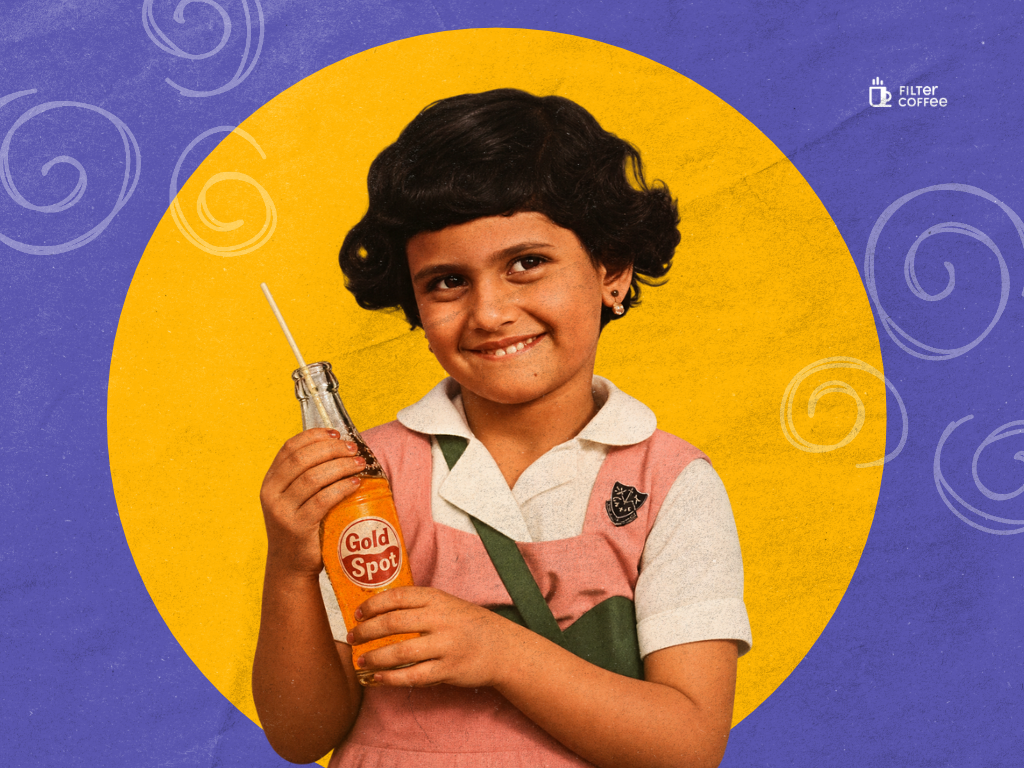
Coca-Cola is bringing back a soft drink it discontinued 26 years ago.
On November 25, the company announced the relaunch of Gold Spot, the orange-flavoured fizzy drink that was once a household name in India. It will return as a low-sugar beverage in cans and will initially be sold through quick-commerce platforms such as Blinkit, Zepto and Swiggy Instamart.
Ironically, Gold Spot owes its very existence to a dispute with Coca-Cola.
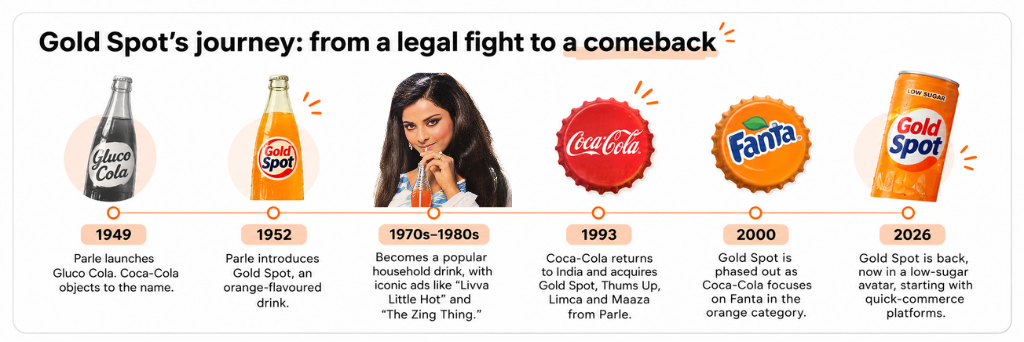
In 1949, Parle, which had already built a successful business selling glucose biscuits and confectionery, decided to enter the soft-drinks market. It launched a drink called Gluco Cola and even hired legendary cartoonist R.K. Laxman to design its advertisements.
Coca-Cola entered India a year later and objected to the brand's name. Parle renamed the drink Parle Cola, but the dispute continued. By 1951, the company had stopped producing the drink.
Parle decided to try a different flavour. In 1952, it introduced Gold Spot, an orange-flavoured carbonated beverage named after its popular Gold Star peppermint.
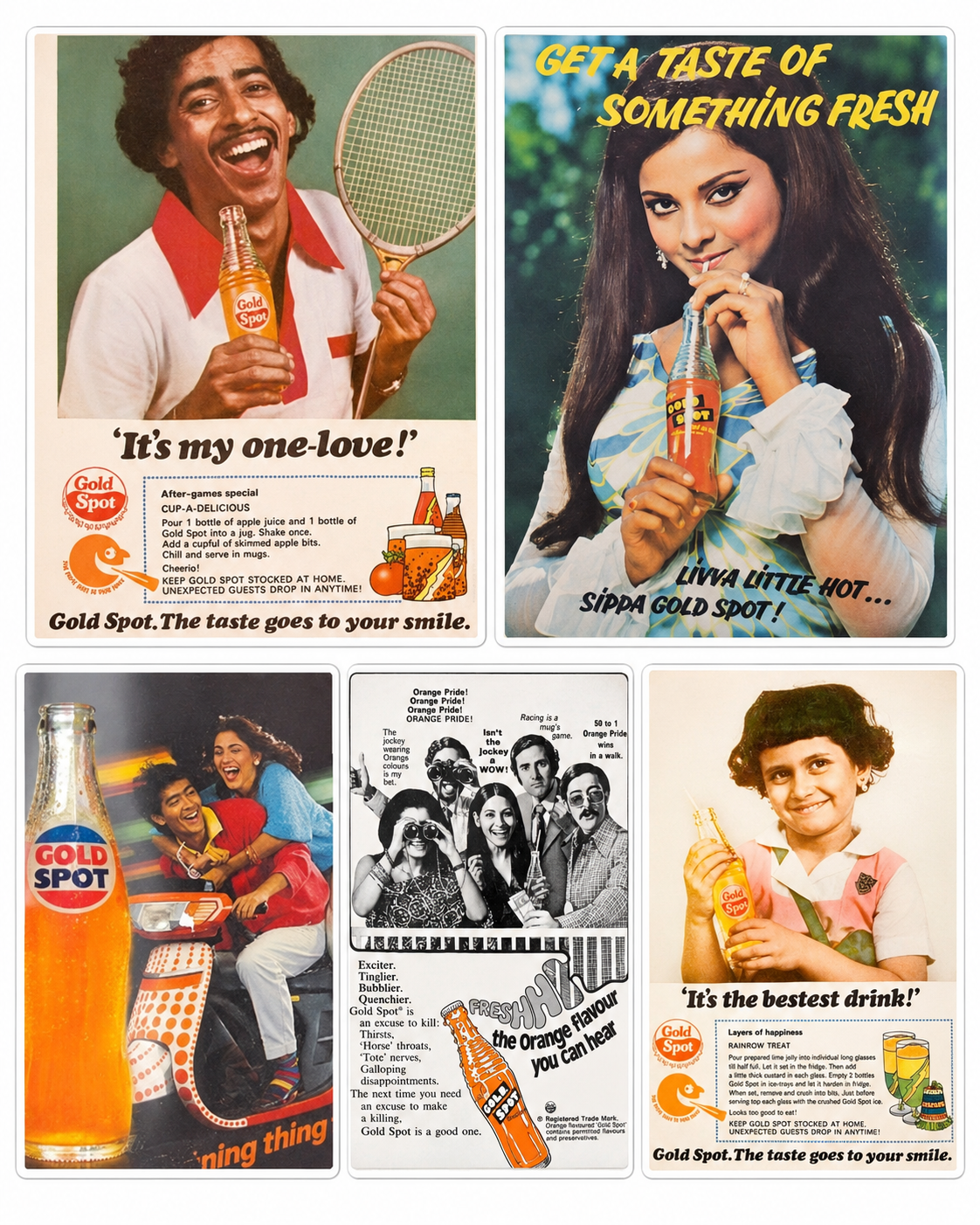
The drink became particularly popular among children. Over the years, Parle expanded its beverage portfolio with products such as Limca and Maaza, building a distribution network across India.
Business got even better in 1977, when Coca-Cola exited India following disagreements with the government over foreign ownership regulations. Its departure left a gap in the country's soft-drinks market, which Indian companies were quick to fill. Parle introduced Thums Up, while Pure Drinks expanded Campa Cola.
Until 1991, Parle commanded around 60% of India's soft-drinks market, led by three brands: Thums Up, Gold Spot and Limca.
By the time Coca-Cola returned to India in 1993, the market it had left behind was dominated by homegrown brands. Competing with them would mean spending years building a distribution network, establishing relationships with bottlers and convincing retailers to stock its products.
Instead, Coca-Cola bought some of its biggest potential competitors.
On November 12, 1993, Parle transferred the trademarks of six beverage brands, including Thums Up, Limca, Maaza and Gold Spot, to Coca-Cola. The acquisition gave the American company access to established Indian brands and an existing network of bottlers.
But owning Gold Spot created a problem for Coca-Cola. It already had Fanta, its international orange-flavoured soft drink. Keeping both meant investing in two brands competing for largely the same customers.
Coca-Cola eventually prioritised Fanta and phased out Gold Spot by 2000. Other acquired brands, including Thums Up, Limca and Maaza, survived and remain part of its Indian beverage portfolio today.
So, why bring Gold Spot back now?
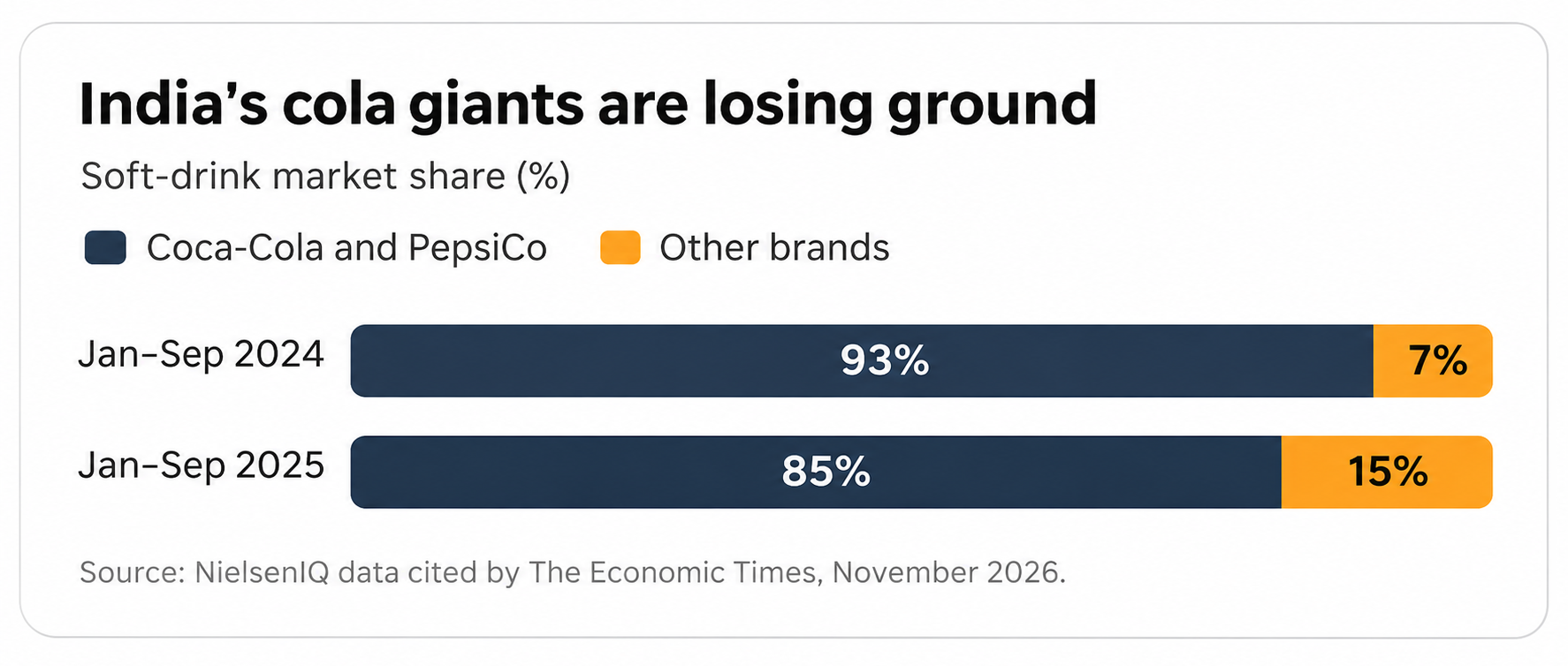
India's soft-drinks market has become considerably more competitive. Reliance revived Campa in 2023, using affordable ₹10 packs and its extensive distribution network to challenge Coca-Cola and PepsiCo. Regional brands such as Lahori Zeera have also gained ground by catering to Indian taste preferences.
Between January and September 2025, the combined market share of smaller soft-drink brands rose to 15%, up from around 7% during the corresponding period in 2024. Coca-Cola and PepsiCo's combined share declined from 93% to 85%.
Campa's resurgence has also demonstrated that a brand can retain considerable commercial value even after spending years out of the mainstream market.
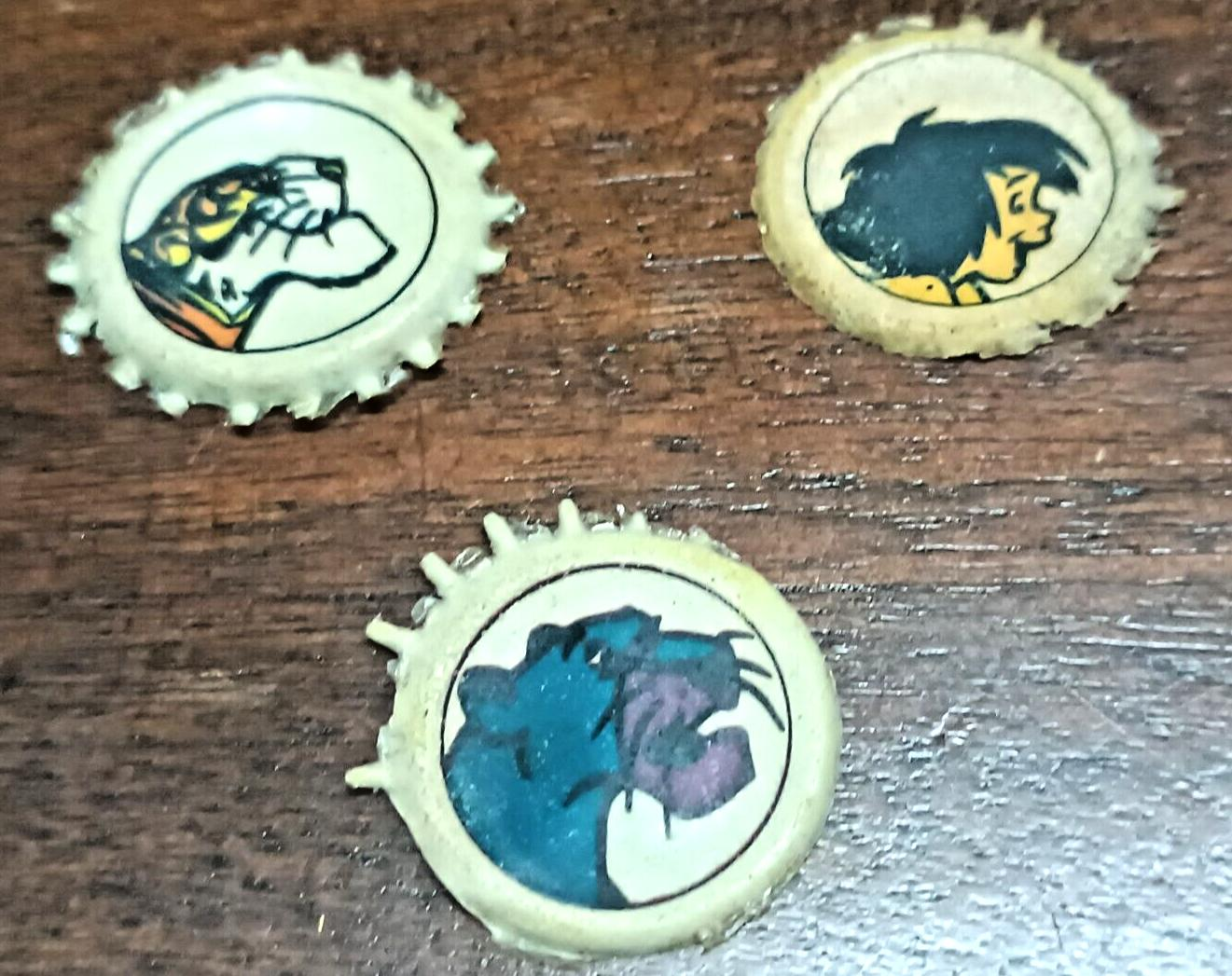
Before Pokémon cards, there were Gold Spot bottle caps. In 1983, Gold Spot partnered with Disney to hide collectible Jungle Book characters under its bottle caps. Children collected and traded them to win a special comic book. It was a clever way to keep kids coming back for another bottle.
Coca-Cola is taking a slightly different approach with Gold Spot. Rather than bringing it back as another conventional orange soda, it is positioning the drink as a low-sugar alternative. This gives the company a way to serve a different set of consumers without necessarily taking customers away from Fanta.
Nostalgia might get older consumers to order their first can. Younger consumers, who have little or no memory of Gold Spot, will need a reason to order their second. The drink's taste, pricing and availability will ultimately determine how successful the comeback is.
Seventy-four years after a dispute with Coca-Cola helped give birth to Gold Spot, the Indian soft drink is returning to compete in the very market it once helped Coca-Cola capture.