
 Newsletter
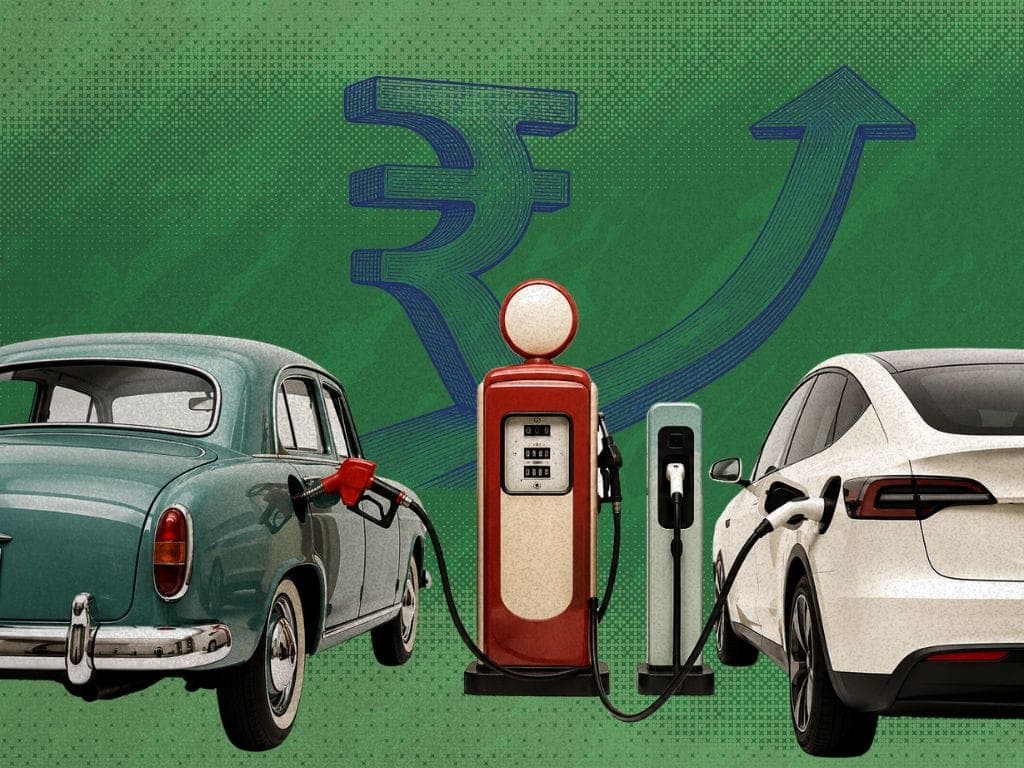
For most Indians, inflation usually feels like a slow burn.
Milk became ₹2 costlier, petrol prices inched up a few rupees, restaurant bills feel slightly heavier and then life moves on.
But over the last few months, something unusual has happened.
Prices across kitchens, restaurants and grocery shelves have started moving together and the trigger is sitting thousands of kilometres away in the Middle East.
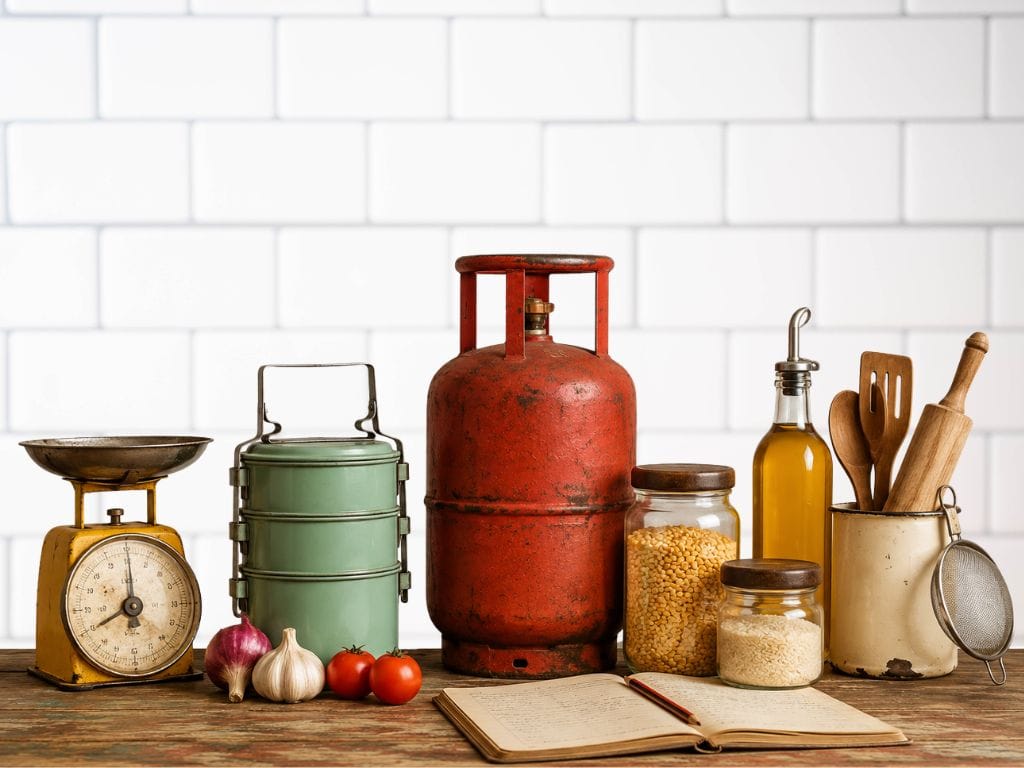
The visible shock came from commercial LPG prices.
In Delhi, the price of a 19 kg commercial LPG cylinder reportedly shot up to over ₹3,071 after multiple hikes in just a few months. That is more than ₹1,300 higher compared to the roughly ₹1,740 levels seen earlier this year.
For restaurants, cafés, cloud kitchens and caterers, this is not some distant macroeconomic headline as commercial LPG is one of their biggest daily operating costs. A restaurant can go through several cylinders every week.
So when the cylinder itself suddenly becomes more expensive, the pressure immediately starts showing up elsewhere. Either businesses absorb the hit and lose margins, or consumers eventually pay more for food.
And that is exactly why eating out is quietly becoming more expensive across cities.
But the bigger story is that LPG is only one layer of the problem.
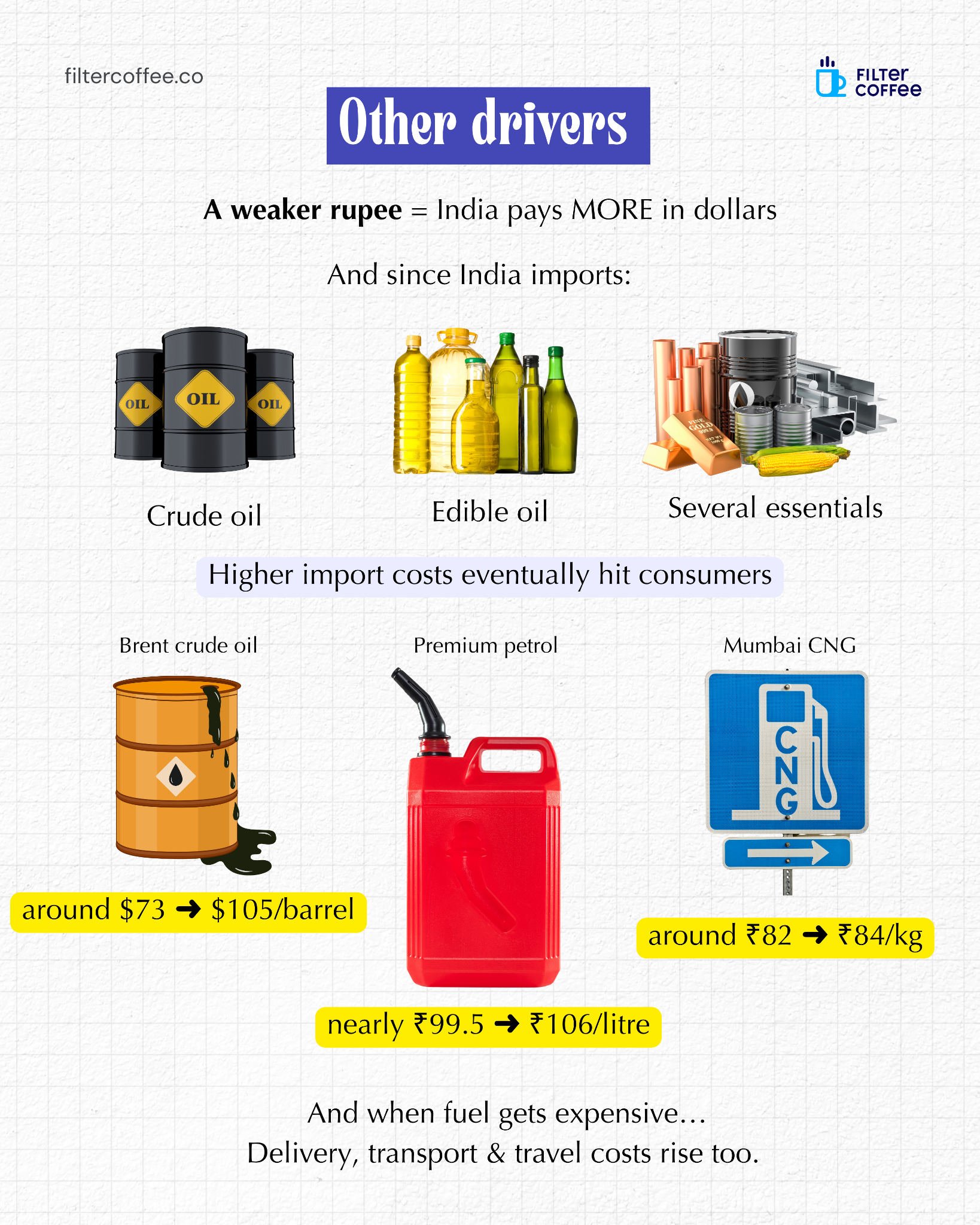
India imports nearly 90% of its crude oil needs. So whenever global oil prices spike because of geopolitical tensions, wars or supply disruptions, India feels the heat very quickly.
Brent crude prices recently moved sharply higher, and fuel prices in India followed. Petrol and diesel prices were raised by around ₹3 per litre in May 2026, pushing petrol prices in Delhi close to ₹98 per litre.
And once crude oil becomes expensive, the impact does not stay limited to petrol pumps because fuel sits at the centre of almost every supply chain in the economy.
Now fuel becoming expensive does not just affect car owners. It affects almost everything else. Trucks transporting vegetables become more expensive to run. Delivery costs rise. Flight tickets become costlier. Logistics companies increase freight charges. Restaurants pay more for transportation, refrigeration and cooking fuel at the same time. Even online grocery deliveries start carrying hidden inflation.
And then comes the edible oil problem.
India is one of the world’s largest edible oil importers and imports roughly 60% of its requirements. That means India depends heavily on countries like Indonesia, Malaysia, Argentina and Ukraine for oils such as palm oil, sunflower oil and soybean oil.
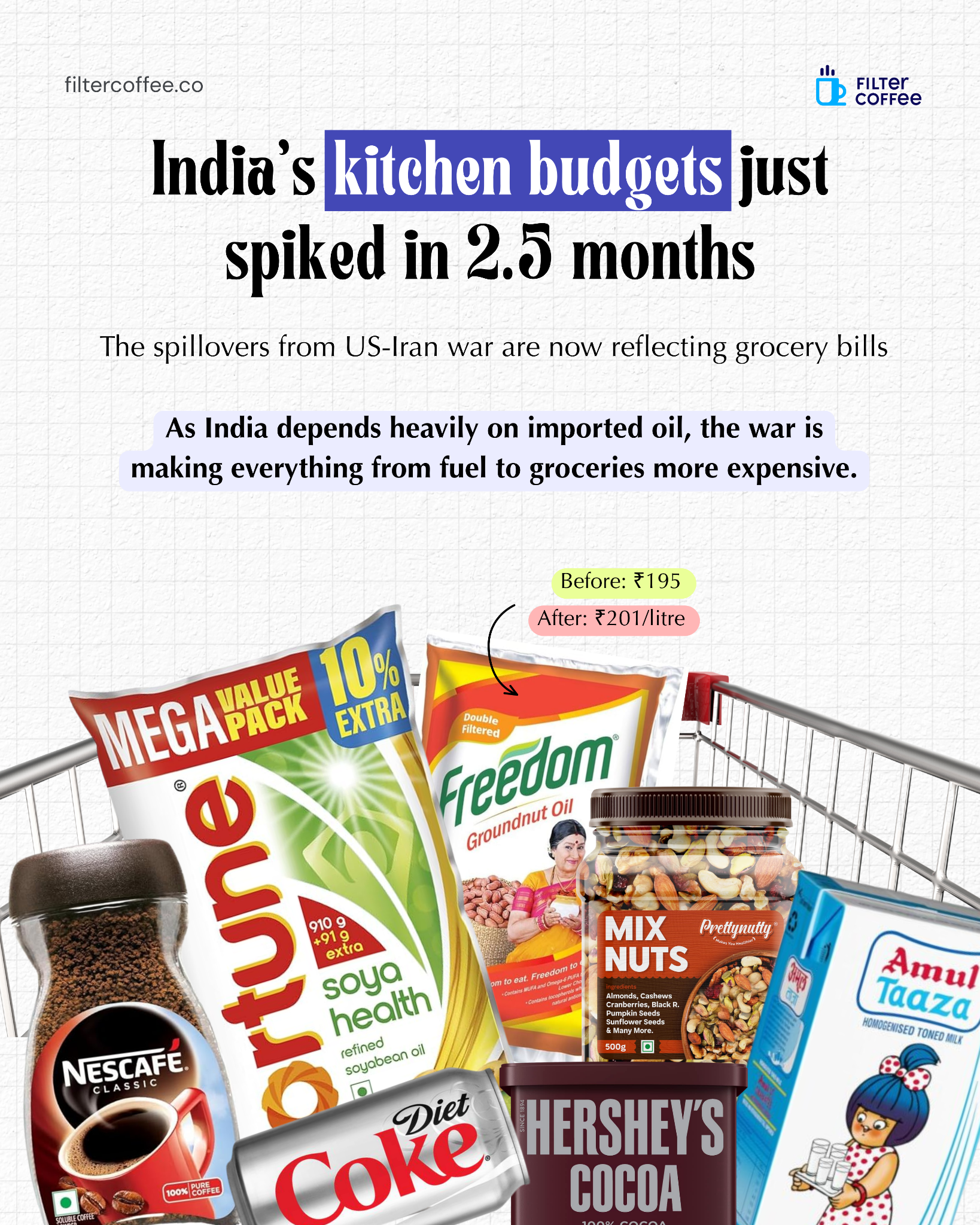
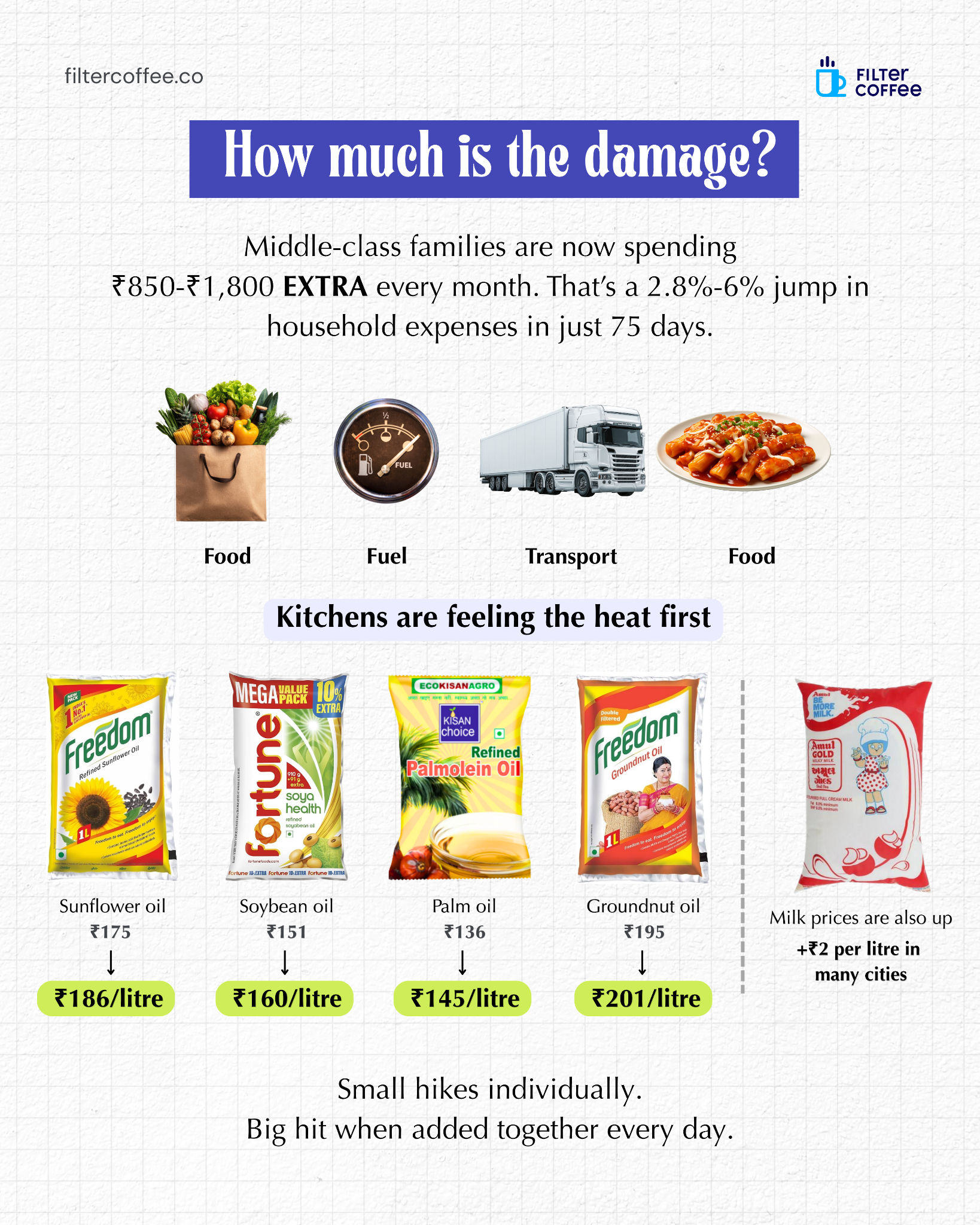
So when global edible oil prices rise, Indian kitchens feel it almost instantly. Groundnut oil prices in many cities have crossed ₹200 per litre. Sunflower, soybean and palm oil prices have also climbed steadily in recent months.
What makes this more dangerous is that edible oil inflation rarely stays isolated. Oil is used everywhere. Street food vendors, restaurants, snack manufacturers, bakeries and packaged food companies all depend on it daily. When cooking oil becomes expensive, the inflation quietly spreads through the entire food chain.
And there is another hidden irony here.
As crude oil prices rise globally, countries like Indonesia and Malaysia often divert more palm oil toward biofuel production because it becomes more profitable. That reduces edible oil supply for food markets and pushes prices even higher.
The rupee is also adding another layer of pressure.
Since global oil trade happens largely in dollars, a weaker rupee means India pays more even if crude prices stay unchanged. So India gets squeezed from both sides. Rising global prices on one hand and currency pressure on the other.
And all this is already visible in inflation data.
India’s retail inflation stood at around 3.5% in April 2026, but food inflation remained higher at over 4%. Restaurant and accommodation inflation also stayed elevated, signalling that service businesses are beginning to pass on costs to consumers.
What adds depth to this moment is that inflation is psychological too.
Families may not immediately notice a ₹5 increase in oil or a ₹2 increase in milk. But when fuel, groceries, delivery charges, restaurant bills and monthly kitchen expenses all rise together within a short span, household budgets suddenly start feeling tighter.
Analysts estimate middle-class families may now be spending anywhere between ₹850-₹1,800 extra every month compared to just a couple of months ago.
India has tried reducing its dependence on imported oil through measures like ethanol blending, which has already crossed 20% in petrol. But the reality is that India still remains deeply exposed to global energy markets.
And when geopolitical tensions flare up, Indian kitchens often end up becoming the final battlefield consumers never expected.