
 Newsletter

Instagram recently introduced new tools that make it even easier for users to stitch, remix and respond to someone else's content. Recently, Mint published an interesting deep dive into what it called the "reaction video economy", arguing that reaction videos have quietly become one of the internet's biggest content formats.
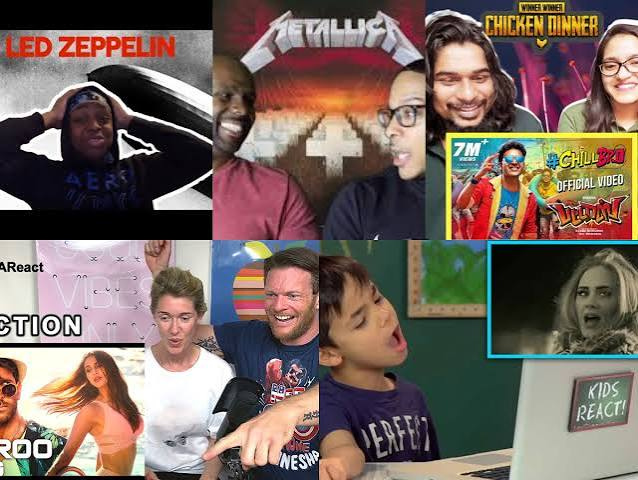
The internet is no longer built only around creating content. Increasingly, it is built around reacting to it.
If you've spent even five minutes on Instagram or YouTube lately, you've probably seen this happen. A podcast clip starts playing. Just before the speaker reaches the most controversial point, another creator suddenly appears in a small box. They pause the video, raise an eyebrow, shake their head and begin explaining why the original person is wrong. Before you've had the chance to form your own opinion, someone else has already done it for you.
This format has become so common that many people don't even notice it anymore. Yet it has changed how information travels across the internet. Instead of consuming original content first, millions of people now consume someone else's interpretation of that content. The reaction has become just as valuable as the original, and in many cases, even more valuable.
That wasn't always the case. Reaction videos first became popular on YouTube more than a decade ago through channels such as the Fine Brothers' React series, where people simply filmed themselves watching trailers, music videos or viral clips. The appeal was straightforward. Viewers enjoyed seeing someone else's genuine surprise, laughter or excitement. It felt like watching a movie with a friend instead of sitting alone.
The pandemic changed everything. Lockdowns left millions of people with more free time, cheap internet and a smartphone. Producing original content often required planning, scripting, filming and editing. Reaction videos required far less. A creator could watch an existing clip, add commentary and publish it within hours. That low production cost made reaction videos one of the easiest formats to scale. According to creator Shaikh Fardeen, quoted by Mint, nearly 70% to 75% of the content produced by his page today consists of reaction videos. What began as an occasional format slowly became the main product.
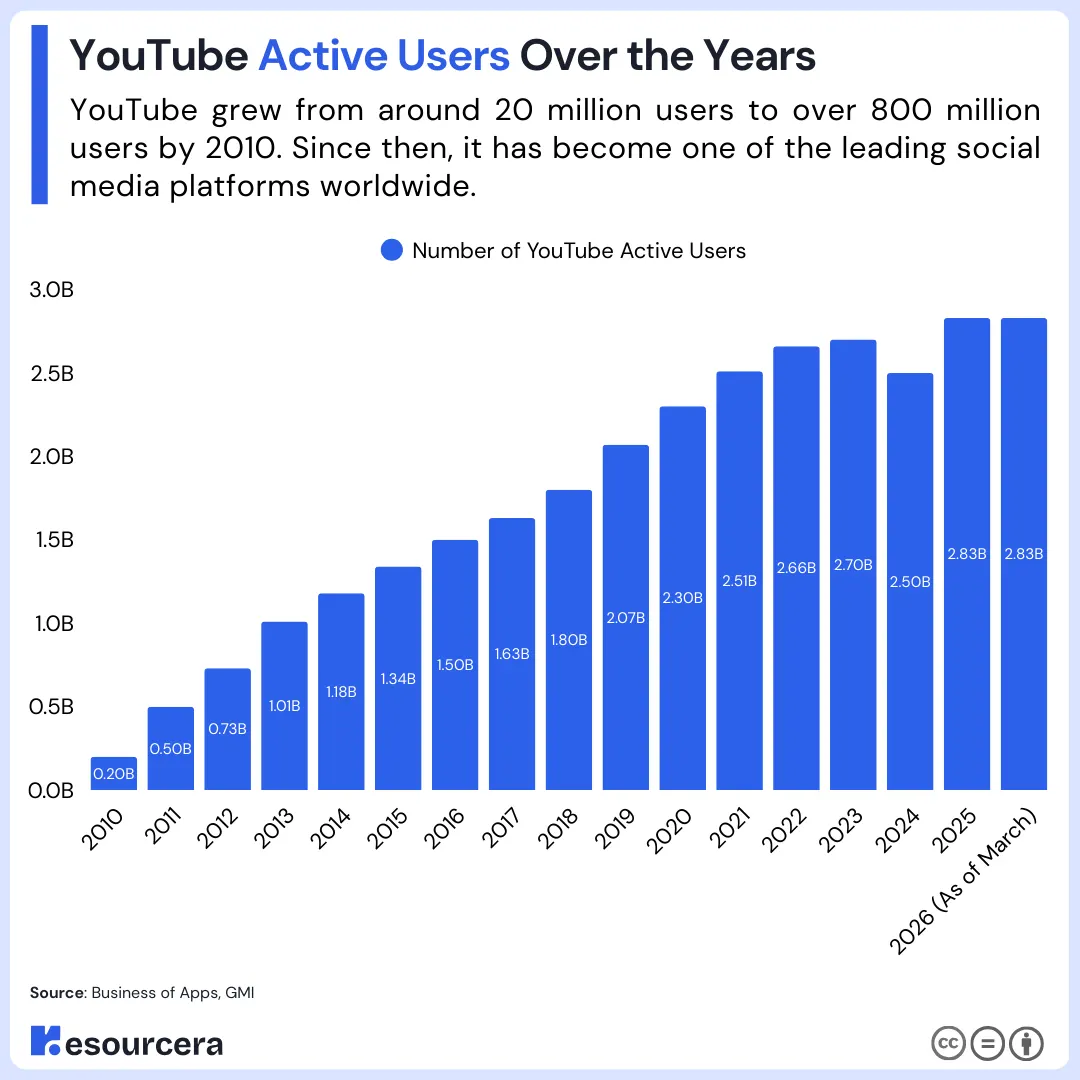
Social media platforms didn't just accept this trend. They actively encouraged it. Instagram rolled out Remix, Green Screen and other collaborative tools. TikTok popularised Duet and Stitch. YouTube expanded Shorts and made reaction-friendly editing easier. Even X's Quote Tweet feature, introduced in 2015, turned reactions into a native part of online conversation. Every major platform reduces the effort required to respond to someone else's content because every reaction creates another piece of content without the platform needing another original idea.
From a business perspective, this makes perfect sense. Imagine one podcast clip uploaded by its creator. Thousands of other creators react to it. Those reactions generate more comments, shares and watch time. Then someone reacts to those reactions, followed by memes, debates and livestreams discussing the same topic. One original upload suddenly turns into dozens of pieces of content, all keeping users on the platform for longer. More time spent means more advertisements served, and more advertisements mean more revenue.
That is why reaction videos have become one of the internet's most efficient content businesses. Original creators may spend days researching, filming and editing a video. A reaction creator can often produce a new video within a fraction of that time. The return on effort is attractive because algorithms frequently reward engagement rather than production cost. If a reaction sparks debate, platforms benefit regardless of whether the original creator or the reaction creator receives the attention.
This has created what some observers describe as a shift from the creator economy to the commentary economy. Instead of producing new ideas, an increasing number of creators now build audiences by analysing, criticising or amplifying existing ones.
The Verge recently argued that much of today's internet revolves around packaging and redistributing attention rather than creating entirely new content. In other words, commentary itself has become a product.
But viewers are not watching reaction videos simply because they are easier to make. Research published in the journal Media Watch found that audiences watch reactions for emotional and social reasons. People enjoy seeing someone laugh at the same joke, cry during the same scene or become shocked by the same twist. The reaction validates their own feelings. It creates the illusion of watching alongside another person instead of watching alone. The comment section becomes a community where strangers bond over a shared emotional experience.
This also explains why reaction videos often outperform traditional reviews. A review tells you whether something is good or bad. A reaction lets you experience someone else's emotions in real time. Viewers are not just consuming information. They are consuming feelings.
The economics creates another challenge. If reacting consistently generates more views with less effort, why spend weeks making original work? This incentive risks creating an internet where commentary grows faster than creation itself. Copyright has also become a battleground. Reaction creators argue that their commentary transforms the original work, making it something new.
Original creators often disagree, saying others are profiting from years of their effort.
YouTube itself draws a distinction between meaningful commentary and simple reuse. Videos that merely replay someone else's work without adding substantial value risk demonetisation, while genuinely transformative content generally receives greater protection. The debate continues because there is no universal line separating fair commentary from content recycling.
Yet it would be unfair to dismiss reaction videos entirely. They have lowered the barriers to participating in public conversations. A decade ago, responding to a politician, celebrity or major news story often required access to television, newspapers or large media organisations.
Today, anyone with a smartphone can publish a thoughtful response and potentially reach millions of viewers. That has allowed many independent creators and underrepresented voices to build audiences that traditional media might never have offered them.
Perhaps that is why the reaction economy feels so complicated. It has democratised participation while also encouraging performative disagreement. It has made conversations more accessible while making genuine listening harder. It has created opportunities for thousands of creators while also raising difficult questions about originality, incentives and copyright.
The next phase of the internet may not be defined by who creates the most content, but by who captures the most attention around it. Platforms have already built the tools. Creators have embraced the format.
Audiences continue to reward it with billions of views. The real question now is whether the internet can find a better balance between creating new ideas and endlessly reacting to old ones. Until then, the reaction economy is likely to remain one of the most influential, and least understood, businesses powering social media today.