
 Newsletter
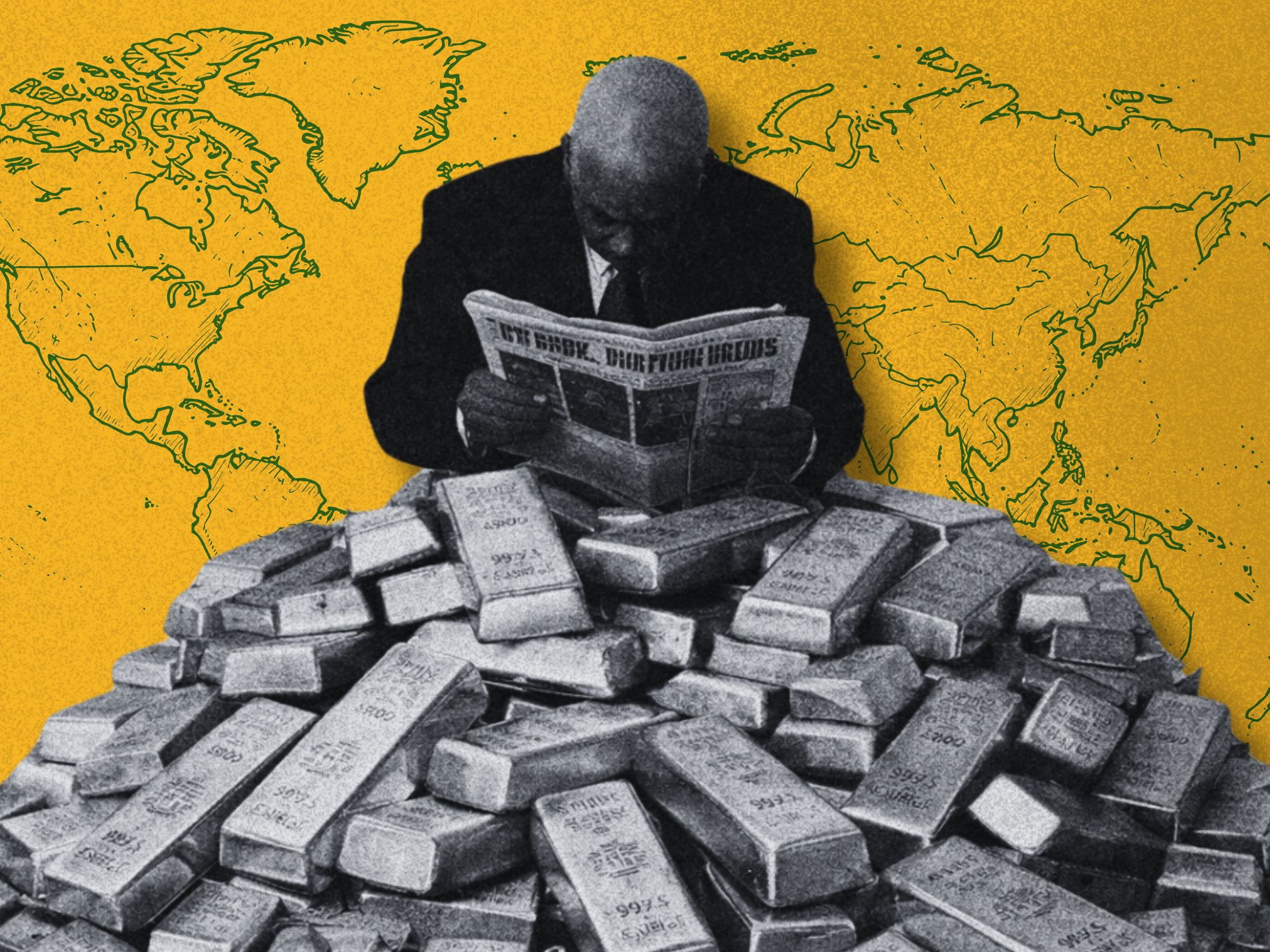
The next time you hold your phone, pause for a second and think about what is quietly working behind the scenes. Not the screen. Not the battery.
Silver. It sits inside your gadgets, solar panels, medical tools, and yes, your jewellery too. It is everywhere, yet barely noticed.
For decades, silver lived in gold’s shadow. It was the cheaper cousin, the metal you settled for when gold felt too expensive. Gold had the glamour, the headlines, the central bank obsession. Silver just existed. Useful, but rarely celebrated. That story has changed, and not in a small way.
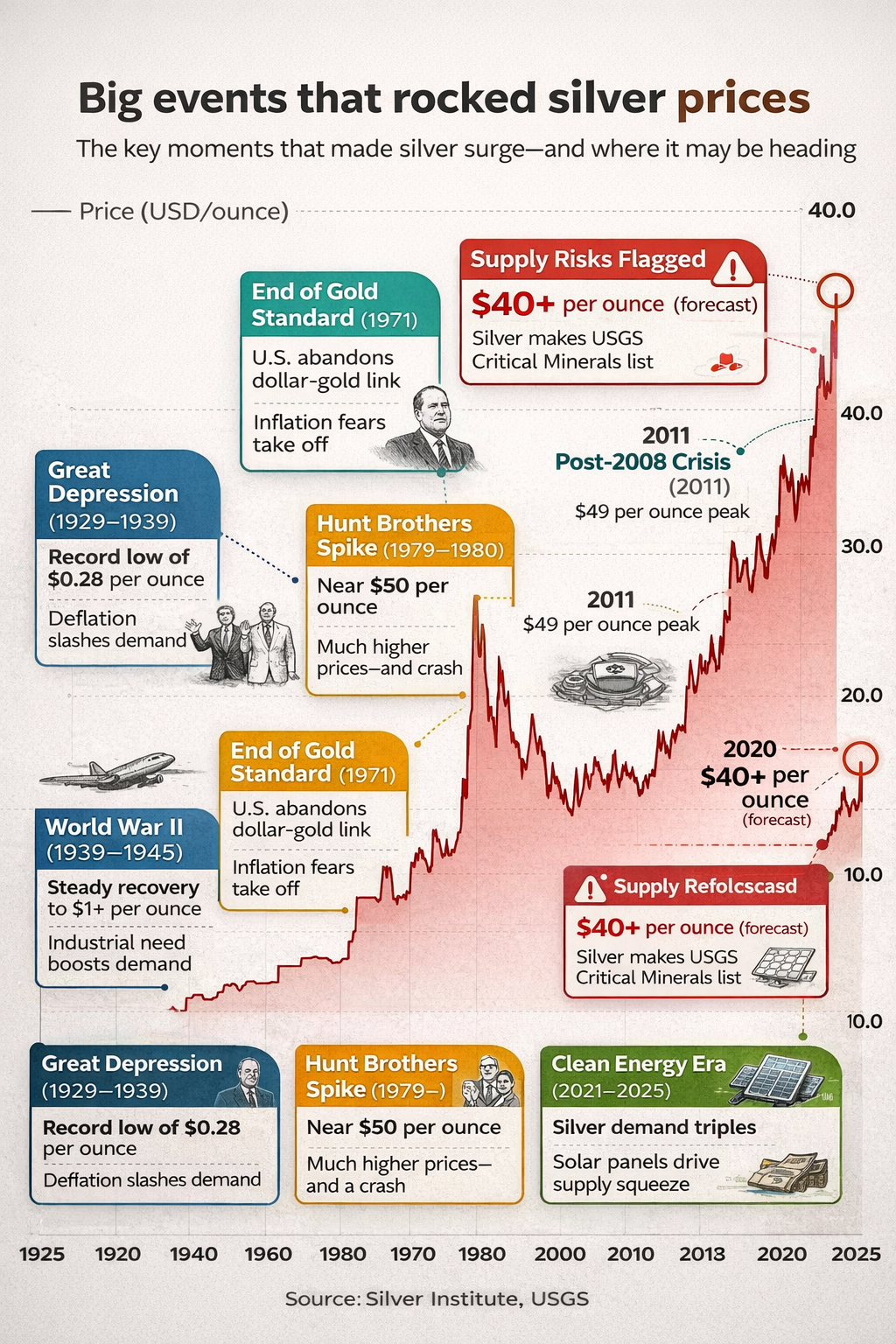
Let’s deep dive into silver’s demand story.
Officially, silver is classified as a precious metal. In practice, it behaves more like an industrial workhorse. It has properties that make it incredibly difficult to replace.
It is one of the best conductors of electricity and heat, which makes it essential for electronics and electrical applications. Semiconductors rely on it. Power electronics need it. Smart grids use it. EV components depend on it. AI hardware and data centres quietly consume it.
Then came solar energy. Over the past decade, solar has emerged as the single biggest incremental driver of silver demand. Every solar panel needs silver. As countries race to meet clean energy targets, silver demand rises alongside them. You can reduce usage at the margins, but there is no easy substitute that works at scale without hurting performance.
Jewellery demand tells a slightly different story. Globally, it softened in 2025 as prices climbed. That is expected. But India stood out. As gold became more expensive, many consumers shifted to silver instead. The emotional demand stayed intact, it just found a cheaper metal. Silver did not lose relevance. It adapted.
So far, everything sounds positive. Demand is rising. Use cases are expanding. The future looks bright. But here comes the uncomfortable part. The world cannot produce enough silver to keep up.
Silver demand is accelerating, but supply is struggling to respond. And this is not a short-term mismatch. Many experts believe this supply squeeze could last for years.
The problem starts with how silver is mined. Most silver does not come from silver-only mines. It shows up as a byproduct when companies mine copper, zinc, or gold. That means even if silver prices rise sharply, miners cannot suddenly flood the market with supply unless those other metals are also being mined more. Silver is effectively stuck riding on someone else’s economics.
This makes silver supply frustratingly rigid. Recycling helps, but not enough. Scrap supply rises slowly and cannot plug a gap of this size. When demand moves faster than supply, prices do what prices always do. They move.
India’s experience makes this clear.
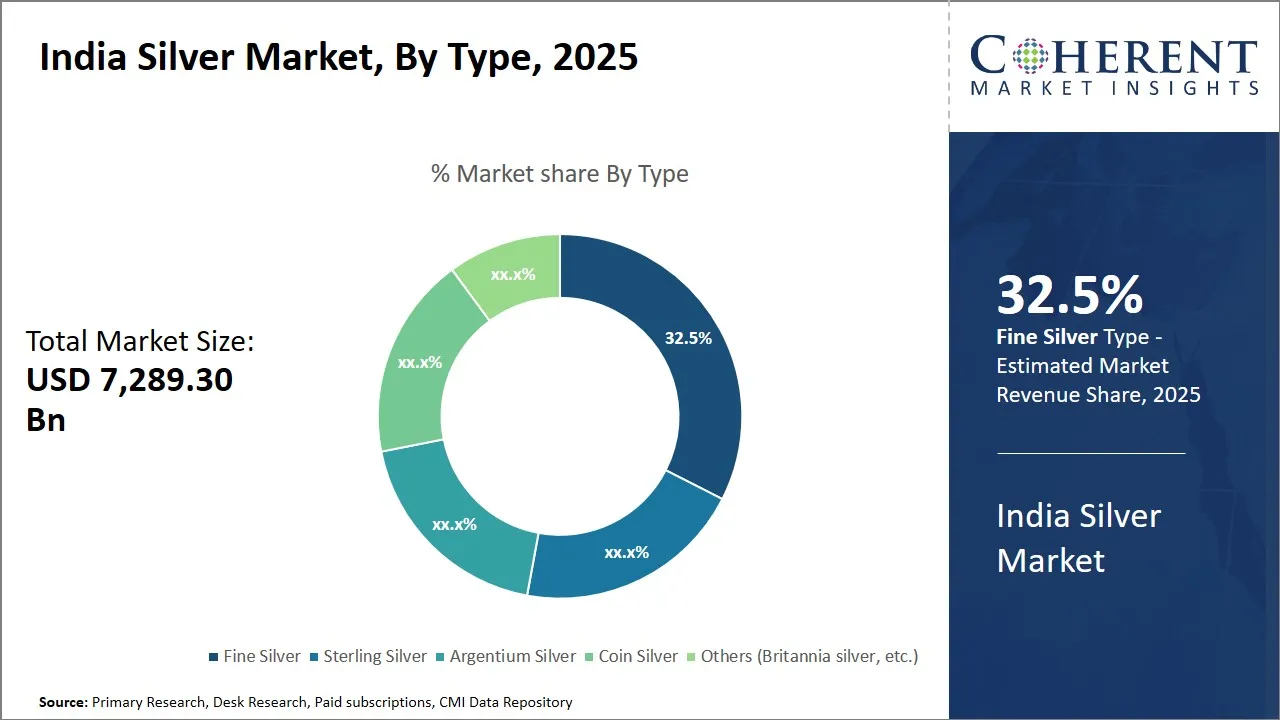
Despite rising prices, India was the world’s largest importer of refined silver last year. Imports were estimated at $9.2 billion, a 44% jump from the previous year. This happened even as prices surged.
In rupee terms, silver prices nearly tripled over the past year, climbing from around ₹80,000-85,000 per kilogram in early 2025 to over ₹2.43 lakh per kilogram by January 2026.
Industry kept buying. Investors kept accumulating. The metal kept flowing in.
Here is where intuition breaks.
We often assume India produces everything at scale. Silver flips that assumption. The world’s largest silver producer is Mexico, which produced about 6,300 metric tons in 2024. China followed with roughly 3,300 metric tons, and Peru close behind at 3,200 metric tons. Peru is especially interesting because it holds the world’s largest silver reserves, estimated at around 140,000 metric tons.
Bolivia and Poland came next, each producing about 1,300 metric tons. Poland is the quiet surprise. Despite being a relatively small country, it holds massive silver reserves.
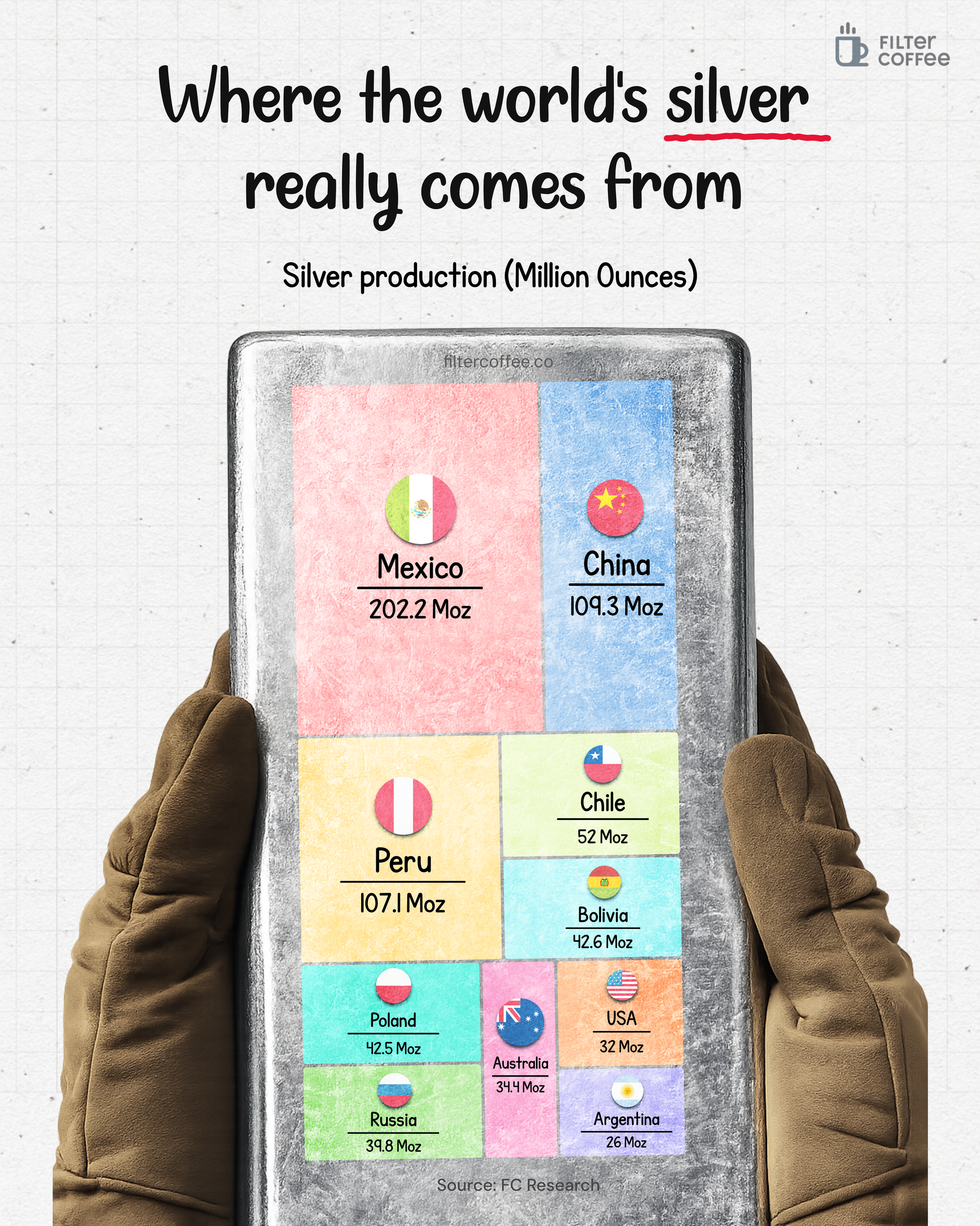
Chile and Russia followed, each producing around 1,200 metric tons. The United States produced about 1,100 metric tons. Australia and Kazakhstan each produced roughly 1,000 metric tons. India produced around 800 metric tons, yet remained heavily dependent on imports.
All of this points to one clear conclusion. Silver is no longer niche. The world is entering a phase where silver is not just valuable, but indispensable. Clean energy, electrification, advanced computing, and next-generation manufacturing all lean on this metal.
Countries and industries that secure long-term access to silver will be better positioned to lead in what comes next. Silver may not shout like gold, but it is quietly becoming impossible to ignore.