
 Newsletter
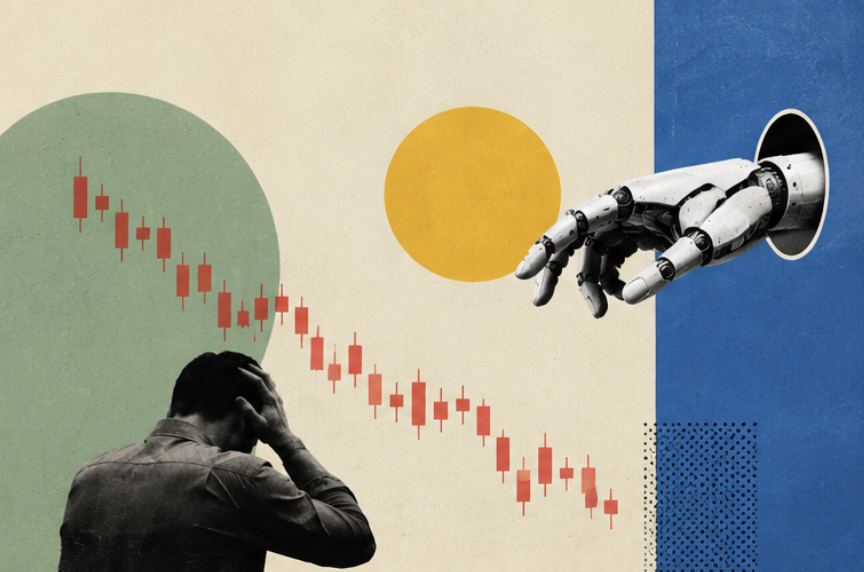
SEBI's latest data shows that 87.7% of individual F&O traders lost money in FY26, with aggregate losses of ₹91,685 crore after transaction costs. That number is striking, but the more interesting part is what happened on the other side of those trades.
Derivatives are essentially a zero-sum game before costs. One participant's gain comes from another participant's loss. Once transaction costs are added, it becomes negative-sum for traders as a whole. So the obvious question is: who is making money?
Proprietary trading firms made around ₹44,483 crore in gross F&O profits in FY26, while FPIs made another ₹13,896 crore. Then comes the number that really changes the story: SEBI found that 99% of the profits generated by FPIs and proprietary trading firms came from algorithmic trading.
That means the market isn't just becoming more institutional. It's becoming more automated. While millions of individual traders are making decisions manually, professional firms are using algorithms to process data, identify opportunities and execute trades at a speed and scale that humans simply can't match.
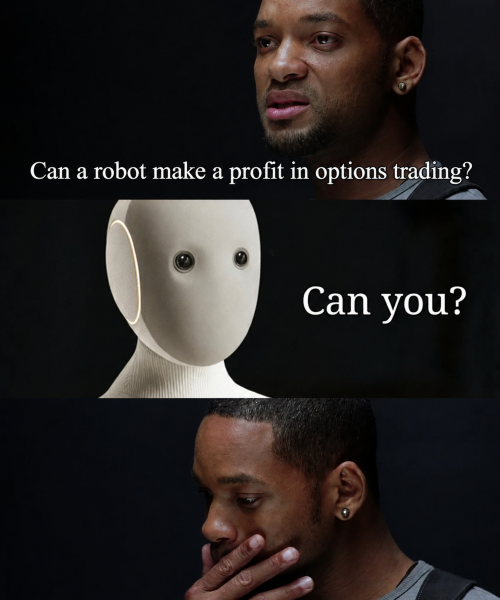
The numbers get even more interesting when you look at concentration. Around 23% of individual traders accounted for nearly 90% of total individual losses. On the professional side, the top 10 proprietary trading entities accounted for roughly 75% of the profits within the proprietary trading category.
There is also the cost of playing the game. Individual traders paid roughly ₹25,000 crore in transaction costs during FY26, on top of their trading losses.
None of this means that every rupee lost by an individual trader went directly to an algorithm, or that algorithms automatically make money. The participant-level numbers aren't a simple accounting match. But the direction is hard to miss: a large pool of individual traders is consistently losing money, while a relatively small group of professional participants is capturing a disproportionate share of the profits, with algorithms doing almost all of the trading for them.
For years, the idea of trading has been framed as humans trying to outsmart other humans. That version of the market is becoming outdated.
The more uncomfortable reality is that a retail trader isn't necessarily competing with another trader sitting behind a screen anymore. The other side could be a machine running thousands of calculations, watching multiple markets and executing a trade before you've finished deciding whether to take it.
The market still has two sides. It's just getting harder to tell which one has a pulse.