
 Newsletter
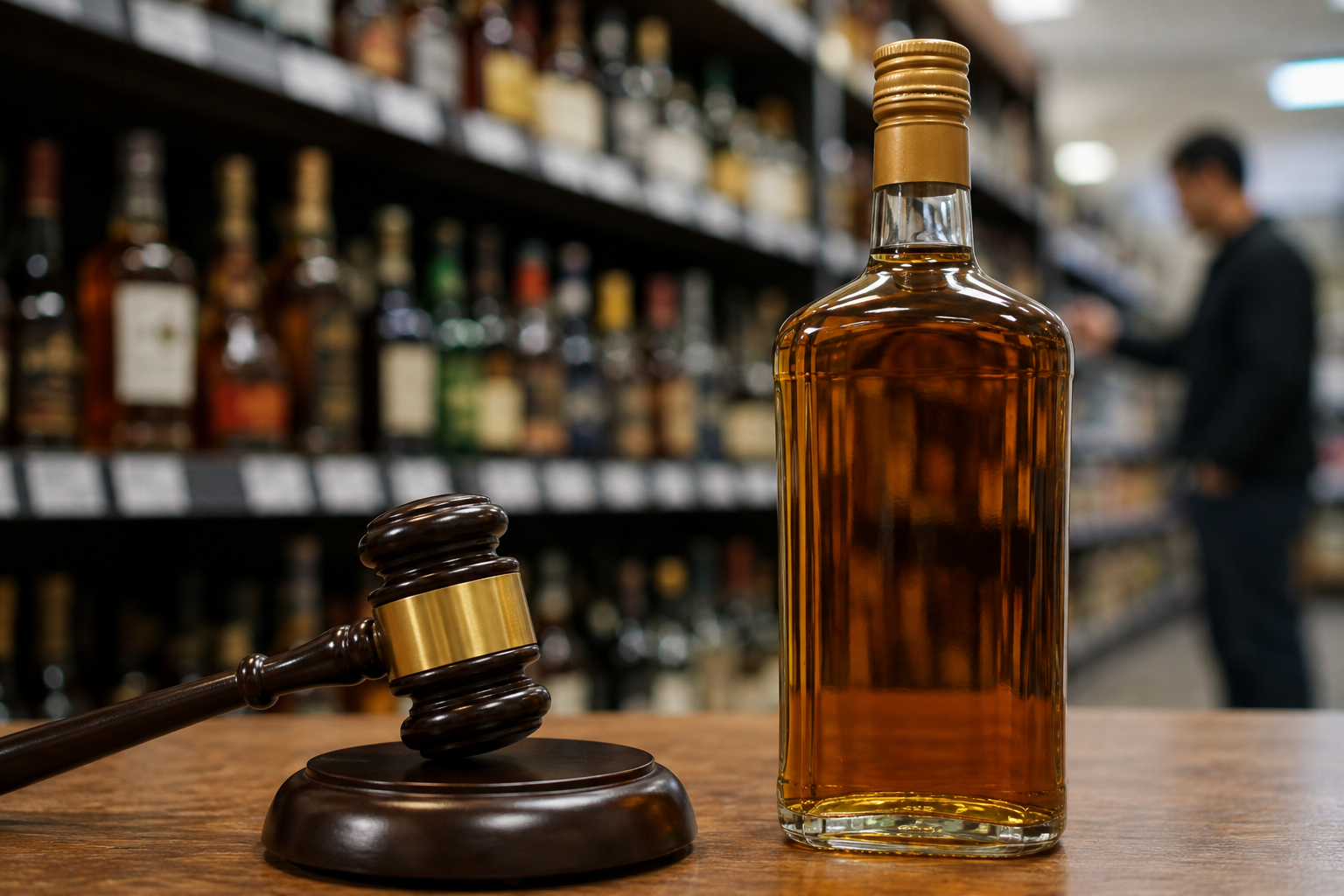
Diageo’s India arm, United Spirits, has challenged restrictions on the sale of McDowell’s No. 1 Celebration Matured XXX Rum in Maharashtra. The company defended saying Indian regulators did not follow the proper legal process.
Before we get into what the fight is about, let’s first understand why all this began.
Currently, Indian authorities are scrutinising everything from artificial flavours and maturation claims to recycled-plastic bottles. Brands belonging to Diageo and Inbrew have already faced restrictions in some states.
So why McDowell’s rum: McDowell’s No. 1 Celebration Matured XXX Rum lists “artificial flavour (rum)” among its ingredients.
FSSAI says rum should get its taste naturally from how it is made and aged, rather than from added artificial rum flavour.
Put simply, imagine selling mango juice where the mango taste largely comes from added mango flavour rather than the fruit itself.
The regulator’s question is similar: if something is being sold as rum, should its rum-like taste come from the actual process of making rum, or can manufacturers add artificial rum flavour to achieve it?
That disagreement eventually resulted in a stop-sale order against the Maharashtra-made product.
But Diageo isn't only challenging what the regulator thinks about the rum. It is challenging how the regulator went about stopping its sale.
He said, she said: United Spirits has argued before the Bombay High Court that the food safety officer who issued the prohibition order did not have the legal authority to impose it.
The company also claims the officer relied on a food analyst’s report to stop sales instead of allowing the issue to go through the proper adjudication process.
Then there is the timing.
According to United Spirits, FSSAI started consulting alcohol companies about the rules governing flavour labelling just days after the prohibition order. That is central to Diageo’s argument.
Its position is essentially: if the regulator itself was still discussing how these rules should apply, why should our product remain prohibited in the meantime?
United Spirits told the court that continuing the order while the regulatory issue was still being examined was premature and commercially damaging.
The government disagrees.
A government source told Reuters that the discussions did not mean FSSAI itself was uncertain about the rules. Instead, the regulator was talking to industry participants because alcohol companies had requested discussions.
And FSSAI’s broader position on flavouring is fairly straightforward.
The regulator has been targeting manufacturers that it says are making alcoholic beverages from neutral or extra-neutral alcohol and then adding identical or artificial flavours to recreate the characteristics consumers associate with products such as whisky and rum.
For now, Diageo hasn't got the immediate relief it wanted.
The Bombay High Court briefly heard the matter on August 10 but did not stay the restriction. It asked the central government to respond by August 19.
And McDowell’s isn't Diageo’s only problem: FSSAI scrutiny of Diageo has expanded beyond artificial flavouring into what companies say on their labels and even what bottles they use.
Take whisky maturation.
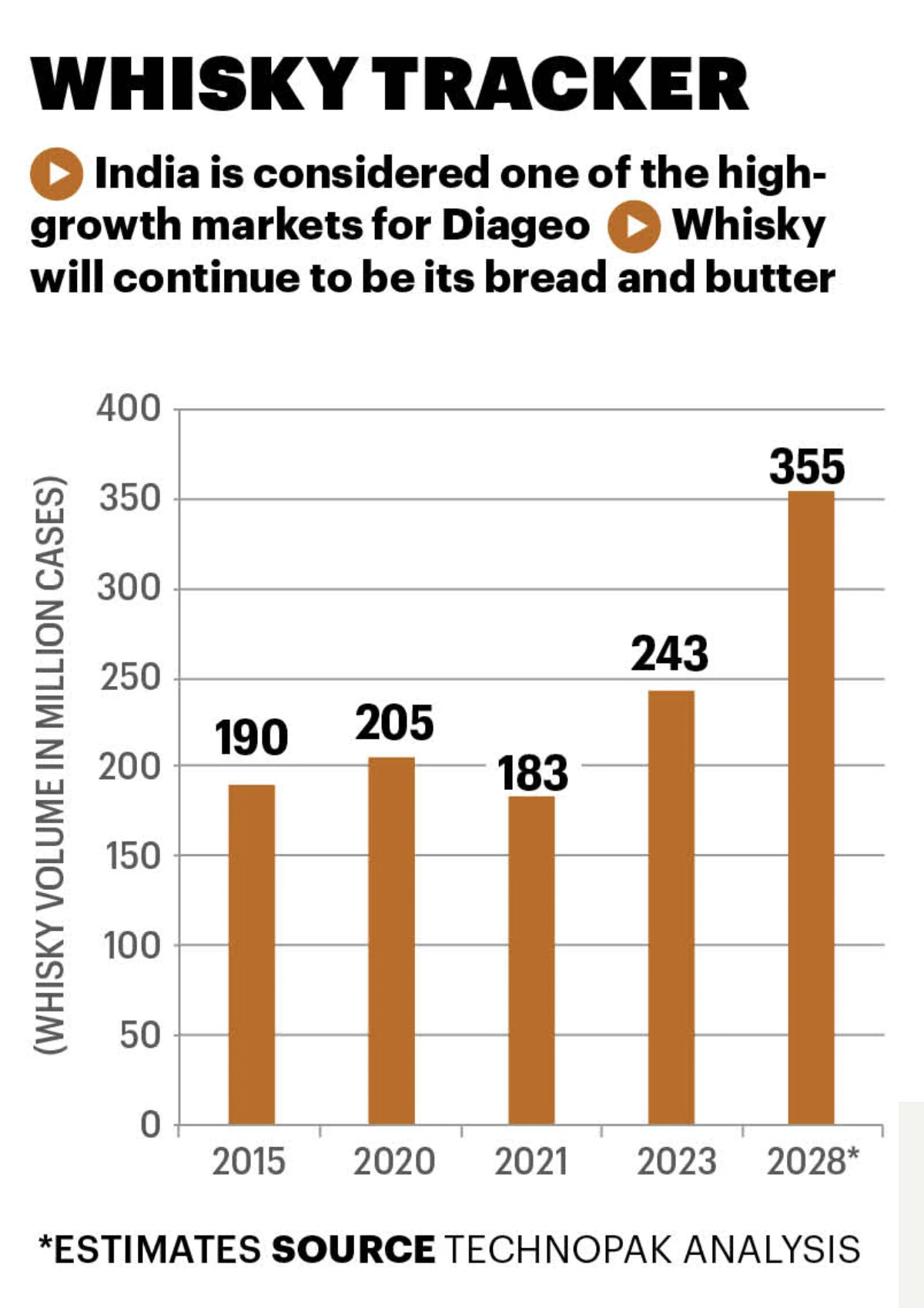
According to a July 20 regulatory notice reported by Reuters and Mint, FSSAI questioned a Diageo whisky carrying a claim that it was “matured in American oak casks.”
The regulator found that grain neutral spirit was a major ingredient and argued that a large portion of the alcohol had not actually undergone the maturation implied by the label.
Its concern was essentially about what consumers understand when they read “matured”.
FSSAI says if a whisky mixes spirits aged for different lengths of time, the age shown on the bottle should be based on the youngest one in the mix.
It is also becoming a fight over what information on a bottle accurately describes what is inside it.
Then came 18,000 boxes: Diageo subsequently ran into another regulatory issue, this time involving packaging. Inspectors visited United Spirits' Bengaluru facility and found it was using bottles made from recycled plastic.
Using recycled plastic wasn't necessarily the problem.
United Spirits says the recycler involved was FSSAI-approved and that suppliers had conducted the required safety tests. The company also maintains that its products are safe for consumption.
The problem was the bottles themselves.
Inspectors alleged that they didn't carry the mandatory markings showing they were made using safe recycled plastic. Authorities subsequently quarantined or seized around 18,000 boxes of products.
The brands affected reportedly included DSP Black Deluxe Whisky, Smirnoff Zesty Lime Triple Distilled Flavoured Vodka and VAT 69 blended Scotch whisky.
Zoom out: this isn't just about Diageo
India's alcohol industry is seeing a much wider regulatory clean-up. FSSAI has issued notices to alcoholic beverage manufacturers over unauthorised added flavours and age-related claims on labels. Inbrew Beverages has also faced action involving whisky and rum products over alleged artificial flavouring and labelling violations.
Separately, companies including Mohan Meakin, the maker of Old Monk, and Associated Alcohols & Breweries have approached courts over regulatory action.
That turns the current dispute into something potentially much more important for the industry.
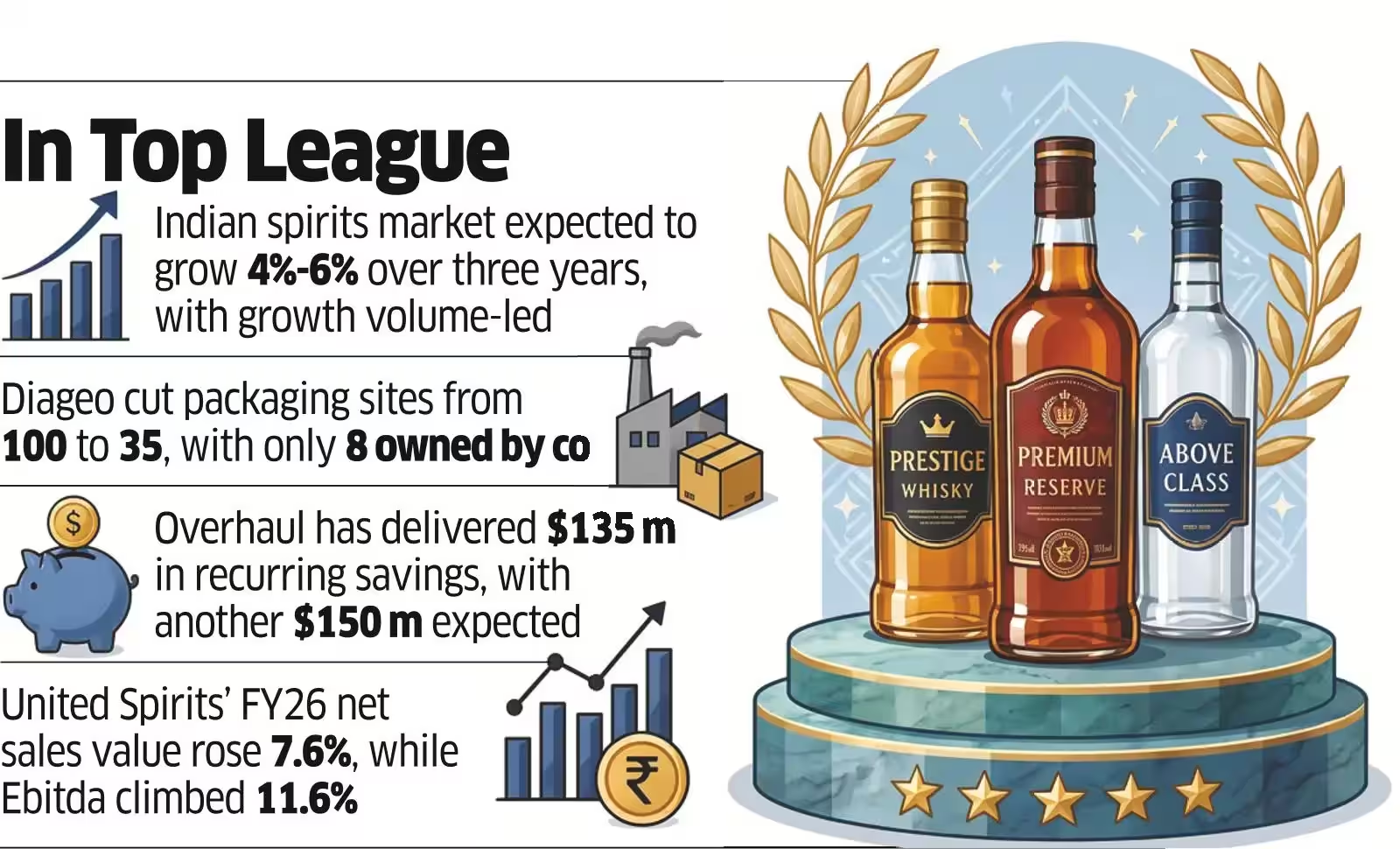
India's alcoholic beverage market crossed 408 million cases in 2024, according to IWSR data cited by Mint. Of that, locally produced spirits accounted for roughly 397.5 million cases. Premium spirits volumes grew 18%, while the super-premium IMFL/IMFL segment grew 23%.
And the more premium the bottle becomes, the more important words such as “matured”, “aged”, “Scotch” or descriptions of production methods become to what consumers think they are paying for.