
 Newsletter
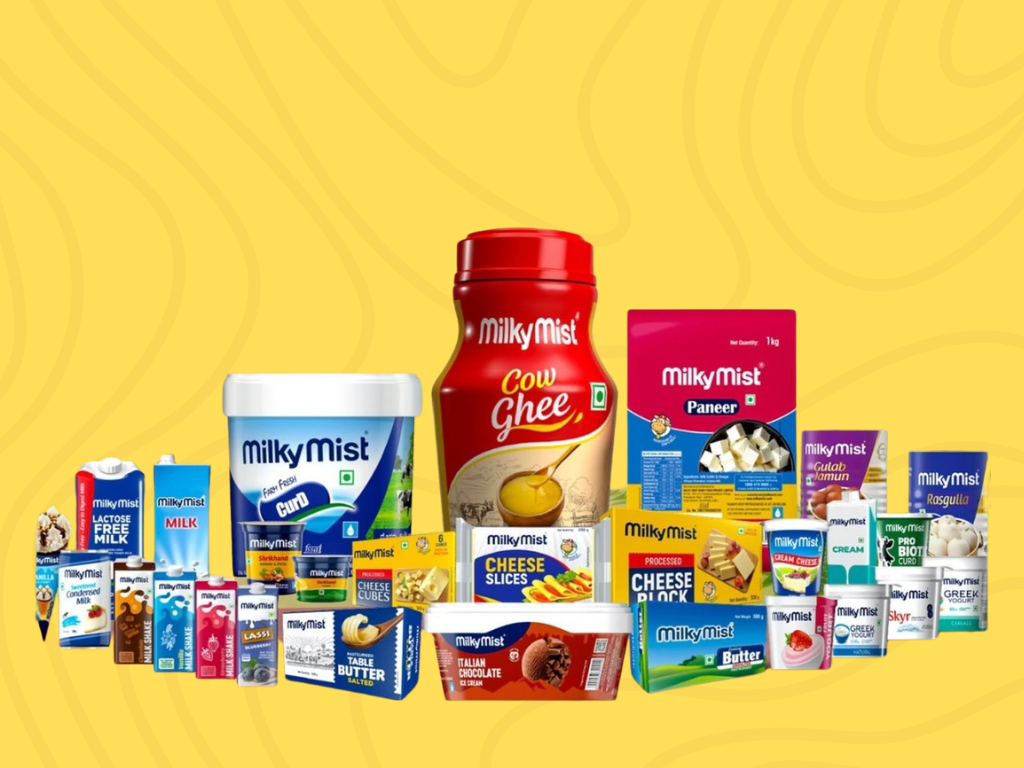
Every time we pick up a packet of paneer from a supermarket, we rarely think about what it took to get there. Milk had to be collected from thousands of farmers, transported before it spoiled, processed into paneer, packed, refrigerated and then moved through a cold chain until it reached that store.
And all of this has to happen for a product that many Indian households still happily buy loose from the local dairy.
Milky Mist built a ₹3,000 crore business around solving exactly this problem.
The Tamil Nadu-based company started with paneer and gradually expanded into cheese, curd, yoghurt, butter, ghee, ice cream and other dairy products. Today, paneer alone contributes nearly 30% of its revenue, and Milky Mist has become one of India's largest private players in the organised packaged paneer market.
Now, after spending years getting its products into refrigerators across India, Milky Mist wants to enter investors' portfolios too.
Its ₹1,553 crore IPO is already live and closes tomorrow, August 13. And the timing is interesting because Milky Mist is arriving at the stock market in the middle of a major transition. Revenue has grown from ₹1,822 crore to ₹3,138 crore in just two years, and profit has risen sharply. But that growth has required factories, refrigerated trucks, cold storage and thousands of distributors, leaving the company with a sizable debt bill.
Milky Mist's growth has largely come from South India, where it built its manufacturing, sourcing and distribution network over the years. But what really shaped the company was its focus on value-added dairy products rather than plain liquid milk.
Plain milk is difficult to differentiate. Consumers are sensitive to price, shelf life is short and transporting it over long distances adds costs. Products such as paneer, cheese and yoghurt give dairy companies more room to differentiate through quality, packaging and branding, while also offering better margins.
Milky Mist built most of its business around these products.
Paneer remains its biggest category, contributing 29.4% of FY26 revenue. Cheese adds another 16.3% and curd 13.2%, which means these three products together still make up nearly 59% of the business. Milky Mist also had an estimated 19% share of India's organised private packaged paneer market by value in FY26.
But the company has been trying to build more businesses around that base. Ice cream revenue increased from about ₹35 crore in FY24 to ₹211 crore in FY26, while yoghurt grew from roughly ₹50 crore to ₹195 crore. They are still much smaller than paneer, cheese and curd, but they are growing quickly enough to become meaningful contributors.
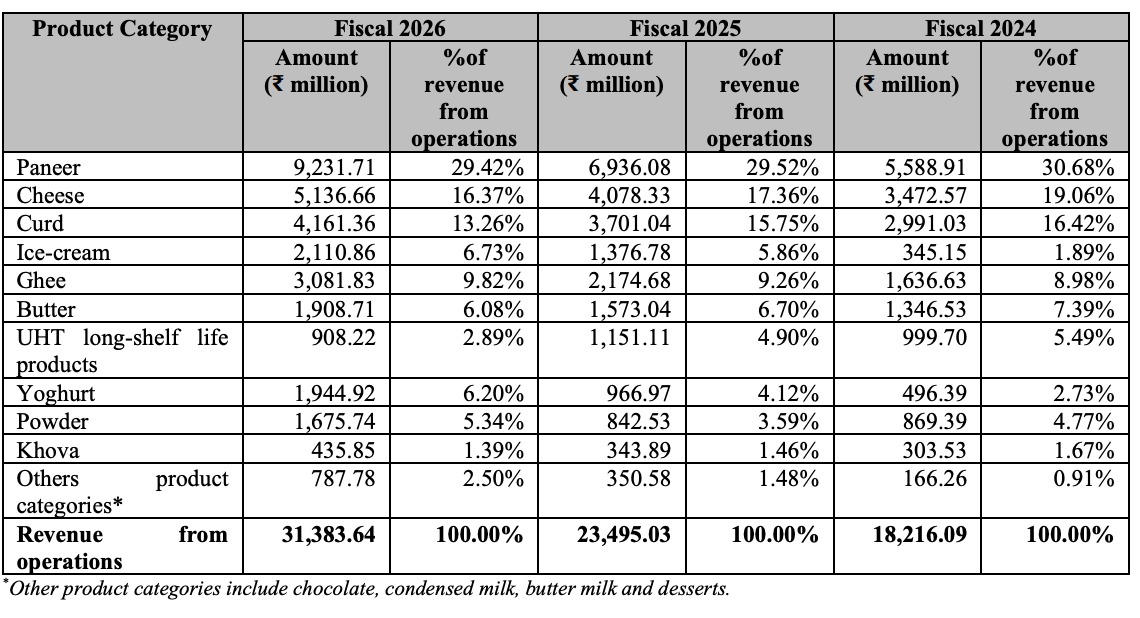
And Milky Mist itself has been growing at a similar pace.
It earned ₹1,822 crore in revenue in FY24. A year later, that had increased to ₹2,350 crore. By FY26, revenue had reached ₹3,138 crore. So in just two years, Milky Mist added more than ₹1,300 crore to its annual sales.
Profits have grown even faster. Milky Mist made just ₹19 crore in FY24. By FY26, that had increased to ₹127 crore.
Part of this growth comes from a much larger shift happening in Indian dairy. Paneer and curd have traditionally been made at home or bought loose from neighbourhood dairies. That isn't disappearing, but packaged alternatives are becoming easier to buy through supermarkets, modern retail and quick-commerce apps. Consumers are also increasingly willing to pay for convenience, consistency and products they can store for longer.
Milky Mist has spent heavily to prepare for that opportunity.
Selling refrigerated dairy products across multiple states requires much more than making paneer at a factory. Products have to remain cold while travelling hundreds of kilometres. Distributors need refrigerated storage. Retailers need coolers and freezers. And the entire system has to move quickly because unlike biscuits or shampoo, dairy products cannot simply sit around for months.
Milky Mist built much of this network around its large manufacturing facility at Perundurai in Tamil Nadu. It also expanded distribution aggressively. The company had 2,558 distributors in FY24. By March 2026, that number had crossed 4,000, helping it reach more than 3.75 lakh retail outlets.
Building all of this required a lot of money, and Milky Mist borrowed a large part of it.
By the end of FY26, the company had around ₹1,672 crore in borrowings, taken to fund factories, machinery, cold-chain infrastructure and other investments needed to grow the business.
Those loans come with interest. Milky Mist spent about ₹106 crore on finance costs in FY26 alone. So even though the business has become much larger and more profitable, a sizeable part of what it earns still goes towards servicing debt and other expenses. For every ₹100 Milky Mist earned from selling its products in FY26, only about ₹4 remained as final profit.
This also explains what Milky Mist plans to do with the IPO money.
Of the ₹1,553 crore being raised, roughly ₹1,428 crore is fresh capital that will actually enter the company. Only ₹125 crore comes from existing shareholders selling some of their stake.
Around ₹497 crore of the fresh money will be used to repay debt. Because lower borrowings also mean a lower interest bill, allowing Milky Mist to keep more of what the business earns. Another ₹469 crore will go towards expanding and modernising its Perundurai facility, while roughly ₹155 crore will be spent on equipment such as coolers and ice cream freezers for its retail network.
So Milky Mist is using the IPO for two things at once. It wants to reduce some of the debt accumulated during its rapid expansion, while continuing to spend on the next phase of growth.
And that next phase will increasingly have to happen outside its home market.
Milky Mist may now be available across much of India, but nearly 69% of its FY26 revenue still came from South India. Its dependence on Tamil Nadu is even stronger when you look at where its milk comes from. About 94.5% of the raw milk it procured in FY26 was sourced from the state.
There are advantages to this. Having milk suppliers, manufacturing facilities and a large customer base relatively close to each other makes the operation easier to manage. But it also means that almost all of the basic ingredient Milky Mist needs to run its business comes from one state.
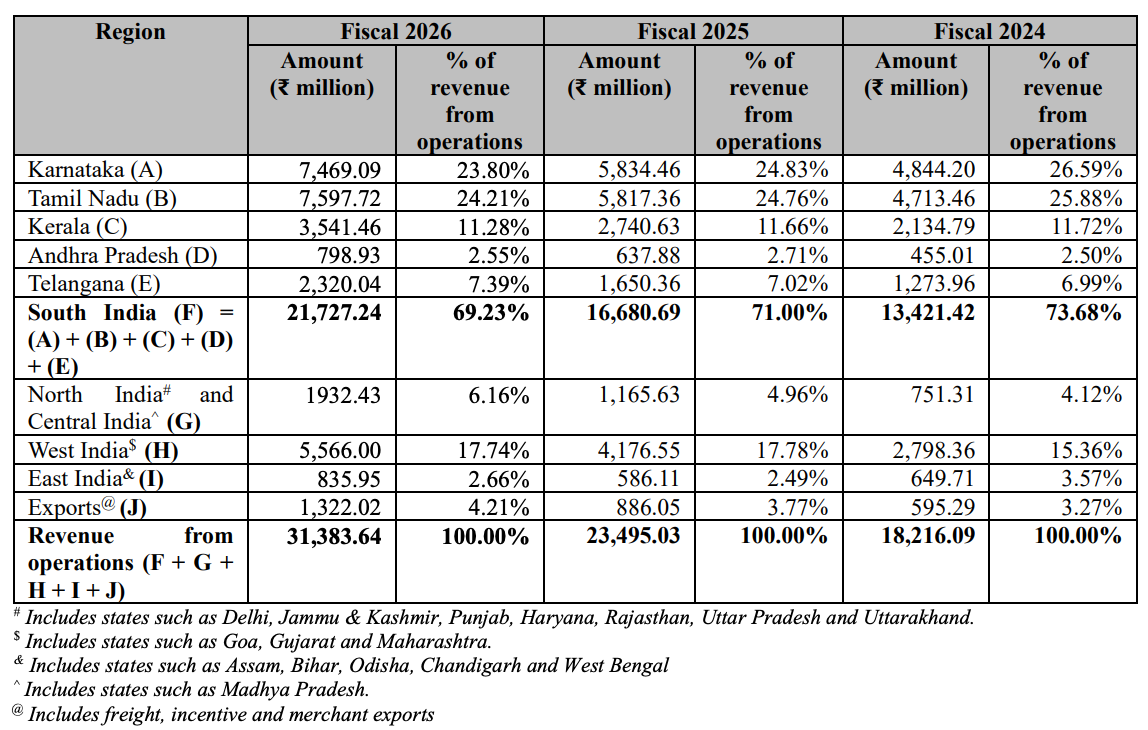
Even the way it buys milk has started changing as the company grows. In FY24, about 97% of its milk came directly from farmers. By FY26, that had fallen to roughly 74%, with other dairy operators supplying more of its requirement. Milky Mist is simply consuming much more milk than it used to, so maintaining the same sourcing model becomes harder as volumes increase.
None of this means Milky Mist cannot grow outside the South. But doing so will require building parts of this ecosystem again in markets where the company is less established.
And those markets aren't waiting around for Milky Mist.
Amul and Nandini already have enormous dairy networks. Hatsun, Dodla and Parag compete across different regions and categories. Move into cheese and other packaged foods, and Britannia and Nestlé enter the picture too. Milky Mist will have to win distributors, refrigerator space and consumers in markets where someone else already has all three.
Which leaves the question investors eventually have to answer: how much should all this be worth?

Milky Mist made ₹127 crore in profit in FY26. Based on what it is asking investors to pay in the IPO, the entire company is valued at around ₹10,778 crore.
That is a large gap between what the company earns today and what investors are being asked to value it at. But companies are rarely valued only on today's profit. A fast-growing business can command a higher value because investors expect those profits to become much larger over time.
And Milky Mist does have a strong case for growth. Revenue has increased by more than ₹1,300 crore in two years. Profit has risen more than sixfold. Ice cream and yoghurt are becoming meaningful businesses, while the IPO should reduce debt and therefore some of the interest costs weighing on profits.
The catch is that investors are being asked to pay for much of this future growth before it happens.
Other listed dairy companies are available at considerably lower valuations. Some are growing more slowly than Milky Mist, which partly explains the difference. But several also carry much less debt and have already spent years proving that they can operate across larger markets.
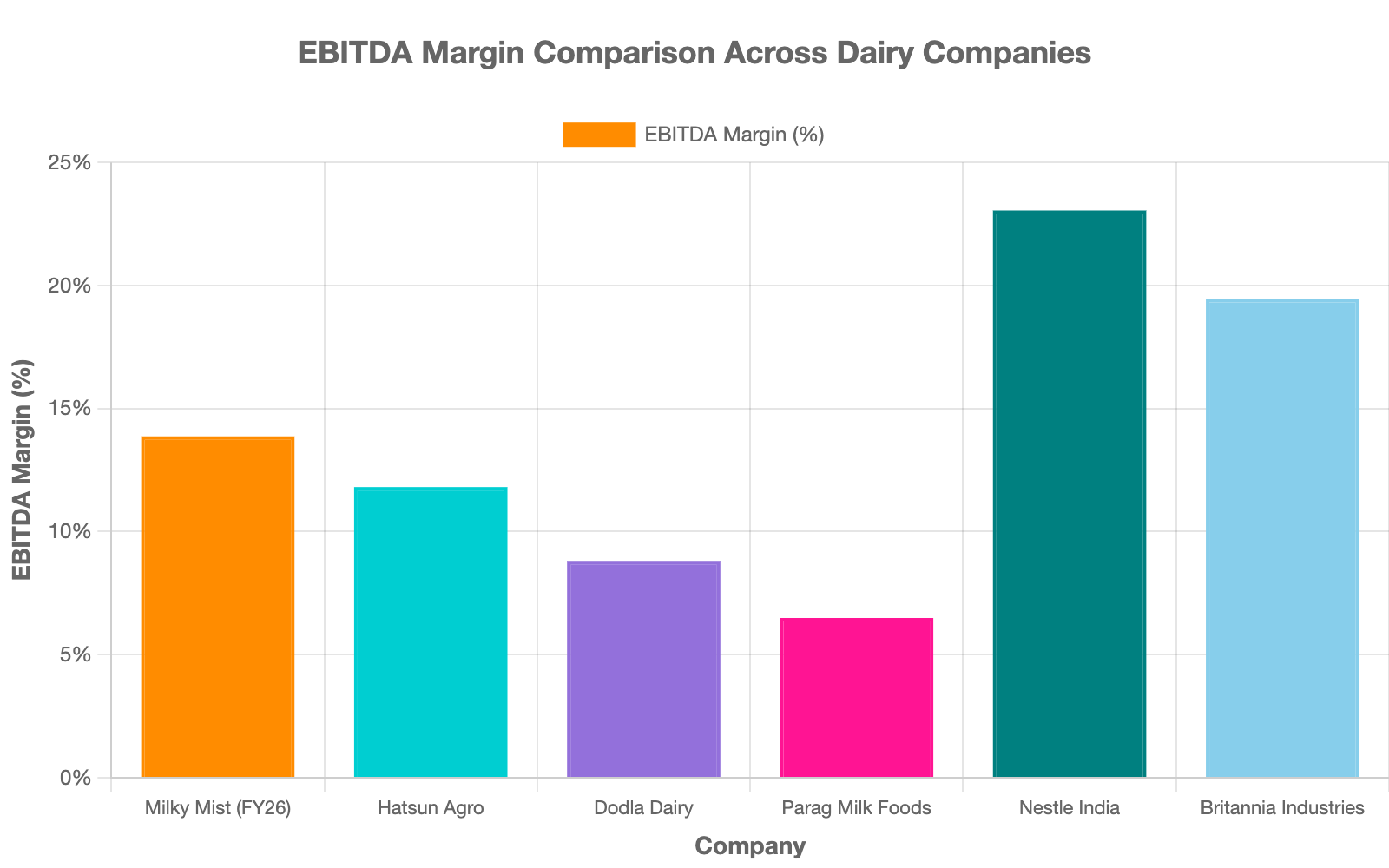
That makes the IPO less about whether Milky Mist is a good business and more about how much better it can become from here.
For today's valuation to eventually look comfortable, the company needs to keep sales growing quickly. It needs to turn categories such as yoghurt and ice cream into much larger businesses. Paying down debt needs to translate into stronger profits. And most importantly, Milky Mist has to prove that what worked so well in South India can be repeated across the rest of the country.
There is enough evidence to suggest that it can make a serious attempt. Milky Mist has already built the factories, cold chain, distribution network and product portfolio needed to support a much larger company. Its revenue and profit growth show that consumers are buying more of what it sells.
But public markets bring a different test. Growth is no longer enough on its own when investors are already paying a premium for it.
The IPO closes tomorrow. And for investors, the question is not whether Milky Mist has built an impressive dairy company. It clearly has.
The question is whether the next Milky Mist, with less debt, more products and a much larger presence outside South India, can grow quickly enough to justify what investors are being asked to pay for it today.