

 Newsletter
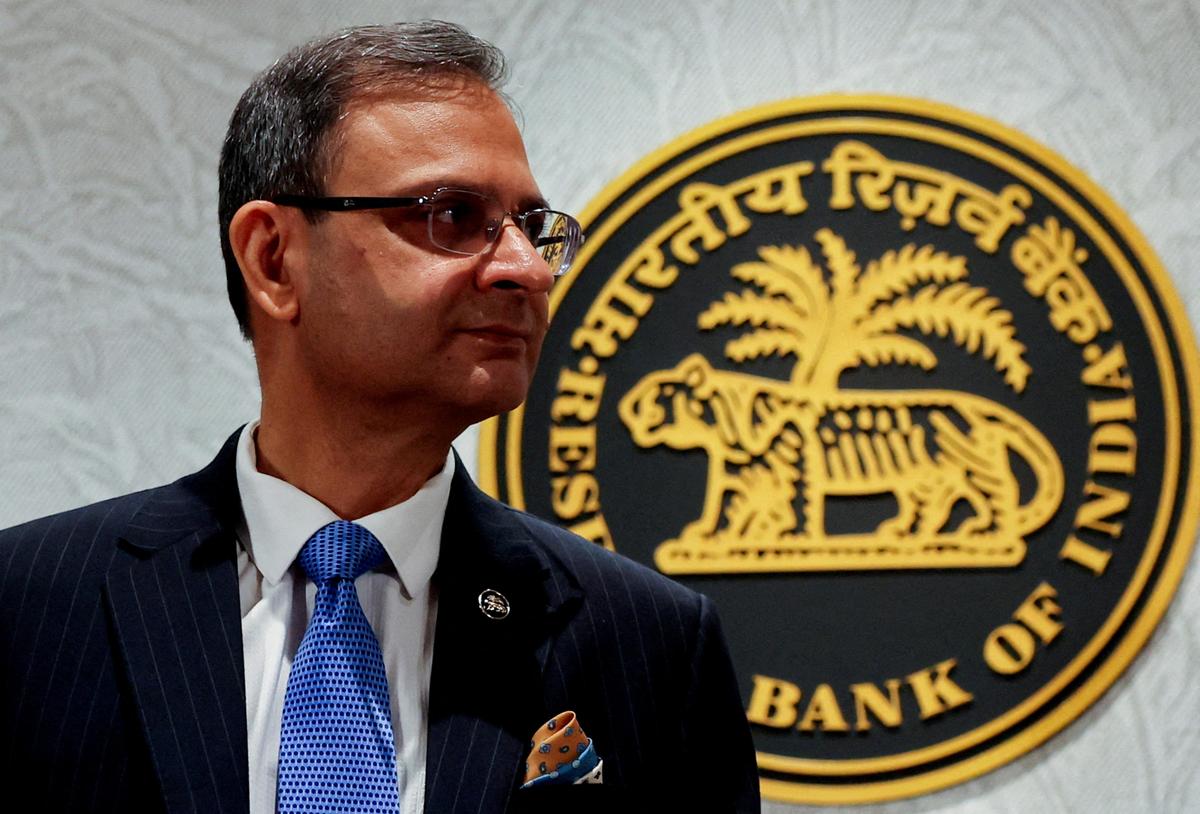
The Reserve Bank of India, as expected, hiked the repo rate by 25 basis points, or 0.25%, from 5.25% to 5.5%. The last rate hike was in February 2023.
Before we get into the details, the important thing here to ask is since this change has come after almost 4 years, what has changed?
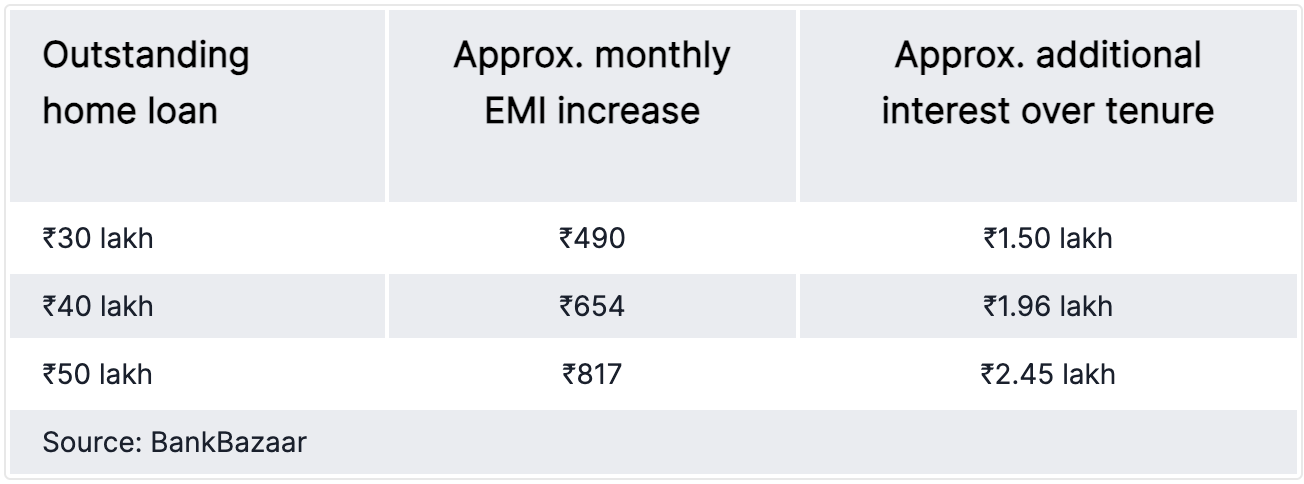
The repo rate is basically the interest rate at which RBI lends money to banks. When this rate goes up, borrowing becomes more expensive for banks. Banks can then pass some of that increase on to customers through higher loan rates.
For someone with a floating-rate home loan, this could mean either a higher EMI or a longer loan tenure.
But the bigger change is RBI's stance: the rate hike itself was largely expected. What caught attention was RBI changing its policy stance from "neutral" to "calibrated tightening" for the first time since 2018.
Neutral means RBI is keeping both options open. If inflation falls and growth needs support, it can cut rates. If inflation rises, it can increase them. Calibrated tightening means RBI is now more worried about inflation and is leaning towards keeping interest rates higher.
The why: the decision was taken unanimously by the Monetary Policy Committee, headed by RBI Governor Sanjay Malhotra.
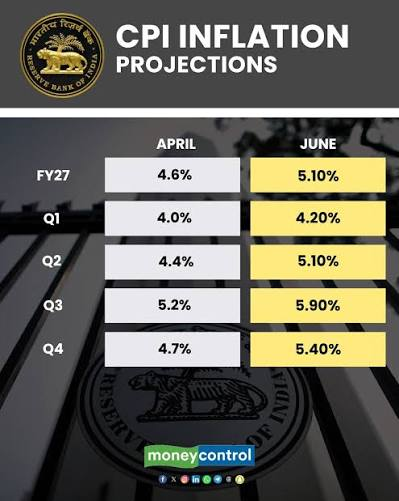
The backdrop has changed. Inflation is rising, oil prices are higher and the rupee has weakened. All three can make goods and services more expensive in India.
Important numbers: RBI has also slightly raised its core inflation forecast for the current financial year to 4.4% from 4.3%.
But India's growth outlook actually improved
Interestingly, RBI is raising rates even as it becomes more optimistic about economic growth.
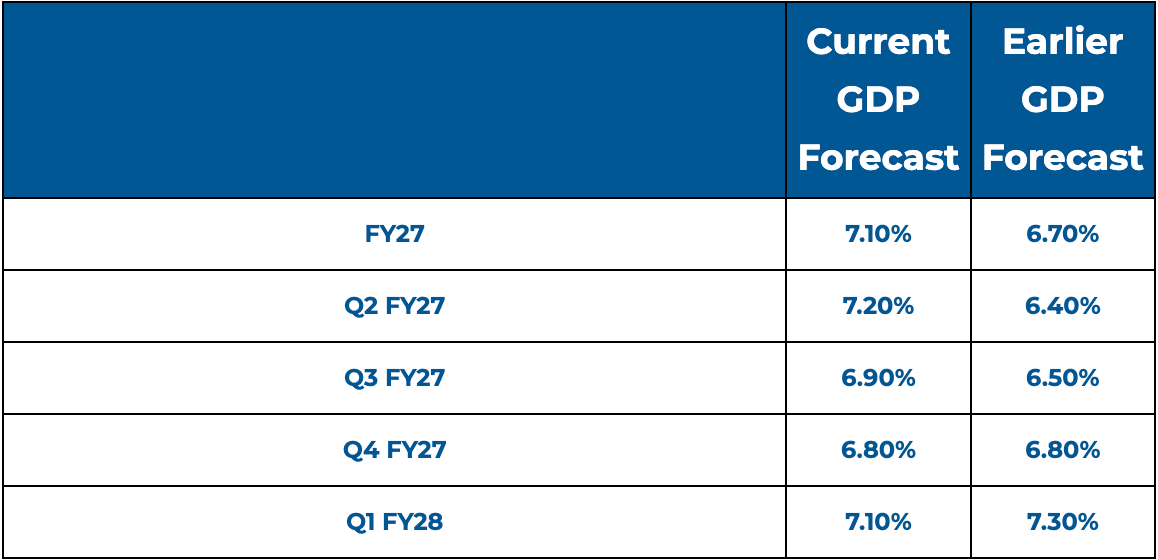
The central bank increased its real GDP growth forecast to 7.1% from 6.7%.
RBI said economic activity maintained momentum during the July-September quarter. Manufacturing has remained resilient despite higher costs, while services and investment activity continue to hold up.
Private consumption and investment are expected to remain major growth drivers, while net exports have also remained positive.
The weakness is seen in non-durable goods and domestic air traffic. Supply-chain disruptions could also hurt growth. Weather is another risk. A weak monsoon and the possibility of El Niño could affect the Rabi crop season.
For now, however, RBI expects both rural and urban demand to remain steady.