

 Newsletter

The rupee posted its biggest gain in six months, opening at 95.76 per dollar on Monday, compared with Friday’s close of 96.73.
It gained around 1% after the RBI introduced measures over the weekend to ease dollar demand in the spot market and curb speculative currency trades.
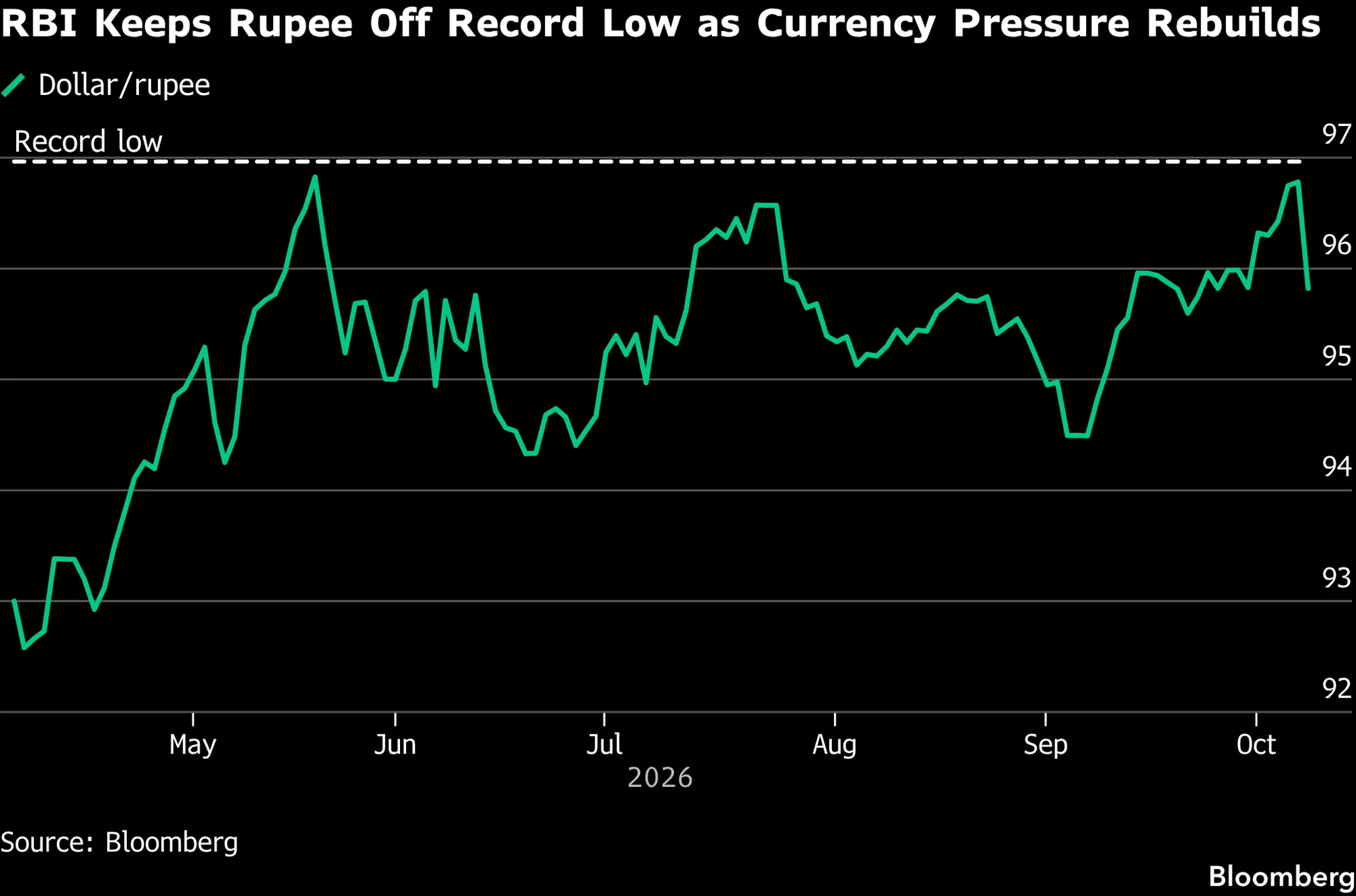
FYI: the rupee strengthened from near its record low, meaning fewer rupees were needed to buy one dollar. However, it remained weaker than earlier this year, despite the latest sharp recovery.
What’s going on: the RBI has opened a separate channel for Indian Oil, HPCL and BPCL to buy the dollars they need to pay for imported oil.
This takes their large daily purchases out of the regular currency market. When fewer buyers compete for dollars there, it can ease upward pressure on the dollar and help the rupee stabilise or strengthen.
The RBI also lowered the limit for certain currency contracts made without a real payment or investment need from $100 million to $5 million. Beyond this limit, traders must show an actual need for the transaction, making large speculative bets harder.
It also introduced a 20% cash reserve requirement for certain foreign exchange contracts, meaning banks must set aside cash equal to one-fifth of their value. This can make some deals that lock in a dollar price for future payments more expensive, discouraging extra dollar purchases and easing pressure on the rupee.
But India still needs dollars to pay for imports, and supplying oil companies through this window will draw on the RBI’s foreign exchange reserves.
Big picture: the rupee has depreciated by 6% since the West Asia conflict began in late February. Over the past year, it has fallen by more than 8%.
The rupee’s ability to sustain its gains will depend on crude oil prices, movements in the global dollar and foreign investment flows.
While the RBI’s measures could ease immediate pressure, India’s ongoing need for dollars to pay for imports and meet foreign investment withdrawals remains a challenge.