
 Newsletter
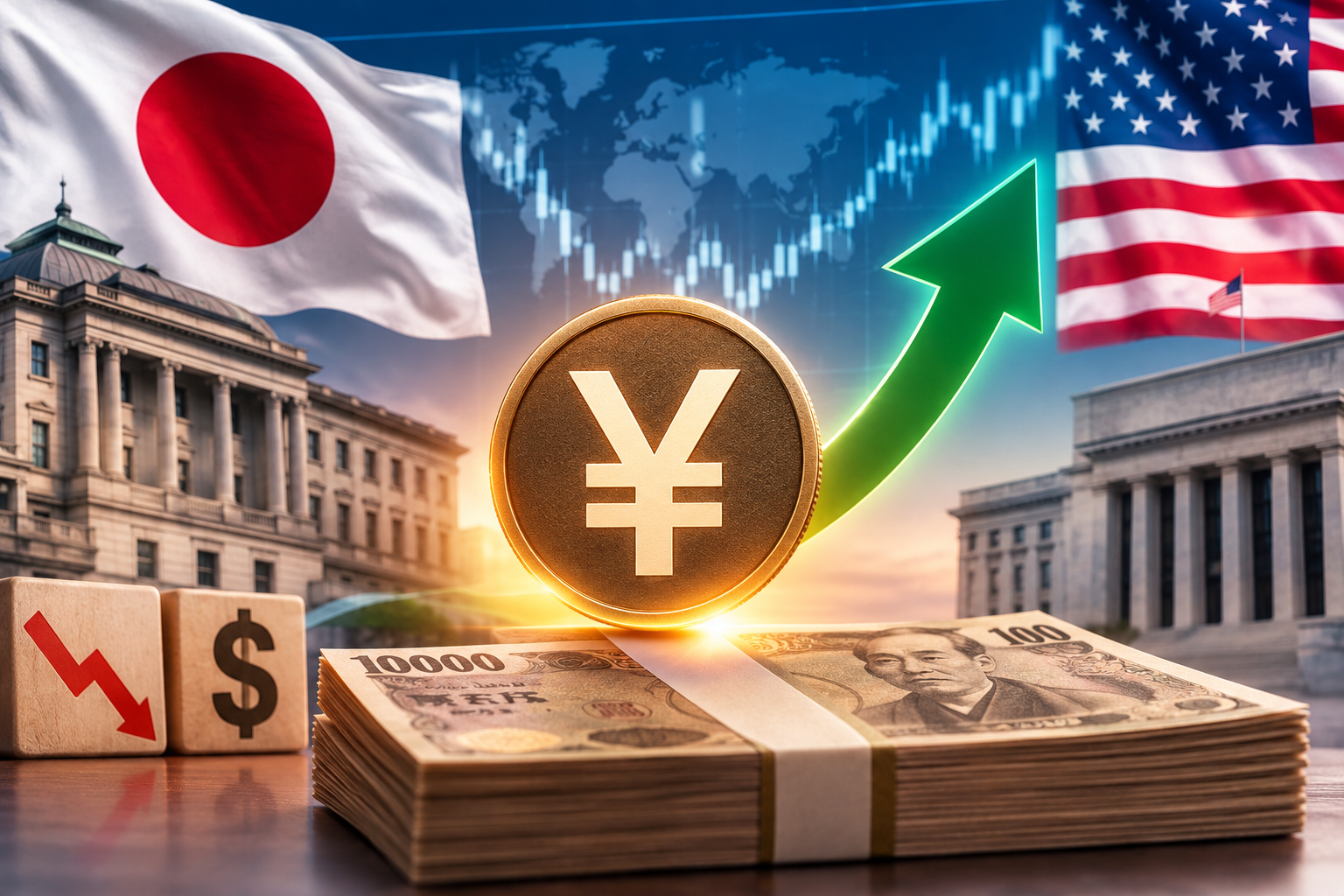
For decades, Japan has largely been left to defend its own currency whenever the Yen came under pressure.
But last week, something unusual happened.
The US Treasury joined hands with the Bank of Japan to support the Yen, marking the first coordinated currency intervention since 1998. It was also the first joint Yen-buying operation since both countries acted after Japan's devastating 2011 earthquake. It is an unusual move because countries rarely interfere in each other's currencies unless they believe the consequences could spread beyond one economy.
First, why has the Yen become so weak?
The Japanese Yen recently fell to its weakest level against the US dollar since 1986.
The biggest reason is interest rates.
While the US has kept interest rates relatively high to fight inflation, Japan has continued with very low interest rates for years to support its economy. Investors naturally moved their money into US dollar assets because they offered much better returns.
As more investors sold Yen and bought Dollars, the Japanese currency weakened sharply.
Last week, the exchange rate briefly touched around ¥164 per US dollar, its weakest level in nearly four decades.
What exactly did the US do?
To stop the Yen from falling further, Japan used a record $53.3 billion from its reserves to buy its own currency. The United States then joined the effort.
The Federal Reserve Bank of New York, acting on behalf of the US Treasury, sold Euros and purchased Japanese Yen, giving additional support to the currency. Following the intervention, the Yen strengthened from around ¥164 to nearly ¥155 against the dollar, with traders anticipating further action if required.
Why is America helping Japan now?
This is where the story gets interesting.
Normally, when Japan wants to strengthen its currency, it can sell some of its foreign exchange reserves and use that money to buy Yen.
The problem is that a large part of those reserves is invested in US government bonds, known as Treasuries. Japan is the largest foreign holder of US government debt, with holdings of more than $1.14 trillion.
If Japan had to keep defending the Yen on its own, it could eventually be forced to sell large amounts of these US bonds.
That would increase the supply of Treasuries in the market, pushing US borrowing costs even higher at a time when American bond yields are already at their highest levels in years.
In simple words, helping Japan defend the Yen today may be cheaper for the US than dealing with rising borrowing costs tomorrow.
There's another reason
Instead of forcing Japan to sell US bonds, Washington is encouraging Tokyo to use something called the FIMA Repo Facility.
Think of it like taking a loan against your house instead of selling the house.
Under this facility, Japan can temporarily borrow US dollars by pledging its Treasury holdings as collateral. Once the loan is repaid, it gets those bonds back.
This allows Japan to raise dollars for currency intervention without dumping billions of dollars worth of US Treasuries into financial markets, helping both countries avoid unnecessary disruption.
Why does the US care beyond bond markets?
The relationship between the two countries has evolved dramatically over the decades.
Following World War II, the US became Japan's principal security partner and has maintained military bases there ever since. Today, Japan is one of America's closest allies in Asia and a key strategic partner in balancing China's growing influence in the region.
That means a financial crisis in Japan would not remain Japan's problem alone. A sharply weaker Yen raises import costs, hurts consumer spending, increases financial instability and could eventually spill over into global markets.