
 Newsletter
Deal dispute intensifies, Green steel push, and Kotak Deutsche retail takeover plan.
🗓️ Morning, folks! ☀️
Dalal Street had a brutal Monday.
The Nifty and Sensex tumbled 2.6% and 2.4%, with selling pressure hitting almost every corner of the market. Realty, metals, and banking stocks took the biggest knock.
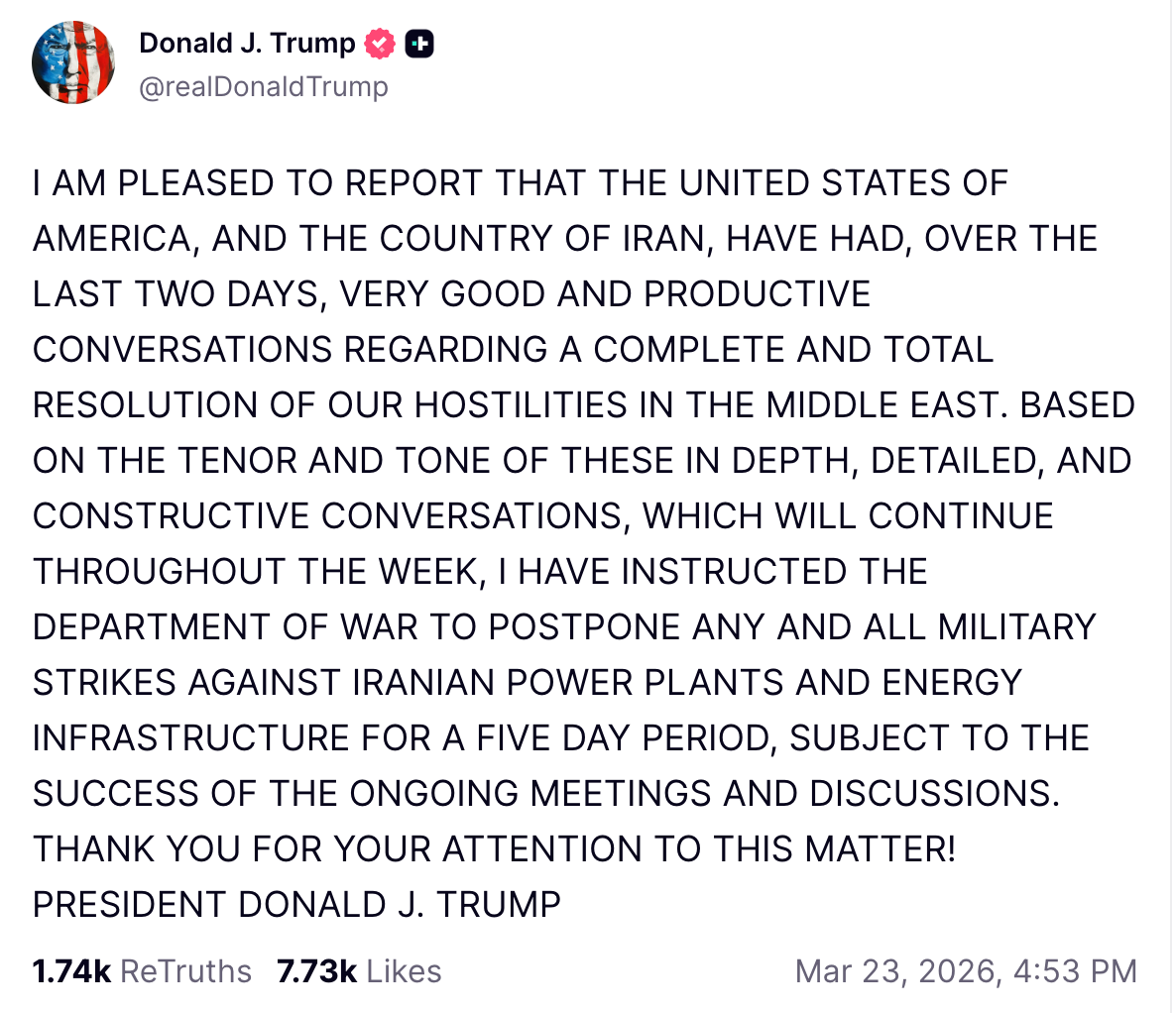
The real damage showed in the broader market, midcaps and smallcaps sank nearly 4%. But there’s a glimmer of hope. Markets could bounce back after the US hinted at easing tensions with Iran, delaying planned strikes for five days.
💡 Spotlight: India’s balancing act amid war 🌍
As tensions in the Middle East enter week 3, India is taking a clear stance, pushing for peace, protecting interests.
PM Narendra Modi told Parliament that India is actively engaging with global leaders to de-escalate the conflict, stressing that diplomacy is the only way forward.
But this isn’t just foreign policy, it’s also about India’s economic exposure. The region is critical for:
- Energy: a large share of India’s oil & ~60% LPG imports
- Trade routes: key global shipping lanes like the Strait of Hormuz
- People: nearly 1 crore Indians live and work in the Gulf
Why it matters: any disruption here hits India directly, from fuel prices and supply chains to remittances and jobs. The government has already brought back over 3 lakh Indians, while also ensuring energy supplies remain stable despite shipping challenges.

Let’s hit it! 💪🏻
1 Big Thing: Vedanta challenges Adani’s ₹14,543 crore deal ⚖️
Vedanta has moved the NCLAT challenging the approval of Adani’s ₹14,543 crore bid to acquire bankrupt Jaiprakash Associates (JAL).
Context: on March 17, the NCLT approved Adani’s ₹14,543 crore resolution plan, backing lenders’ decision and clearing the way for the acquisition.
Breaking it down: at the heart of this dispute is a simple question: who really offered the better deal?
Vedanta claims it had the higher bid on a net present value basis and even improved its offer with higher upfront cash. The company argues that the process was unfair and did not maximise value for lenders, even calling the outcome a ‘commercial conspiracy.’
Adani’s bid, according to them, offered faster payments and better clarity, while Vedanta’s revised offer came after the deadline, making it invalid under the process.
The real game: Jaiprakash Associates holds around 4,000 acres of land across Noida and the Yamuna Expressway, along with major projects like Jaypee Greens, commercial properties, hotels, and cement capacity.
For Adani, this deal offers a strong entry into North India’s real estate market, especially with the upcoming Noida airport driving demand and land prices. For Vedanta, it represents a chance to diversify beyond its core metals business into infrastructure and real estate.
2. Kotak eyes Deutsche’s India retail biz 👀
Kotak Mahindra Bank is making a big move and it could reshape its retail banking game.
What’s going on: Kotak has emerged as the frontrunner to acquire Deutsche Bank’s India retail business in a deal worth around ₹4,500 crore. Federal Bank was also in the race, but Kotak’s bid is reportedly higher.
So, what’s on the table? A sizeable ₹27,000 crore portfolio that includes personal and home loans, MSME lending, deposits, and wealth management clients.
Why it matters: for Kotak, this deal will help the bank expand its loan book, grow deposits, and deepen its presence among high-net-worth customers in urban markets.
Big theme: Deutsche Bank’s planned exit from India’s retail banking space is part of a larger pattern.
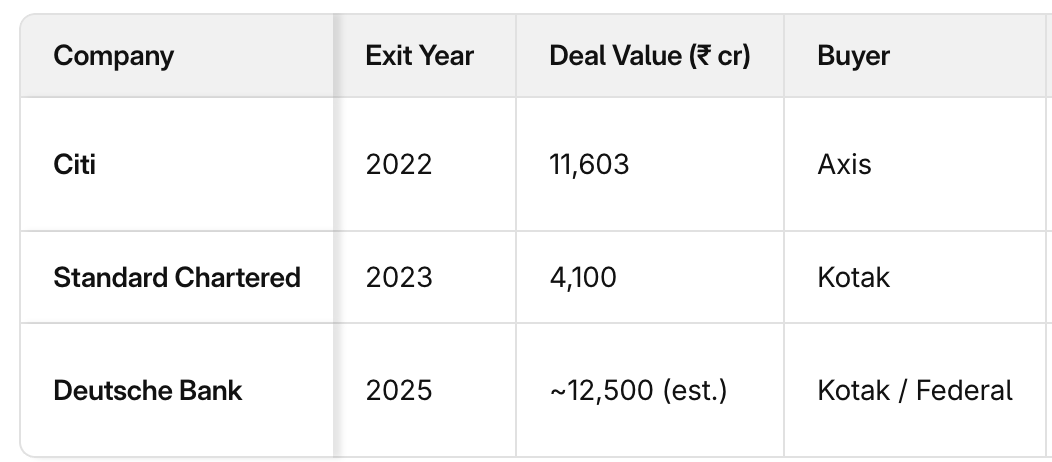
Global banks have been slowly pulling back from this segment. Citi exited in 2022, selling its massive ₹7.1 lakh crore portfolio to Axis Bank. Standard Chartered followed in 2023, offloading a ₹4,100 crore portfolio to Kotak Mahindra Bank.
A big reason? Scale. These foreign banks never really built a strong on-ground presence. Deutsche Bank has just 17 branches, Citi has 35, and Standard Chartered around 100, far smaller than Indian banks.
Without a wide network, it’s tough to grow in a market like India. And over time, that’s pushed many global players to pack up and move on.
3. India’s shift to green steel ✅
Hindustan Zinc and Tata Steel are teaming up to make steel a lot greener.
What’s happening: the two companies will expand the use of EcoZen, a low-carbon zinc, in steel production.
Zinc is used to coat steel and protect it from rust, which helps it last longer. Now, with EcoZen, this process becomes much more environmentally friendly.
What makes EcoZen different is how it’s made. It uses renewable energy and has a carbon footprint that’s about 75% lower than the global average.
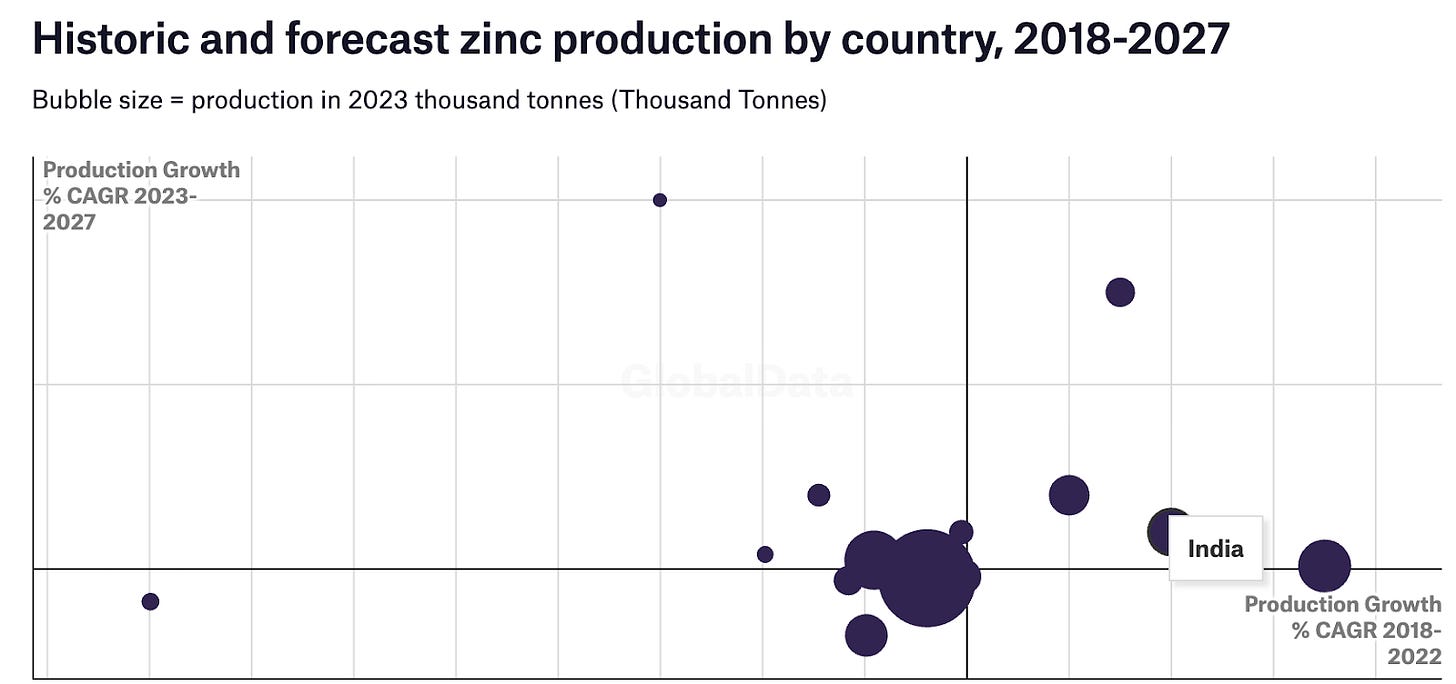
The demand picture: India remained a key player in primary zinc consumption, with FY2025 demand reaching 783 kilotonnes. The strong zinc consumption growth in FY2025 was supported by robust manufacturing and infrastructure investment.
4. How much power your AC really eats ⚡
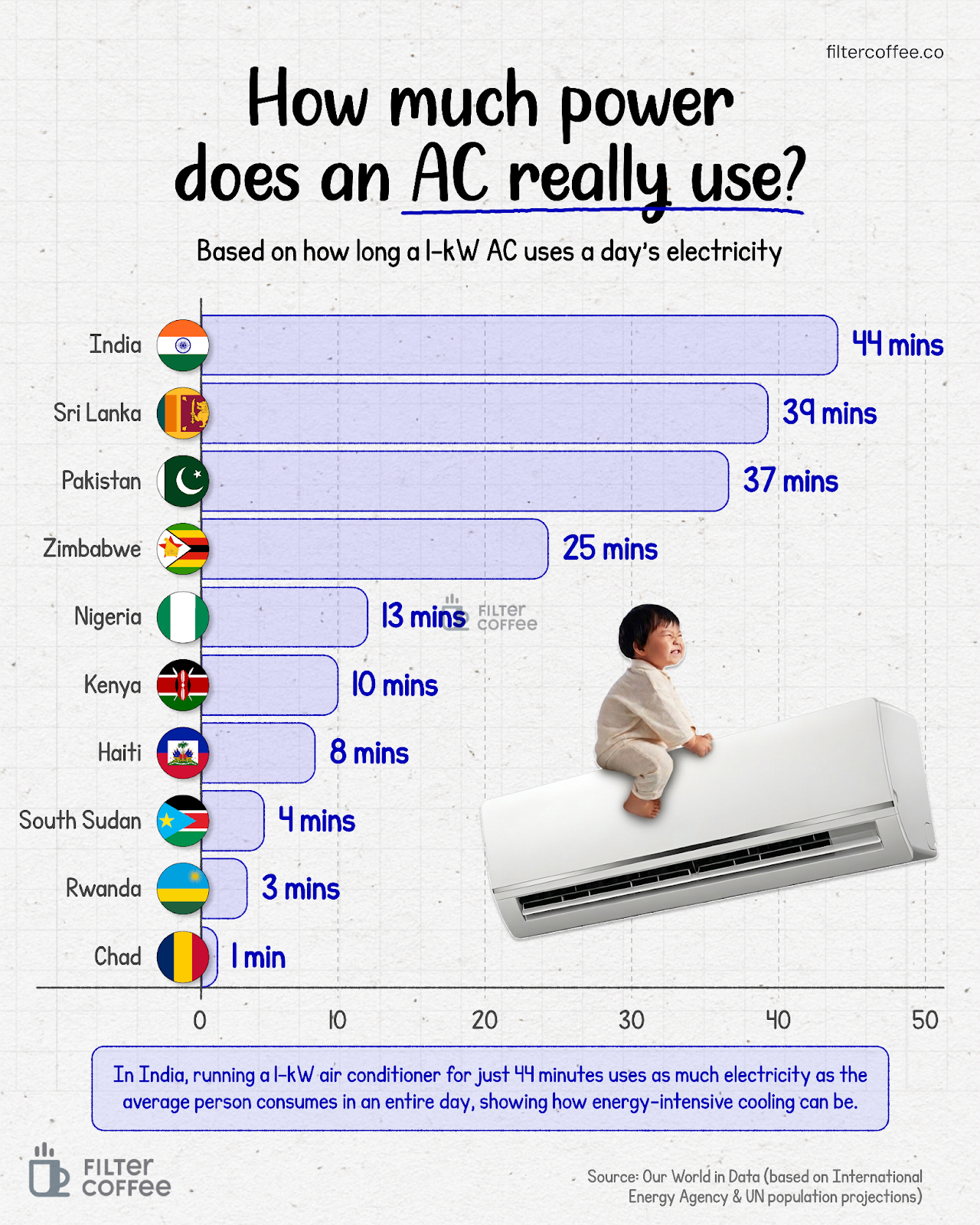
Turns out, your AC is far more power-hungry than you think. In India, running a 1 kW air conditioner for just 44 minutes consumes as much electricity as the average person uses in an entire day. That’s one of the highest among countries, even above Sri Lanka (39 mins) and Pakistan (37 mins).
The contrast gets sharper globally. In countries like Nigeria (13 mins), Kenya (10 mins), and Haiti (8 mins), the same amount of electricity lasts much longer for daily needs.
The takeaway is simple: cooling may feel normal, but it’s actually one of the most energy-intensive things we use at home, and as AC usage rises, so does the pressure on power demand.
5. Why is everyone rushing to sell semaglutide?

India’s version of Ozempic just got a reality check.
Within 48 hours of semaglutide going off patent, 15+ generic versions hit the market. Prices that once sat above ₹10,000/month have dropped to nearly ₹1,300 in some cases.
That’s a complete reset. What changes now isn’t just pricing. It’s access.
A drug that was limited to a small segment can now reach millions dealing with diabetes and obesity.
And with 40-50 brands expected to enter, this is turning into one of the most crowded and high-stakes battles in Indian pharma.
6. Stocks that kept us interested 🚀
What went up ⬆️
💻 HCLTech rose over 2% after UBS said it’s better placed amid sector de-rating as focus shifts to long-term sustainability.
🛰️ DCX Systems climbed nearly 5% after the company secured an order worth ₹564 crore for the manufacture and supply of Maritime Patrol Radar Systems for airborne applications.
⚡ Power Grid gained 1.5% after the company increased FY26 capex guidance to ₹35,000 cr.
What went down ⬇️
⛽ Oil marketing companies including BPCL fell more than 5% due to rising crude costs and supply concerns.
🏗️ Lodha slipped nearly 9% as realty stocks came under pressure on rate hike fears.
What else are we snackin’ 🍿
🏛️ Compliance update: the Corporate Amendment Bill was tabled in Lok Sabha, easing penalties while tightening digital compliance under company laws.
🧴 Portfolio shift: Unilever is in talks to sell its food business to McCormick as it pivots focus toward beauty and personal care.
💻 Chip funding: Tata Semiconductor raised funds from five foreign banks for its Gujarat fab, with lenders imposing unconventional terms tied to ownership, branding, and equity.
🤖 AI chips: Elon Musk launched the ‘Terafab’ project to develop in-house AI chips, aiming to reduce reliance on external suppliers.
That’s a wrap! Don’t let the weekday blues get to you.
And if you’d like to place your brand on this newsletter, let us know.
Hit that 💚 if you liked this issue.