
 Newsletter

Novelis trims China, SpiceJet faces threat, and Bodhi Tree buys A2B.
🗓️ Morning, folks and Happy Mondayyyy! ☀️
The week ahead is packed with enough data and events to keep investors busy.
Back home, India’s October wholesale inflation and trade data will arrive on Monday. Crude oil prices, developments in West Asia, foreign investor activity and the rupee will also influence Dalal Street.
Globally, Nvidia’s Q3 results on Tuesday will be closely watched especially its outlook after the sudden leadership change. On Wednesday, the US Federal Reserve’s meeting minutes could indicate whether interest rates may remain high or rise again.
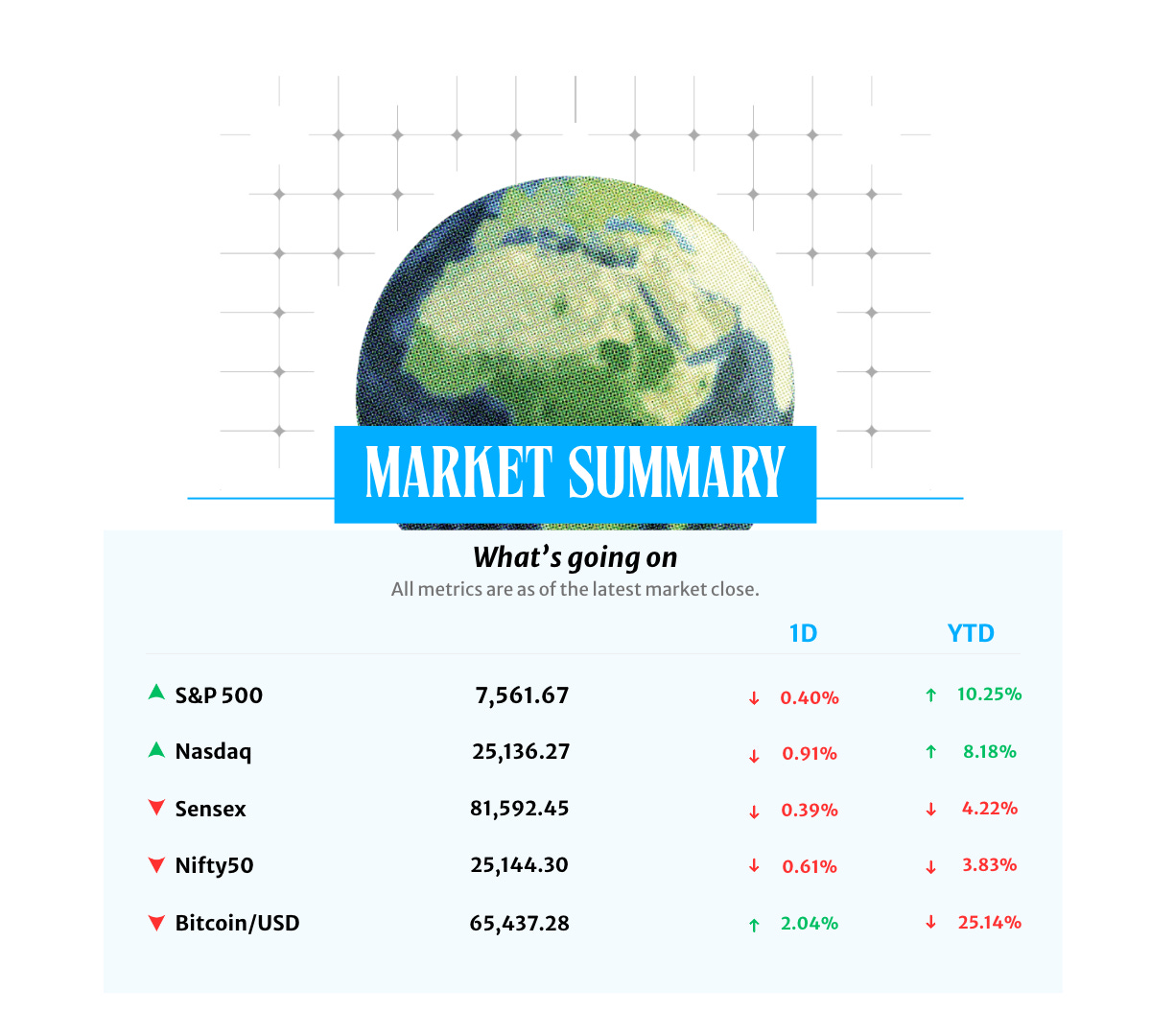
Then comes Thursday’s big AI test as Anthropic is expected to list on Nasdaq. Its debut will show whether investors are still willing to pay premium prices for fast-growing but heavily loss-making AI companies.
💡 Spotlight: Guess who is back 👀
Foreign portfolio investors (FPIs)!!! Yes, FPIs invested ₹84,290 crore in Indian equities during the first 13 days of November, reversing two consecutive months of heavy selling.
The shift comes as investors reduce their exposure to technology-heavy global markets following the sell-off in AI stocks. Indian large-cap companies are also beginning to look more attractive.
The buying has supported Indian markets, but experts remain cautious. It is still unclear whether foreign investors are returning for the long term or simply moving money temporarily.

Let’s hit it! 💪🏻
1 Big Thing: Novelis lets China units go for $265 million 👋
Novelis, the US-based aluminium company owned by India’s Hindalco, has agreed to sell two of its Chinese subsidiaries for approximately $265 million.
The deets: subsidiaries including Novelis (China) Aluminum Products and Novelis (Shanghai) Aluminum Trading to Shenzhen Hongzhi Industrial Investment or its affiliates.
The deal includes a possible additional payment of $10 million if certain conditions are met.
Note: Novelis is not completely leaving China. Its Zhenjiang operation, which serves aerospace and industrial customers, is held through a different subsidiary and is not included in this sale.
The two subsidiaries generated $376 million, or approximately ₹3,319 crore, in net sales during FY26. That sounds substantial, but it represented only around 1% of Hindalco’s total sales.
The why: the official filing did not explain the reason for the sale.
However, media reports link it to intensifying competition from Chinese manufacturers and a wider reassessment of China operations by global companies as supply chains shift.
Importantly, the sale also comes at a time when Novelis CFO Devinder Ahuja recently announced his resignation to pursue another opportunity.
2. Suspension scare forces SpiceJet to report results ⚠️
Nothing speeds up overdue paperwork quite like the threat of a trading suspension.
SpiceJet has promised to publish its pending financial results by December 7 after BSE warned that trading in its shares could be discontinued.
What BSE said: SpiceJet has not submitted its financial results for two consecutive quarters including March and June 2026.
Therefore the company’s trading in the airline’s shares will be suspended from December 10 unless it clears all pending requirements by December 7.
As per Indian law, listed companies usually need to publish quarterly results within 45 days. Audited annual results must generally be filed within 60 days of the financial year ending.
What is happening at SpiceJet: the delayed results come while the airline is facing a much wider cash crunch.
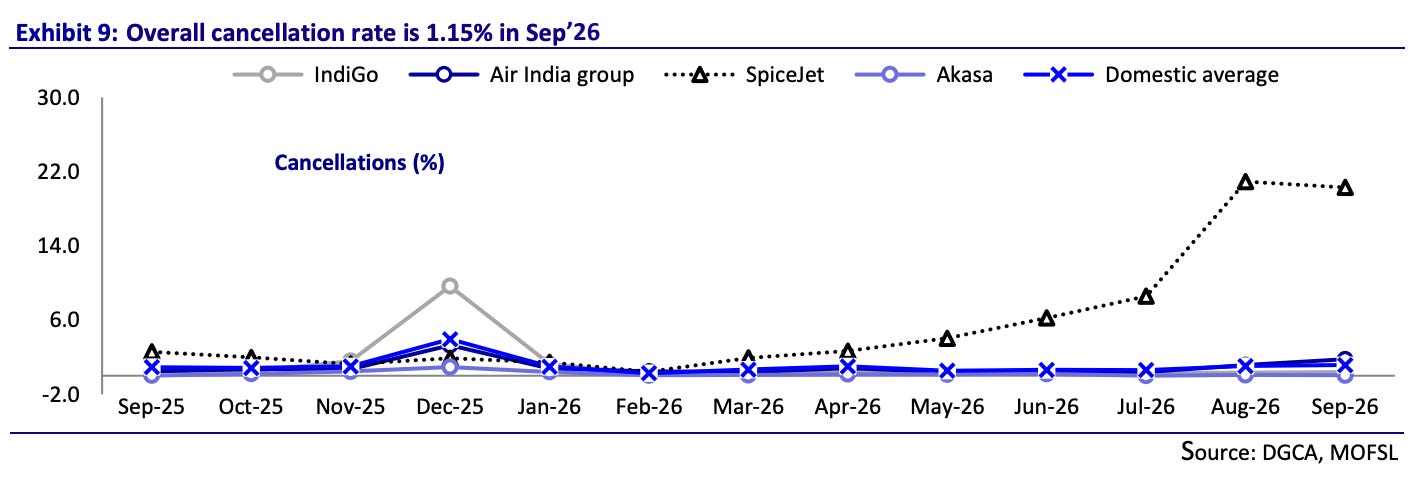
Its domestic market share fell to just 0.6% in September, compared with nearly 15% in 2019. SpiceJet carried approximately 73,000 domestic passengers during the month, down from nearly 5.92 lakh in January.
Only nine of its 12 aircraft were operational in November. The remaining planes were grounded amid payment disputes with aircraft owners.
The airline is also struggling to pay smaller suppliers. It owed micro, small and medium enterprises ₹122.93 crore during April–September 2026. Of this, ₹63.03 crore remained unpaid beyond the legally permitted 45 days.
Why things became worse: SpiceJet was already dealing with grounded aircraft, delayed salaries and unpaid supplier bills.
The Middle East conflict added another problem. Higher crude prices increased aviation fuel costs, while airspace restrictions made some international routes longer and more expensive.
3. A2B served a ₹1,600 crore deal 🍽️
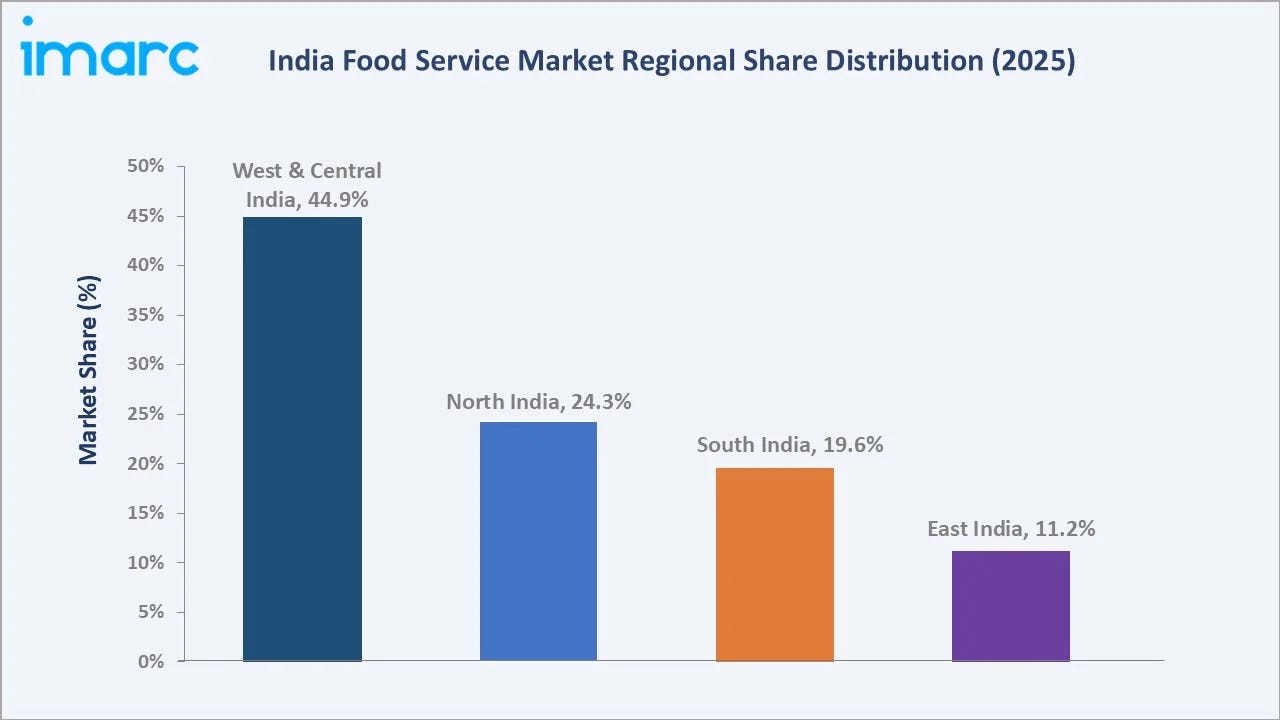
Adyar Ananda Bhavan, better known as A2B, has sold a majority stake to Bodhi Tree Systems for $180 million, or more than ₹1,600 crore.
It is one of the largest transactions in India’s food-service industry.
Quick context: A2B is a Chennai-based vegetarian restaurant, sweets and packaged-food company. Today, it has around 160 outlets in India and more than 30 overseas, including locations in the US, UK, Singapore, Malaysia and Australia.
Breaking it down: Bodhi Tree will now own more than half of A2B and gain control over major business decisions. Importantly, A2B’s founders have said the partnership will help make the company ready for public markets.
The exact stake purchased has not been disclosed. An industry estimate values the entire company at around $350 million, or roughly ₹3,100 crore.
A2B’s founding family has not sold the whole business. It will remain a shareholder and continue participating in the company’s growth.
The company’s revenue reached around ₹1,502 crore in FY25. A2B’s website now claims annual turnover exceeding ₹1,700 crore.
Bodhi Tree Systems is an investment and business-building platform created by American-British businessman James Murdoch and Uday Shankar, a top executive of the Reliance-Disney India joint venture
The why: the goal is to turn a trusted regional food brand into a professionally managed business with a bigger presence across India and overseas.
4. Stocks that kept us interested 🚀
What went up ⬆️
🏦 MSTC jumped 20% on the BSE after the company reported its strongest Q2 since listing and received in-principle approval from the RBI to operate a Trade Receivables Discounting System.
❄️ Amber Enterprises surged 10% after Q2 revenue grew significantly exceeding expectations, driven by strong performance in its electronics division.
✈️ SpiceJet is considering raising fresh funds by issuing new shares to investors, stock up 5%.
🛡️ PB Fintech gained 5% amid reports that IRDAI may issue another draft paper on distribution.
⚡ TD Power gained over 3% after management raised revenue guidance.
What went down ⬇️
🔻 Ola Electric, Voda Idea, Ruchira Papers, Venky’s, Grasim and KPI Green fell up to 4% after reporting Q2 earnings.
🛢️ Rising crude prices weighed on paint, airline and oil marketing stocks, with IndiGo falling 1% and HPCL losing 2%.
📉 Muthoot Finance and Manappuram Finance declined 3% each as gold prices slipped.
What else are we snackin’ 🍿
📦 Trade deficit: India’s goods trade gap widened from $30.21 billion in September to a one-year high of $39.88 billion in October. However, on a year-on-year basis, it narrowed from $42.58 billion in October 2025.
💳 Wallet approval: Paytm Payments Services received in-principle RBI approval to operate digital wallets and prepaid payment instruments, subject to completing a system and cybersecurity audit within six months.
📈 IPO plans: Carlsberg India may launch a $600 million IPO as early as January 2027, with its Danish parent looking to sell a 15% stake at a $4 billion valuation.
🚀 India bet: American pet-care and snacking giant Mars wants India among its five fastest-growing markets and is targeting over $1.2 billion in revenue by 2030.
That’s a wrap! Don’t let the Monday blues get to you.
And if you’d like to place your brand on this newsletter, let us know.
Hit that 💚 if you liked this issue.
Disclaimer: This newsletter is for informational and research purposes only. Nothing here should be considered financial, investment, legal, or professional advice.