

 Newsletter
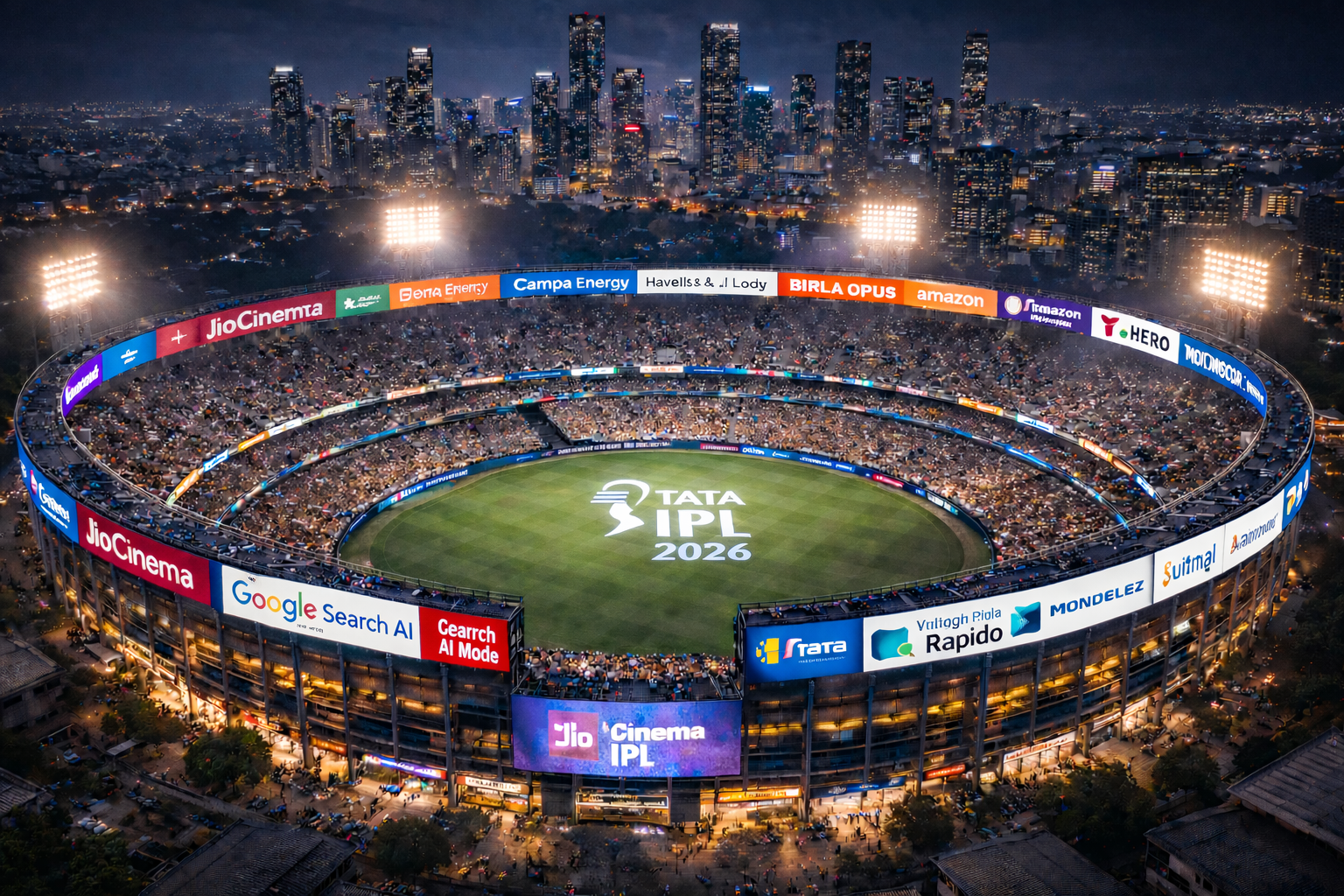
Something interesting is happening inside the IPL this season.
A single six, that one clean hit over the boundary, is no longer just a cricketing highlight. It has effectively become one of the most valuable moments in Indian sports business today.
To understand why, you have to start with what just happened in the background.
The IPL media ecosystem has scaled massively. It starts to look like a business event.
Each match now pulls in ₹80–90 crore in ad revenue. Brands are paying anywhere between ₹16 lakh to ₹38 lakh for just 10 seconds of airtime, with premium slots going up to ₹40 lakh+ during playoffs.
And yet, even with all this structure in place, the real money is not just in the ads. It is in the moments that make those ads more valuable.
Take a six.
When a batsman hits one, the game doesn’t just move forward. The entire system reacts. Viewers lean in. The camera zooms. Replays start rolling. Social media teams clip it within seconds.
Broadcasters slot ads right after that spike in excitement because they know people are not switching screens at that point. In simple terms, attention peaks exactly when the six happens, and everything that follows gets priced higher because of it.
This is where the IPL’s business model gets interesting. It is selling attention at its most intense moments.
Let’s break it down.
A typical 10-second ad during an IPL match might cost around ₹18 lakh on average, that is roughly ₹1.8 lakh per second of attention. But after a high-energy moment like a six, viewer retention increases. Even a small 10–20% bump in retention translates into millions of extra impressions across a season across 70+ matches in a season. That alone can add a few lakhs of incremental value per moment.
Then comes sponsorship.
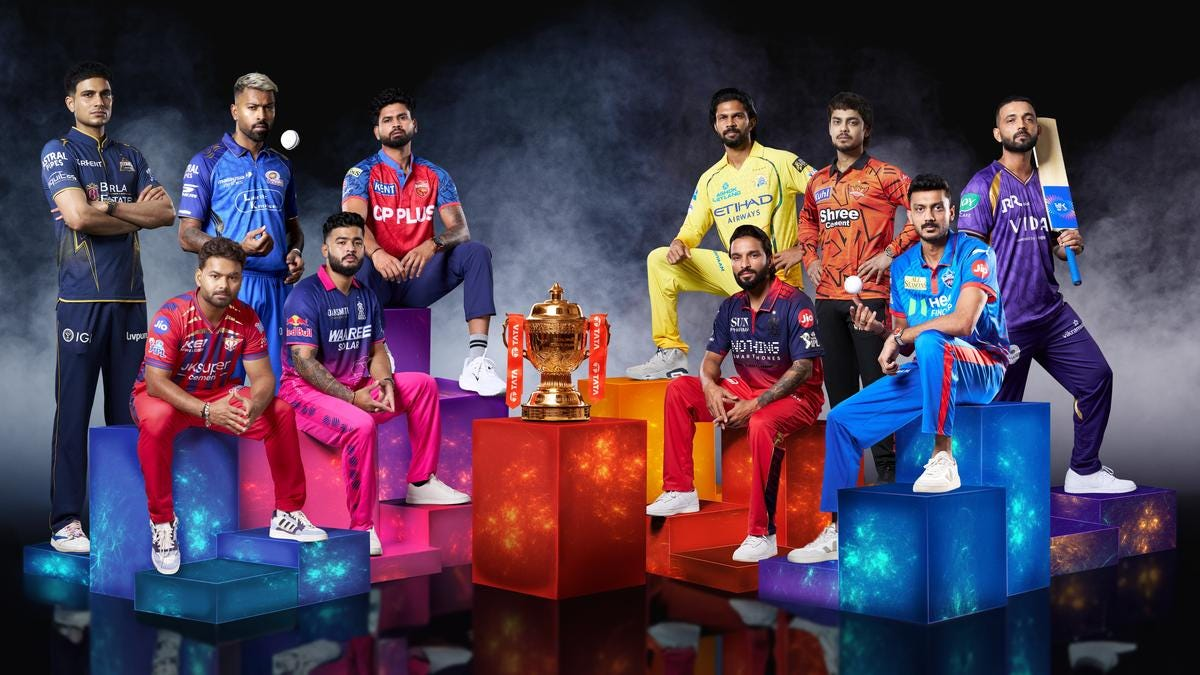
Every six is visually engineered for brands. The camera locks onto the batsman, and suddenly the jersey logo, the bat sticker, the helmet branding, everything is front and centre. That one shot gets replayed multiple times during the match, then again in highlights, and then again across digital platforms. One six can easily turn into 10 to 20+ brand exposures without the sponsor spending a single extra rupee.
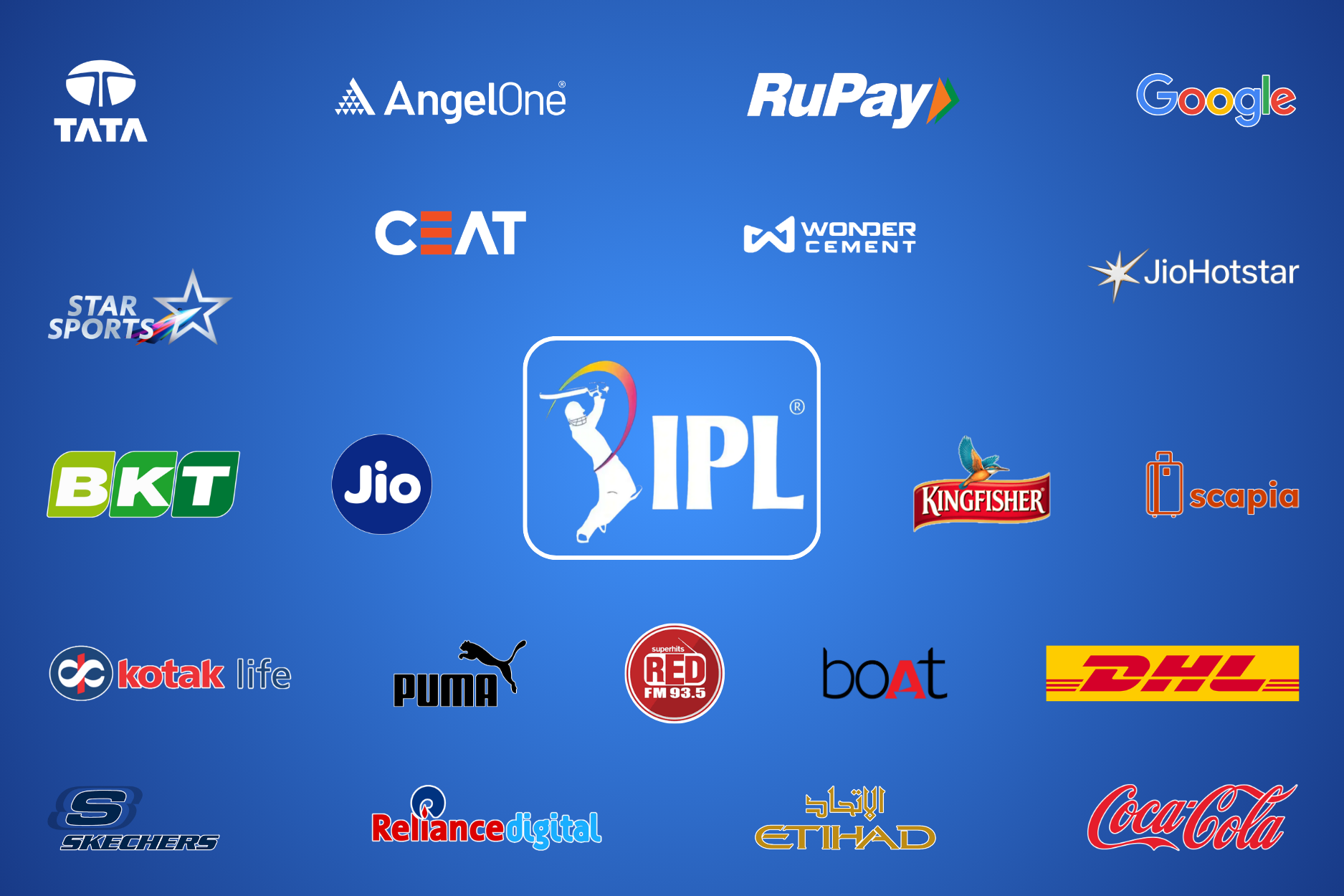
And this sits on top of massive sponsorship economics. Teams alone generate ₹100–150 crore+ annually from sponsorships, while league-level deals like title sponsorship cross ₹2,500 crore. On the broadcast side, 25+ major sponsors are integrated into the feed. So every additional exposure during a six is layered onto an already high-value system, creating ₹10–₹20 lakh equivalent sponsor visibility per moment.
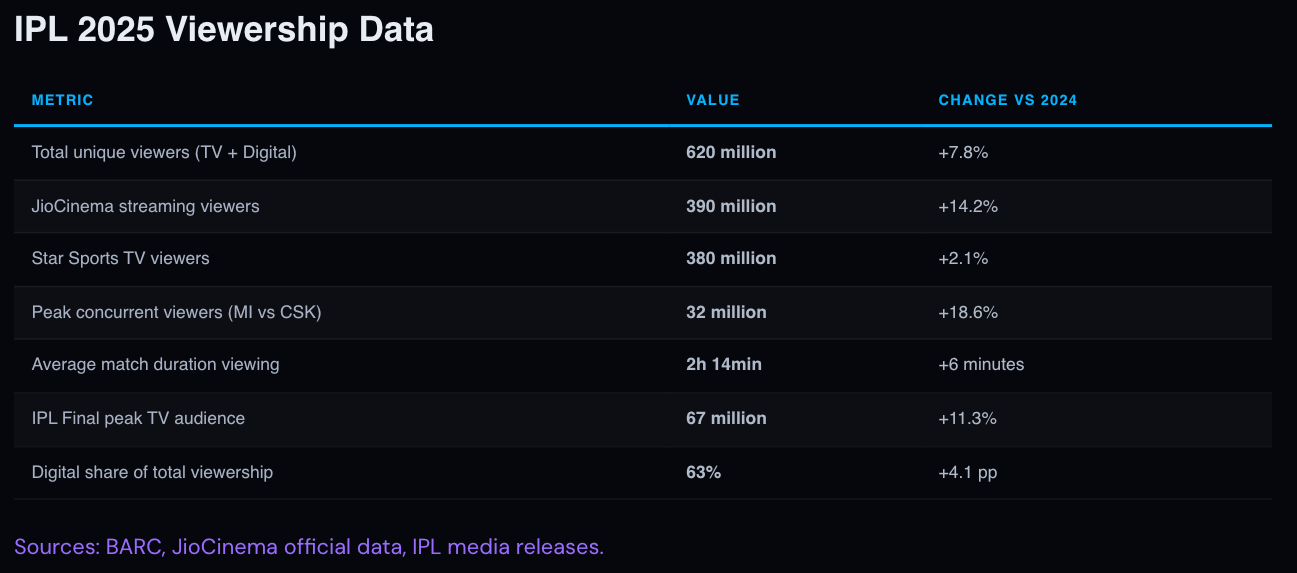
Moreover, the IPL today reaches over 600 million digital viewers and is streamed across more than 120 countries. Platforms like JioHotstar alone command a massive share, often with 60–65% of viewers on mobile and 35–40% on connected TVs.
With digital ads, one moment can generate anywhere between ₹10 lakh to ₹90 lakh+ in ad-equivalent value depending on scale. Plus the brands embedded in the video get this reach without paying extra.
When you step back and look at all of this together, a bigger picture emerges. A six does not directly generate revenue, but it amplifies every revenue stream around it. Broadcast ads become more effective. Sponsors get repeated visibility. Digital platforms get high-performing content. And franchises get moments that fans remember.
In fact, if you try to roughly quantify it, the indirect impact of a single six can land anywhere between ₹30 lakh to ₹1 crore depending on how big the moment becomes and how far it spreads online. Multiply that by 14 to 17 sixes in a typical match, and you are looking at ₹4–₹14 crore of additional value per match being created simply through high-intensity gameplay.
But the story doesn’t stop there.
Not all sixes are equal.
When a new player hits one, it might get limited traction. But when someone like Virat Kohli or Rohit Sharma does the same thing, it becomes a full-blown event.
The same shot suddenly delivers 5x to 10x more visibility and can push total value to ₹1–₹3 crore+ due to amplification. That is why star players are not just athletes in this ecosystem. They are distribution engines.
This is also why IPL teams are now being valued like media businesses rather than sports teams. Franchises are generating ₹700–800 crore annually through a mix of central revenue share, sponsorships, ticketing, and merchandise. Strong performances and exciting matches build fan loyalty, and loyal fans spend more.
The IPL is now a ₹11,000–12,000 crore annual revenue engine, sitting inside an ecosystem valued at around $18.5 billion. It is not just driven by matches or players. It is driven by moments that capture attention and redistribute value across the system.
Every ball in an IPL match already carries commercial weight. But a six changes the equation. It spikes attention, increases engagement, boosts ad pricing, multiplies brand exposure, and extends itself digitally long after the match is over.
Which is why, at its core, the IPL is more than just a cricket league.
It is a highly optimized attention economy where a 3-second shot can trigger 10–20 additional exposures, generate ₹30 lakh to ₹1 crore in impact, and even contribute to an estimated ₹2,000 crore+ seasonal amplification across 70+ matches.
And once you see it that way, a six doesn’t just look like a highlight anymore.
It starts to look like a business event.