

 Newsletter

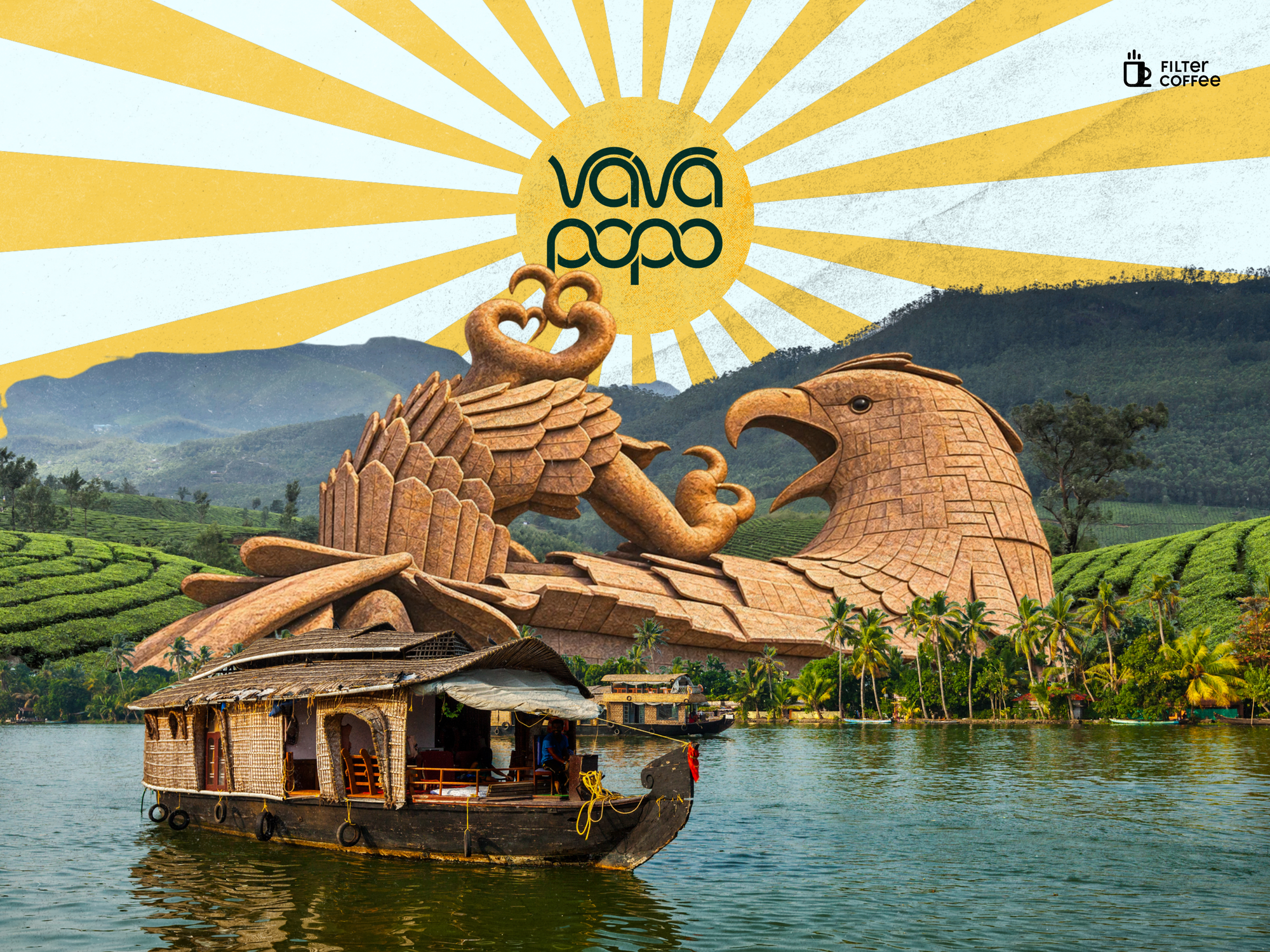
As Kerala welcomes record numbers of tourists, a growing interest in local food, culture and community-led experiences is opening up new ways to explore God's Own Country.
Houseboat stays in Alleppey, tea plantation tours in Munnar and colonial-era walks through Fort Kochi have long defined the quintessential Kerala holiday. These experiences have helped turn the southern state into one of India's most recognisable tourist destinations. But as travellers become increasingly interested in local culture, food and experiences, a different side of Kerala is finding its way onto holiday itineraries.
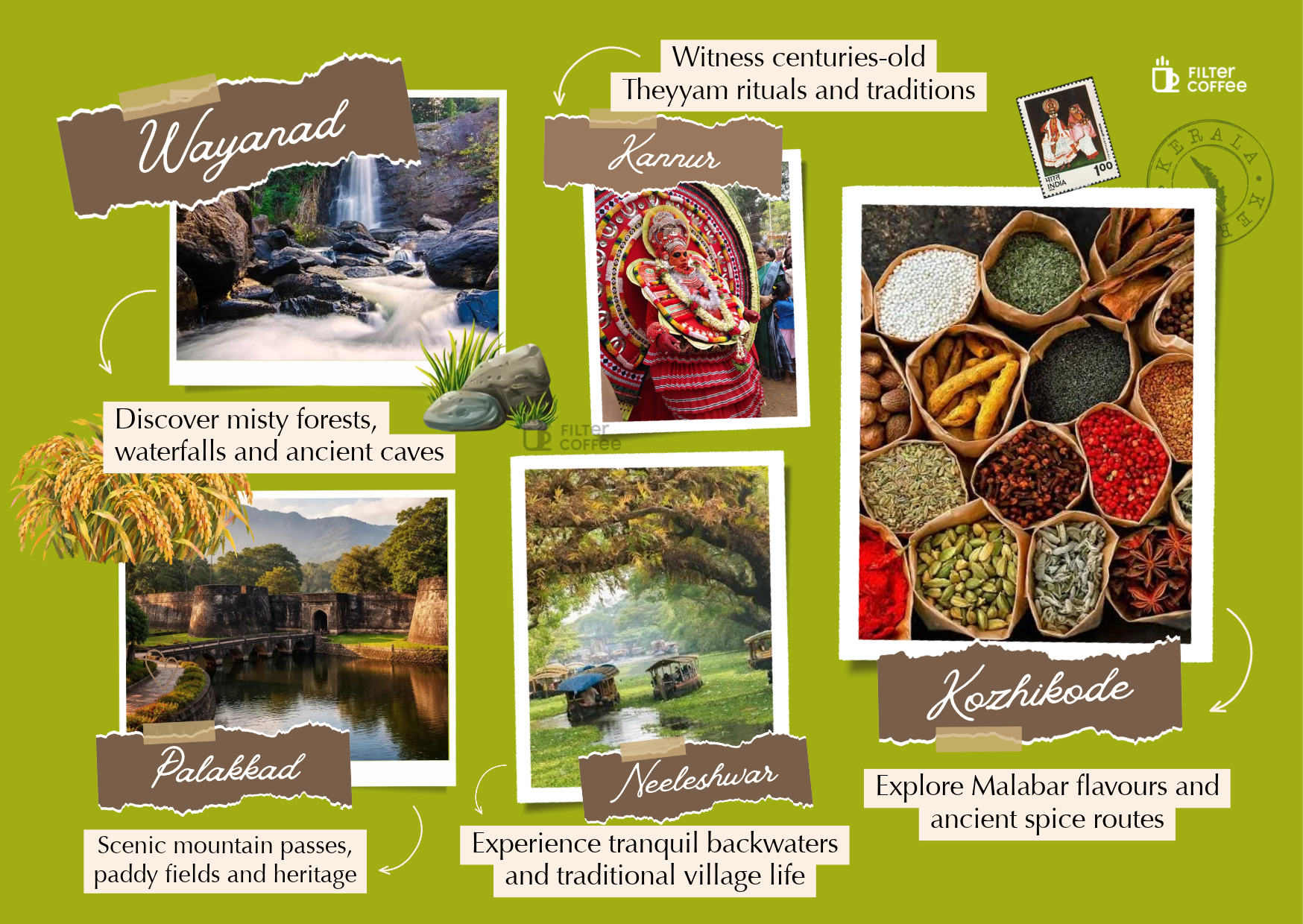
In Kannur, visitors can witness Theyyam, a centuries-old ritual tradition where performers embody deities through elaborate costumes, music and movement. In Beypore, near Kozhikode, craftsmen continue to build enormous wooden ships using skills passed down through generations. And across the Malabar coast, traditional kitchens offer a glimpse into a culinary history shaped by centuries of trade, migration and cultural exchange.
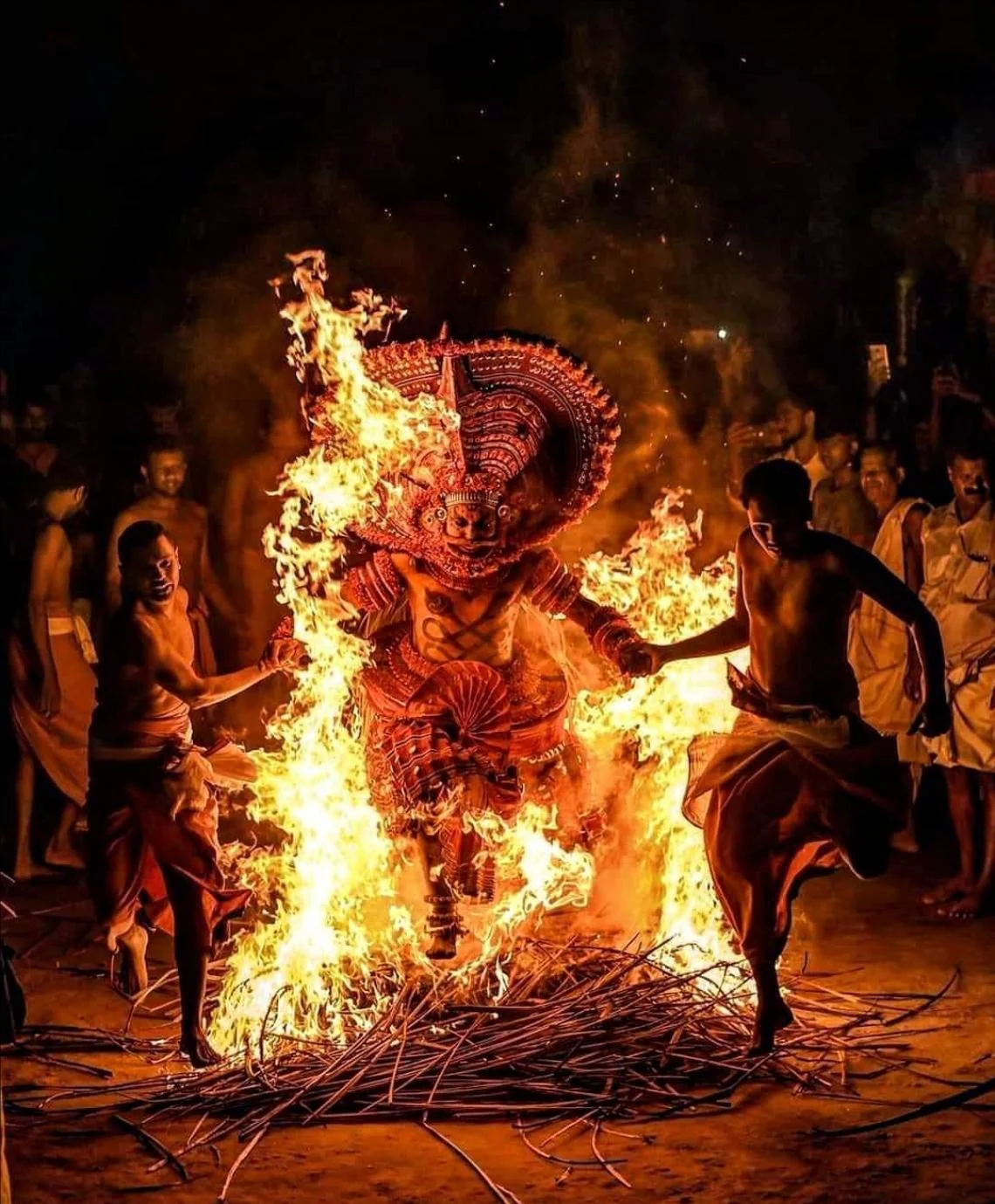
These traditions have existed for generations, although many remain unfamiliar to visitors accustomed to Kerala's popular tourist circuit. Now, local guides, community-led activities and a growing number of curated travel experiences are offering visitors a closer look at the people and traditions behind the destinations.
And Kerala's tourism industry has plenty of room for this kind of travel.
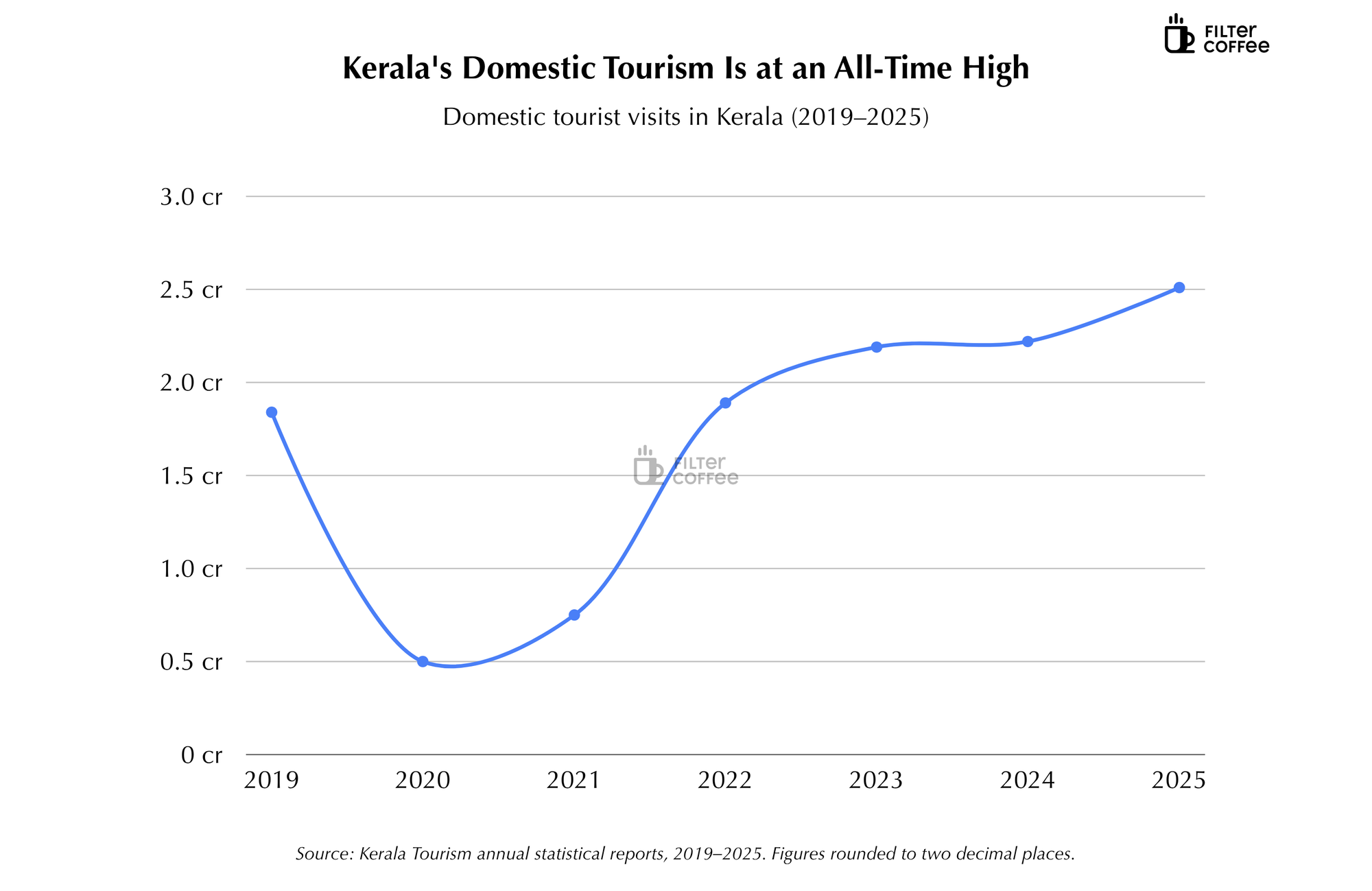
The state recorded nearly 2.59 crore tourist visits in 2025, its highest annual total, with estimated tourism earnings crossing ₹50,700 crore. Domestic tourist visits were also 36% higher than in 2019, before the pandemic disrupted international travel.
Yet a closer look at Kerala's tourism statistics reveals how unevenly visitors are spread across the state. Idukki, home to Munnar, welcomed nearly 47 lakh domestic tourist visits in 2025. Kasaragod, known for its historic forts, coastal villages and traditional art forms, recorded just 3.14 lakh.
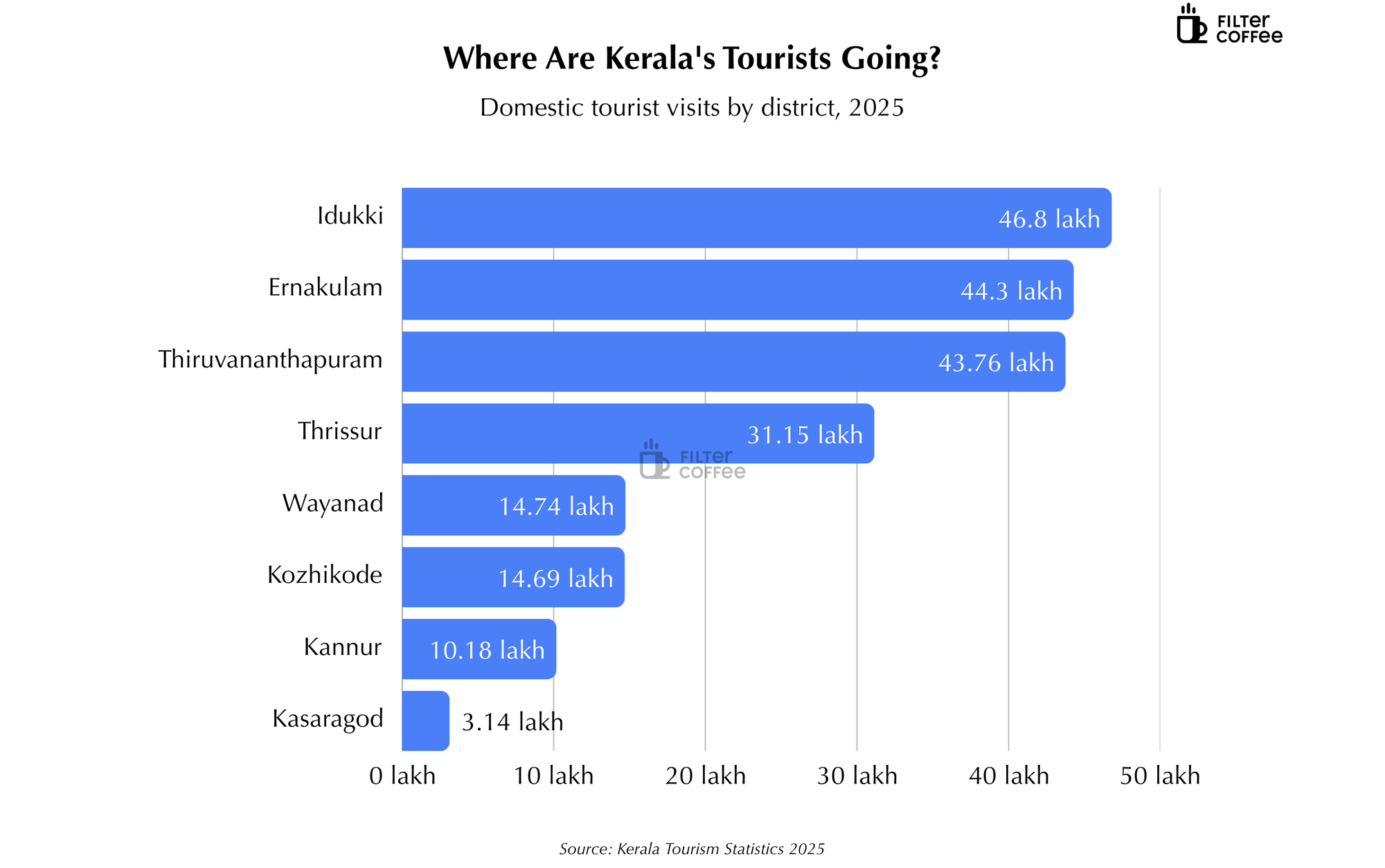
Some destinations naturally attract more visitors because of better connectivity, accommodation and established tourist attractions. But the contrast also highlights how much of Kerala remains outside the usual holiday itinerary.
Consider the shipbuilding yards of Beypore.
For around 1,500 years, the coastal town has been associated with the construction of wooden vessels called urus, once sought after by Arab traders. These enormous ships were traditionally built without conventional blueprints, relying instead on the knowledge of experienced craftsmen. According to Kerala Tourism, a large uru could require around 50 workers and at least four years to complete.
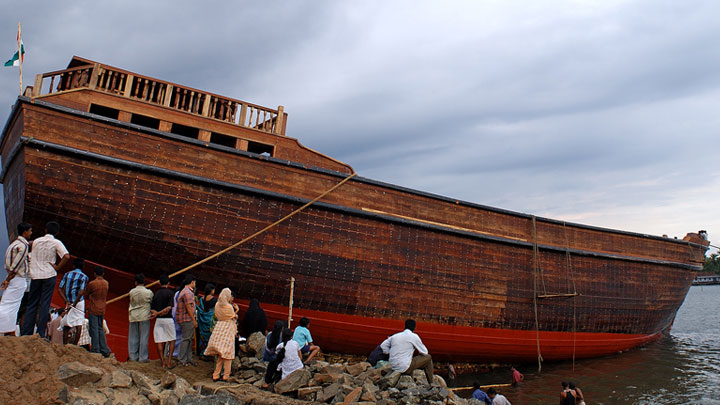
The tradition survives today, offering visitors an opportunity to understand a craft that once connected Kerala's coastline with international trading routes.
Further north, Theyyam offers a very different encounter with Kerala's heritage. Practised largely in Kannur and Kasaragod, the ritual can take place late at night or before dawn, following local temple calendars. Visitors attend ceremonies where stories, beliefs and community traditions have been preserved across generations. Unlike a performance arranged for tourists, Theyyam remains an important part of local religious life.
Food provides another way into the state's history. Kerala's cuisine changes as you move between regions, from the seafood and coconut-rich preparations of the coast to the distinctive Malabar food and Mappila culinary experiences. A guided food walk through Kozhikode or Alleppey can introduce visitors to local eateries, traditional recipes and the communities that have shaped them.
This interest in experiencing everyday local life is also creating opportunities for small tourism businesses.
Kerala began developing this model in 2008 through its Responsible Tourism initiative, which encourages visitors to engage with local farmers, artisans, guides and communities. The aim is to ensure that tourism spending reaches people beyond the established hotel and travel industry.
Today, Kerala has around 26,000 responsible-tourism units, approximately 80% of which are led by women. The initiative supports around 1.5 lakh families, according to a February 2026 government announcement.
That growing network of local experiences is also attracting a new generation of travel entrepreneurs.
Among them are Anwin Jose and Meghna, the founders of VAVAPOPO, a Kerala-based travel company that began as an MBA college project.
While exploring the state's tourism industry, the two friends felt that conventional holiday packages often overlooked the experiences that made individual places distinctive. They began connecting with local guides, artisans and experience providers to put together journeys centred on Kerala's food, traditions and everyday life.
The founders say they personally visit locations, meet local hosts and evaluate activities before adding them to their collection. VAVAPOPO now offers more than 50 curated experiences across Kerala's 14 districts, including heritage walks, traditional cooking sessions, village visits and cultural activities.
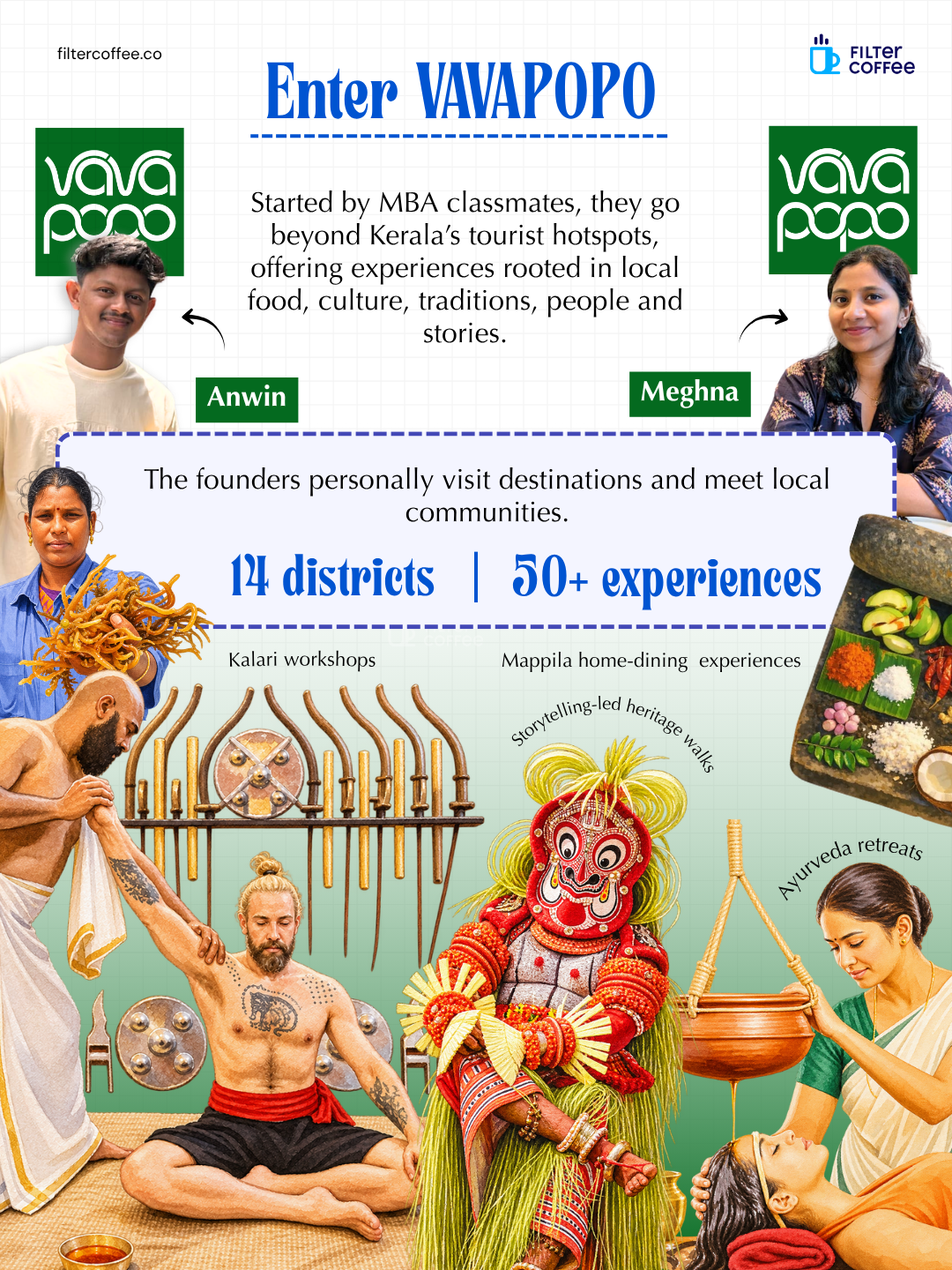
Some are designed around familiar destinations, but offer a different perspective. In Alleppey, for example, visitors can join a two-hour guided food walk, priced from ₹1,750 per person, exploring neighbourhood eateries and local culinary traditions. In North Kerala, the company also arranges guided visits to Theyyam ceremonies, helping travellers understand the rituals and navigate local schedules.
For travellers, such services make unfamiliar activities easier to discover and organise. For local hosts, they offer another way to earn from knowledge, skills and traditions that have often remained within their communities.
Of course, this kind of tourism requires care. Religious ceremonies cannot be treated like scheduled entertainment, and local communities need control over how their traditions are presented. The quality of an experience also depends heavily on knowledgeable guides, reliable arrangements and fair payment to the people hosting visitors.
Munnar's tea plantations and Alleppey's houseboats will continue to attract visitors. Alongside them, a cooking session in a family kitchen, an afternoon with traditional craftsmen or an evening learning about a local ritual can offer a different understanding of the same destination.
For a state that has long sold the beauty of its landscapes, the next chapter of tourism may increasingly be about the people who live within them.
Sources: Kerala Tourism Statistics 2025 | Kerala Development Report 2026 | Kerala Tourism: Beypore Shipbuilding | Kerala Tourism: Theyyam | Kerala Responsible Tourism Mission | VAVAPOPO