

 Newsletter
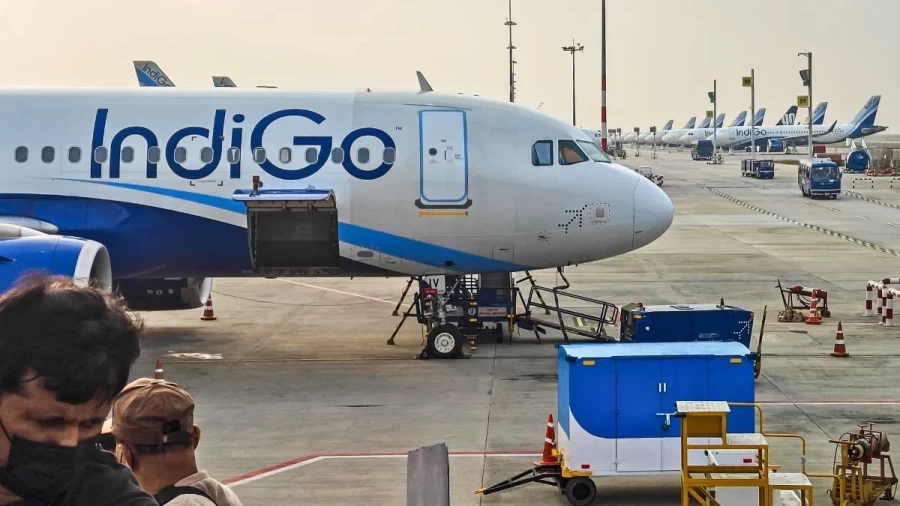
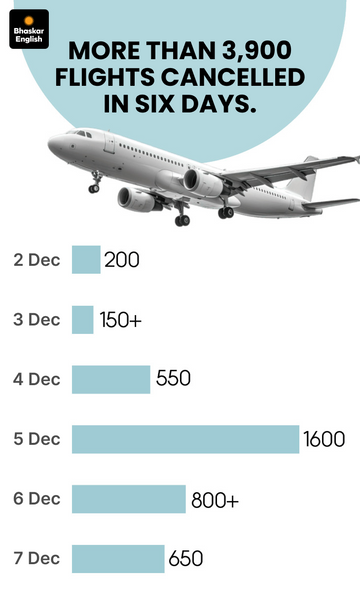
On most days, IndiGo is the airline you do not think about. You open the app, pick the cheapest blue-and-white option, and assume it will take off on time. In the first week of December 2025, that default trust broke. India’s largest airline; Indigo, cancelled and delayed thousands of flights across the country, choked airports in peak wedding and holiday season, wiped billions off its market value and forced the government to step in.
For a carrier that controls well over half of India’s domestic market and flies more than 100 million people a year, it was a full-blown operational crisis that raised an uncomfortable question: what happens when the airline that keeps India flying suddenly loses control of its own schedule.
Passengers missed weddings, funerals, exams, connecting international flights. Some slept on airport floors for two nights straight. One family carrying a coffin for a final farewell got stranded. Another passenger, stuck for 11 hours, said the only apology they got was a free McDonald’s meal coupon.
Refunds and compensation started flooding out. The airline told the government it had processed more than ₹6,000 crore worth of refunds and changes in a matter of days and that it would waive all cancellation or rescheduling fees for travel between 5 and 15 December.
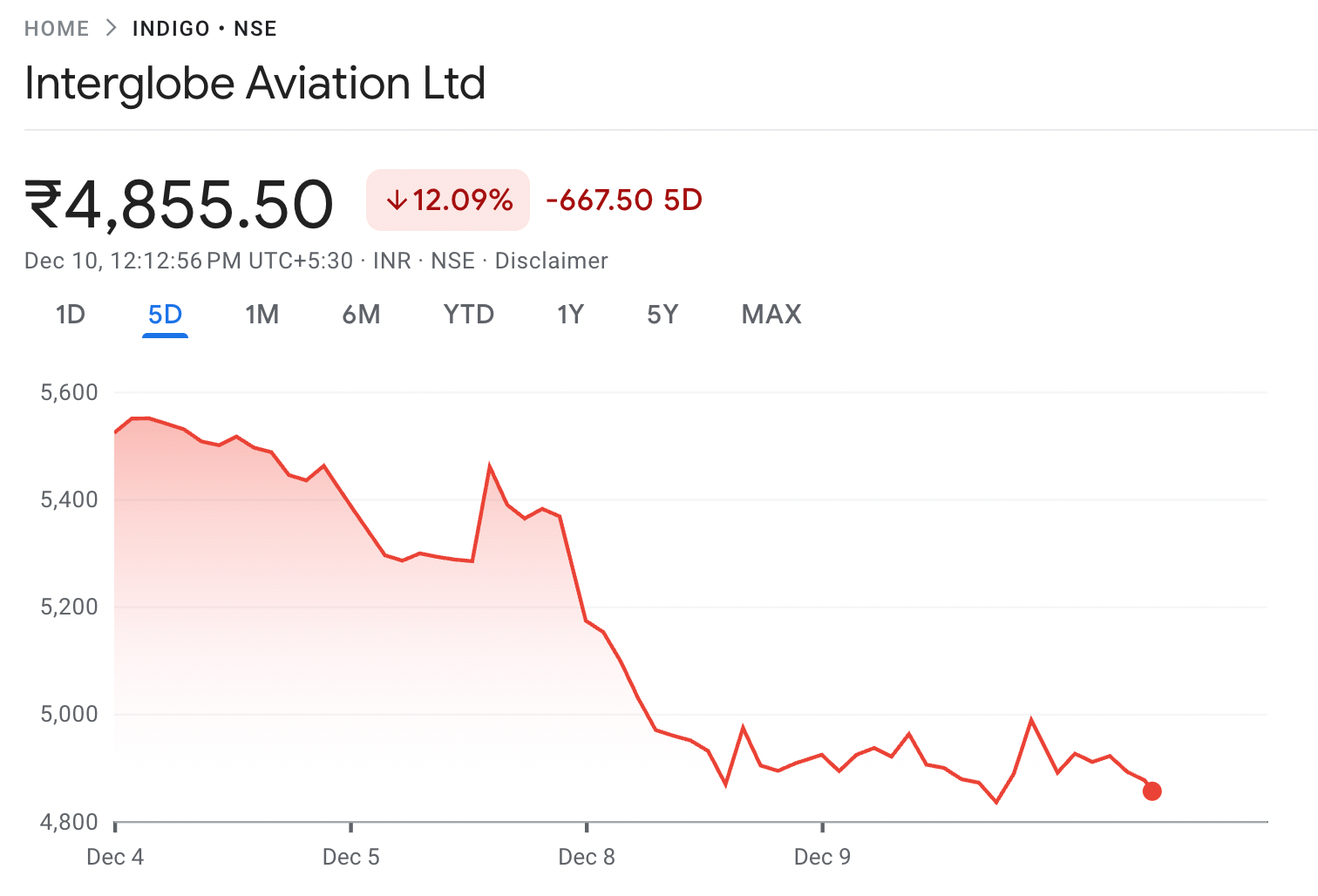
InterGlobe Aviation, the listed parent, watched its stock fall sharply as investors realised this was not just bad PR. It was real money, real disruption and real regulatory risk.
So what on earth went wrong at an airline that had built its brand on punctuality and discipline. The short answer is this: India changed the rules on how long pilots can fly and how much they must rest. Most airlines prepared. IndiGo misjudged the impact and did not. One bout of delays then collided with those tighter rules, and the network simply could not cope.
A “roster” is basically a master timetable for pilots and cabin crew. It tells them which flights they will operate, when they report for duty and when they go off duty. If the roster is too tight, there is no extra crew to step in when a flight is delayed. If it is built badly under new rules, even a small delay can push a pilot beyond legal limits and force a cancellation.
The heart of the crisis sits inside something most passengers never think about: Flight Duty Time Limitations, or FDTL. These are rules issued by the aviation regulator that cap how long pilots can be on duty and how much rest they must get between flights. India updated these norms in 2024 after years of complaints about pilot fatigue.
Under the revised rules that kicked in from November, weekly rest periods went up from 36 to 48 hours, restrictions on night duty became tighter and there were limits on how many late-night landings a pilot could do in a week.
On paper, this is simple: tired pilots are a safety hazard, so you make sure they get more rest. In practice, it means airlines must redesign routes, add more crew and build more buffers into their network.
FDTL is the safety rulebook that decides how long a pilot can legally work. It counts everything from reporting time at the airport to post-flight duties, not just the time in the air. If a pilot crosses that allowed limit because of cascading delays, they are not allowed to operate the next flight, even if the aircraft and passengers are ready.
The regulator did not spring this overnight. Airlines had months of notice, and the changes were meant to be rolled out in phases. Other carriers say they gradually adjusted their rosters and hired more crew to stay compliant.
IndiGo, by its own admission to the government, struggled to implement the new rules in time. The airline walked into November with a network optimised for old fatigue norms and a staffing plan that assumed high utilisation of pilots and aircraft. For years, that model worked and helped keep costs low. Under the new FDTL regime, it turned into a trap.
All it then took was one bad weekend to blow things up. A technical advisory involving Airbus A320 software and some weather-related disruptions pushed multiple flights into late-night hours. Once those flights ran late, pilots started bumping up against the new FDTL limits.
Under the law, they could not operate the next assigned sector. That forced last-minute cancellations. Those cancellations then messed up crew rotations on other routes. Very quickly, IndiGo found itself in a situation where the aircraft were there, the passengers were there, the demand was there, but enough “legally rested” pilots were not.
When airlines talk about “legally rested crew”, they mean pilots and cabin crew who meet every FDTL rule. Even if a pilot feels fine, they are not allowed to fly if the roster shows they have crossed duty or rest thresholds. The decision is not emotional. It is regulatory and it is supposed to be non-negotiable.
The regulator’s view was blunt.
In a strongly worded notice, DGCA called the disruption the result of “misjudgement and planning gaps” in implementing the new duty rules. It ordered IndiGo to immediately cut its schedule by 5%, starting with routes where passengers had alternatives, and demanded a detailed plan for hiring, training, rostering and safety risk assessment.
The civil aviation minister told Parliament that “very strict action” would follow if the airline failed to comply. Senior officials were dispatched to major airports to monitor how IndiGo was handling stranded passengers on the ground.
At the same time, the government did something that sparked its own controversy.
To reduce cancellations in the short term, the regulator granted IndiGo a temporary exemption from parts of the new fatigue rules, including restrictions on combining weekly rest with leave.
That waiver runs till February 2026. Pilot associations did not hold back. They accused DGCA of weakening safety just to save an airline from the consequences of its own planning mistakes. Their argument was simple. The new rules were brought in after years of warnings about fatigue. If the first big test leads to a rollback, what signal does that send about how seriously India takes aviation safety.
For passengers, none of these regulatory nuances mattered. What they saw were long queues at counters, cancelled flights flashing on departure screens, vague messages on apps and a lack of clear support on the ground.
Some got hotel rooms and food. Others said they were left sitting on airport floors with no information. One foreign diplomat publicly posted that he missed his staff member’s wedding after getting stranded with thousands of others. In a country where flying has become the default mode for long-distance travel, those visuals hit a nerve.
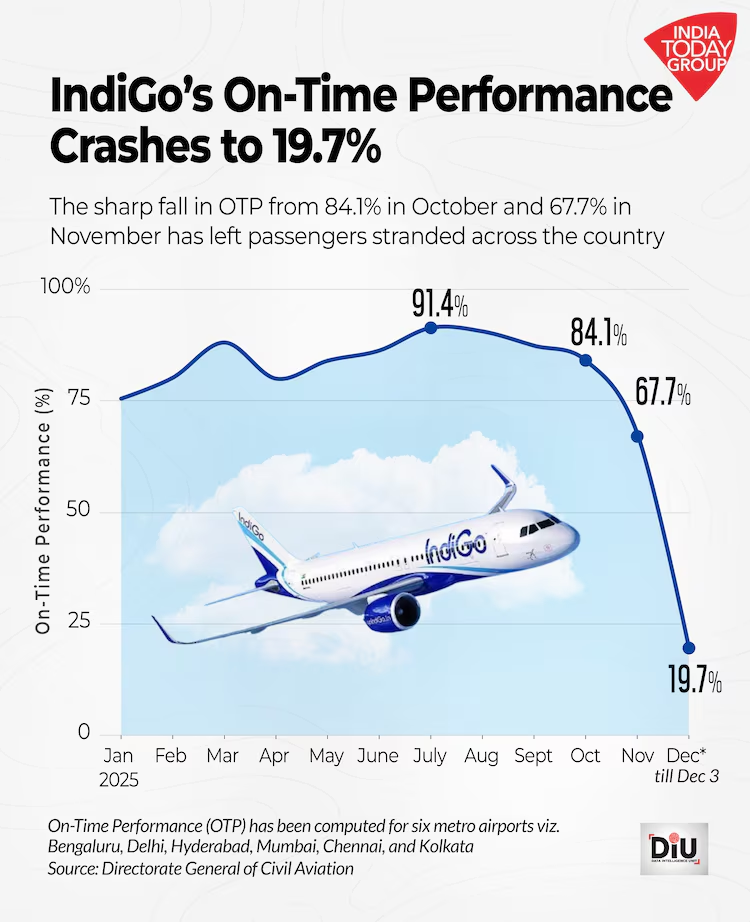
“On-time performance” is the aviation world’s favourite vanity metric. It simply measures what percentage of flights depart within a small delay window, usually 15 minutes. For years, IndiGo topped charts at major airports with OTP above 90 percent. In the worst days of this crisis, its OTP crashed to single digits at some hubs, turning its biggest bragging right into its biggest embarrassment.
To understand why this meltdown matters beyond one airline’s bad week, you have to look at the structure of Indian aviation.
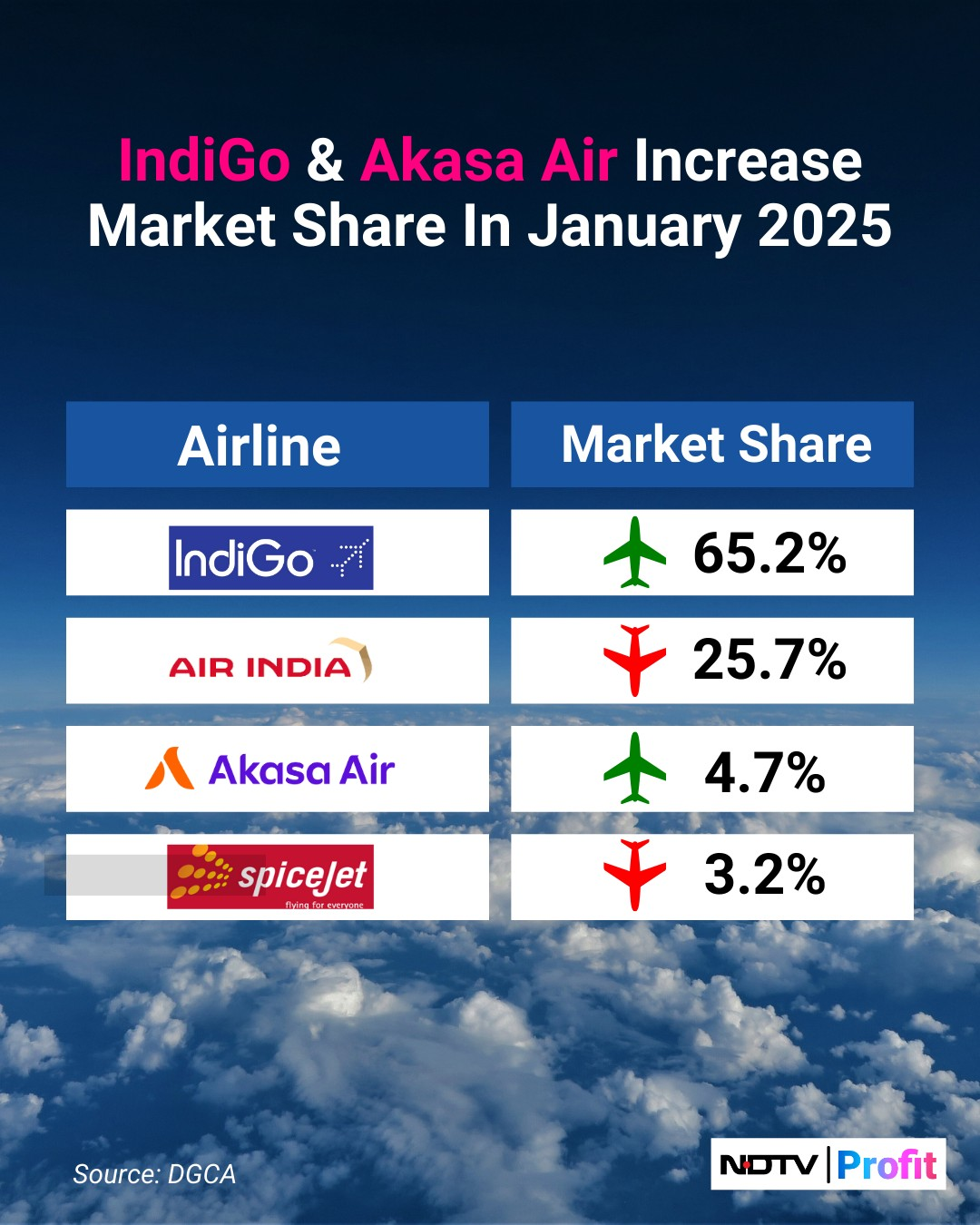
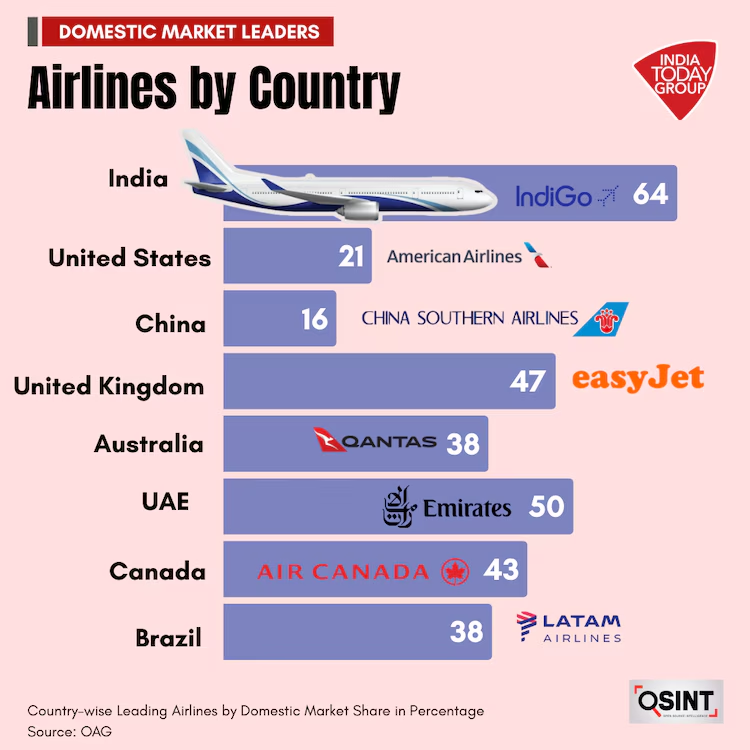
Over the past decade, multiple carriers have gone under, from Kingfisher and Jet Airways to Go First. The gaps they left were mostly filled by two players: IndiGo and the Air India group. Between them, they now control more than 90% of the domestic market. On many smaller city routes, IndiGo is the only serious option. That quasi duopoly worked fine as long as both giants stayed stable.
Once one of them stumbled, the system had no real spare capacity to absorb the shock.
This is why people started using phrases like “too big to fail” in the context of IndiGo. If a 60-plus percent market share airline trips on its own scheduling, the impact does not stay confined to its balance sheet. It spills over into GDP calculations, tourism flows, business travel and even government events. In a sense, India has bet its aviation growth on the ability of two airline groups to keep scaling without losing operational discipline. The first big stress test has not been flattering.
The comparison many people made was with Southwest Airlines in the United States, which suffered a spectacular meltdown during the 2022 holiday season and cancelled nearly 17,000 flights. That crisis also came from a mix of old systems, thin buffers and a network not built to absorb shocks.
The lesson from that episode was not that low-cost carriers are doomed. It was that being efficient is not the same as being resilient. IndiGo is now living through a similar realization. Its model of lean staffing, high aircraft utilisation and rapid route expansion kept fares low. Under a stricter fatigue rulebook, the same model looks fragile.
For investors, the pain is both immediate and long-term.
In the short term, there are lost ticket sales, refunds, hotel bills, compensation, extra leasing or chartering costs and higher overtime payments to crew. Over the medium term, IndiGo will likely have to hire more pilots and cabin crew, invest in better rostering technology and perhaps keep more aircraft and crew in reserve instead of sweating every asset to the maximum. All of that adds cost.
The market reaction in early December reflected a simple fear. IndiGo’s margins were built on a certain operating playbook. If that playbook has to be rewritten to satisfy safety rules and regulators, will the profits still look as pretty.
The bigger story though is about trust. IndiGo’s core promise for nearly two decades has been boring reliability. No-frills service, budget food, but you reach on time. That is why business travellers, students, families and even ministers picked it without thinking twice.
When that brand of reliability cracks, it does not get fixed with a few social media apologies and a fresh ad campaign. It will require months, maybe years, of consistent performance to make people forget the week when the airline itself became the biggest source of disruption in Indian skies.
India also has to do some uncomfortable homework. The country wants to be one of the world’s largest aviation markets, with massive airport expansion, record aircraft orders and a flagship carrier that competes with Gulf and Western airlines. That ambition sits on two pillars: safety and reliability.
Safety is not just about crashes. It is about whether pilots are rested, whether regulators hold the line on fatigue, whether airlines are punished if they gamble on thin margins of error. Reliability is about building enough competition and capacity so that no single operator can hold the entire system hostage when it stumbles.
IndiGo will likely recover in a technical sense. The airline has cash, aircraft orders, strong market share and, to be fair, a long track record of execution. Flights will come back to normal levels. Schedules will look healthier.
Many passengers will move on, because they have limited alternatives. The real question is whether the crisis forces a structural reset. Do airlines accept that growth in a post-FDTL world demands more investment in people and planning. Does the government make it easier for new competitors to emerge so that the next meltdown does not choke the entire country.
For now, the story of IndiGo’s December crash is a reminder that aviation is not just metal and fuel. It is an ecosystem of rules, rosters, people and choices. When that ecosystem is built around one dominant player, its internal mistakes quickly become everyone’s problem. It exposed how fragile the country’s flying dream still is.
FAQs
What caused the massive IndiGo flight cancellations in December 2025?
IndiGo’s cancellations were triggered by poor planning around new pilot duty and rest rules. When delays pushed flights into restricted time windows, many pilots legally could not operate, causing a cascading network collapse across the country.
What are the new FDTL rules and why did they affect IndiGo so badly?
The updated Flight Duty Time Limitations increased rest hours and restricted night duties to reduce pilot fatigue. IndiGo failed to adjust schedules and staffing in time, so even small delays pushed pilots beyond legal limits, grounding flights at scale.
Why were passengers stranded for hours at airports during the IndiGo crisis?
As thousands of IndiGo flights were cancelled, alternative flights were limited because the airline dominates many routes. With no backup capacity in the system, passengers faced long waits, missed events, and minimal support on the ground.
Did other airlines face the same issues with the new pilot rest norms?
No. Air India, Akasa, SpiceJet, and others adapted their rosters months earlier. IndiGo’s operational model had thin buffers, so the new rules exposed staffing shortages that other airlines had already prepared for.
How did the IndiGo meltdown impact India’s aviation system?
With IndiGo controlling around 60 percent of the domestic market, its failure sent shockwaves across the entire network. Airports clogged, fares spiked, and no airline had enough capacity to absorb stranded passengers, revealing a fragile system.
Why did the government order IndiGo to cut flights?
DGCA directed IndiGo to reduce its schedule by five percent after identifying planning gaps that made its network unstable. The cut was meant to ease pressure, prevent further cancellations, and give the airline time to reset operations.
Did IndiGo receive any regulatory exemptions during the crisis?
Yes. The regulator temporarily relaxed some of the stricter pilot rest rules for IndiGo alone. This was done to stabilise its schedule, though pilot unions criticised the move for undermining fatigue safety norms.
How long will IndiGo take to fully stabilise its operations?
IndiGo told regulators that complete stabilisation could take until February 2026. Hiring pilots, rebuilding buffers, and realigning schedules require months, not weeks, especially under tightened safety rules.
Why is IndiGo’s dominance considered risky for Indian aviation?
When one airline carries most of the country’s passengers, its failure can shut down large parts of the system. The crisis showed how over reliance on a single carrier creates system-wide vulnerability with no safety net.
What changes are needed to prevent a crisis like this from happening again?
India needs stronger competition, more resilient airline operations, and lower structural costs like fuel taxes and airport charges. Without easing these pressures, airlines struggle to survive, leaving the system dependent on a single major carrier.